Published
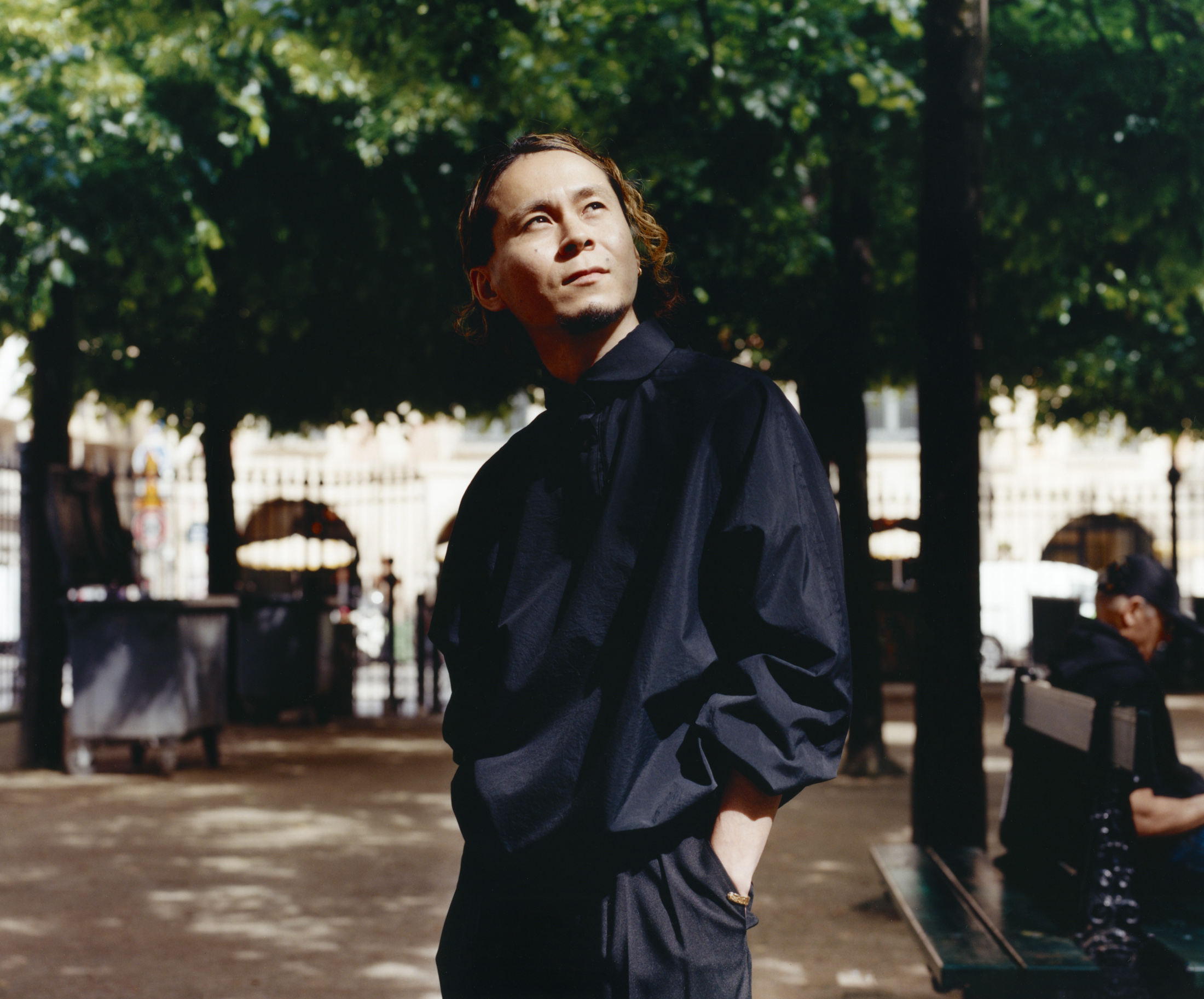
Name: Koki Nakano
Occupation: Musician, pianist, composer, improviser
Nationality: Japanese
Recent release: Koki Nakano's《ULULŌ》is out via NØ FØRMAT!. As part of the NØ FØRMAT! label night, Koki will perform at Berlin's Emmauskirche on November 13th 2024.
If you enjoyed this Koki Nakano interview and would like to find out more about his music, visit his offficial homepage. He is also on Instagram, and Facebook.
Where does the impulse to create something come from for you? What role do often-quoted sources of inspiration like dreams, other forms of art, personal relationships, and politics play?
My interest lies in creating music that explores the frameworks and limitations surrounding us, making them as fluid and flexible as possible.
I often find inspiration through collaboration with artists from other disciplines, especially dance, visual arts, and fashion.
To get started, do you need concrete ideas, or what some have called a "visualization" of the finished work? What does the balance between planning and chance look like for you?
Initially, I have a vague sense of mood, textures, tones, and a mentality that I aim to materialize musically.
However, I also always seek to explore new emotions with each composition. It’s like beginning with a particular state of mind, then looking for the opportunity to develop it in a unique way I haven’t tried before.
Is there a preparation phase for your process? Do you require your tools to be laid out in a particular way, or do you need to do “research” or create “early versions”?
The most important preparation for making the album is finding the right concept that allows me to fully dive in and explore deeply.
Do you have certain rituals to get you into the right mindset for creating? What role do certain foods or stimulants like coffee, lighting, scents, exercise, or reading poetry play?
Working every day as consistently as possible is the only way for me to bring the piece to life.
When it’s time to finalize it, I start taking it outside—listening to it while on a walk or on a train, for example. I even try playing it alongside my favorite movies or dance videos.
What do you start with? And, to quote a question by the great Bruce Duffie: When you come up with a musical idea, have you created the idea, or have you discovered it?
I explore new musical elements daily, such as textures, rhythmic ideas, and short phrases.
When I discover a concept that echoes these experimental materials, the composition process begins.
Many writers have claimed that as soon as they enter the process, certain aspects of the narrative are out of their hands. Do you like to keep strict control, or is there a sense of following things where they lead you?
Yes, the essence of the composing process is to reach a moment when phrases begin to behave autonomously, in their own unique way. This is a sign that the composition has established a certain biorhythm.
Often, while writing, new ideas and alternative directions open up, pulling and pushing the creator in a different direction. Does this happen to you, too? How do you deal with it? What do you do with these ideas?
On days when I’m very focused, I sometimes explore every potential way to develop my current composition in my dreams while I sleep. When I wake up, I know which direction will be the most enjoyable to pursue.
There are many descriptions of the creative state. How would you describe it for yourself personally? Is there an element of spirituality to what you do?
Creation is hope in this physical world. For me, there is no option for survival without it!
Once a piece is finished, how important is it for you to let it sit and evaluate it later on? How much improvement and refinement do you allow until you're satisfied with a piece? What does this process look like in practice?
Making an album is a long process. I do make small changes to the instrumentation while considering the overall picture of the album.
However, once I feel that a track has found its own biorhythm, it’s very rare for me to make drastic changes.
When you're in the studio to record a piece, how important is the actual performance and the moment of performing the song, especially in an age where so much can be “done and fixed in post”?
It really depends on the track and what role the instruments play. In most cases, I record layer by layer, so it’s more like construction rather than performance.
If it’s a pure piano solo, I try to rely on post-production as little as possible.
Even recording a solo song is usually a collaborative process. Tell me about the importance of trust between participants, personal relationships between musicians and engineers, and the freedom to perform and try things—rather than focusing on gear, technique, or “chops”—for creating a great song.
For me, it’s important to work with collaborators whom I admire and from whom I would like to learn. Trust and respect are naturally established in such relationships.
After all, it’s the most fun part and always exciting when unexpected things are brought by them. It’s an opportunity to go beyond my own frame.
What's your take on the role and importance of production, including mixing and mastering, for you personally? In terms of what they contribute to a song, what is the balance between composition and arrangement (performance)?
Since my first solo album, I have always worked closely with the sound engineer François Baurin on every project, as I trust him very much.
Mixing is an essential part of my composition process, and by the time I bring stems to his studio, 80-90% of the mixing is already done. He then polishes it further through our discussions. This collaborative process is truly important to me.
For my new album, Ululō, I asked Alex Gopher to handle the mastering. He instinctively understood my vision and brought great stability to the tracks.
After finishing a piece or album and releasing it into the world, there can be a sense of emptiness. Can you relate to this, and how do you return to the state of creativity after experiencing it?
I feel that each time I finish a piece, many elements of the original mindscape I had fall away. This leads me to new creations, believing that in the next piece, I won’t overlook anything.
I believe that art is the best way to crystallize things as they truly are in this world; however, I sense that materializing something inevitably leaves something behind. Thus, the moment I complete a piece, my mind fills again with things I couldn’t write down.