Published
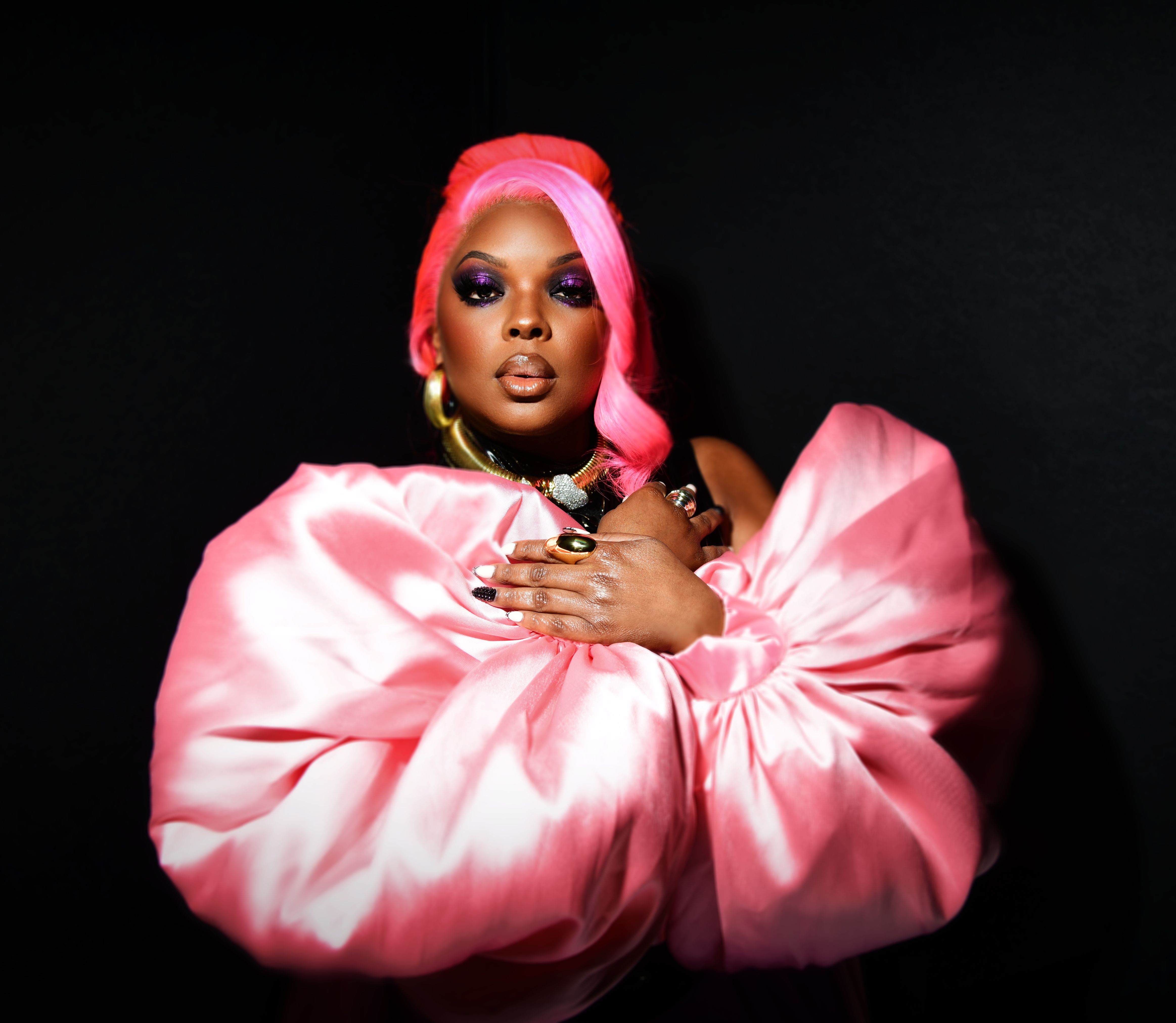
Name: Lady Nicole Wray
Occupation: Singer, songwriter
Nationality: American
Current release: Lady Wray's new album Cover Girl is out September 26th 2025 via Big Crown.
Topic that I am passionate about but rarely get to talk about: I'm very passionate about home living, interior design & all styles of cuisine.
If you enjoyed this Lady Wray interview and would like to stay up to date with her music and upcoming live dates, visit her official homepage. She is also on Instagram, Facebook, Soundcloud, and bandcamp.
When did you first consciously start getting interested in singing? What was your first performance as a singer on stage or in the studio and what was the experience like?
I first consciously got interested in singing when I was 8 years old.
The first place as a singer was church. I sang my first solo song on stage at 8 years old - a year older thatnmy daughter is today.
If you're also playing other instruments, how does the expressive potential of these compare to your own voice?
I usually just sing and leave instruments up to my incredible producer or my band. I think what they do compliments my soulful voice.
Singing is an integral part of all cultures, and traditions. Which of these do you draw from – and why?
I draw from the religious culture in the African America community.
As a child we were raised to have a spiritual connection with the hig:her power lord and savior.
This is what my ancestors did that came before me church singing and praying for a better life of freedom.
What were some of the main challenges in your development as a singer/vocalist? Which practices, exercises, or teachers were most helpful in reaching your goals – were there also “harmful” ones?
I don’t believe I had any challenges - just always a bit nervous when I see a crowd looking back at me.
Didn’t have any harmful challenges or memories.
What are the things you hear in a voice when listening to a vocalist? What moves you in the voices of other singers?
The main thing that moves me in a vocalist is true deep feelings and connection to the song and lyrics.
Singing the song, bringing hope through the belting of the lyrics. It has to be heartfelt - like meaning every word.
How would you describe the physical sensation of singing? [Where do you feel the voice, do you have a visual sensation/representation, is there a sense of release or tension etc …]
I believe the physical sensation of singing is a gift from god not all singers have this gift. The voice comes from others worlds past or future and if it does the job that it's meant to do the Ancestors have won.
There is a sense of release could be pain, joy, anxiety, fear ... but to tap into them all is more than a sacrifice. It brings healing to the listener.
We have a speaking voice and a singing voice. Do these feel like they are natural extensions of each other, ends on a spectrum or different in kind?
I think the speaking voice is a natural extension of the singing voice. It’s using the same muscles and breaking techniques and is working a bit more than singing if you think about it.
One is talking everyday, all day ... but to sing is not an everyday thing. It takes more than talking and is really not a gift but a blessing.
How do you see the relationship between harmony, rhythm and melody? Do you feel that honing your sense of rhythm and groove has an effect on your singing skills?
Harmony, rhythm and melody all work together in the groove. There is no negative effect on the singing - you need them all to execute a good song.
What are the potentials and limits of your voice? How much of your vocal performance can and do you want to control?
The potential limits of my voice is determined by being well rested, hydrated ... no yelling. And also if the musical backing knows my limits and range.
I want to control as much as I can without jeopardizing the feeling and connection to the song. Sometimes you wanna just free style and let lose.
As a singer, it is possible to whisper at the audience, scream at the audience, reveal deep secrets or confront them with uncomfortable truths. Tell me about the sense of freedom that singing allows you to express yourself and how you perceive and build the relation with the audience.
Singing in front of an audience is a super power. You feel the connection and energy that the crow is giving you. You are allowed to let go and be vulnerable, sharing things you normally wouldn’t.
There is a trust bond between you and your audience: they came to see you and are walking away with a real piece of you.
I'd love to know more about the vocal performances for your latest release, please, and the qualities of your voice that you wanted to bring to the fore.
My vocal performance I tell you isn’t rehearsed that much. A kind of small portion is dedicated to learning the show, but then then I kinda let my voice give what it’s gonna give.
I have been singing most my life and my voice never lets me down. It’s there, always pushing and going the extra mile and it deserves so much more care.
It’s my super strength and sometimes goes unnoticed for the absurd things in life.
When you're writing song lyrics, do you sense or see a connection between your voice and the text? Does it need to feel and sound “good” or “right” to sing certain words? What's your perspective in this regard of singing someone else's songs versus your own?
When I’m writing it’s definitely a feeling thing and a vibe.
I don’t usually sing other people's songs. And if I do I choose to sing one, I sing it my way to give the song new meaning or a new feeling.
Strain is a particularly serious issue for many vocalists. How do you take care of your voice? Are the recipes or techniques to get a damaged voice back in shape?
My voice is a machine but when it’s had enough, my whole world feels it. I feel very sad and alone and depression sets in.
I do breathing techniques, rest and make sure there is absolutely no talking whatsoever. Don’t talk to me or ask me anything if my voice is going out. I will ignore you.
How has technology, such as autotune or effect processing, impacted singing? Has it been a concrete influence on your own approach?
I don’t care for Autotune. It makes my voice sounds very bad and off pitch.
I wish artist didn’t use it as much but to each their own.
For recording engineers, the human voice remains a tricky element to capture. What are some of the favourite recordings of your own voice so far and what makes voices sound great on record and in a live setting?
For me I believe my voice in a studio setting is not as powerful than it is in one of my live performances. Only because it’s raw live and I have so much energy to feed off in the room.
I also have things that I need to let go as well. So live for me is where I feel more at home - nervous jitters and all.
Motherese may have been the origin of music, and singing is possibly the earliest form of musical expression, and culture in general. How connected is the human voice to your own sense of wellbeing, your creativity, and society as a whole?
The human voice is connected to a sense of wellbeing and creativity because without music or singing it would be a very dark world. And society would be over as we know it.
The frequency would die, love would die, emotions and feelings would die and wellbeing would not be a thing. It would be very barbaric or darker.