

Name: Lara Downes
Occupation: Pianist
Nationality: American
Recent release: Lara Downes's new album This Land, is out via Pentatone. You can also order an autographed copy directly from Lara's online store.
If you enjoyed this Lara Downes interview and would like to find out more about her music and current live dates, visit her official website. She is also on Instagram, Facebook, and twitter.
When did you first start getting interested in American musical history?
I suppose my curiosity about American musical history blossomed during my teenage years. Starting piano lessons at such a young age meant my musical foundation was entirely rooted in the European classical tradition. While I cherished that journey, I eventually felt a strong pull to connect my own identity and experiences with the music I was creating.
That's when I started seeking out the history of American music, and it opened up a whole new world for me. It wasn't just about classical music anymore; it was about the fascinating ways that classical, jazz, and folk music intertwined and influenced each other.
It felt like a true reflection of America itself – diverse, collaborative, and full of unexpected connections.
Which artists, approaches, albums or performances captured your imagination in the beginning when it comes to the art of interpretation?
As a pianist, the challenge was always navigating the wealth of existing recordings.
On one hand, you want to connect with the lineage of interpretations, especially with composers like Mozart or Beethoven or Chopin, but you also need to avoid imitation. It was like absorbing a mosaic of approaches, then filtering them through a personal lens. That's crucial in classical music, with its rich history of interpretation.
Later, discovering music by underrepresented composers, like Florence Price, offered a different experience. With fewer recordings available, the learning process became more independent and personal. It's a beautiful balance – connecting with tradition, but also forging your own path.
What do you personally enjoy about the act of interpretation? Are you finding that this sense of enjoyment is changing over time?
For me, interpretation is always a dialogue between the composer and the performer.
I love getting into the historical and personal context surrounding a piece to truly understand the composer's motivations and world. Finding those connections between their experiences and my own – whether it's love, loss, or even societal chaos – is incredibly powerful. It's a way to bridge the gap between the past and present, and that's what makes performing older works so fulfilling.
With new music, it's a different kind of conversation, a collaboration with a living composer where you're trying to honor their intentions while also making the music your own. And it's fascinating how that dynamic varies from composer to composer – some are more protective of their work, while others embrace the performer's individual interpretation.
Ultimately, it's all about sharing and connecting through music.
How much creativity is there in the act of interpretation? How much of your own personality enters the process?
The amount of creativity in interpretation is vast and constantly evolving. You never play a piece the same way twice, and it's fascinating how your own state of mind and experiences on any given day can influence the performance.
Take, for instance, our recent performance of “Rhapsody In Blue Reimagined” in Brooklyn Bridge Park, which was a really special free concert to support voter registration - a beautiful day in an iconic setting. There were moments when I wasn't even playing, but the sheer joy and energy of the moment were palpable, and that inevitably flowed into my playing when I returned to the keys. It was a reminder that every performance is unique, shaped by the present moment and all that it encompasses.
So, while there's a foundation of technique and understanding, there's also a tremendous amount of room for personal expression and spontaneity. It's part of what makes live music so magical.
Could you describe your approach to interpretation on the basis of a piece, live performance or album that's particularly dear to you, please?
Taking on George Gershwin’s “Rhapsody in Blue” for its centennial this year has been a transformative experience. It's a piece I know intimately, yet approaching it with a fresh perspective, 100 years later, has been eye-opening.
Gershwin's vision was to celebrate America's 'musical kaleidoscope,' so reimagining that in today's context meant diving deeper into his world. I wanted to understand his influences, not just musically, but also the social currents he was responding to – like the anti-immigrant sentiment at the time, which resonated deeply with him as a first-generation American. It allowed me to connect with the heart of the piece in a new way. We've taken a radical approach with the arrangement, yet it feels incredibly respectful and affectionate towards Gershwin's original intentions.
Another piece on my album that's deeply familiar is Paul Simon's “America.”
His version is iconic and captures a specific moment in time, but revisiting it now meant going back to its source – that difficult period in American history marked by grief and uncertainty after President Kennedy's assassination.
It felt relevant to explore those feelings of isolation and confusion in the context of 2024. So, while the sound is connected to the original, it also carries a different energy, reflecting our current times.
When you have the score in front of you, what's your take on taking things literally, correcting possible mistakes, taking into account historical aspects etc?
My experience with interpreting scores has been quite hands-on and personal, especially with the music of Florence Price. Her works were neglected for so long, and when they were rediscovered, there was a tremendous effort to edit and publish them from the original handwritten manuscripts. I've been fortunate to be among the first to perform her pieces, and it's felt like a restoration project.
With her piano concerto, for example, we've been uncovering and correcting small errors that crept in during the hand-copying process. It's been a joyful process to ensure her intentions are accurately reflected in the score.
Now, there's even a set of parts for the concerto, with all these corrections, that are specifically sent out for me when I perform it. I really value the collaborations with conductors and orchestras that have gone into bringing these forgotten works back to life.
With regards to the live situation, what role do the audience and the performance space play for your interpretation?
I am an artist who’s very dependent on the chemistry of a room. The audience and performance space play a huge role in my interpretations. I thrive on the chemistry of a room and see each performance as a conversation with the listeners. I try to avoid any barriers between myself and the audience, so the energy in the space definitely influences what happens on stage.
Take the Brooklyn Bridge concert, for example. It was outdoors, with thousands of people, a beautiful day, and this incredible celebratory energy. That definitely impacted the performance. Then, contrast that with a recent recital I did at Newport, in a Gilded Age mansion – a completely different atmosphere, but still one where the beauty of the space and the audience's eagerness to be there shaped the experience.
I also think my approach is unique because I always weave stories and historical context into my performances. It creates a reflective space where everyone can connect their own journeys to the music. People often tell me how much it means to them to understand the context and find those points of connection.
Especially these past few years, with so much division, it feels incredibly healing for American audiences to explore these shared musical threads and find common ground. That sense of connection is a huge part of why I love performing.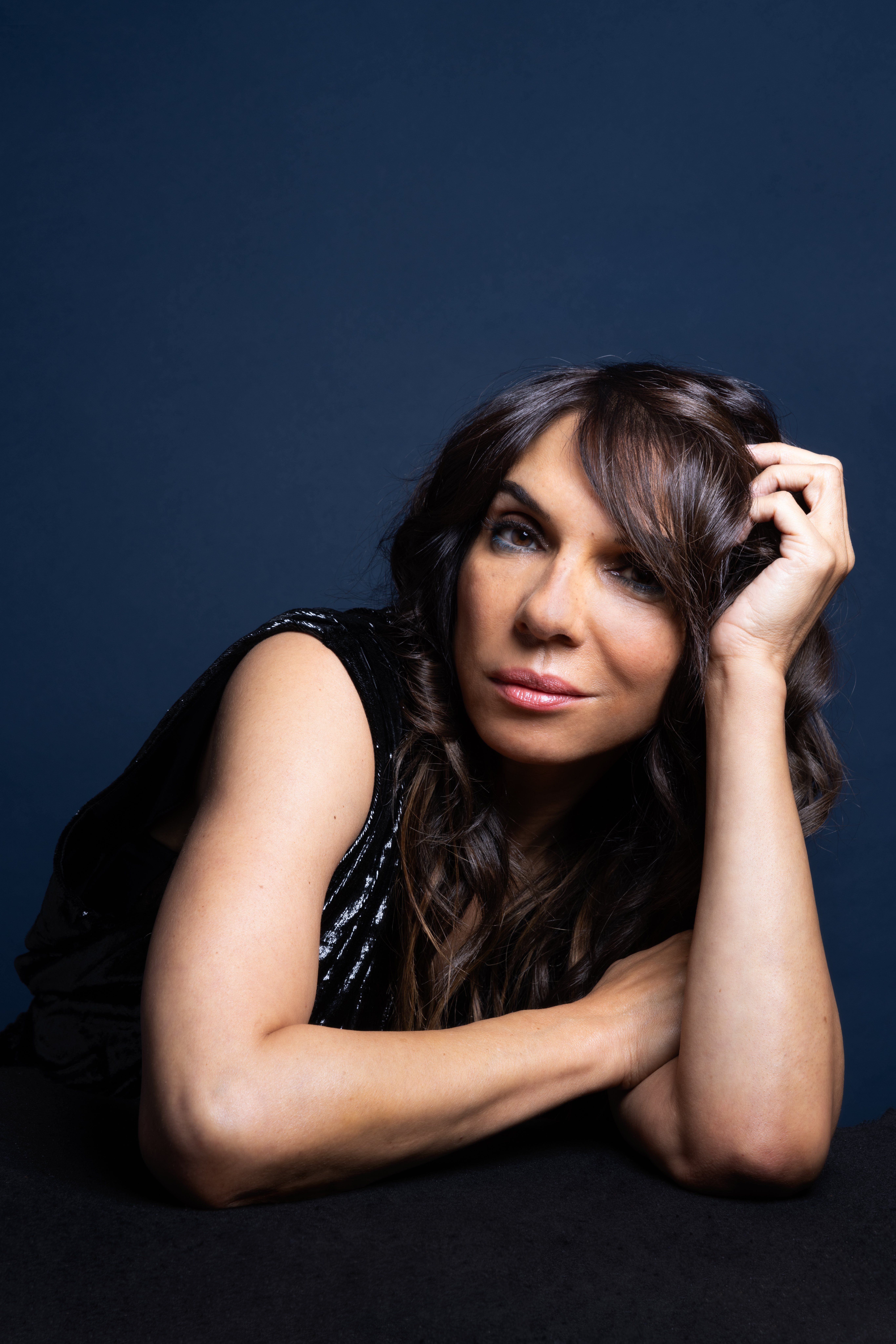
Lara Downes Interview Image by Ebru Yildiz
Some works seem to attract more artists to add their interpretation to it than others; some seem to even encourage wildly different interpretations. From your experience, what is it about these works that gives them this magnetic pull?
Works that attract diverse interpretations often resonate deeply with fundamental human experiences and emotions.
For example, Beethoven’s music captures his profound personal struggles, which continue to speak to listeners across centuries. Similarly, American music, going all the way back to its origins in Negro Spirituals always contains powerful themes of survival, hope, and transformative energy, which adapt in every era to meet current trials and triumphs.
The magnetic pull of these works lies in their ability to convey core human sentiments that artists and audiences can continually connect with and reinterpret.
Artists can return to a work several times throughout the course of their career, with different results. Tell me about a work where this has been the case for you, please.
The reason music endures is its ability to connect with the core human experiences that inspired its creation. Whether it's Beethoven channeling his struggle into timeless compositions or the spirit of survival and hope embedded in American spirituals, we feel that deep human connection when we listen, even if we're not consciously aware of it.
Similarly, my own interpretation of a piece can shift, depending on where I am in life. This has been particularly striking with my latest album, as the world around us has changed so rapidly.
For example, when we first recorded 'Rhapsody in Blue,' Gershwin's protest against the anti-immigration policies of 1924 felt very relevant, given some of the troubling attitudes of our own political and social scene. Now, with a sense of rebuilding and hope in the air, I find myself connecting more with the piece as a celebration of the American promise. It's a reminder that music is a living, breathing thing, always capable of revealing new layers of meaning.
Part of the intrigue of interpretations is that the process is usually endless. Are there, vice versa, interpretations that feel definitive to you?
Ray Charles's “America the Beautiful.” That song belongs to him!

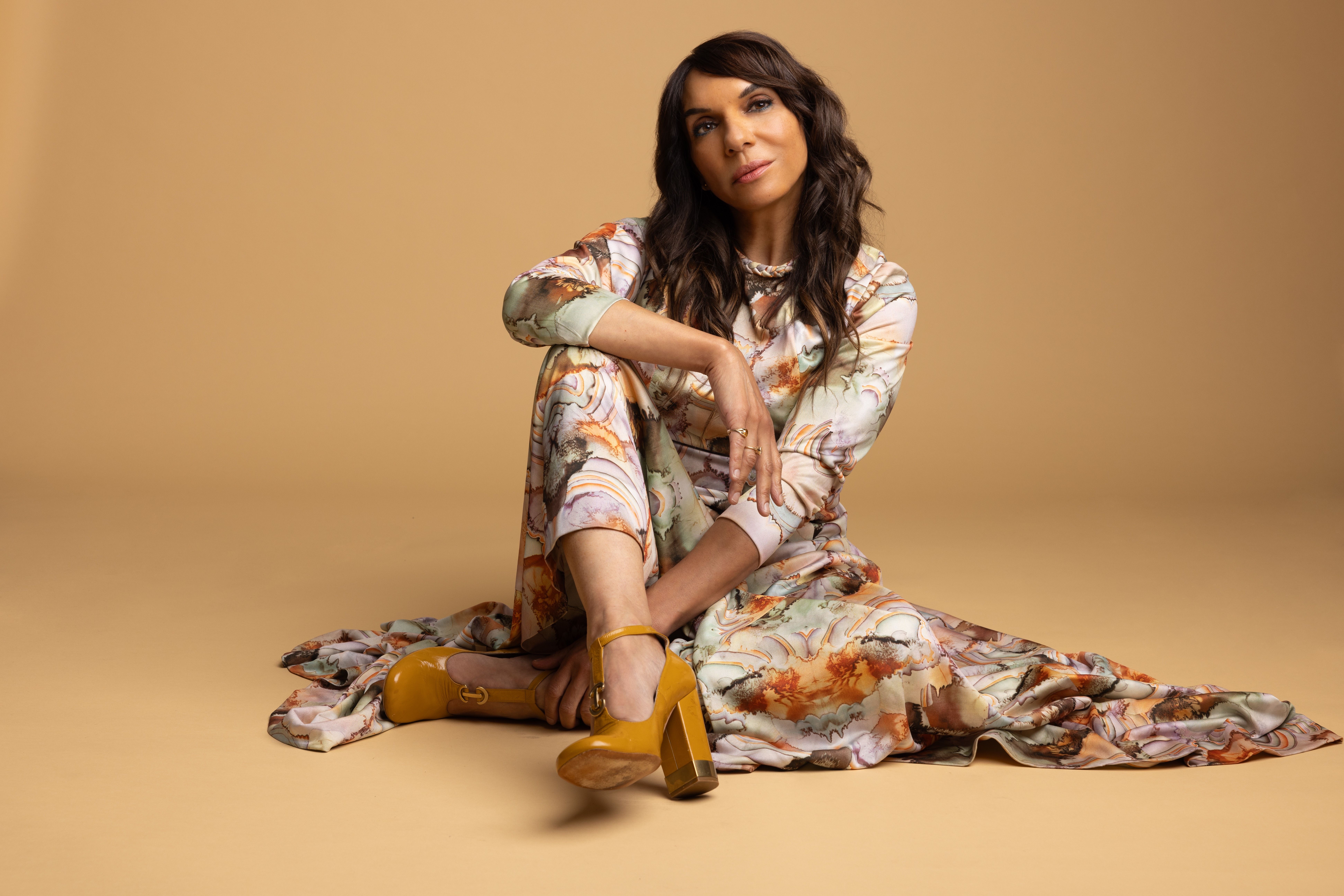 Lara Downes Interview Image by Ebru Yildiz
"I see each performance as a conversation with the listeners."
Video
