Published
Part 1
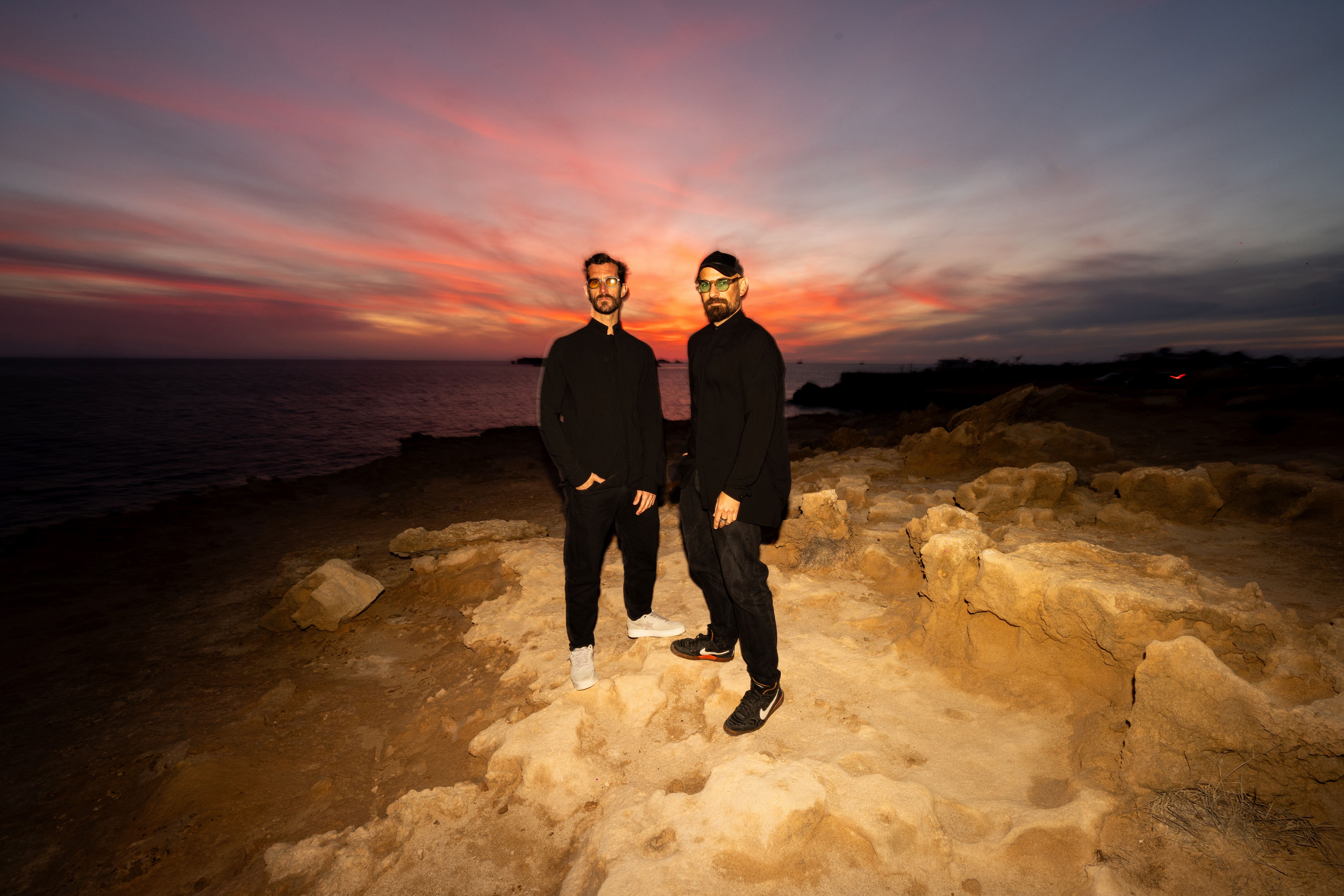
Name: Los Suruba
Members: Alvaro Muñoz, Delmar Dos Santos
Nationality: Spanish
Occupation: DJs, producers
Current release: Los Suruba's 33 Vinyl EP, including remixes by Cristina Lazic and BRYZ, is out via Nazca.
Recommendations:
Alvaro: If you’re a big Beastie Boys fan like me or simply want to learn more about one of the most successful groups in music overall, I highly recommend Beastie Boys, The Book by Michael Diamond and Adam Horovitz.
If you want something more about electronic music, you must to read Energy Flash by Simon Reynolds and Electroshock by Laurent Garnier and David Brun-Lambert, This book is fantastic; it’s about the life of one of the best electronic DJs out there. But what I liked most is that it talks about clubs and festivals where we have performed, as well as labels and artists we have worked with.
Delmar: there’s this a great documentary called Sonic Fantasy. It’s about Bruce Swedien, Michael Jackson’s legendary sound engineer.
[Read our Cristina Lazic interview]
If you enjoyed this Los Suruba interview and would like to stay up to date with the duo and their music and current live dates, visit them on Instagram, Facebook, tiktok, and Soundcloud.
Over the course of their career, Los Suruba have collaborated with, remixed, or appeared on releases by a wide range of artists, including Louisahhh, Edu Imbernon, Joeski, and DJ Sneak.
[Read our Louisahhh interview]
[Read our Edu Imbernon interview]
[Read our Joeski interview]
[Read our DJ Sneak interview]
Do you think that some of your earliest musical experiences planted a seed for your interest in DJing?
Delmar: Yes, my musical experiences definitely sparked my interest in becoming a DJ. Looking back, I remember being around eight years old, recording songs I liked from the radio onto cassette tapes using my grandmother’s old recorder. Without knowing it, I was creating my own mixes with songs like “The Final Countdown” by Europe XD
Over time, I became open to all types of music, exploring different styles, and my sisters played a big role in expanding my musical taste. They brought back albums from their travels, and I used to wach Mtv and Viva the hole day with them and they used to be the first ones that tested my mixes. :D
I got into genres like rock, metal, punk, and hip hop. I even played bass in a punk rock band called Naskiturus. Later, after attending a reggae festival where I saw a Japanese DJ mixing dub and reggae with vinyl, I was captivated. Soon after, I bought a turntable and mixer, and that’s how my journey as a DJ began.
Alvaro: I grew up listening to the Beastie Boys and Public Enemy non-stop. I was fascinated by electronic sounds and beats when I was a teenager. That music marked the beginning of my interest in electronic music. Then I discovered The Prodigy, which greatly expanded my understanding of this genre. From there, I fell in love with techno and the essence of art in music.
I have always loved club music, but I was not initially a dancer very much. What was this like for you? How does being – or not being – a passionate dancer influence the way you deejay?
Alvaro: Whenever I mix, I'm dancing; it's impossible for me not to move. I'm not Tony Manero, but I love to dance.
Delmar: Yes, the way I DJ influences how I dance. I actually started dancing when I first attended electronic music events, like DEEP in Madrid, Coppelia 101 and Room. That’s where I took my first steps on the dance floor.
My DJ style is closely tied to how I feel and move with the music I love. I select tracks based on how I imagine myself dancing to them and how they make me feel. I’m not into tracks that make you jump around, but more into dark, sexy beats you can truly dance with yourself to.
For your own DJing, what were some of the most important things you learned from teachers/tutorials, other DJs, or personal experience?
Delmar: When I started in 1996, there were no so many instructors or tutorials in Spain—at least none that I knew of in my circles. You had to figure everything out on your own. And working with vinyl made it completely different; you had to learn a technique.
Most of what I’ve learned has truly come from personal experience. I started by understanding how things worked, watching other artists in clubs, but then, ultimately, practicing on my own.
Every week, I’d go to record shops, sometimes multiple times, come home with new vinyl, and just play for hours on end. That’s how I began to understand equalization and sound dynamics. Then, when I started playing in clubs, I learned how to read the room: knowing how to open a set, choosing the right tracks for the moment, sensing the mood, preparing the floor for the next DJ, or closing a set properly.
I also gained practical knowledge about sound. For instance, if you’re playing outside, music might feel slower because there’s no reverb, so you may need to speed it up. In a closed space, sounds can feel faster due to echoes, so you adjust accordingly. Over time, you notice the difference between digital mixers, like Pioneer’s, and analog ones . These details aren’t obvious to everyone, especially newer DJs, but with almost 30 years of experience—and nearly 25 years alongside Álvaro—I’ve picked them up through experience.
Alvaro: Delmar, my partner, was the first person to teach me how to DJ. He was not only my mentor but also my favorite DJ.
This was 25 years ago, and after countless hours spent watching and listening to DJs, I came to realize that the best ones aren't necessarily those with the most impressive techniques. For me, the most important aspect of being a DJ is creating a connection with the audience—crafting an atmosphere that draws them in.
It’s also essential to know how to read the dance floor; when I play, I’m always observing the faces and eyes of the crowd to gauge their reactions and get a true sense of what’s resonating with them.
How do you approach digging, what are you looking for, and what were some of the best finds of the past few weeks for you?
Alvaro:I listen to music throughout the day, from when I start preparing my coffee in the morning until I park my car at home after returning from the studio. However, not all the music I listen to is electronic or what I typically play.
Normally, when I start working in the morning, I play the tracks I’ve selected over the past few days. These come from artists I discover in vinyl shops, blogs, promos, demos, premieres, and sometimes on social media.
I’m always on the lookout for fresh music; right now, I’m into Electro, Minimal, and House. Artists like Alexander Skancke, Juaan, JNJS and Arapu sound fantastic to me at the moment.
Delmar: Over the years, I’ve developed a system for discovering and organizing music that has become almost second nature—it’s like a ritual at this point. Every day, I dedicate time to searching for music across multiple platforms and sources. I explore platforms like Juno, Decks Records, Deejay.de, Discogs, Bandcamp, Beatport …
Social media, especially Instagram, is another key tool for me. I follow accounts of DJs, music curators, and events where people share music they’re passionate about..
I’m constantly tuning into radio shows, TV, and even movie soundtracks. This broad range helps me discover tracks that are unique. As I find new music, I organize it into playlists by genre and style, primarily on Spotify and Tracktor. This allows me to build a library that I can easily access later. When it’s time to prepare a set, I review everything I’ve collected recently, test the tracks, and see how they fit together. If a song doesn’t match the vibe of the moment but still resonates with me, I save it for future use.
I also stay connected to communities of DJs and music lovers like Discovery Vinyl—whether it’s through online forums, local events, or conversations with other DJs.
How do you experience "groove," and rhythm? What is the relationship between harmony, rhythm and melody?
Alvaro: For me, groove and rhythm are what keep everyone moving together. Rhythm is the core beat that gives energy to the music, and groove is how I feel that beat connects with the crowd.
When I'm playing, I watch how people respond to the rhythm to know if it's working or if I should adjust it. Harmony and melody add layers on top—harmony brings in emotion, and melody is like the hook that people remember. All three—rhythm, harmony, and melody—work together to create a vibe that everyone can feel.
How would you describe the experience of DJing, physically and mentally? Do you listen – and deejay - with your eyes open or closed?
Alvaro: For me, DJing is a unique experience that engages both the body and mind. It creates a connection with the audience, and the energy that builds when you’re in sync with the crowd is fantastic—it always gives you a boost.
When I’m playing, I can’t help but keep moving, so I can’t close my eyes on stage. However, in the studio, when I’m focusing on listening, I sometimes close my eyes or turn off the screen to rely solely on my ears. This helps me gain a different perception of the music, you know?
How does the decision making process work during a gig with regards to the inclusion of key records, the next transition and where you want the set to go? How far do you tend to plan ahead during a set?
Alvaro: We usually have a list of songs we want to include, based on the energy of the crowd and the atmosphere of the event, depending on the type of gig (small club, big room, festival, etc.). Sometimes, certain tracks are essential for creating an emotional connection or maintaining the energy. It also varies a lot when we play at daytime outdoor events; those are my favorites now.
For me, transitions are very important; it’s not just about mixing two songs on beat but about creating a new track by blending them together, taking elements from both to create something new. I love when people hear a track we play and think it's a remix or an edit because we’re playing with elements from the other song. The mixes have to make sense; just because they’re in the same key doesn’t mean they’ll mix better.
My goal is to take the audience on a journey, to tell them a story. You always have an idea of where you want the set to go, but it’s important to pay attention to the crowd's feedback. I like to look into people's eyes because that’s where you can see what they’re feeling; when they close their eyes and smile a lot (which happens sometimes), I love it.
When it comes to planning, one thing we do a lot is listen to music every day. It’s not like when we started DJing over 20 years ago, when you could go to record stores and find about 50 new vinyls a week among several of them—before the internet, this was something I loved. I remember going to class with Delmar and sneaking out during breaks to hit the record shops; we studied in a neighborhood of Madrid where most of the stores were at that time—it was authentic.
When the internet arrived and then when we transitioned to digital DJing, the number of new artists and labels multiplied by a thousand, so now there are over a thousand new releases every week. That’s why it’s very important to dedicate several hours a day to listening to new music. We’re fortunate now to be on promo lists for important labels; many PR companies send us promos from the labels they work with in exchange for feedback on the tracks a month before release. Then there’s the music that our professional colleagues send us, and finally the new releases that come out or that we discover through social media videos.
I wanted to elaborate on this to highlight the importance of the time we dedicate to listening to new music to plan our sets; I believe it’s a fundamental part of being a DJ—to be a crate digger.