Published
Name: Lvdf
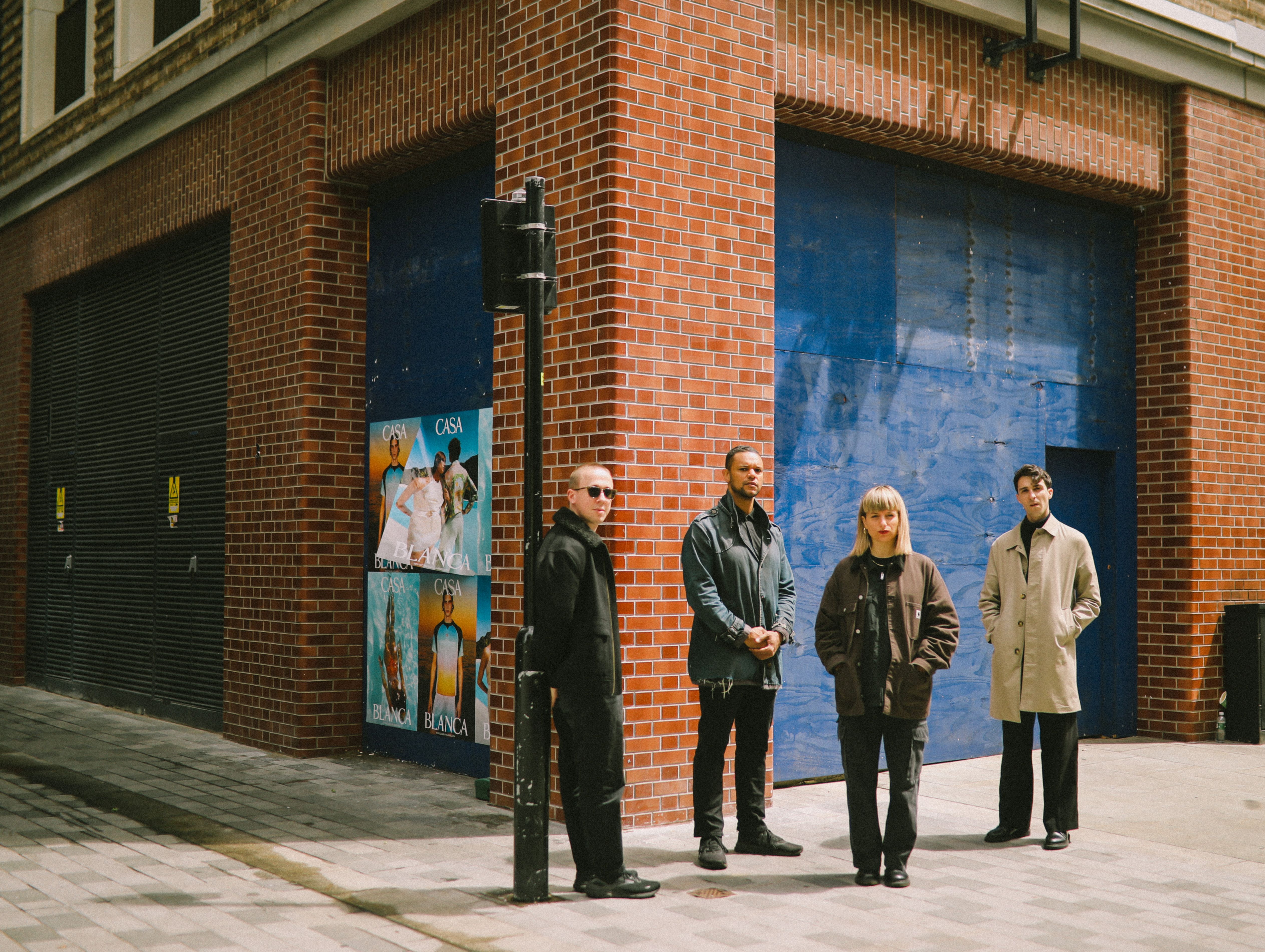
Members: Alex Hitchcock (saxophonist), Maria Chiara Argirò (pianist and synth soundscaper), Michelangelo Scandroglio (double bassist), Myele Manzanza (drummer)
Nationalities: British (Alex Hitchcock), Italian (Maria Chiara, Michelangelo Scandroglio), New Zealand (Myele Manzanza)
Current release: Lvdf's self-titled debut EP is out via Bridge The Gap.
Current event: To present the EP, the band will play a launch event at the Vortex. For more information go here.
Hometown recommendations:
Michelangelo: I would definitely recommend visiting the beautiful village of Talamone, located in southern Tuscany. It’s about a 10-minute drive from my hometown and is a stunning medieval borgo with some of the most beautiful sea views you’ll find. I often go to a beach there called ‘Spiaggia del Cannone’ whenever I feel stressed and just want some time alone. It’s truly a peaceful place where you can find calm and recharge.
[Read our Myele Manzanza interview]
If you enjoyed this Lvdf interview and would like to stay up to date with their music, visit them on Instagram.
What were some of your earliest collaborations? How do you look back on them with hindsight?
Myele: Our first time coming together was at the Grey Cat Jazz Festival in Follonica, Italy. We were commissioned by the festival to bring the band together and prepare a whole new set of material to premiere.
Michelangelo was the main connector who pulled us all together, but it was set up as a collective from the start where we would all compose and share duties.
In hindsight it was a real privilege to be given that opportunity. Follonica is a beautiful little seaside town in Tuscany, and to have a week there to focus on creating new material with such a talented group of artists was perhaps the ideal way to start a band, and pretty quickly we realised the project was something greater than the sum of its parts.
There are many potential models for collaboration, from live performances and jamming/producing in the same room together up to file sharing. Which of these do you prefer – and why?
Myele: We’re all live musicians first & foremost, so performing, jamming and improvising together is definitely a more natural process for us.
Whilst we all have made music where there was a lot of file sharing, or been involved in more ‘producer-centric’ projects, there’s nothing like people in a room together making the music in real time by having developed their human capabilities to master their instruments and play in simpatico with one another.
What did you know about each other before working together? Describe your creative partner in a few words, please.
Myele: All of us were aware of one another before the project, but it was my first time having played with Michelangelo & Maria. I think the balance of musical personalities is an interesting one in that there’s plenty of common ground but quite a lot of stylistic difference as well.
Maria Chiara Argiró’s music definitely has a jazz influence but there’s also a lot of indie and electronica that comes through in a really interesting and genuine way that I think no-one else in the scene really has going right now, & of the four of us would have the strongest ‘producer’ ear.
Alex Hitchcock is probably the strongest instrumentalist / soloist of the four of us in terms of raw ability, and would definitely be the one who’s most likely to want us to push into deeper improvisational territory, which keeps the performances dynamic and interesting every time.
Michelangelo Scandroglio, whilst being the youngest of the group, is the one with the biggest initiative and ambition when it comes to this project. He’s the one who got it off the ground and generally does the most to keep the embers lit on the project. He’s also an incredibly dynamic double bassist who’s not afraid of anything.
And I guess Myele is the most handsome one in the band :)
What do you generally look for in a collaborator and what made you want to collaborate with each other specifically?
Myele: Firstly, knowing that they’re good people who have respect for others and are easy to get along with socially on a person-to-person level. From there, I’m drawn to people who have a strong artistic voice & sound of their own, combined with enough empathy to allow space for others to have their musical voice come through as well.
After that, a general sense of mastery of their craft and ability to navigate whatever the music requires is of course necessary, but those are things that can be taught, whereas the other aspects are more tied into how they are as people.
Luckily all four of us tick all those boxes and the way that we come together allows for something bigger than the sum of its parts to emerge.
Tell me a bit about your current instruments and tools, please. In which way do they support creative exchange and collaborations with others?
Michelangelo: I’d say that before we all met for the first time for the residency, we didn’t exchange many concrete ideas. Everyone brought in some compositions, but knowing each other’s musical background and having a sense of what everyone sounds like really helped during the writing process.
That familiarity gave us enough common ground to start from, while still leaving room for spontaneity and discovery during the residency itself
Describe the process of working on your debut EP, please. What was different from your expectations and what did the other add to the music?
Michelangelo: That was one of the most interesting parts of the process, if you compare how the tunes sounded during the first rehearsal to how they sound now, they’re completely different.
I think each of us contributed something to every piece, especially in terms of arrangement. Over time, the tunes stopped feeling like individual compositions and started to feel like group creations, because they genuinely contain ideas and input from everyone."
Is there a piece which shows the different aspects you each contributed to the process particularly clearly?
Michelangelo: I’d say “Silver” is a great example of this process.
The first part of the tune actually comes from a piece I had originally brought in, but we ended up scrapping most of it because it didn’t quite fit. However, there was one section that really stood out, what is now the intro of “Silver.”
Myele then created an incredible beat over that part, which gave it a whole new energy. It ended up becoming the perfect introduction to a composition that Maria Chiara had brought in. So now, those two separate tunes have essentially been combined into one cohesive piece.
What tend to be the best collaborations in your opinion – those with artists you have a lot in common with or those where you have more differences? What happens when another musician takes you outside of your comfort zone?
Maria: The best collaborations often come from a mix of both. We share a common taste, but our different influences make things more exciting and push us creatively.
Being taken out of your comfort zone is a great challenge, it often leads to musical growth and unexpected discoveries.
Decisions between creatives often work without words. How did this process work in this case?
Maria: That definitely happened with us.
A lot of the communication was unspoken, just listening and reacting. Since we’re all used to leading our own projects, we also know how to be part of a collective.
It felt very intuitive. Most of the time, things just clicked without needing to be spelled out.
What are your thoughts on the need for compromise vs standing by one’s convictions? How did you resolve potential disagreements in this collaboration?
Maria: It’s a balance. You learn when to push for something and when to let go. We respect each other’s vision, so there weren’t really even disagreements.
It is always about serving the music. Music comes first!
Was/Is this collaboration fun – does it need to be?
Maria: Yes, it was a lot of fun, but also pushed us in the best way. We love giving ourselves challenges, and finding common ground was both rewarding and energizing.
Fun doesn’t mean easy, but it definitely makes the process more meaningful.