Published
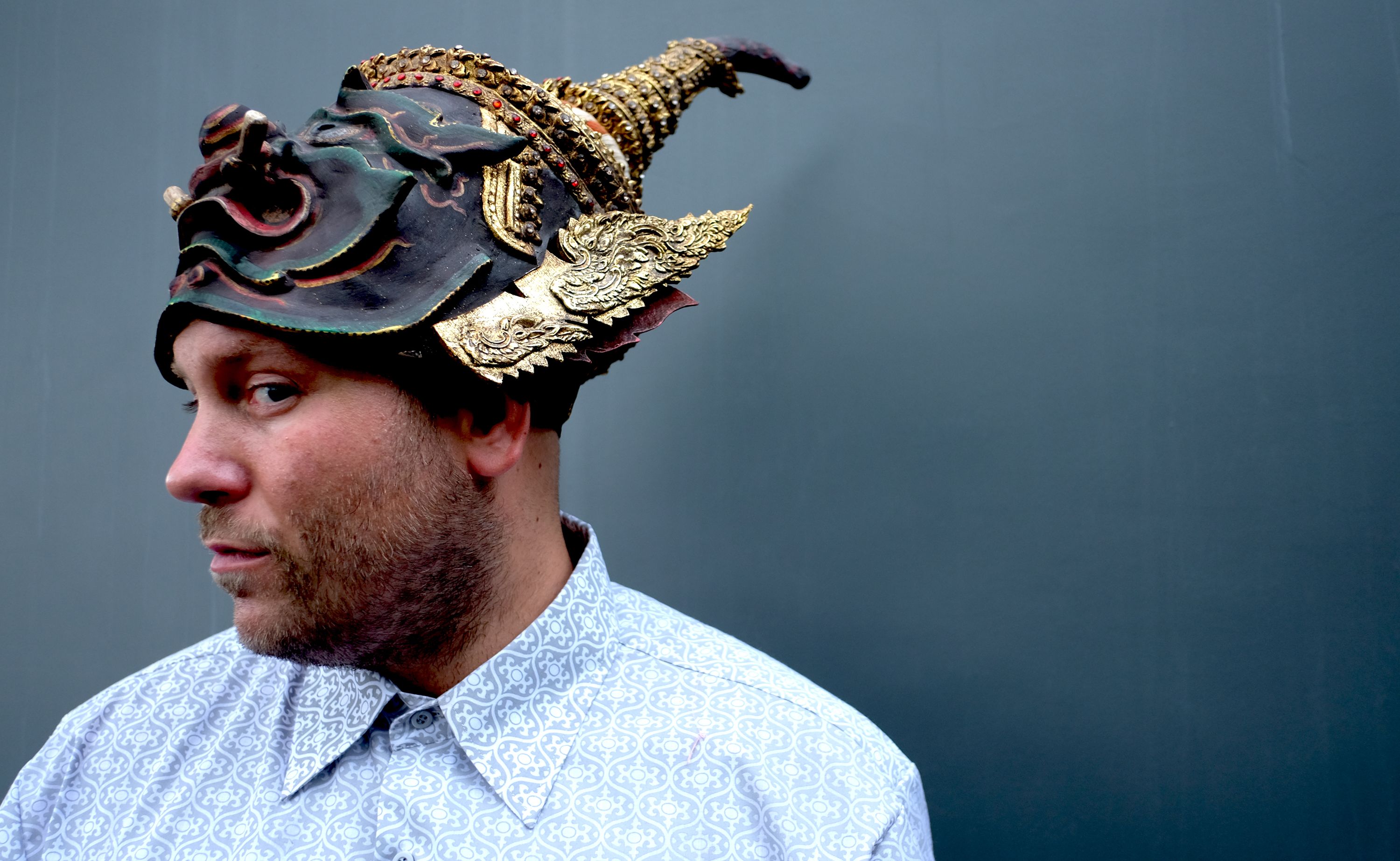
Name: Maarten Goetheer
Nationality: Dutch, Bangkok, Thailand-based
Occupation: DJ, producer, multi-instrumentalist
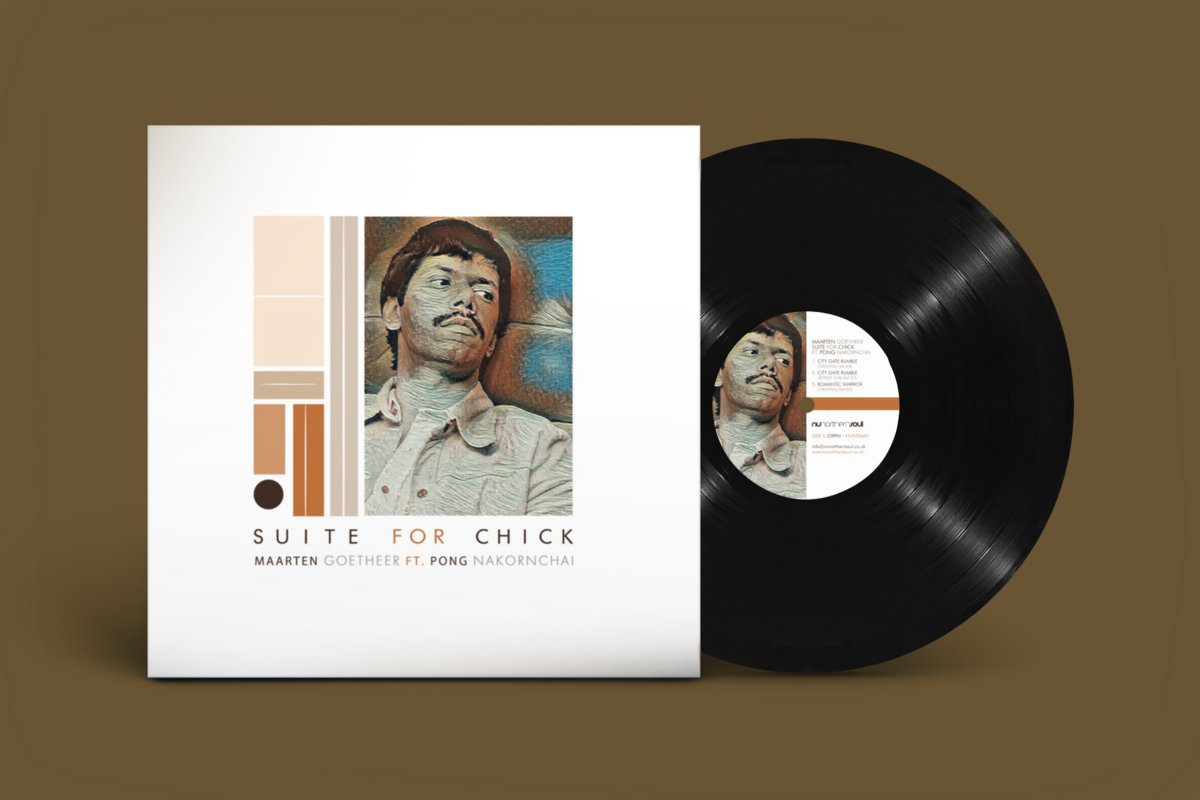
Current release: Maarten Goetheer's Suite for Chick, featuring drummer Pong Nakornchai (who joins him on three questions in this interview), is out November 29th 2024 via NuNorthern Soul.
If you enjoyed this Maarten Goetheer interview and would like to know more about his music, visit his official homepage. He is also on Instagram, and Facebook.
What were some of the musical experiences which planted a seed for your interest in jazz?
My father Gerard Goetheer played the local scene of The Hague, Netherlands with his trio in the 60s. The Hague was a hotbed for jazz in the Netherlands and would be the home of the now famous North Sea Jazz Festival which saw its first edition in 1976 with a line-up of Miles and Count Basie among other giants of Jazz.
My dad would have childhood friends such as Robbie Agerbeek, playing with the likes of Art Blakey or Dexter Gordon when they were in Europe.
In this way, my father was instrumental in turning me on to jazz as it would always play in the household, whether from his record collection or him jamming on the grand piano or telling me stories of his musical past.
To me there was always a certain sweetness to the music, he used to always play stuff like Getz & Evans, Michel Petrucciani or Oscar Peterson Trio - Night Train - and in my mind the music just filled the house with light and love.
So I guess in this sense I was very fortunate.
The love for the genre really resurged when, as a young teen, I started being interested in hip-hop, trip hop (MoWax, Ninja Tune) jungle, drum and bass and eventually also house music. I recognized some of the elements and samples, whether it was George Duke, Grover Washington Jr., or Bob James and also more traditional stuff like Horace Silver and started studying and collecting a lot of the late 70ies stuff.
It felt like this music was destined to be on my path somehow.
What does the term jazz mean today, would you say?
Through my 30 odd year career as a DJ I have researched and collected so many types of music and I thought it to be very interesting with this project to somehow reflect that in the musical approach.
Using certain production methods such as dubbing, techno-like sequencing, acid-like arpeggiating and sampling the recorded (live) work in an AKAI MPC work type flow. It is kind of my take on the jazz-fusion moniker. You will hear influences ranging from proto-house, early electro, disco dubbing to the early waves of Detroit and Chicago dance music. The Reprise and Reprise Dubs of "City Gate Rumble" of this EP illustrate this approach well.
To me Chick Corea was a huge innovator and his compositions and way of playing inspired me to re-interpret the works in my personal way. In Pong Nakornchai I found the perfect partner to execute this daunting task.
In terms of jazz, I mean for a while not a lot of younger folks were paying any attention to it. But now it seems like it has regained its own place because of the work of artists such as Kamasi Washington or Kamaal Williams.
I think it might be in a way a reaction to the computerization and dominance of electronic music. People will always gravitate towards a human touch. With this EP, it is almost like bringing these worlds closer together. I love how Herbie, Chick and Miles weren’t shy to explore technological possibilities in their art for even though traditionalists condemned them for it because they could not understand it or get hip to it.
I think their experimentations is a major motivation to other artists, like myself, to explore new approaches in making Music.
Jazz was about a lot more than just music in the 60s and 70s, from politics to fashion. For you personally, is jazz still a way of life – and if so, in which way?
I think the current discourse on gender, race and politics paints a very similar picture to the one that the jazz originators were facing in their days. Unfortunately, despite the work of the Civil Rights Movement we are back to square one it seems.
I think that there has always been a political element and undercurrent to the music and I believe our music and culture can help build bridges of understanding between different groups of people.
For me personally, I would say the spiritual element of the music, having a certain transcendental power, is the most important aspect that I would identify as a way of life. It is a way of creating and listening to music which is becoming quite uncommon nowadays.
This is because when it is not a commercial music, it has nothing to do with a desire of selling records or to become popular. So that enables the music to be more pure in its creative form.
Many people perceive jazz as a genre with high barriers of entrance, both for listeners and musicians. What have your own experiences been in this regard?
If someone wants to enjoy jazz or same-spirited music I believe this starts with creating the right circumstances.
This is why vinyl is seeing such a resurgence and I am so happy that my label NuNorthern Soul is doing a vinyl release of the work. It will force you to sit down and treat the listening experience almost like a ritual. The discerning listener might have a dedicated room or space for listening. I think that is a great way for discovering and enjoying new music. 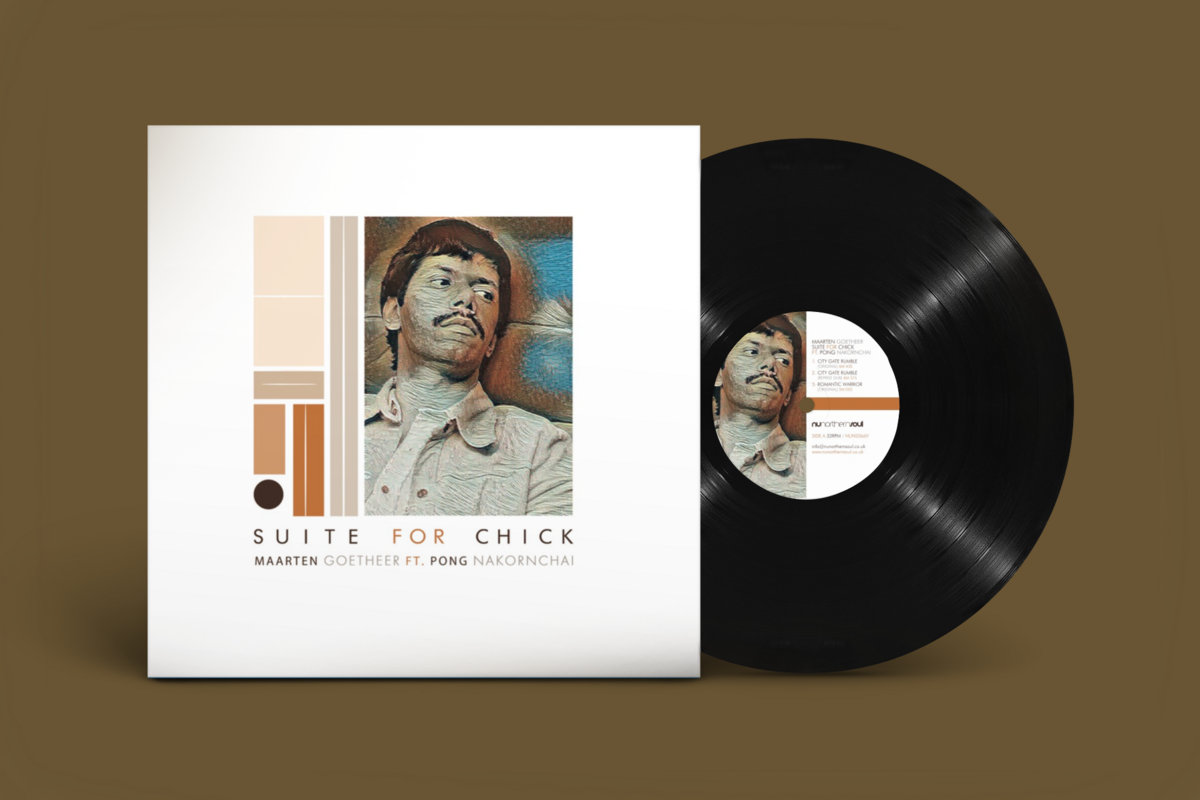
Maarten Goetheer Suite for Chick Pack Shot by NuNorthern Soul
There might be a barrier to listeners, but every ear and mind can be trained and if it is for you, you will eventually arrive right there where you need to be, with the material that speaks to you and elevates your spirit. It’s a rewarding process. This is the same for making the music.
On this EP the track “Hymn of The Heart” comes to mind, as I don’t think a piece like that can be digested properly listening to it on your mobile phone.
Derek Bailey defined improvising as the search for material which is endlessly transformable. As of 2024, what kind of materials are particularly stimulating for you? What, would you say, are the key ideas behind your approach to improvisation?
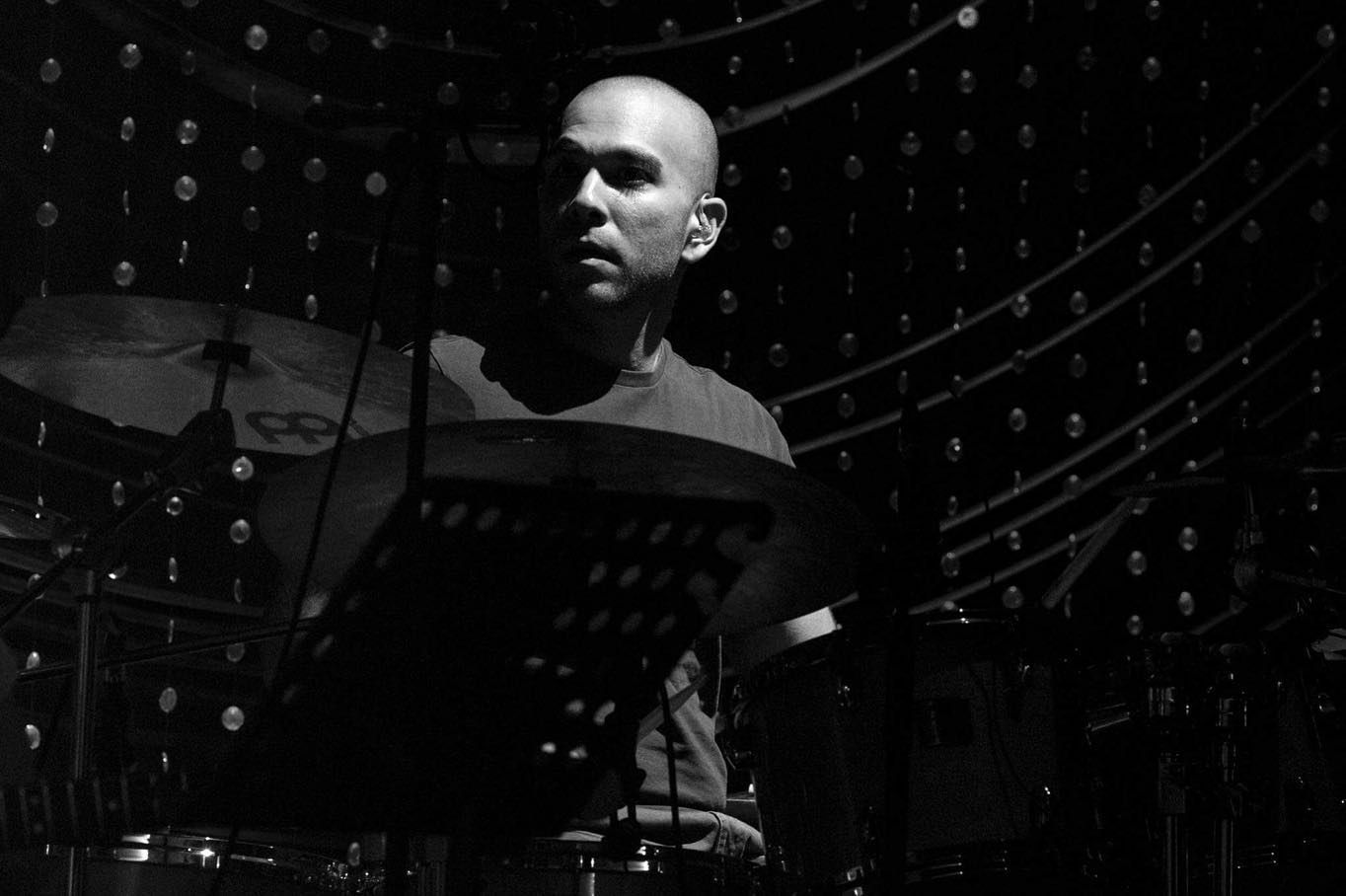
PONG: Unlike performing with a jazz band, playing with a track with a four on the floor, disco vibe.
I have to be mindful that my improvisational idea doesn’t interfere with the original arrangement So my solo ideas has to still relate to the original arrangement of Maarten.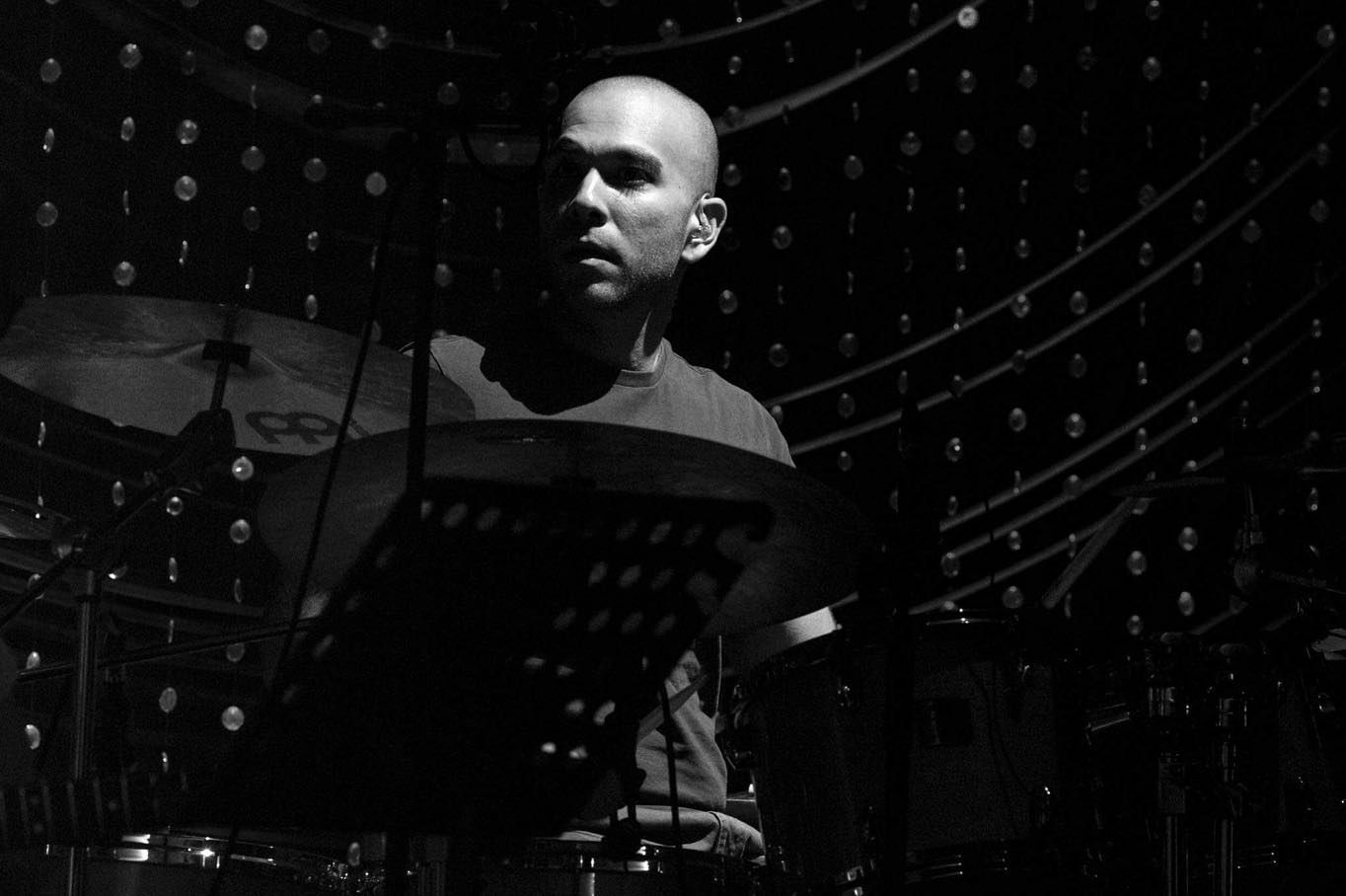
Pong Nakornchai Interview (c) the artist
How would you describe your relationship with your instrument – is it an extension of your self/body, a partner and companion, a creative catalyst, a challenge to be overcome, something else entirely?
PONG: Yes, it definitely is. I feel like it is an extension of my body.
As an artist myself, it is a lot easier to express myself emotionally and musically through sounds. I basically love being on instrument so much. It is my sanctuary.
Jazz has always had an interesting relationship between honouring its roots and exploring the unknown. What does the balance between these two poles look like in your music?
Let’s be honest, what is more exciting than the unexplored and unknown!
I believe every time and generation faces their own set of challenges and answers they are seeking for, questions to problems that their external world presents them. We cannot compare today’s world to the one in the 60s or 70s. That is why the colour and shape of JAZZ changes simultaneously with this respective context. Having said that, in the purest sense it is still a conversation between the artist and the higher power, Divine being or whatever you want to name it.
So that conversation will remain timeless, that is the core. The context, techniques and expression of this relationship evolve and changes over time.
How, would you say are your live performances and your recording projects connected at the moment? How do they mutually influence and feed off each other?
PONG: Live performances definitely cannot be replaced by anything. However, I see different platform serves different purposes.
It’s always about who are you speaking to? Large amount of audiences is one approach. Recording in the studio is more of an intimate experience with my fellow artists and to our larger audience that I haven’t met yet.
Are there approaches, artists, festivals, labels, spaces or anyone/-thing else out there who you feel deserve a shout out for taking jazz into the future?
For Thailand specifically I want to shout out Alone Together (Jazz Club) and Wonderfruit Festival which are amazing spaces for experimental Music.
Wonderfruit is a 4 Day happening celebrating Music and Art near Pattaya Thailand. Ive seen so many special artists there from the Rajasthan Express with Shye Ben Tzur, to Island Man, Arp Frique to Tuvan throat singing quartet, Huun Hour Tu. Highly recommended!