Published
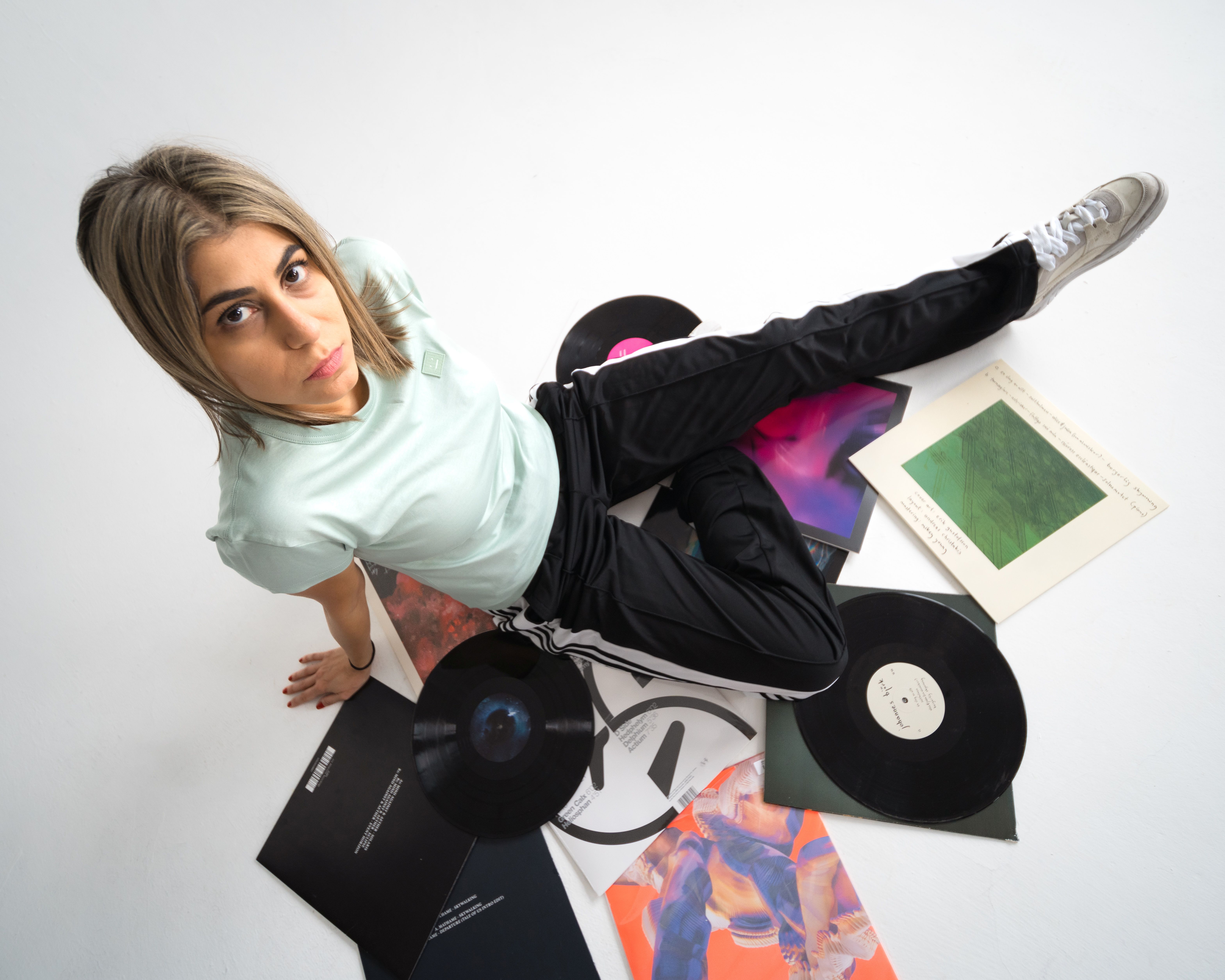
Name: Mana Nabati aka MANTi
Nationality: Iranian, US-based
Occupation: DJ, producer
Current release: MANTi's new EP "Memento" is out via Innuendo.
Recommendations:
1. The Power of Now by Eckhart Tolle – A transformative book that changed the way I approach life and creativity.
2. "Rapture" by Nadia Ali – A track that introduced me to electronic music and continues to inspire me to this day.
If you enjoyed this MANTi interview and would like to stay up to date with her music and upcoming live dates and releases, visit her on Instagram, Facebook, and Soundcloud.
Do you think that some of your earliest musical experiences planted a seed for your interest in DJing? How and when did you start DJing?
Absolutely! Growing up, music was a constant in my life. I spent hours listening to tracks and choreographing routines to my favorite artists. Those experiences gave me an early appreciation for rhythm and melody.
I started experimenting with DJing in 2013, but it was more of a hobby back then. It wasn’t until 2015 that I played my first set in front of friends and a live audience.
That moment was transformative, and it solidified my passion for connecting with people through music.
Today, DJs are rarely just DJs. Very often, they can be producers who are also DJs or DJs who are also producers. Where do you see yourself on this spectrum and what kind of potential issues and cross-pollinations does this create?
Today, being a DJ and producer is just the foundation. To thrive in the industry, you also need to be a content creator, an entertainer, and have a strong business mindset.
I began with DJing and later expanded into production. Over the past two years, my production skills have grown tremendously, and while I’ve enjoyed the creative process, DJing holds a special place for me. It’s where I feel most alive, connecting directly with an audience.
Producing can be more technical and challenging, but it’s incredibly rewarding when the tracks I’ve created resonate with people.
What were some of the most important insights you gained from teachers/tutorials, other DJs, or personal experience? What does it mean to be a “better DJ?”
In my experience, a great DJ is someone who can read and adapt to the crowd. While my productions are rooted in melodic house and techno, my DJ sets often incorporate a variety of styles.
Understanding the environment and creating a vibe that resonates with the audience is key. All my favorite DJs are versatile and have the ability to excel in different settings. That’s a quality I’ve always admired and aim to emulate.
For you, is there still listening outside of looking for music for your next sets? If so, what do you prefer to listen to and how does it possibly nonetheless have an influence on your performances?
Absolutely. I often listen to soundscapes to relax and clear my mind. Podcasts and DJ sets from other artists are also a big part of my listening routine.
I’m always curious to hear what other producers are creating. Whether it’s ambient soundscapes, experimental tracks, or other genres, everything I listen to inevitably influences my creative process.
When digging, what are you looking for? Is the process all about taste for you, or is it about “going beyond taste?”
I’m drawn to tracks with a great groove and originality. While personal taste plays a big role, I also strive to find music that feels fresh and unexpected.
I’m not a fan of playing hit tracks that everyone else is playing. Instead, I’m always looking for hidden gems that allow me to stand out and create a unique experience for the audience.
On the basis of one of your most recent gigs, tell me about how the preparation- and decision making process works during a gig with regards to the inclusion of key records, the next transition and where you want the set to go?
Preparation for a gig involves curating a playlist with far more tracks than the set duration. This gives me the flexibility to adapt to the energy of the crowd in real-time.
I always plan my intro track and keep 3-4 options for the closing track, which I decide on during the show. Depending on the length of my set, I typically include 2-4 of my own tracks, often unreleased, to give the audience something fresh and personal.
There must be endless ways of “matching” two or more tracks. How do you prefer to do it? What makes two tracks inherently “matchable” and what constitutes a great transition?
For me, it’s all about how the tracks sound together sonically. A great transition happens when the blend is so seamless that the audience can’t distinguish between the outgoing track and the incoming one.
When done right, it creates a continuous flow that enhances the overall energy and experience.
How would you describe the experience of DJing, physically and mentally? Do you listen – and deejay - with your eyes open or closed?
DJing is an almost otherworldly experience for me. It’s a moment where I lose myself entirely and feel the happiest.
I usually keep my eyes open but there are moments in a track that make me close my eyes and fully immerse myself in the sound.
Do you engage with audiences/dancers - and how? Taking one of your online DJ mixes as an example, how does the experience and the way you deejay change when you subtract the audience?
I do try to engage with the audience, though it’s something I’m still working on. I tend to get in the zone and focus on the music.
The energy of a live audience is irreplaceable. It creates a connection and dynamic that can’t be replicated in a recorded set. Playing at home lacks that spark, which is why live performances are so special.
Collaboration is a key part of almost every aspect of music making, but it is still rare in DJing. Tell me about your own views on back-to-back DJing, interactions with live musicians or other forms of turning DJing into a more collective process.
I love collaborating with other artists because it’s an incredible learning experience that broadens my perspective on mixing, arranging, and production.
Last year, I had the privilege of working with some of my favorite artists, and I’m thrilled about the collaborations I have planned for this year. I’m also eager to explore more b2b sets, as they push me out of my comfort zone and challenge my creativity.
Âme (DJ) is a master of this and one of my biggest inspirations. He plays b2b with artists from diverse backgrounds while staying true to his unique style. That’s a quality I admire deeply, as many artists tend to lose their identity when paired with someone who has a different sound.
Especially in the light of advances in AI, where do you see the role of humans in DJing versus that of technology? Can AI act as a collaborator or creative stimulus?
AI is an exciting tool that can assist with tasks like track organization, music discovery, and even production. However, the human element in DJing—the ability to read the crowd, create a vibe, and connect emotionally—can’t be replaced.
I see AI as a collaborator and a source of inspiration, but the soul of DJing will always come from the human behind the decks.
Tinnitus and developing hyperacusis are very real risks for anyone working with sound. Do you take precautions in this regard and if you're suffering from these or similar issues – how do you cope with them?
I’m very mindful of protecting my hearing. I use custom earplugs during gigs and try to take breaks when I’m in loud environments.
Hearing is such an essential part of what we do as DJs and producers, so taking care of it is a top priority.
Do you feel as though DJing is inherently different from something like making a great cup of coffee? What do you express through music that you couldn't or wouldn't in more 'mundane' tasks?
DJing is deeply personal and allows me to express emotions and stories that words often can’t capture. It’s about creating moments that resonate with people on an emotional level.
While making a great cup of coffee can be an art in its own right, DJing is my way of channeling creativity and connection.