Published
Name: Marius Neset
Occupation: Saxophonist, composer, improviser
Nationality: Norwegian
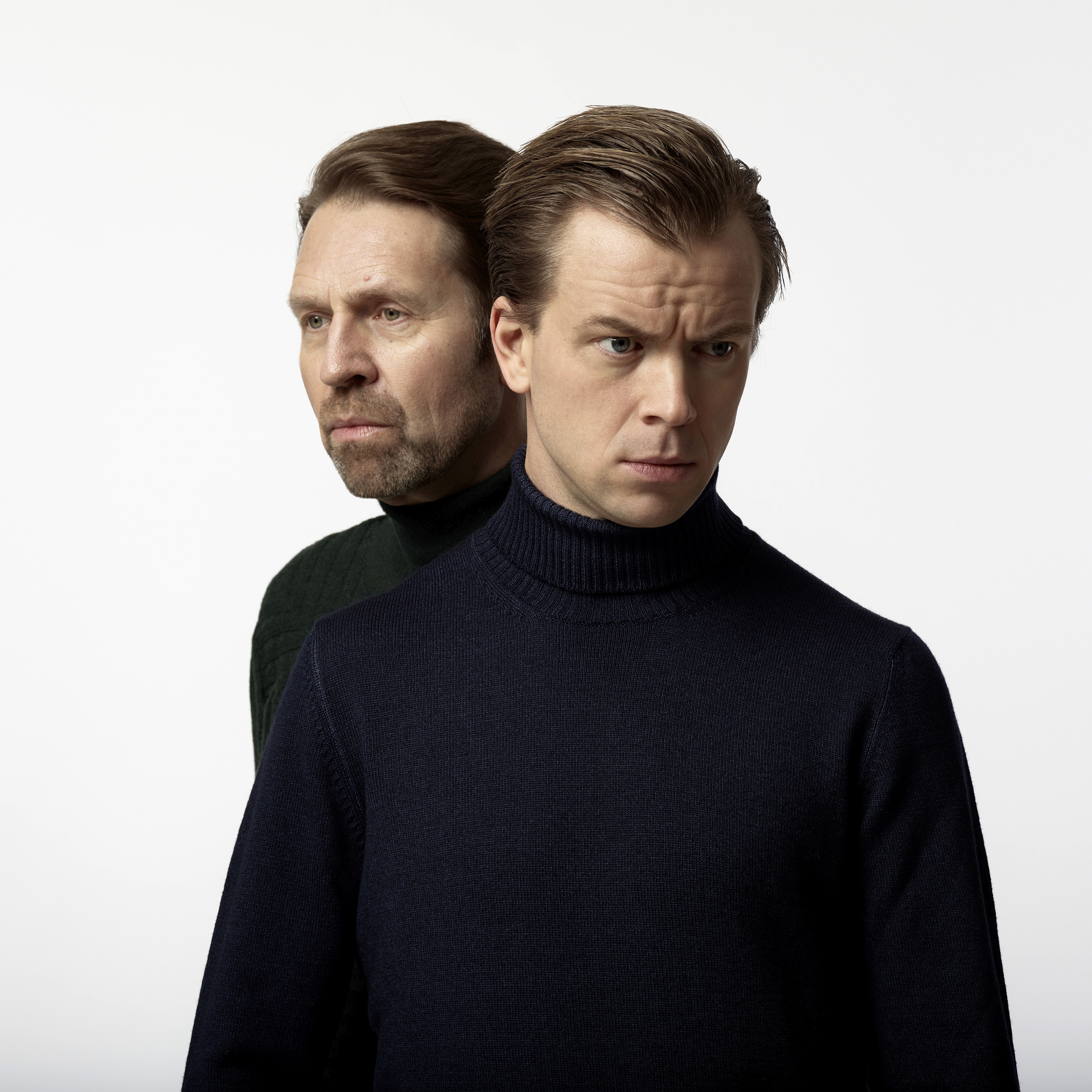
Current release: Marius Neset teams up with Leif Ove Andsnes for Who We Are, out via Simax. The album also features Louisa Tuck on cello and Ingrid Neset on flute.
If you enjoyed this Marius Neset interview and would like to stay up to date with his music, visit his official homepage. He is also on Instagram, Facebook, and twitter.
Where does the impulse to create something come from for you? What role do often-quoted sources of inspiration like dreams, other forms of art, personal relationships, politics etc play?
To me, everything that happens in life is an inspiration to compose music, both consciously and unconsciously.
The ideas to different parts of my music are often born in places where I least expect them to come. I am always making sure to capture the idea when it comes, and then I will gradually develop it into something that makes musical sense, and gradually create a shape that makes it musical interesting and logical to me.
The last place good ideas are being born are often in my practice room. The ideas comes to me from music that I have been listening to, or things that happens in the world, my kids, or anything else in my life. I will bring them to my music room to make something good out of it.
For you to get started, do there need to be concrete ideas – or what some have called a 'visualisation' of the finished work? What does the balance between planning and chance look like for you?
I need some concrete ideas. It doesn’t need to be much, but could be a rhythmic figure, a melodic phrase, or some harmonic progression that is enough info to make me play around with it, being spontaneous with it, but also try to put it into a system, to see if I can find a way that leads towards something.
I can see a goal far ahead, but it’s still exciting how it will develop, and the shape of the piece are being created during the process.
Do you have certain rituals to get you into the right mindset for creating? What role do certain foods or stimulants like coffee, lighting, scents, exercise or reading poetry play?
What I have relised more and more during the years, is the importance to always takt a break from it, and go back to it. Then I have a better point of departure to judge if the shape of the piece makes sense or not.
Ideas often comes to me while outside walking. So I might go for a walk, having the music in my head, and go back to compose. I like to know what to do, or at least to have a plan for what to do when I am back on my composing room.
What do you start with? And, to quote a question by the great Bruce Duffie: When you come up with a musical idea, have you created the idea or have you discovered the idea?
I think all ideas comes from something. I have heard so much music in my life, and unconsciously this has an impact on all music that I write.
Many writers have claimed that as soon as they enter into the process, certain aspects of the narrative are out of their hands. Do you like to keep strict control or is there a sense of following things where they lead you?
I always go where the music leads me, often without any control at all.
I love this balance between the intellectual composing, and the impulsive composing where I just let go. I think both are very important to be able to shape the music as I want.
Often, while writing, new ideas and alternative roads will open themselves up, pulling and pushing the creator in a different direction. Does this happen to you, too, and how do you deal with it? What do you do with these ideas?
Yes, it happens all the time. And I always go with it, see where it can lead me to.
At the end of the day I might throw the whole idea away, but it can also help me to create something great that wouldn’t have come up if I didn’t follow the new, alternativ road. Sometims the alternative road ends up being the main theme in the musical piece, and I might throw away original idea.
The interesting thing is that the new main idea would never exist if it wasn’t for the original idea.
There are many descriptions of the creative state. How would you describe it for you personally? Is there an element of spirituality to what you do?
Actually I think it becomes that when I am getting more and more “caught” by the music … But it is nothing that I strive to get into.
Once a piece is finished, how important is it for you to let it lie and evaluate it later on? How much improvement and refinement do you personally allow until you're satisfied with a piece? What does this process look like in practise?
Very important, not only when the piece is finished, but actually during the whole composing process I have to let it lie and come back to it to evaluate.
After finishing a piece or album and releasing something into the world, there can be a sense of emptiness. Can you relate to this – and how do you return to the state of creativity after experiencing it?
Yes absolutely, you are going so much into what you are doing at the moment, and that makes you feel very empty when it’s finally over. I find myself often wanting to do something quite different when I get back to the music, with is normal in a very short time.
I am lucky that can work with so different musicians from all genres, with so different backgrounds, that makes me very inspired most of the time.