Published
Name: Mark Constantine
Occupation: Entrepreneur, music lover, curator, CEO at Lush
Nationality: British
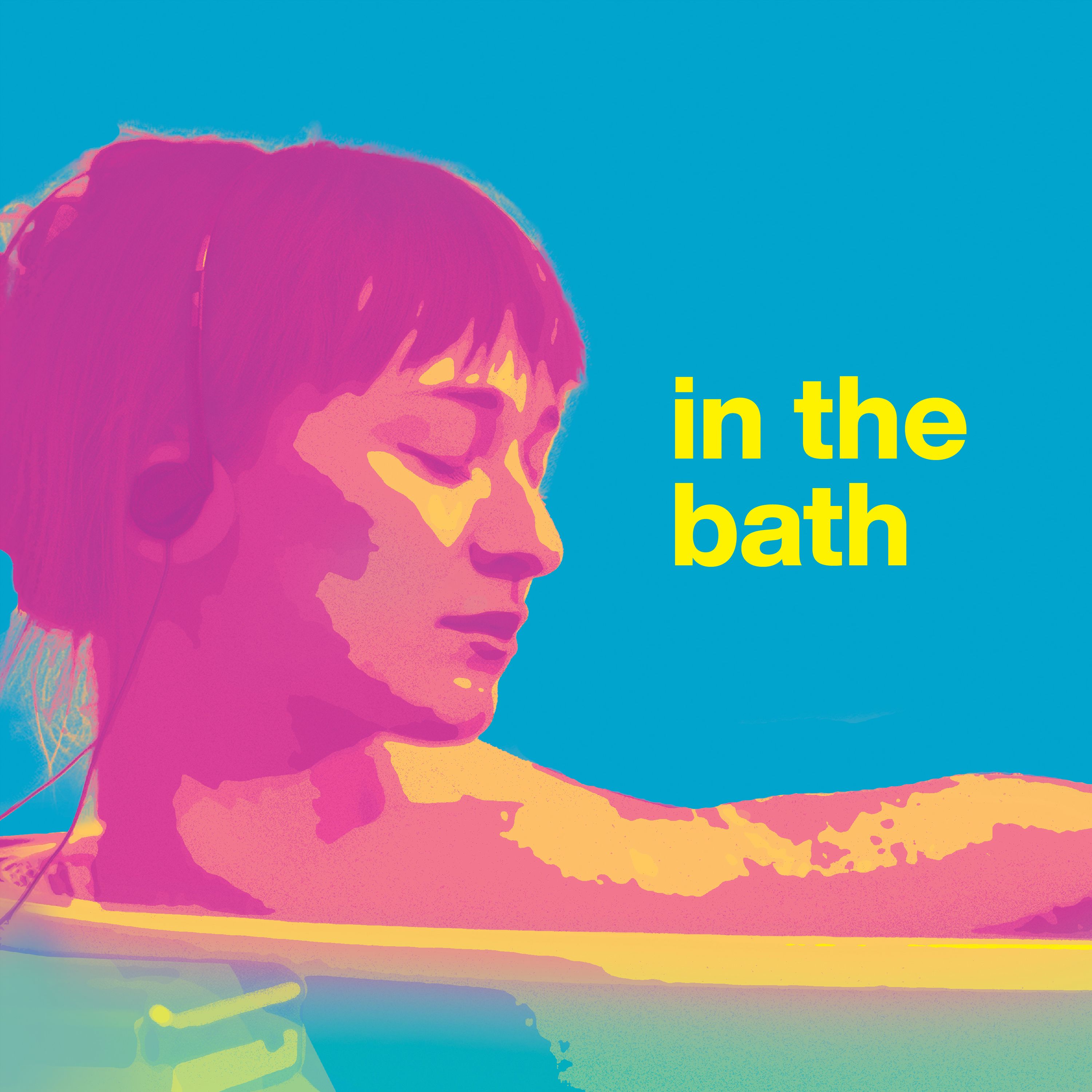
Current release: Lush's new entry in its decade-spanning compilation series, in the bath, focuses on the 90s. As with previous instalments, it features stylistically diverse re-interpretations of popular hits, cult favourites and underappreciated gems. The concept may look conceptual, but it really isn't as Mark explains: "A lot of the time we just love the artists. They are cooperative, collaborative, kind and friendly." Order it directly from Lush.
If you enjoyed this Mark Constantine interview and would like to know more, visit the official Lush website.
Some musicians have told me that playing music, especially with others, has taught them valuable lessons for their life outside of music as well. The same, I'm sure, can be said about listening. How do you feel about this?
There are so many forms of listening, that it is a skill in itself.
For example, there is the hypnotic effect that nature has when you listen to blackbirds singing. Or, when you are deep in conversation with a close friend or your children - there is a great lesson in learning when listening.
There is also the joy you experience when listening to a great album.
Your compilation series has already provided an overview of the 60s, 70s, and 80s. What are some of your own favourite compilations?
The Revola Rock Machine Turns You On has to be the ultimate compilation ever. It is unbelievably good!
Picnic - A Breath of Fresh Air and Fill Your Head with Rock are from the very beginning of when compilations started and I’m still listening to them now.
What were some of the things you learned about the art of compiling while you were putting these together?
Each album has had either an anthem or a rousing track first. Sometimes, it is irresistible to group 3 different folk treatments or 3 quirky headbangers all snuggled together on one side of an LP.
It’s not the same as a tape, podcast or radio programme. It is a beautiful medium all of its own.
How important do you feel is the act of curating/compiling content compared to actually creating the content?
Kirsty MacColl famously curated the track sequencing on U2’s acclaimed breakthrough album The Joshua Tree. Bono once said that it was the best thing they’d ever done due to Kirsty’s work on the sequencing.
That said, some albums, let's say, Songs of Faith and Devotion by Depeche Mode are so perfect that no compilation can ever match them.
In the Bath focuses on the decade I personally grew up in as a music fan, the 90s. How did you experience these years as a whole?
The track curation was autobiographical - I was surprised about how many really strong and moving tracks were part of my 90s. It wasn’t difficult to curate the highlights.
During the 90s, I travelled a lot for birding in Europe or to the States and I would compile tapes to listen to. I would spend the winter listening to music and then the spring traveling with my wife or friends, playing a lot of music on various car stereos.
Another memory is getting up at 4am every day to make cosmetic products in my garage. I had a record player, I would listen to music and make products until about 3pm. I had to make it early in the morning to allow it to cool down and thicken properly ready to be shipped out.
I could make a ton of product a day in 100 kilo batches.
The 90s are often quoted as a time of incredibly fast developments and astonishing creative progress. Do you think that progress is actually possible in music, similar to how it is possible in cosmetics, packaging, etc?
I think the progress made in music is often hidden away.
When you talk about progress it can be in various different forms. It can be Frank Carter or Bob Dillon and very fragmented. Laura Marling is so melodic and genuine.
Or K-Pop, my favourite band is Blackpink - It may not be to your taste but it is innovative.
There has historically been a very close relationship between the fashion industry and the music industry. What are some of the synergies and parallels you observe with the world of cosmetics and these two?
The connection between scent and sound is vibrant, obvious, logical and essential. I doubt if I could do perfumery without songs. I’ve recently been working on a perfume called Trailerhood set to a background of country music.
Or, if we take “Chelsea Morning” by Joni Mitchell and you look at the lyrics, it is very easy to smell the bath bomb we created.
Sometimes it is just too irresistible and sometimes it is because of my synaesthesia. Our Karma perfume, which we’ve been selling for 30 years, was just a manifestation of Radiohead’s “Street Spirit“ with creamy notes all jammed together.
Icon perfume was inspired by Massive Attrack’s “Protection.” It had to be deep and meaningful with little light moments springing out of the fragrance when it hits the temperature of your body.
Blue Skies and Fluffy White Clouds is a patchouli and frankincense scented bubble bar inspired by The Orb’s “Little Fluffy Clouds.” The bubbles are the clouds, the water is the sea and the perfume is trippy.
I was so delighted when a member of The Orb came in and bought some.
It is almost easier to do music as perfume than it is music as music - certainly for me not being musical.
Creativity can reach many different corners of our lives. Do you personally feel as though writing a piece of music is inherently different from something like developing a great cosmetics product?
Yes, because I think it is much easier to transfer music into a product because I’m being inspired by someone else’s creativity. Whereas, when someone creates an original piece of music, whilst they might be inspired by something, they have to be careful not to plagiarise someone else’s work.
When I’m being inspired by music I’m just moving the genre across one. I can create a Blue Skies and Fluffy White Clouds bubble bar and nobody minds.
The way I understand, you're also deeply interested in birds and bird song. Based on your thoughts, experiences, examples, or intuitions, do you think it is possible that examining animal signals will at some point lead to understanding and, eventually, communication? Do you think ecological goals could benefit from this?
Bird song and the human vocabulary develop in a very similar way.
All of the modern research into bird sound involves neuroscience. Understanding how the brain interacts, in the bird's case with the syrinx and in our case the vocal chords. This science is rattling along at one hell of a pace and we will probably learn more in the next 5 years than we’ve ever known.
An interesting book to read would be Neuroscience of Birdsong published by Cambridge University Press.
Being exposed to the richness of the world of animal sounds can be an intense experience. How has listening to animals changed your views on various topics? (ecology comes to mind, but there may be more)
I have to be honest, it’s a complete love affair between me and bird song. I’m deeply in love with birdsong.
The blackbird singing in my garden is heaven and it’s in my own garden. I don’t have to go anywhere, I don't have to do anything. I just open the doors and listen.
It is emotional. I get really uptight about the declining numbers of nightingales - imagine after all these years of having nightingales in Britain, we woke up one day and there were none left.