Published
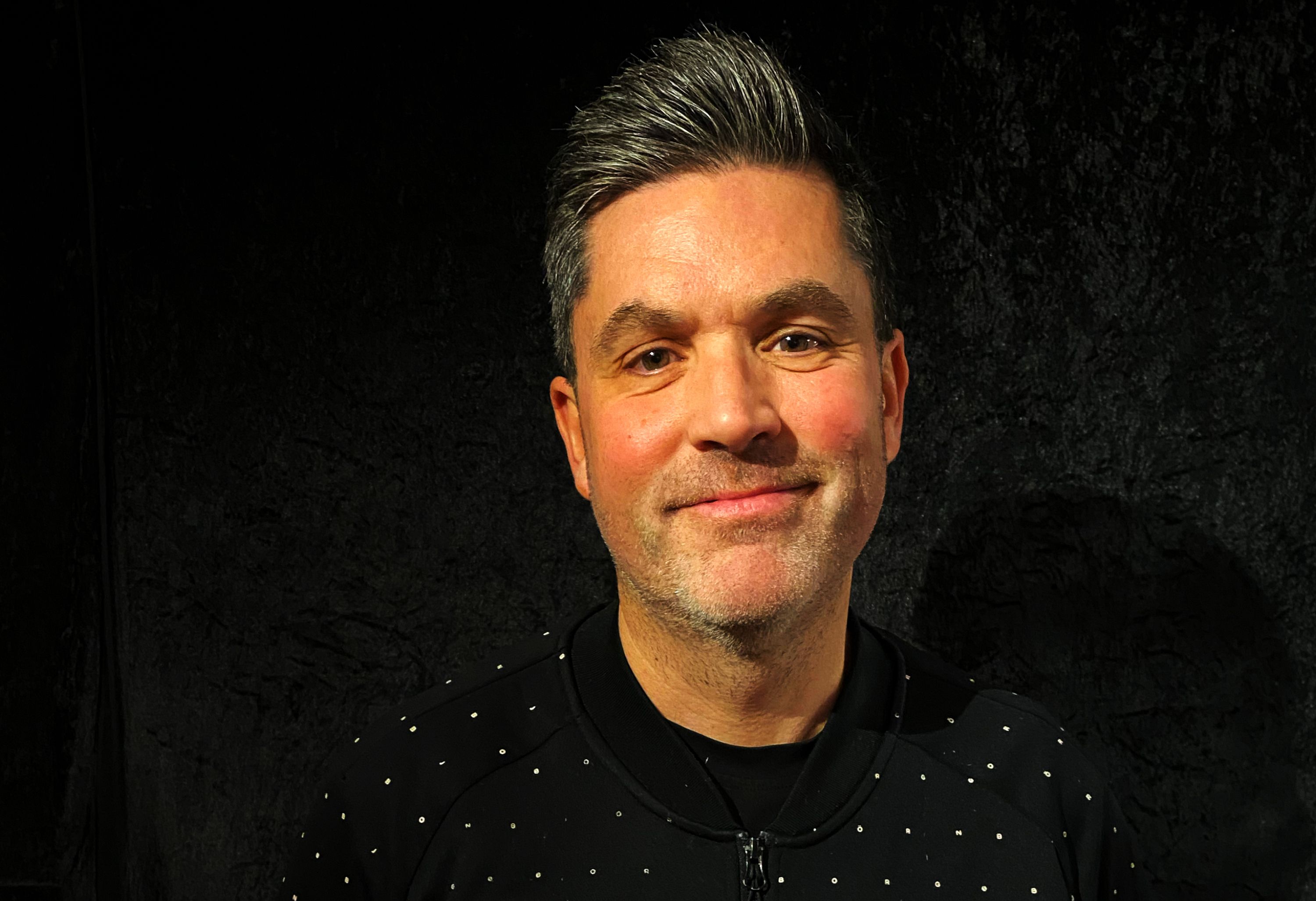
Name: Martin Brodin
Nationality: Swedish
Occupation: Producer, DJ, remixer, label founder at MB Disco
Current release: Martin Brodin's Midnight Love Affair EP is out via MB Disco.
If you enjoyed this Martin Brodin interview and would like to stay up to date with his music, visit his official MB Disco homepage. He is also on Instagram, Facebook, and Soundcloud.
In 2023, disco seems to be everywhere. What makes this music so incredibly timeless and which of the current wave of commercially successful artists do you personally appreciate as well?
Disco has this timeless quality—it always manages to feel nostalgic but also fresh. I think it’s because the grooves, the energy, and the feel-good vibes just connect with people, no matter the time period. Plus, it’s a flexible genre; you can blend it with modern production and it still works, which helps keep it relevant today.
As for current artists, I really admire what Purple Disco Machine and Todd Terje are doing. They’ve nailed that balance between honoring the classic sound and pushing it forward.
[Read our Purple Disco Machine interview]
DJ Koze, too, in his own quirky way, brings something fresh while still giving a nod to the roots of the genre. It’s awesome to see how they’re keeping disco alive and evolving.
Do you still remember the first time you discovered disco for yourself? What drew you in?
I was definitely exposed to disco during my parents' home parties, with music from Boney M, Baccara, and ABBA filling the room. But none of that really grabbed my attention at the time. It wasn’t until later in life that disco truly caught my ear.
I remember being at this nightclub called Mantra in Copenhagen, sometime in the late 90s. Mateo & Matos were playing—those legendary guys from the US House scene—and they were absolutely killing it with a mix of Deep House and Disco House. Then, out of nowhere, this track drops with a sample of "Dr. Love" by First Choice, and it just blew my mind.
The energy in the room shifted, and something clicked for me right then and there. From that moment on, I dove headfirst into the world of disco music and never looked back.
Why is disco such a great and rewarding area for you personally as an artist? From your point of view, what of your personality and individual approaches do you add to the classic sound?
For me, disco is such a rewarding space because it blends the best of both worlds—there’s this deep sense of nostalgia, but at the same time, it gives you the freedom to experiment and push boundaries. The music has this raw emotion and energy that connects people, and there’s something about its timeless quality that keeps pulling me back in.
When I approach disco, I try to respect the roots of the genre while giving it my own spin. I love drawing from the sounds of the 70s and 80s, but I also want to bring something fresh to the table, whether it’s through modern production or unexpected collaborations. Remixing “The Chase” by Giorgio Moroder was a great example—I kept the essence of the original but updated it for today’s audience. That track has been a personal highlight.
I think what I bring to the genre is a mix of that deep appreciation for its history with a willingness to experiment. I’m always looking for new ways to push the sound forward while still keeping it true to its core. For me, disco isn’t just about the past—it’s about taking it somewhere new.
In Sweden, disco has a particularly strong tradition, from the 1970s onwards. Tell me about your perspective on it, please. What is the relationship between the original American disco and your own take on it?
I get this question a lot, and honestly, I think a big part of it comes down to the success of ABBA. They were definitely influenced by American disco but put their own spin on it, focusing more on songwriting and crafting really strong melodies. It gave their music a more accessible, maybe even more "radio-friendly" disco sound.
That said, I think it's a bit of a misconception that disco was huge in Sweden. Sure, it had a moment, and the tracks that made it onto the charts or got radio play had that poppy, polished feel. But overall, disco wasn’t taken seriously by critics or the media back then—it was seen as too lightweight or mainstream.
To be honest, I can't really think of any major Swedish bands or artists from that era who made a big mark in disco. The more interesting stuff came later, with producers sampling disco and working it into House music in totally new ways. That’s when things got exciting for me too.
What defines disco for you?
For me, disco is all about the way it just makes you want to move. It’s the groove – the pulsating basslines, the lush sounds, and that rhythm that you just can’t resist. Disco gives this feeling of freedom, where both the music and the dance floor let you really express yourself. It’s that mix of soulful melodies and driving beats that keeps people connected, and it always lifts the spirit.
Disco kind of goes beyond time, because at its core, it’s all about joy, togetherness, and just that pure need to dance.
I find it fascinating that disco, even more perhaps than rock, has always had an entirely universal appeal and animated musicians as far away as India or Africa to make music in this style. What is it about disco that makes people everywhere like it?
Disco’s global appeal really comes down to its rhythm and groove. There’s something about that steady, driving beat that just clicks with people no matter where they’re from. The four-on-the-floor rhythm is super simple, but it’s also incredibly powerful—you can feel it instantly, whether you’re dancing at a club in New York, a street party in Lagos, or a festival in Mumbai. What makes disco even more universal is how it blends funk, soul, and different kinds of world music, so it naturally connects with different cultures.
And at the end of the day, disco is all about celebration and joy. It’s feel-good music, and that’s something everyone can get behind, which is why we still see its influence today.
What’s even cooler about disco is how easily it adapts. Artists from all over the world have taken that core sound and mixed it with their own styles—whether it's adding African rhythms, Bollywood orchestration, or Caribbean beats. It gives different cultures a way to put their own spin on disco, but the energy, the joy, and the movement stay the same.
That’s why people from so many different places connect with it. Disco speaks to both the soul and the body, and that’s a language everyone understands.
Disco has always been negatively compared as a purely hedonistic music compared to the supposed “seriousness” of rock. How do you see that yourself?
Honestly, I think that whole argument is complete nonsense. How can anyone seriously say one type of music is more "serious" than another? It's such a narrow way of looking at things, and it just discredits an entire genre because some people don’t get it. Not everything has to revolve around rock music or fit into this idea of being "serious" to be important. Disco has its own depth—whether it’s the production, how it brings people together, or how it reflects the culture of its time.
And let’s not forget, rock was once considered rebellious and wild too. The fact that people now hold it up as the benchmark for "serious" music is kind of funny. Plus, has rock even evolved that much in the last 50 years? Meanwhile, disco has been sampled, remixed, and reinvented in so many different genres—house, pop, electronic, you name it. It's still influencing music today. So calling it purely hedonistic is just lazy thinking.
At the end of the day, music is about connection—whether it makes you feel something deep, lets you escape, or just gets you to dance and have a good time. Disco does that. It makes people feel good, and there's nothing wrong with that. Who’s to say that’s any less valuable than a heavy guitar solo or a deep lyric?
For many dance producers, the goal is simply entertain people and make them dance. On the other hand, there have been groundbreaking experiments in disco – from “I need love” to “Love to love you Baby.” Which of these interest you and how much room for experimentation is there in your own work?
My main goal is to create music that I genuinely enjoy and feel proud of. It’s not always about making something strictly for the dance floor—though, to be fair, a lot of the time it is. But ultimately, I’d rather produce tracks that I personally love to listen to, instead of just chasing what I think the masses might want.
For example, my next remix—coming out on my label MB Disco on October 11th—is a rework of Giorgio Moroder’s “I Wanna Rock You.” It’s got a bit more of an experimental twist, blending breaks, disco, and pop vibes. It’s definitely a different approach, but that’s what excites me about it.