Published
Name: Max Ionata
Nationality: Italian
Occupation: Saxophonist, composer, improviser
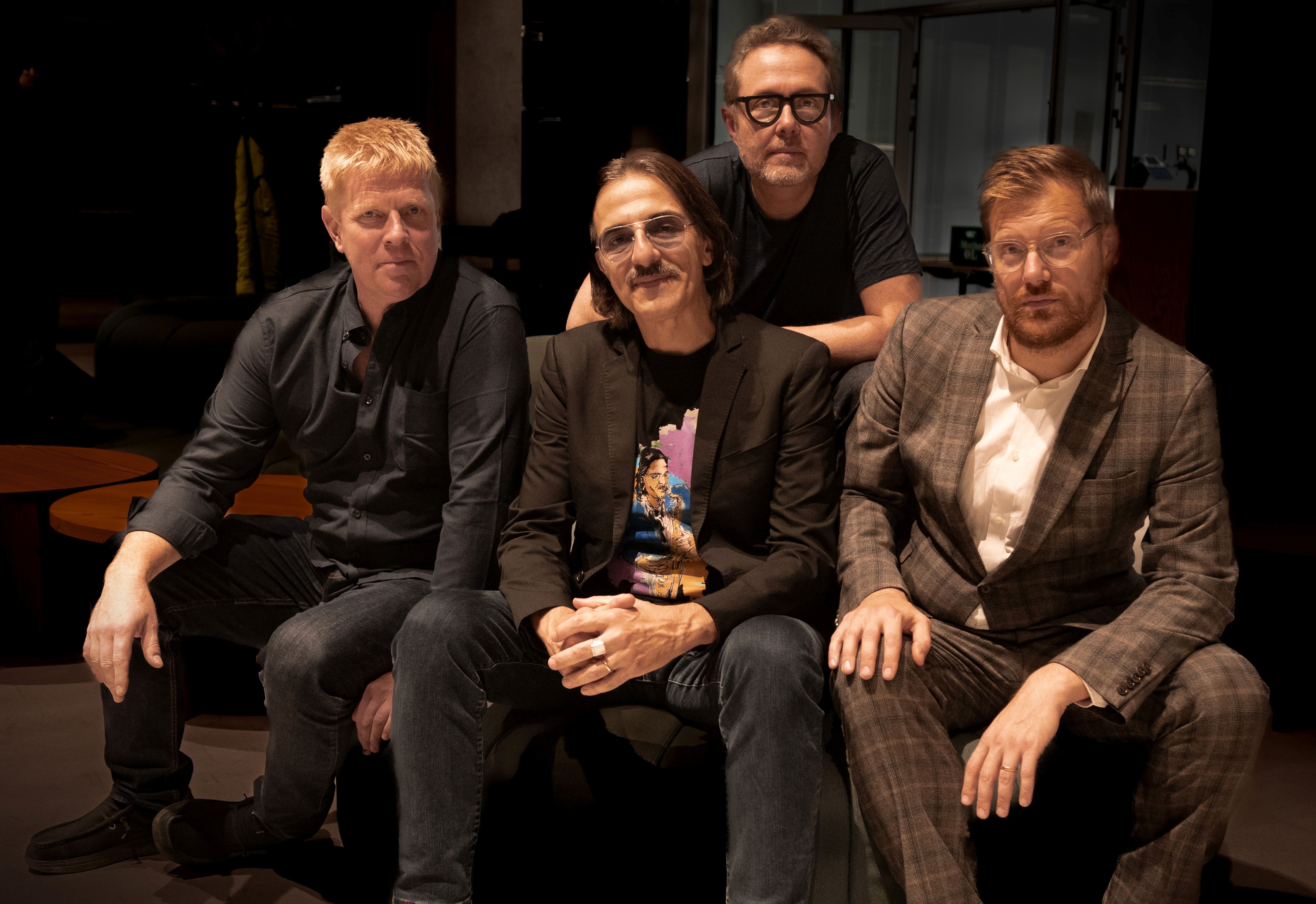
Current release: Max Ionata's new album Tivoli is out via Mingus. Next to Max, it also features Jesper Bodilsen, Martin Sjöstedt, and Martin Maretti Andersen.
Recommendations for Italy: I’m Italian! It’s really hard to choose just one place, because Italy is wonderful everywhere! Every city, every street, every corner has its own charm, history, and atmosphere. I would say just come and explore — you’ll discover beauty, food, and culture around every turn.
Things I am passionate about but rarely get to talk about: I love cooking, going on long bike rides, and yes — playing on my PlayStation. It’s my way to relax, have fun, and sometimes even get a little competitive … all far away from the saxophone, but it keeps life playful and creative!
If you enjoyed this Max Ionata interview and would like to stay up to date with his music, visit his official homepage. He is also on Instagram, and Facebook.
What were some of your earliest collaborations? How do you look back on them with hindsight?
All musical collaborations teach you something.
I remember the very first groups I played with, back in school, where I not only played the saxophone but also sang. We rehearsed every day with a passion and intensity that, honestly, I rarely see in young musicians today.
Looking back, those early experiences taught me discipline, curiosity, and the joy of making music together — lessons that still guide me in every project.
How did this particular collaboration come about?
This collaboration grew very naturally. I had already been working with Jesper Bodilsen and Martin Andersen for several years — we recorded the trio album LIKE and toured it across Europe.
That experience created a very strong musical bond.
For the new album, I wanted to expand the palette and deepen the harmonic landscape, so we invited Swedish pianist Martin Sjöstedt. Martin is a brilliant musician, and the connection was immediate.
With him, the trio evolved into a true quartet — fresh, balanced, and incredibly inspiring.
What did you know about each other before working together? Describe your creative partners in a few words.
With Jesper and Martin Andersen, the history goes back years. I know their musical personalities intimately: Jesper’s lyricism and sense of melody, Andersen’s sensitivity and rhythmic precision.
I had known Martin Sjöstedt mostly through his reputation and some encounters on the European scene. Once we started playing together, I discovered a musician with great clarity, elegance and an exceptional harmonic awareness.
In a few words: lyrical, generous, and deeply connected musicians.
What do you generally look for in a collaborator and what made you want to collaborate with each other specifically?
I look for musicians who listen, react, and put the music first.
With Jesper and Andersen, I already had that foundation from the LIKE project. Adding Martin Sjöstedt felt completely natural because he shares the same values and approach.
He brought a new dimension to the sound — a wider harmonic field and a very poetic touch.
Describe the process of working on your latest release. What was different from your expectations and what did the others add?
Because of our history together, I knew the session would flow effortlessly.
What exceeded my expectations was how naturally Martin Sjöstedt integrated into the group. He added depth, clarity and a Scandinavian elegance that shaped the identity of the entire album.
The quartet felt like it had always existed — the chemistry was immediate.
Is there a piece that particularly shows your different contributions?
“Tivoli,” the title track, really shows how the quartet functions.
My melodic ideas interact with Jesper’s warm bass lines, Andersen’s subtle rhythmic textures, and Martin Sjöstedt’s harmonic sensitivity.
Each voice is distinct, but together they create a unified, atmospheric sound.
Best collaborations: more similarities or more differences? And what happens outside your comfort zone?
Both can work, but differences often push you into new territory. When someone takes me out of my comfort zone, I try to embrace it — that’s where growth happens.
With this group I felt both comfort and challenge, which is the perfect combination.
Decisions between creatives often work without words. How did it work here?
Exactly like that — without speaking too much. A look, a breath, the way someone attacks a note … everything communicates.
We trusted those signals.
Compromise vs standing by one’s convictions: how did you handle it in this collaboration?
For me, compromise is not a weakness — it’s part of being a mature musician. But there is a line: you must protect the soul of the music.
Luckily, we never had real disagreements. If something didn’t feel right, we simply tried another way until the music spoke clearly.
Was this collaboration fun – does it need to be?
Yes, it was absolutely fun. And I think joy is essential. You can make serious, emotional music while still enjoying the process.
When there’s no joy, music becomes heavy — and you can hear it.
Did this collaboration change any part of your process or outlook?
Yes, it reminded me of the importance of space and transparency in sound.
It pushed me toward an even more lyrical and essential approach.
Collaborating with one's heroes … any experience?
Yes, I’ve been incredibly fortunate to collaborate with some of the American musicians I’ve long admired, including Robin Eubanks, Reuben Rogers, Clarence Penn, Lenny White, Billy Hart, Alvin Queen, Joe Locke, Steve Grossman, Dado Moroni, Mike Stern, Bob Mintzer, Hiram Bullock, Joel Frahm, and many others.
Playing with them was both thrilling and inspiring — it can feel intimidating at first, but very quickly the music takes over. These experiences taught me so much about listening, spontaneity, and musical honesty.
Working alongside artists you respect deeply is a unique opportunity to learn, grow, and still find your own voice within the conversation.