Published
Name: Miriam Hanika
Nationality: German
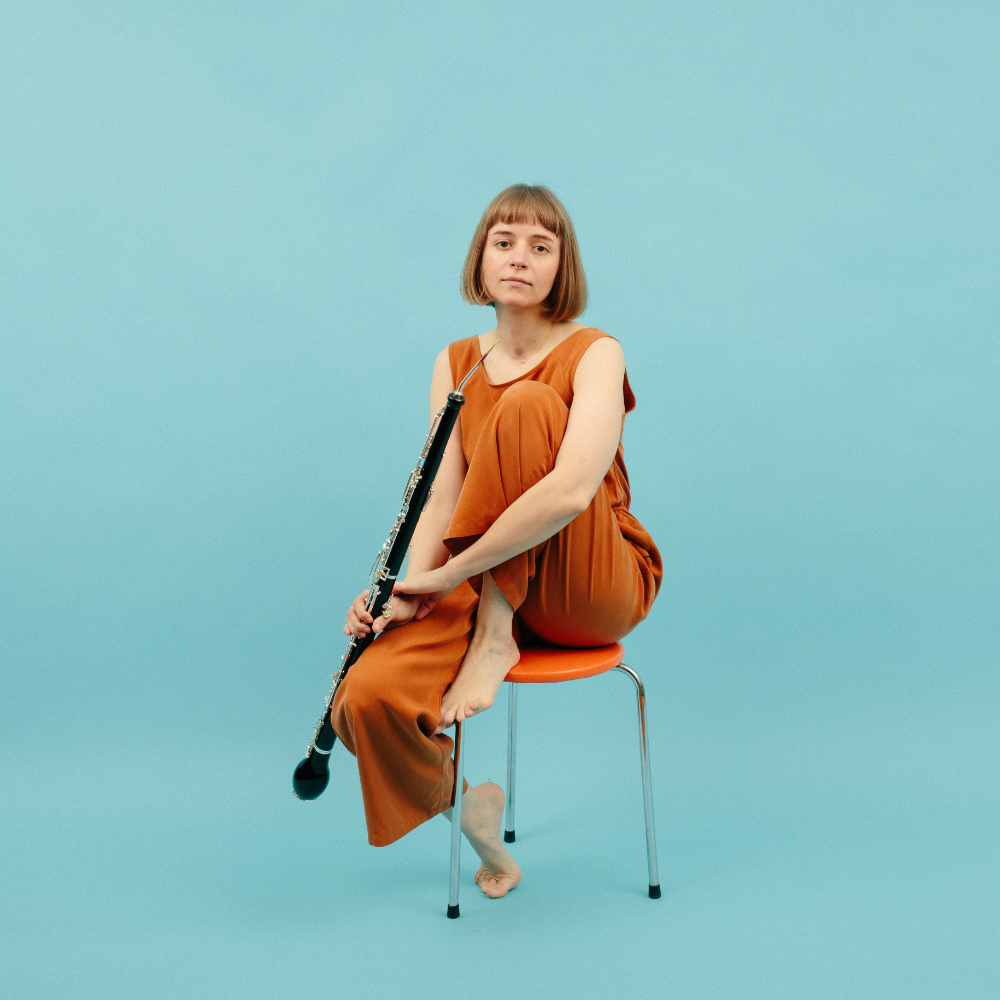
Occupation: Oboist, singer, songwriter, composer
Current release: Miriam Hanika's new album Innenleben is out now. Oder the album directly from her webstore.
Recommendation for Munich, Germany: If you come to Munich, make sure to take a nice walk along the Isar River near the zoo. I love this green area — it’s such a peaceful and beautiful spot.
Topic that I am passionate about but rarely get to talk about: I’m really passionate about my oboe. I consider myself a pioneer in using the oboe as a main instrument in so-called pop music, which is quite unusual. I wish more people would break out of traditional boxes and be open to new sounds and combinations.
The oboe has such a unique, expressive voice, and I love exploring how it can fit into different musical styles. It’s something I don’t often get to talk about, but it’s a big part of who I am as an artist.
If you enjoyed this Miriam Hanika interview and would like to stay up to date with her music, visit her official website. She is also on Instagram, and Facebook.
When it comes to experiencing strong emotions as as a listener, which albums, performances, and artists come to mind?
One of the most powerful performances I’ve ever experienced was Reinhard Mey at the Olympic Stadium in Munich. Just one man with a guitar in front of 9,000 people – no showy performance, yet it was incredibly moving.
As for albums, I know so many amazing records that it’s honestly too hard to pick just one.
There can be many different kinds of emotions in art – soft, harsh, healing, aggressive, uplifting and many more. Which do you tend to feel drawn to most?
I hope that my songs cover all those existing emotions. But I’m definitely drawn to the softer ones.
I’m always searching for something that unifies without trying to please everyone – and I think that whispering can be much more powerful then screaming.
I have had a hard time explaining that listening to death metal calms me down. When you listen to a song or composition, does it tend to fill you with the same emotions – or are there “paradoxical” effects?
I get really angry when listening to German Schlager.
Although this music is produced to make you feel happy, it has the exactly opposite emotional effect on me.
In as far as it plays a role for the music you like listening to or making, what role do words and the voice of a vocalist play for the transmission of emotions?
Words are very important to me – actually, just as important as the music itself.
Poetry and music make such a great combination, and nothing touches me more than good lyrics and good music combined.
When it comes to the voice, I love it when singers really tell a story. So for me personally, it doesn’t have to be a perfectly trained vocalist performing a song, as long as you can feel and follow the emotions.
When it comes to experiencing emotions as as a creator, how would you describe the physical sensation of experiencing them? [Where do you feel them, do you have a visual sensation/representation, is there a sense of release or a build-up of tension etc …]
It’s so hard to describe, but so far this is the most uplifting, most spiritual feeling I’ve ever experienced in my life. When everything falls into place and you create something in the moment that feels truly authentic – free from any expectations.
It feels like you could die and not regret anything.
When it comes to composing / songwriting, are you finding that spontaneity and just a few takes tend to capture emotions best? Or does honing a piece bring you closer to that goal?
Composing is rarely a process of minutes. Sometimes you’re lucky, and a song with perfect lyrics, chords, and melodies comes alive in half an hour. But normally it takes more time, especially when it comes to lyrics.
It also depends on how long you’ve been active as an artist. When I wrote my first album, everything was new and the possibilities seemed endless. They still are – but now I have to look closer to explore something new inside myself.
When it comes to recording, I’m a big fan of first takes, though. If something takes too long, it’s probably not the right time to record it
How much of the emotions of your own music, would you say, are already part of the composition, how much is the result of the recording process?
I’d say about 90% of the emotions are already part of the composition.
For Innenleben, what kind of emotions were you looking to get across?
It’s not that I’m looking for something. I just capture what is inside me and out there.
When I try to plan something, it usually doesn’t work out for me.
How do you capture the emotions you want to get across in the studio?
The emotions are connected to my lyrics. So if the circumstances are right, I usually feel the emotions again every time I sing the song.
What role do factors like volume, effects like distortion, amplification, and production in general for in terms of creating the emotions, energies or impressions you want?
I try to keep things as natural as possible. I’m a classically trained musician, and even though I don’t always want people to hear that, I’m drawn to sounds connected to real instruments and musicians.
Don’t get me wrong: I admire people who are experts with all sorts of effects, and I’ll probably give it a try in the future since I recently found a way to use effects with a pickup on my oboe.
In terms of emotions, what changes when you're performing live on stage, with an audience present, compared to the recording stage?
Basically, I allow myself to be spontaneous. It’s no longer important to me to do everything “right,” but to take risks from time to time.
Playing live is intense, and the feelings I have change a lot depending on the audience.
What kind of feedback have you received from listeners or concert audiences in terms of the experience that your music and/or performances have had on them?
People are usually very touched and often quite surprised.
As a singing oboist, I combine two things that most people don’t expect to hear together. Many who haven’t been to one of my concerts can hardly imagine what that means, and some even expect something strange or unusual. But the feedback I receive is always deeply positive and meaningful.
Listeners often tell me that the combination creates a unique emotional experience that moves them in ways they didn’t anticipate. It’s rewarding to see how my music can open new perspectives and connect with people on such a personal level.
Would you say that you prefer to stay in control to be able to shape the emotions or do you surrender to them and allow the music to take over? Who, ultimately has control during a live performance?
Both. You need the fire inside you, but also the strength to keep it under control.
I think art in general is channelled emotions.
The emotions that music is able to generate can be extremely powerful. How, do you think, can artists make use of this power to bring about change in the world?
For me, there are two aspects: first of all, the lyrics. If you use lyrics in your music, that is a very powerful tool — too powerful to only sing about topics that might please everyone. Sometimes, I want to be uncomfortable in what I sing because I know that, combined with music, people will still listen and not be driven away just because it’s uncomfortable.
The other aspect is your public appearance. I use social media to share my thoughts, my view of the world, and how the world connects to my lyrics and music with my followers.