Published
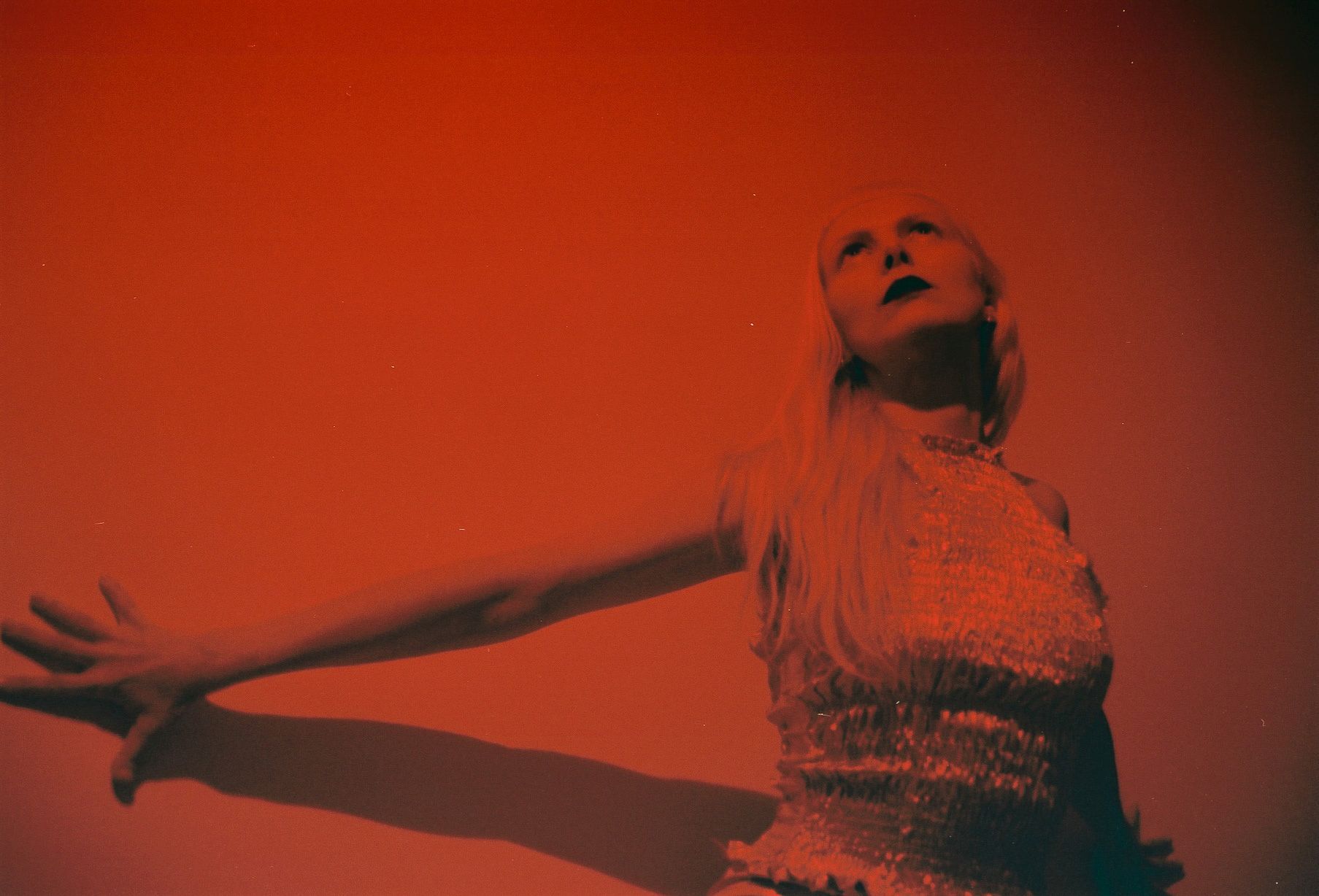
Name: Live Sollid Schulerud aka Mörmaid
Occupation: Producer, songwriter, vocalist, performer
Nationality: Norwegian
Recent release: Mörmaid's album Pearlescent Dark is out via Beat Palace.
If you enjoyed this Mörmaid interview and would like to know more about her music and upcoming live dates, visit her on Instagram, Facebook, and bandcamp.
For a deeper dive, read our Mörmaid interview about production, technology, and creativity.
I was intrigued to find out you have a background in jazz. Can you take me back to that time in a little more detail? How is jazz, do you think, still influencing your current productions?
Jazz has been part of my life since I was little. My dad is a jazz musician, so it was basically always there.
I didn’t really start properly exploring it myself until my late teens, but then I really went for it. I did everything from classic jazz tunes to super experimental free improvisational stuff. Then, when my music slowly moved towards electronic and pop, I feel like a lot of what I learned from jazz stayed with me. When you improvise with others, for instance, you get into this really intense listening mode - it’s like you forget a bit about yourself and focus on only what’s happening in the ‘energy field’ between the musicians.
Even now, when I work alone a lot, that listening mode and attention to detail feels present. I also use a lot of improvisation when I play live, for example in transitions between songs, and I give my band mates room to do the same.
For many electronic producers, working with bands is a nuisance rather than a joy, yet undeniably some groups have created incredible music – how do you see the pros and cons yourself?
I’ve played in a lot of different bands and ensembles through the years. Mörmaid started as a solo project and still is, and with the exception of the show I did with Katrine and Bård, I’ve only recently introduced a live band into the mix. I’m joined by two very talented vocalists and effect processing wizards, Eir Vatn Strøm and Hedda Hammer Myhre.
I feel that playing solo gives you a lot of freedom, and for me it feels good to have control. At the same time it can be really scary, for the same reason - you have all the control, so everything relies on just you! It’s also sometimes quite practical to play solo in terms of logistics around gigs, travelling with less gear etcetera.
Having other musicians with you means letting go of some of that control, and I think that’s healthy and ultimately good for the development of the music. It makes everything more organic in a live setting, and it’s great to have actual people on stage to play with and get new impulses every time, instead of hearing the same backing tracks over and over.
I also think the community aspect of it is important. Hedda, Eir and I have so much fun together - I rarely laugh as much as I do with them! And I think that chemistry gives a lot to the music as well. It might be more work to have a band in some ways, but I think it’s completely worth it.
You've voiced concern that your music might be “too weird.” And yet, producer Jakob Bergson (aka Taut) told me: "There’s a tremendous structural freedom in electronic music - if you choose to take advantage of it." Would you say this freedom – which can open the door into true (and actually inspiring) weirdness – that drew you into electronic music?
I’ve always been drawn to music that has different degrees of “weirdness” to it, and you can find a lot of that in the world of electronic music. That said, my music taste is really eclectic, and I find inspiration in lots of different genres.
Generally, music I end up loving often has this extra level of detail, these little surprises woven into the production that keep me intrigued. I think for instance Jon Hopkins does this extremely well. His initial ideas and themes are mostly quite minimalistic, and then he develops them with beautiful and carefully crafted sound design that makes everything breathe and feel organic.
Tell me about how you make use of improvisation in electronic music – a genre where often, a “one take” is already considered a “performance?”
I come from a world where everything is very much “live”. In jazz, you mostly record everyone playing together in the same room, do a few full takes, and choose the version that felt the best in the end. In pop it’s the complete opposite - you record layers upon layers, and you can stitch one lead vocal together from maybe 50 different takes.
I feel like I’m somewhere in between. I absolutely love all the creative possibilities you have with recording and music production, layers, overdubs, effect processing etc. But I also sometimes record longer sections that I keep as they are, if I felt like it had a special nerve. And I improvise a lot all the time when I make music and come up with new ideas, especially with my voice.
I love using it in all layers of the music, not just for melody and lyrics. I spent a lot of time in uni experimenting with super weird vocal improvisation and “extended techniques”, and that’s still something I do a lot in the creative process.
You recorded at Ocean Sound Recording Studio, a place know for its jazz clientele and unique vibes.
I actually only went there to mix the album, so all the recording had already been done.
Ah, I see. What do you still remember about the mood and the time there? What of the wide range of tools and instruments available there did you make use of?
I was in the smaller studio that is mostly used for mixing and mastering, which also has an atmos setup (that I would love to explore at some point!). The listening environment there is amazing, and I felt like I could really trust what I heard and work with it.
The whole place is also incredibly beautiful with the nature and the open ocean. I went for a walk on the nearby beach every day. It was the week before Christmas, so I remember there being lights and decorations up in their offices and stuff, and that was super nice and vibey, and the people there are lovely.
It was an intense week of working almost non stop from early morning to late evening, but I really enjoy getting into something that deeply, and it helped to be somewhere far away from distractions and obligations. I’d definitely want to go back.
You mentioned that you find it sad not being able to listen to albums all the way through anymore. Did you still build yours like one?
I still really value albums and I do my best to listen to them all the way through when I can. Sometimes I consider digging up my old iPod and using that to listen to music instead of my phone. I also had a period in uni where I walked around with an actual Discman! I sound super old now, but this was in like 2017 or something, haha!
I really don’t like the way platforms like Spotify are set up, it’s very much all about playlists and shuffling and it scatters my focus. Also, as we all know they pay next to nothing to artists, so in an ideal world we should all stop using it in my opinion.
It’s hard though, when it’s become such a big part of being able to showcase your music to the world, along with social media.
What are future formats which could take the place of the album for our current times?
I’m not sure. But whatever the next step may be, but I hope it’s something that’s nothing like Spotify, that pays artists properly.