Published
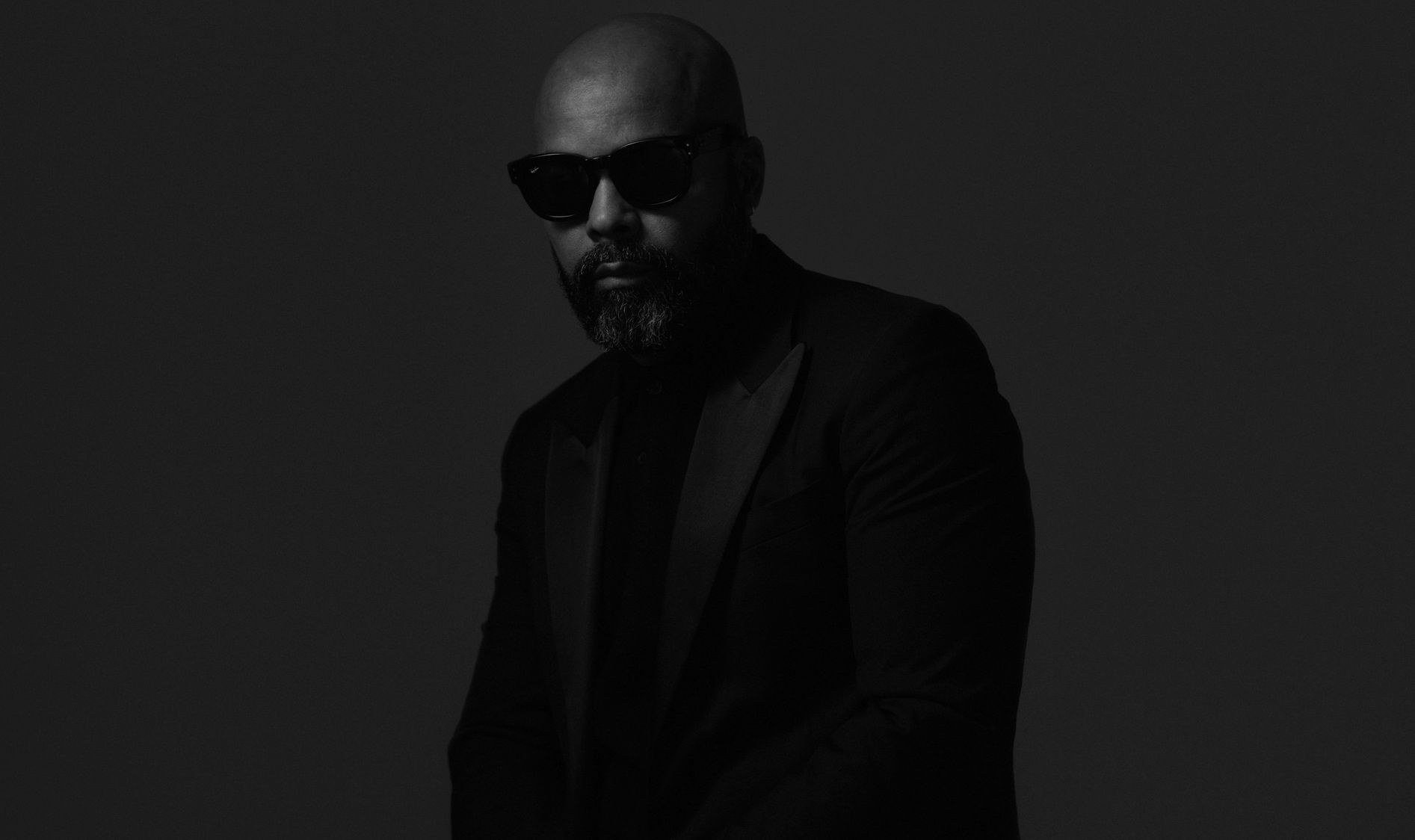
Name: Myles Sanko
Occupation: Singer, songwriter, producer, composer
Nationality: British-French
Current release: Myles Sanko's new single Won't Be Lonely is out now. It is taken off his upcoming album Let It Unfold, slated for release October 4th 2024 via 213. It features Tom O'Grady (Piano, Wurlitzer & Rhodes), Jon Mapp (Electric Bass, Synthesizer). Chris Booth (Electric Guitar), Ric Elsworth (Drums, Percussion, Vibraphone, Marimba), Gareth Lumbers (Tenor Saxophone, Flute) and Samuel Ewens (Trumpet, Flugelhorn, Synthesizer)
If you enjoyed this Myles Sanko interview and would like to know more, visit his official homepage. He is also on Instagram, twitter, and Facebook.
Do you think that some of your earliest musical experiences planted a seed for your interest in your voice and singing? How and when did you start singing?
When I was around 13, I started rapping because I fell in love with hip-hop. Then, in my late teens, I began singing my raps, and that’s where it all began.
If you're also playing other instruments, how does the expressive potential of these compare to your own voice?
I play the piano, but only for composing purposes.
Singing is the most expressive for me, as it allows me to tell a story and connect with the listener on a deeper level.
What were some of the main challenges in your development as a singer/ vocalist? Which practices, exercises, or experiences were most helpful in reaching your goals – were there also “harmful” ones?
The biggest challenge for me was believing in myself. I knew I had something special because whenever I sang, I captured people's attention. However, I have no formal training, so I had to learn as I went along.
I'm still learning to this day and continuing to discover my voice, which has actually been a really rewarding experience.
How do you see the relationship between harmony, rhythm and melody? Do you feel that honing your sense of rhythm and groove has an effect on your singing skills?
Since these elements come to me naturally, it’s hard to pinpoint exactly. However, understanding rhythm is crucial, as it’s what ties everything together.
What are the things you hear in a voice when listening to a vocalist? What moves you in the voices of other singers?
It’s the colour of the voice, if I can put it that way—the tone and warmth really stand out to me.
Vocal placement is also important, as every singer has their own unique style.
What kind of musical settings and situations do you think are ideal for your own voice?
The best musical setting for me is performing live in front of an audience. I learned how to sing that way, so it's where I feel most comfortable.
The instant feedback from the crowd plays a big role in that.
We have a speaking voice and a singing voice. Do these feel like they are natural extensions of each other, ends on a spectrum or different in kind?
Yes, I do believe they are natural extensions of each other. The tone of my speaking voice definitely carries over into my singing voice.
From whispers to screams, from different colours to dynamics, what are the potentials and limits of your voice? How much of your vocal performance can and do you want to control?
When I first started singing, I used to scream a lot, but as I gained more experience, I began to explore the deeper, harder-to-control aspects of my voice. I feel that this part of my voice offers more to both the listener and myself.
When you're writing song lyrics, do you sense or see a connection between your voice and the text? Does it need to feel and sound “good” or “right” to sing certain words? What's your perspective in this regard of singing someone else's songs versus your own?
There is absolutely a connection because they are my words, coming from my experiences, so singing them feels more natural. When it comes to singing someone else’s song, I need to fully understand their message to do it justice.
That said, some lyrics are just great on their own and don’t require the same personal connection.
Strain is a particularly serious issue for many vocalists. How do you take care of your voice? Are the recipes or techniques to get a damaged voice back in shape?
Everyone is different, and strain is a serious issue for singers because once the voice is gone, it can end a performance abruptly.
Over the years, I’ve learned what not to do, such as consuming too much alcohol, eating late, not getting enough sleep, and having poor monitoring on stage.
Hydrating and warming up my voice are crucial practices for me to maintain vocal health.
How has technology, such as autotune or effect processing, impacted singing? Has it been a concrete influence on your own approach?
I come from an old school of thought where not having perfect pitch can actually add character to a voice.
While I don’t have an issue with others using technology like autotune, I feel that it can sometimes strip away the human element from a performance.
For recording engineers, the human voice remains a tricky element to capture. What, from your perspective, makes voices sound great on record and in a live setting?
It’s all about the performance. It’s not necessarily about getting the perfect take, but rather about capturing the best performance that conveys the emotion of the lyrics being sung.
Motherese may have been the origin of music, and singing is possibly the earliest form of musical expression, and culture in general. How connected is the human voice to your own sense of wellbeing, your creativity, and society as a whole?
The human voice is incredibly important to me, not just for singing lyrics but also for composing. Most of my songs begin as a melody line or beatbox recorded on my phone. The voice is deeply connected to my sense of well-being and creativity; it’s an essential part of how I express myself and connect with others.
In a broader sense, the voice plays a significant role in society as a form of cultural expression and communication.