Published
Name: Natasha Pirard
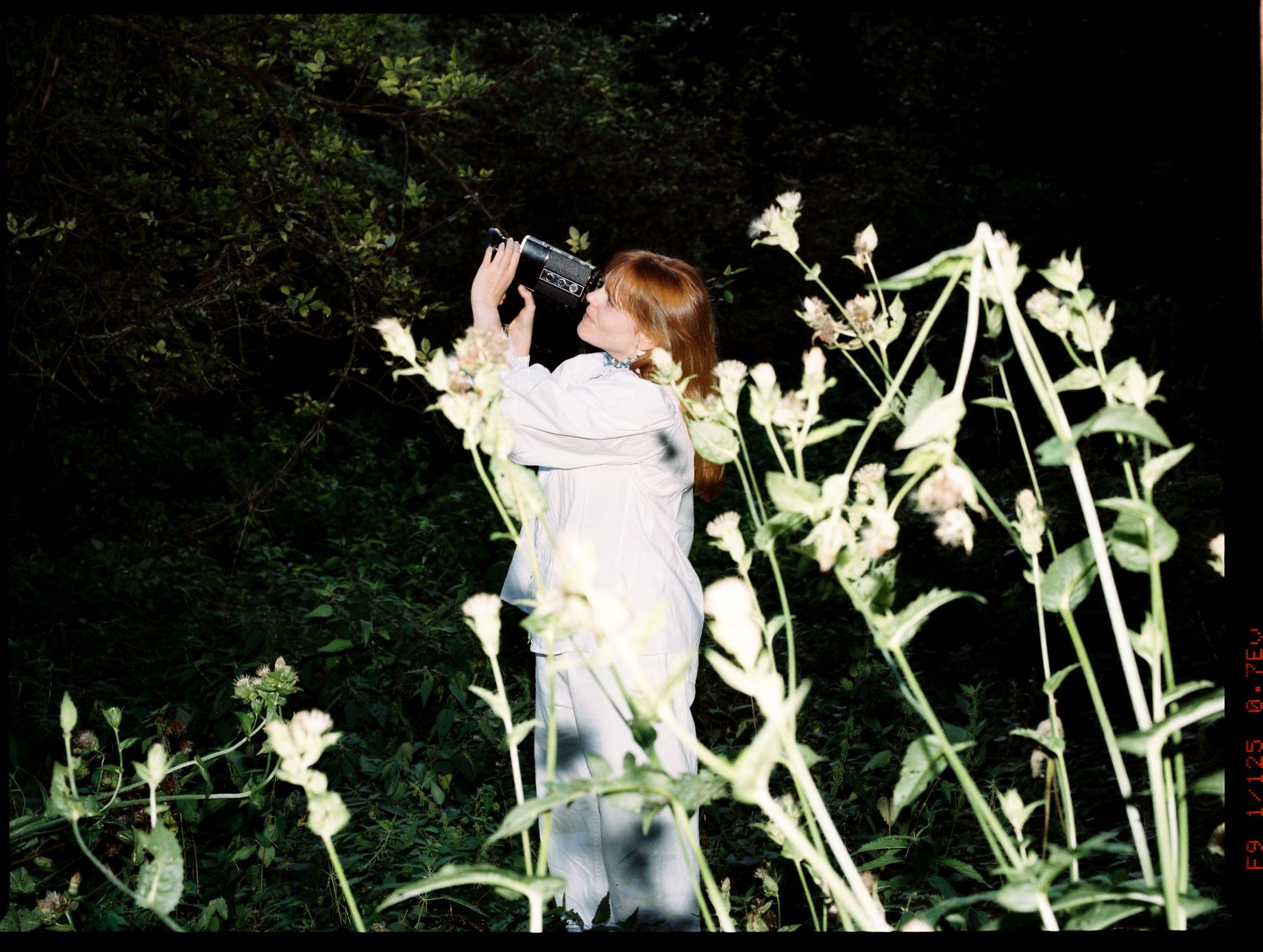
Occupation: Sound artist, composer, producer, improviser
Nationality: Belgian
Current release: Natasha Pirard's new album Fernande, Cecile is out via DEEWEE.
Recommendations for Ghent, Belgium: I would recommend you to experience some incredible food places. For instance: go have breakfast at Morgen Bakkerij, have a coffee at Koffeine, eat lunch at Lokaal, go to Hal 16 for some nice drinks and enjoy a super cosy and delicious dinner at één twee vijf. Ghent seems to be a very small city, but don’t forget to look beyond its city centre and to go just a little further, Sint-Amandsberg or Ledeberg for instance.
Topic I am passionate about but rarely get to talk about: I absolutely love knitting and I have to hold myself back to not knit entire wardrobes for the babies of friends. It brings my mind at ease and the repetitiveness of knitting is very meditative (if everything turns out well haha).
If you enjoyed this Natasha Pirard interview and would like to stay up to date with her music, visit her on Instagram, and bandcamp.
When it comes to experiencing strong emotions as as a listener, which albums, performances, and artists come to mind?
Mica Levi for sure and to choose a specific album of them is almost impossible. But I’d go for the soundtrack they wrote for the film Monos by Alejandro Landes. I always sit on the edge of my seat when I listen to it, and the movie is so good.
Definitely Daniel Johnston’s whole repertoire.
In 2023 I went to the release show of Speakers Corner Quartet in London and that was absolutely phenomenal.
I find Vanessa Amara’s album Fonetica Amara to be deeply fascinating …
… and Grouper’s A I A: Alien Observer …
... and Adrianne Lenker’s Songs make my heart ache a little bit, but then drape it in a warm blanket at the same time.
In as far as it plays a role for the music you like listening to or making, what role do words and the voice of a vocalist play for the transmission of emotions?
Some phenomenal classical and avant-garde compositions don’t have any vocals in them and bring out the heaviest of emotions, but the same could be said about tracks that do have lyrics in them.
Evoking emotions without lyrics is easy and very difficult at the same time. Great emotions can hide in silence too. But some vocal timbres and expressions, like the singers and vocalists of NYX or Idrisi Ensemble, have such a unique sound that it gives me goosebumps every time (in a good way!).
For a track on my most recent album, “Dernière Visite” to be specific, I used my voice as well and I’ve revised it countless times.
Not only because of the story behind it, but also because I wasn’t sure if using my voice was necessary. But after listening to it without, it didn’t feel complete. So I decided to keep it in place.
It made me realize that using your voice brings out a whole new realm of vulnerability.
How much of the emotions of your own music, would you say, are already part of the composition, how much is the result of the recording process?
A lot of my music is pure improvisational. For Fernande, Cecile I tried to dive into and catch certain memories I had to remember, as precisely as possible, what that moment meant.
What I was feeling back then, but equally important is what happened in that moment and what it looked like. What were the weather conditions? Who was there with me? Where am I somewhere in this memory? Honing or revising certain tracks became very difficult in this way, because I wasn’t entirely sure of what and how I made sounds, with what kind of instrument …
I think that’s so wonderful about experimental and contemporary music: you can choose whether you want to follow specific structures or not, and being able to experiment with all the possibilities of sound-making is something I’ll be eternally grateful for.
For Fernande, Cecile, what kind of emotions were you looking to get across?
Fernande, Cecile is actually about a lot of things.
Losing my grandmother due to Alzheimer’s disease when I was 7 had a huge impact on me. We were incredibly close and visiting her (before she moved to a house for elderly people) was something I looked forward to time and time again. It was a safe haven where my mother, my brother and I could go to. It’s my way of thanking her for the warmth and love she gave me.
But it’s also an ode to my mother. An ode to someone is usually when someone has already passed, but I want her to know how much I love her and how grateful I am for having her in my life, so why should I wait?
The album is almost like a timeline of my life. From my first memories of the flower garden of my grandparents to the last time I saw my grandmother, to the feeling of ease and calmness my mother and I felt after some rough years.
I’ve tried to bring the love I had, and still have, from these two phenomenal women into a warm blanket. Tracks where you can nestle and feel comfortable in, to feel loved without the need of expressing it with words.
In terms of emotions, what changes when you're performing live on stage, with an audience present, compared to the recording stage?
Performing on stage is something that I’m not yet super comfortable with. But I think it’s more the idea of it and mostly the time leading up to the show that makes me the most nervous. Once on stage and I play the first notes, most of the nerves dissolve.
Every sound sounds so different when rehearsing, compared to the venue. And that’s something I’m starting to feel less scared about, it’s one of those parameters that you can’t control and if you’re in your studio recording, you can make it sound however and go to whatever direction you’d like.
I’ve had the incredible opportunity to work on two film soundtracks and this process make me turn inward even more: it’s such a focused way of working on sound, and it gets very personal too.
For me, working in a recording studio or performing on stage are two very different feelings and they’re both inspirational to me.
What kind of feedback have you received from listeners or concert audiences in terms of the experience that your music and/or performances have had on them?
I always feel this huge sense of gratitude for the listeners who come to my show or send me a message about what my music means for them. A friend of mine described it perfectly: “the gratitude for their time, to lend you their ears and attention to listen to you for a specific moment in time”.
One of the most touching compliments I had was when a close friend of mine said that listening to my music makes her feel grounded when she’s feeling anxious.