

Name: Nia Chennai
Occupation: Singer, songwriter
Nationality: British-Caribbean
Current release: Nia Chennai's new single "So Pretty When You Cry" is out via WNTR Sounds.
If you enjoyed this Nia Chennai interview and would like to find out more about her music, visit her on Instagram, Soundcloud, and Tiktok.
Do you think that some of your earliest musical experiences planted a seed for your interest in your voice and singing? How and when did you start singing?
Yeah, without a doubt. I remember coming home from primary school when I was younger or during the weekends, I would put on the music channel on TV and just watch it religiously. I would look around and see my mum singing and dance along to the music. It made me want to be just like them and my mum when I grew up.
I then started singing at around 6 years old my dad brought me a Singstar set and that's what got me hooked. I want to instill that same love, inspiration, and confidence to the next generation to come and even to my age group.
If you're also playing other instruments, how does the expressive potential of these compare to your own voice?
Unfortunately, for me I tried to learn the trumpet - and I was tragic.
Singing is an integral part of all cultures, and traditions. Which of these do you draw from – and why?
Singing is an integral part of all cultures and traditions. Growing up with both Caribbean and English cultural backgrounds, I was exposed to a wide range of musical styles that deeply influence my music today.
I embrace my English culture through my cadence and accent, keeping my music authentic to my upbringing in the UK. This allows me to stay true to my identity and roots, making my music genuine and personal. Additionally, I was brought up on a rich mix of black R&B, Neo-Soul, and Caribbean music. These genres are integral to my musical style, and I incorporate elements from each into my songs.
By blending these influences, my music not only reflects who I am but also celebrates the richness and diversity of my cultural background.
What were some of the main challenges in your development as a singer/vocalist? Which practices, exercises, or experiences were most helpful in reaching your goals – were there also “harmful” ones?
Finding my voice was my biggest struggle. For ages I sang in an American accent because most of the songs I listened to were by US artists. I couldn’t control my voice as well as I could now so I often had a sore throat from straining. Now, I've found my voice and sing in my British accent, which I love because I'm proudly representing the UK.
These days, I always make sure to warm up or have a tea before singing. I like to follow singing warm-up videos and exercises such as lip rolls, vocal scales, and intonation training, to name a few, whenever I can to help protect my voice and improve. However, I’ve never had any professional vocal training, which I definitely want to do soon.
When I was learning to sing, I found that singing along to songs by other people with a similar tone and/or register was really helpful practice.
How do you see the relationship between harmony, rhythm and melody? Do you feel that honing your sense of rhythm and groove has an effect on your singing skills?
Yes definitely, making music is like putting a jigsaw puzzle together each element is important to make it work. If I can feel the groove of the beat then it allows me to find a pocket that the melody fits in allowing me to be more expressive.
Any Nia Chennai track you hear will always have harmonies and BVs. Growing up on R&B, it’s a must. For me, harmonies not only make the music sound better, but they also complement what I’m saying on the track or add to it with a call-and-response style.
In particular, I love adding harmonies because they allow you to switch up the flow, which can add a new feeling to the music. My favourite part of it all is hearing people sing the harmony.
What are the things you hear in a voice when listening to a vocalist? What moves you in the voices of other singers?
I LOVE a good tone; there's something about it that's just so special—it always feels raw and personal. That's why I love Amy Winehouse. She has such a distinctive tone, but the way she delivers her vocals really emphasises what she’s singing; it really makes me believe she means every word.
Her voice has a rich, smoky vibe, and her pitch variations using vibrato add to the soulfulness, which really shows the influence blues music had on her.
Nia Chennai Interview Image (c) the artist
What kind of musical settings and situations do you think are ideal for your own voice?
Definitely intimate live performances are my ideal setting, where I can truly bring my lyrics and music to life with the support of a full band.
When you're writing song lyrics, do you sense or see a connection between your voice and the text? Does it need to feel and sound “good” or “right” to sing certain words? What's your perspective in this regard of singing someone else's songs versus your own?
I love to write, especially when it's coming from a space of experience. Writing allows me to pour my emotions and stories into the lyrics.
When I then go to sing, I get to bring what I’ve written to life, adding character and emotion that might be missing if the words were just read on a piece of paper.
Strain is a particularly serious issue for many vocalists. How do you take care of your voice? Are the recipes or techniques to get a damaged voice back in shape?
Every session, I’ll have a tea. I also warm up whenever I can, but I know to stop if I’m feeling pain during a recording. I make sure to do warmups and vocal exercises on days I don’t have shows or studio sessions.
I like to practise using Cheryl Porter, who’s a vocal coach on YouTube, so on the days I have a show, this is a necessity.
Before I’m about to go on stage, I run to the toilets and do mouth relaxation techniques such as lip rolls to relax.
Nia Chennai Interview Image (c) the artist
How has technology, such as autotune or effect processing, impacted singing? Has it been a concrete influence on your own approach?
For me, I don’t use autotune; I like to use reverb.
I feel that autotune can take away from those small, unique inflections. However, I think people can use it for a stylistic approach, which sounds really cool.
For recording engineers, the human voice remains a tricky element to capture. What, from your perspective, makes voices sound great on record and in a live setting?
There's loads of factors that come into play for me. I focus on my cadence, tone, and vocal control. When it comes to creating melodies and lyrics, my process varies. Sometimes I come up with melodies first, then find the words to fit them. Other times, I start with a lyrical idea or phrase and build the melody around it.
For cadence, I like to switch up my flows. This allows me to be more dynamic and purposeful when emphasising certain words. I also like to play with my pitch, but I always aim to have control over every note. Sometimes I'll change the key of a song to ensure I give my best performance.
At the end of writing a song, I like to add my ad-libs and stabs. For ad-libs, I like to freestyle over the whole track because I think being spontaneous adds to the vibe. For the stabs, I purposefully decide which words I want to punctuate.

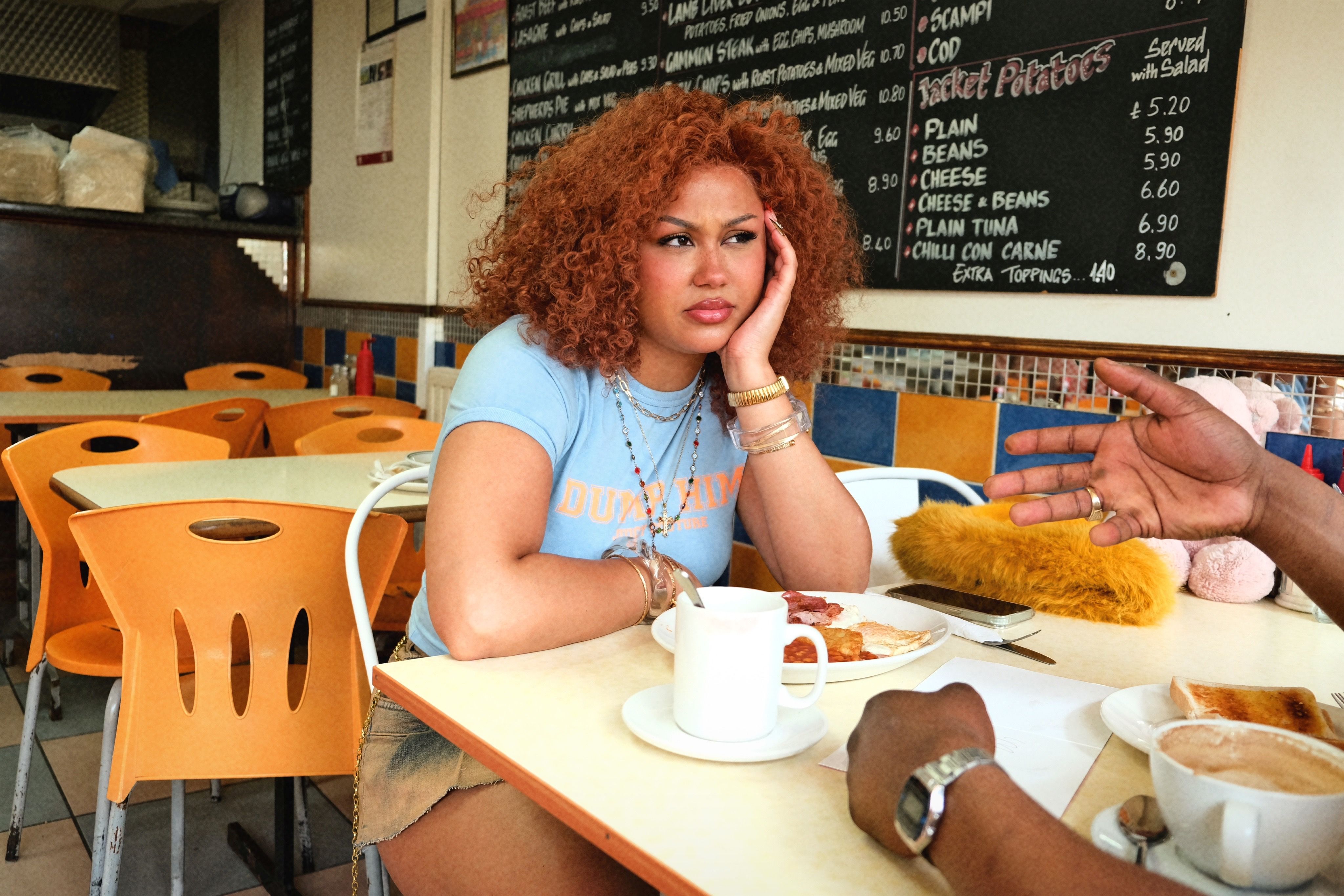 Nia Chennai Interview Image (c) the artist
"Live performances are my ideal setting. They bring my lyrics and music to life with the support of a full band."
Video
