Published
Name: Niji Adeleye aka NIJI
Nationality: British
Occupation: Singer, songwriter
Current release: NIJI's new single "Jayé (Dance, Dance, Dance)," featuring Afronaut Zu, is out via Aeronxutics. Full-length album Oríkì is set to follow February 28th 2025.
If you enjoyed this NIJI interview and would like to know more about his music, visit his official homepage. He is also on Instagram, and Facebook.
For a deeper dive, read our conversation with NIJI after the release of Oriki.
What were some of the musical experiences which planted a seed for your interest in jazz?
My first ever jazz group, when I was maybe 13, was called Phoenix Jazz. It was run by my teacher and incredible trumpeter Paul Christmas. He really shaped my understanding of jazz.
Also, my first piano teacher Mr McCann, at the time everyone was doing classical graded exams, he got me to do the jazz exams.
How do jazz and jazz culture factor into your artistic processes and the music resulting from them?
Honestly, when I listen to my music, it really reflects my love for big bands, warm brass melodies, and introverted piano ballads.
Take something like “A13 FUJI;” it mirrors me learning Birdland as a kid and wanting to write brass lines.
Or a song like “Danni” takes influence from Abdullah Mohammed.
What does the term jazz mean today, would you say?
For me jazz represents freedom, represents the future – an ever-evolving sound.
Jazz was about a lot more than just music in the 60s and 70s, from politics to fashion. For you personally, is jazz still a way of life – and if so, in which way?
Jazz musicians in the 60s and 70s were the coolest people in town!
In a way I feel like popular music is beginning to lean back into real humans playing real instruments. I live with that freedom inside, knowing that I can change my world and others with a song.
Many people perceive jazz as a genre with high barriers of entrance, both for listeners and musicians. What have your own experiences been in this regard?
I believe there are no barriers, I think it’s a language that is spoken to by creators and partakers of the art form.
A song of mine called “Danni” has the simplest of melodies and chord structures, it would be considered jazz but wouldn’t alienate someone who wouldn’t necessarily listen to jazz. +
Like any other art form jazz is for interpretation, by both the listener and creator.
Derek Bailey defined improvising as the search for material which is endlessly transformable. As of 2024, what kind of materials are particularly stimulating for you?
Currently I’ve been really into the Tyler the Creator’s album, also really into Jake Isaac’s new album Benjamin.
As always, I’ve really locked into Fela Kuti’s music and The Cavemen.
What, would you say, are the key ideas behind your approach to improvisation?
Freedom! I couldn’t stress it enough! And they don’t always have to be long moments of improvisation.
In a track of mine called “Somewhere in The Middle,” I really wanted an impactful short solo. It might have been 4 bars, but it was absolutely perfect!
How would you describe your relationship with your instrument – is it an extension of your self/body, a partner and companion, a creative catalyst, a challenge to be overcome, something else entirely?
The piano is the voice of my inner heart, it’s the emotions and feelings that I can’t completely express in person. It gives me the voice to say in melodies and harmonies what I maybe can’t find the words for.
The organ is the love of my life! It’s everything! Dynamically and harmonically, I have so much to play with that it can often lock me in for 10 hours in one sitting if I follow my creative explorations on it. You’ll hear it on songs like “Somewhere in The Middle” and “Danni.”
Jazz has always had an interesting relationship between honouring its roots and exploring the unknown. What does the balance between these two poles look like in your music?
I think I’m more future looking, exploring the unknown. My reverence to its roots comes from the influences that shape my playing; Oscar Peterson, Chick Corea & Herbie Hancock.
As of late, my music reflects the boundless freedom I allow myself to go to while writing. It’s genre bending.
Songs like “Banjoko” and “Maybe We Will” give a nod to that.
What are currently directions in jazz or jazz-adjacent communities which you personally find interesting?
Good question. Right know I love the fusion I’ve created which has maybe not been travelled down so much. The fusion of Nigerian Fuji music and my love for jazz.
Using the talking drum is the centre piece of my compositions rather than a piano, using afro beat rhythms as the rooting to a jazz piece; it’s so interesting to me!
“A13 FUJI” is the most succinct example of this blend.
For many artists, life-changing musical experiences take place live. How do you see that yourself?
I recently played Rockit festival in the Netherlands; that experience I’ll take with me forever. The ability to see hundreds of people enjoying the ideas you created in solitude will always blow me away.
I never take any performance for granted; people leave their homes and come to experience me play. My heart is always full.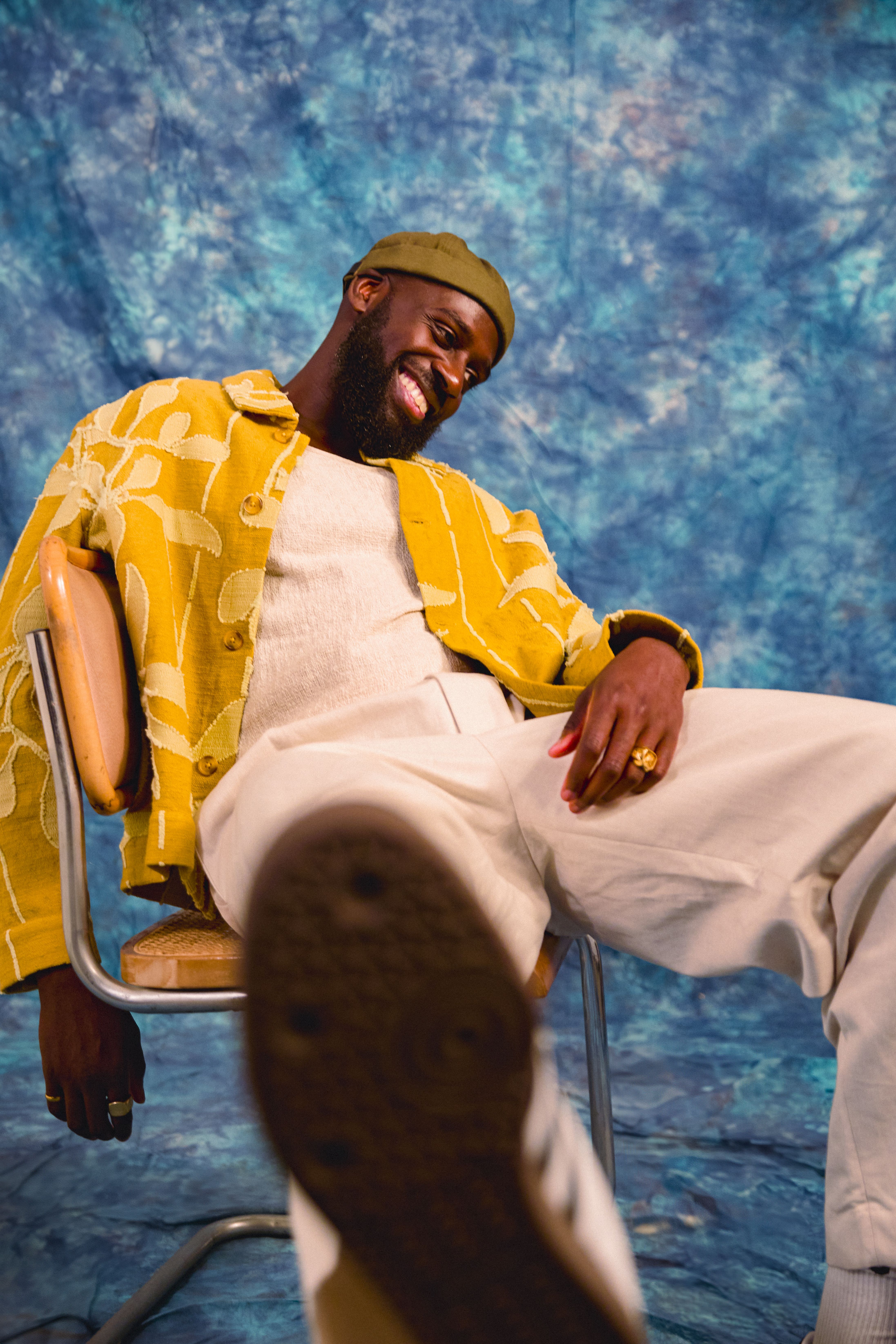
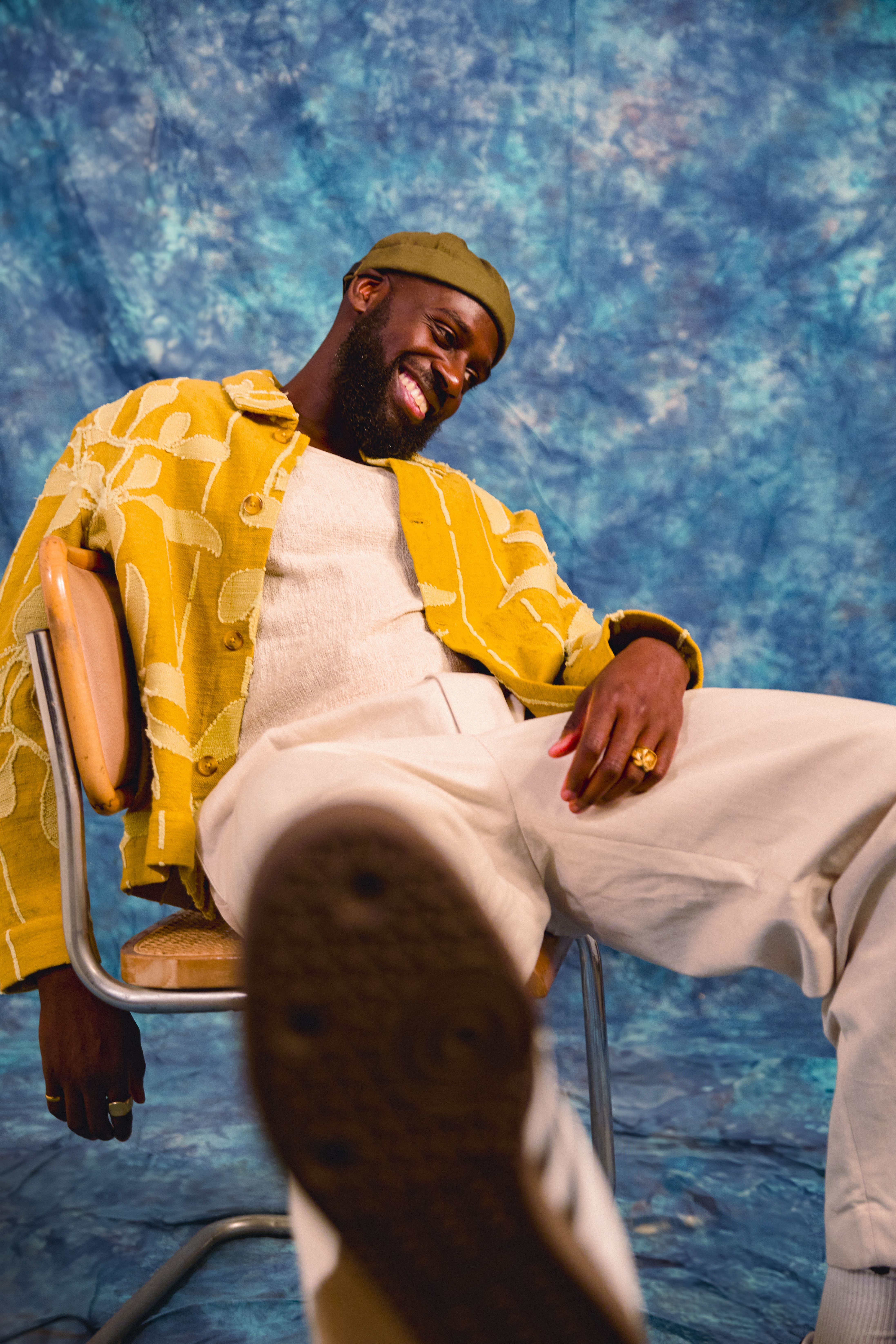
NIJI Interview Image (c) the artist
How, would you say are your live performances and your recording projects connected at the moment? How do they mutually influence and feed off each other?
It’s interesting because when I write my albums, I have no real thoughts towards interpreting them live until it’s time to play them live. I feel like this gives both writing and performing their own space and not boxed in for anything.
I find a beauty in interpreting my own recordings into a live performance, it’s the best feeling of “how do I make a massive brass sound be just as impactful when I play it with just one trumpet and sax?”.
For me, I always see this as a true test of my writing ability.
There are various models to support jazz artists, from financial help to mentorships/masterclasses. Which of these feel like the best way forward to you?
For me personally, buying tickets, merch and physical music feels the most organic way to support.
I do love the idea of memberships also; it creates a good community and ecosystem to support the creator.
Are there approaches, artists, festivals, labels, spaces or anyone/-thing else out there who you feel deserve a shout out for taking jazz into the future?
Amazing question! I wanna big up everyone giving young people an opportunity to learn this art form. It’s so important to keep inspiring!
The Montreux Festival intends to preserve its archive of recordings for future generations. Do you personally feel it's important that everything should remain available forever - or is there something to be said for letting beautiful moments pass and linger in the memories of those that experienced them?
Archives are so important!!! Archives create history, which gives content for study, which gives way for more learning and inspiring. It’s like a beautiful cycle of inspiration. It’s so important!
Please let’s keep the recordings and continue the ongoing evolution of jazz music.