Published
Name: Oruã
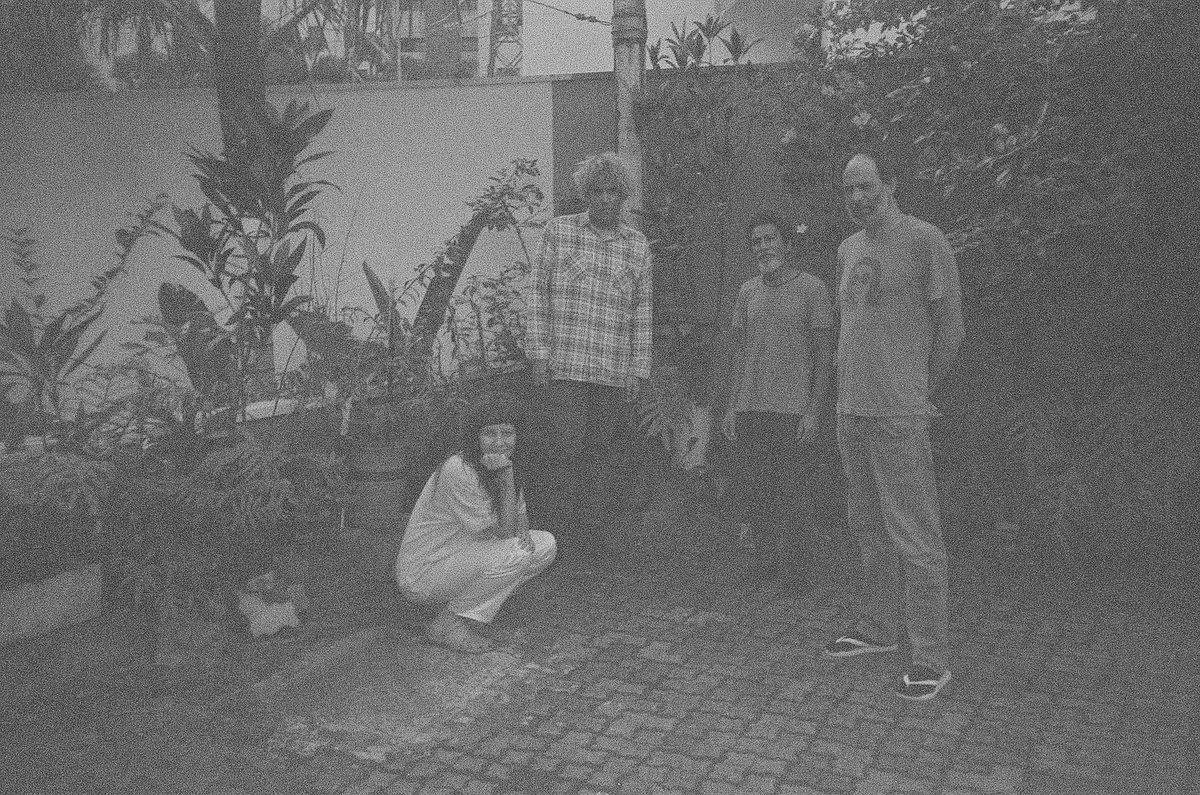
Members: Lê Almeida (guitar, production), João Casaes (synths), Bigu Medine (bass), Ana Zumpano (drums).
Interviewee: Lê Almeida
Nationality: Brazilian
Current release: Oruã's new album Slacker, produced by Jim Roth, is out October 24th 2025 via K.
Recommendations for Rio de Janeiro, Brazil: In downtown Rio de Janeiro, there's the ESCRITÓRIO, the most incredible and inspiring place I've ever lived. It was created in 2013 after I decided to rent a commercial space with friends to create, play, record, and perform. It became our club and the club of many people.
If you enjoyed this Oruã interview and would like to know more about the band's work and upcoming performances, visit their official homepage. They are also on Instagram, Facebook, Soundcloud, and bandcamp.
Where does the impulse to create something come from for you? What role do often-quoted sources of inspiration like dreams, other forms of art, personal relationships, politics etc play?
I came from a very poor place. Sometimes just leaving the area and going somewhere else to do a show and come back brought about the renewal needed to activate some inspiration.
I personally have always been surrounded by tragic everyday situations. In one of SLACKER's tracks, I refer to a rainstorm that in early 2024 filled many people's homes here in Baixada Fluminense, including mine.
"De Se Envolver" features Caxtrinho, an incredible artist who also comes from Baixada Fluminense and has made a name for himself worldwide. Coming from here, we have a similar feeling of parochial and racist separations that are very peculiar here in Brazil. This track explicitly addresses this.
For you to get started, do there need to be concrete ideas – or what some have called a ‘visualisation’ of the finished work? What does the balance between planning and chance look like for you?
I have a ton of notes and unfinished recordings that I often revisit at random times. I believe that the environment I'm in 100% influences everything I do.
I like to record demos and go in and out of them.
Is there a preparation phase for your process? Do you require your tools to be laid out in a particular way, for example, do you need to do 'research' or create 'early versions'?
I like reading to learn new words, but I haven't been doing it much lately.
Besides that, I sometimes like to create by watching movies. Sometimes it makes me think like a soundtrack and sometimes it just makes me ignore the movie.
Do you have certain rituals to get you into the right mindset for creating? What role do certain foods or stimulants like coffee, lighting, scents, exercise or reading poetry play?
I need to have some kind of calmer, softer lighting. I need to create a mood where I can feel very comfortable.
Right now, we had to cancel our upcoming American tour, and I'm home more than I thought, so I've been dedicating some time to home recording, which I haven't done in years. I'm creating a sound again at home, using homemade resources and a lot of improvisation.
For Slacker, what did you start with? If there were conceptual considerations, what were they?
SLACKER emerged from some tracks we'd been playing for years, along with some extremely new ones. The album only came about because we planned to spend 15 days between tours in the United States recording intensively in Seattle.
The SLACKER concept came naturally after many publications insistently associated us with this genre of music.
What makes lyrics good in your opinion? What are your own ambitions and challenges in this regard?
Sometimes it's just some repression expressed. Sometimes it's a declaration of love and sometimes it's a denunciation of social injustice.
Believing that good lyrics need to say something, even if it's confusing.
Many writers have claimed that as soon as they enter into the process, certain aspects of the narrative are out of their hands. Do you like to keep strict control or is there a sense of following things where they lead you?
Second option: following things where they lead you.
There are many descriptions of the creative state. How would you describe it for you personally? Is there an element of spirituality to what you do?
You certainly need to be at peace with yourself to create something.
I believe it is impossible to unravel the gears of our subconscious, that place that randomly throws inspiration into our heads.
Once a piece is finished, how important is it for you to let it lie and evaluate it later on? How much improvement and refinement do you personally allow until you're satisfied with a piece?
I like to do pre-finished mixes on Fridays. This gives me the weekend to listen to them and send them to a friend to listen to and give me feedback. This is one of the ways I've recently developed, working independently before recording. I've mixed many albums, and this makes me feel responsible for my listening.
Sometimes I need a few days without listening to the finished track to know it's progressing toward a final result.
How do you think the meaning, or effect of an individual piece is enhanced, clarified or possibly contrasted by the EPs, or albums it is part of? Does each piece, for example, need to be consistent with the larger whole?
I believe that each track is a unique element and that is enough to move forward.
In terms of what they contribute to a song, what is the balance between the composition and the arrangement (including production, mixing and mastering)?
We've always created everything ourselves. Until this new album, everything we did was recording and self-producing ourselves.
SLACKER is the first album where we recorded all the material using a different space and a friend taking care of the sound, Jim Roth.
Music and the accompanying artwork are often closely related. Can you talk about this a little bit for your current project and the relationship that images and sounds have for you in general?
They mean something very real to me. I've been working with hand collages for many years, and this was very much reflected in SLACKER.
I created a series of collages using stitches my grandmother made for me. It was a great time to create using elements I already had.
After finishing a piece or album and releasing something into the world, there can be a sense of emptiness. Can you relate to this – and how do you return to the state of creativity after experiencing it?
I always want to do something new. It's a never-ending quest sometimes, but it's motivating. That's life.
I would love to know a little about the feedback you've received from listeners or critics about what they thought some of your songs are about or the impact it had on them – have there been “misunderstandings” or did you perhaps even gain new “insights?”
That's interesting. People obviously listen differently than I do, and sometimes they hear some stories that are very motivated.
For example, I know that I've influenced many people to create something using few resources and feeding the desire to exist spontaneously and sometimes viscerally.
Creativity can reach many different corners of our lives. Do you personally feel as though writing a piece of music is inherently different from something like making a great cup of coffee? What do you express through music that you couldn't or wouldn't in more 'mundane' tasks?
Everything goes together in the same space.