Published
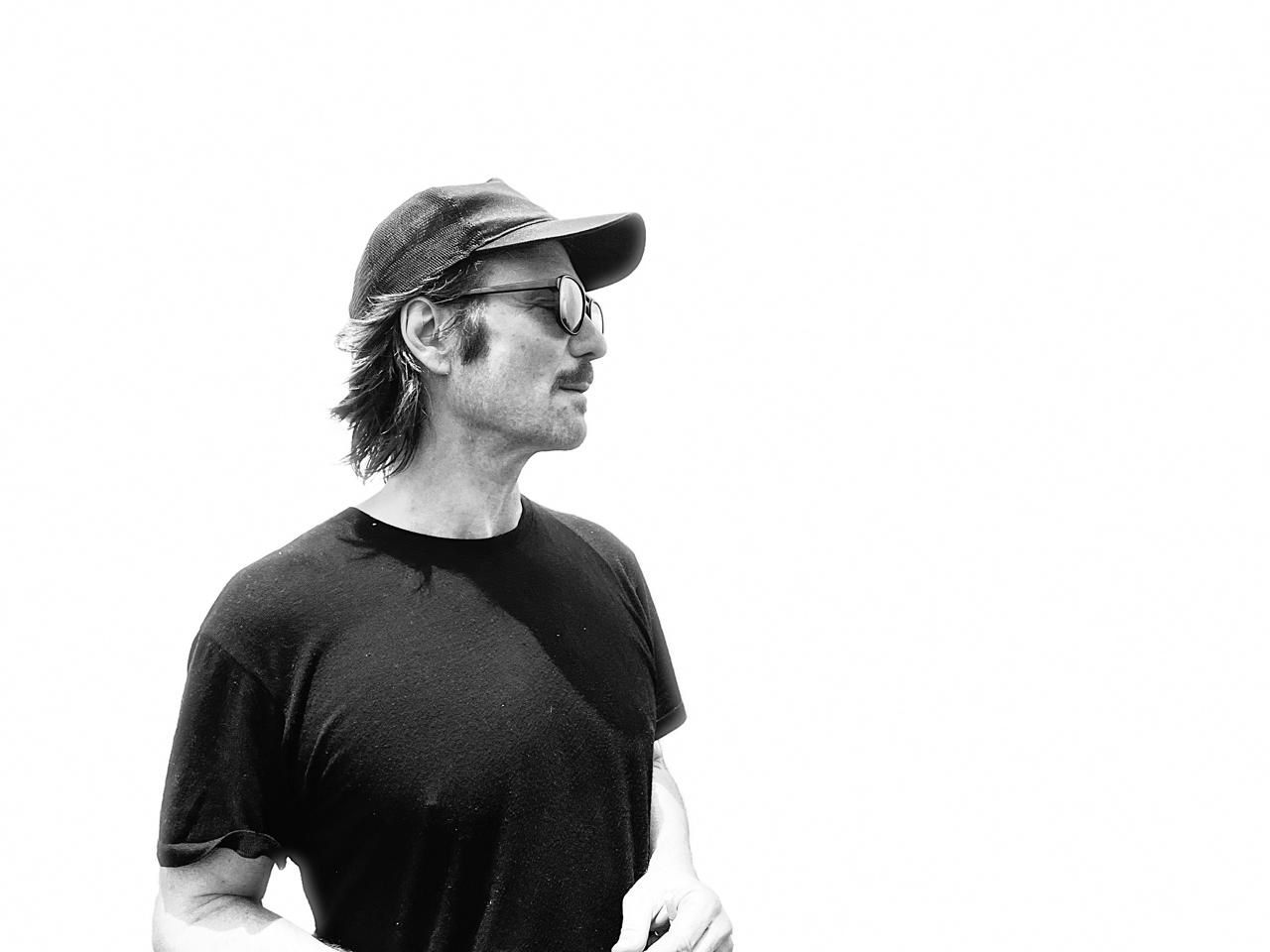
Name: Philipp Jung
Occupation: DJ, producer, label co-founder at Get Physical
Nationality: German
Current release: Philipp Jung has out together a selection of “hidden pearls and forgotten gems” for Rewind Forward Vol.1, out March 27th 2026 via Get Physical.
If you enjoyed this Philipp Jung interview and would like to know more about his music and current tour dates, visit him on Instagram, and Soundcloud.
Some of the original pieces collected on the LP date back a long time, to the earliest days of the label. Take me back to that time for a moment, please, and how you look back on it.
It was a very different time. When we started, it was out of pure passion and with absolutely no sense of business whatsoever. So I’m still stunned that we survived that period in one piece.
Not to romanticise it too much, but there was this energy you can’t really explain when a bunch of nerds and friends put their heads together just to create something. I look back on it with the nicest memories and a lot of smiles.
Many labels take great care not to stray too far from a proven formula. For Get Physical, what is your preferred balance between maintaining a certain style and keeping things fresh?
I’m sure we could have been more successful if we had stuck to one specific style, but none of us has ever been fixed on a single sound. There is so much great music out there to showcase, and it was always our biggest joy to go with what we felt was important to listen to and enjoy.
With Get Physical it was always more song-oriented dance music — something you could listen to both on and off the dance-floor. And with Kindisch we created a space for more special moments before or after the party, or on the side floor for those who know.
Arriving in the present, tell me a bit about the sounds & creative directions, artists & communities, as well as the colleagues & creative hotspots of your current hometown. How do they influence your music?
After so many years and decades of touring, I needed to completely switch off and start fresh.
I now live in the remote mountains of Costa Rica. I brought my vinyl turntables with me and started exploring sound again. Of course, you still have musician friends, DJs and producers nearby or not too far away when you travel a bit.
It was really important for me to step away from everything for a while, to breathe again and reconnect with what I actually love about the scene and the music. When you are constantly travelling and trying to keep up with everything, music can slowly stop being the most important thing. I had to put it back to number one where it belongs.
In a digital era, it is sometimes said that nothing is ever truly forgotten. What's your perspective on the ongoing possibility and meaning of “secret weapons,” “hidden pearls,” and “forgotten gems?”
We released so much music over the past 25 years, and very honestly some of those tracks didn’t get the attention they deserved at the time. Projects like this are fun because you can dig them out again, re-edit or remix them and give them a new life.
And over such a long time span, I’m sure the younger generation can also appreciate songs that were released when they were maybe just born or still toddlers.
Do you, after so many years as a DJ, producer and label owner, have any idea why certain tracks “blow up” or remain timeless, while others never make it or are eventually forgotten?
Man, I wish I had that formula. I would probably be sitting in my villas in different countries overlooking beautiful bays.
But seriously, it has so much to do with timing — where the artist is at that moment in their career, who is supporting the track, what the mood of the scene is at that time, and so on. That’s why I think it’s our duty to release music we genuinely believe deserves to be heard.
What was the process like for picking the pieces for the release?
Siopis’ songs from that time are pure classics, so it was actually a bit of a risk trying to give new life to “Really Luv Ya.” To be honest, I could probably have done better — the original is still the one I would play.
Class B-Band, for instance, feels more connected to the current moment. It has a strong 80s vibe, and those sounds are back in a big way, so I thought it would be nice to present it again. “Wolf Story” is very special to me, as is the Kenny Larkin remix of “Busted.”
Every track reminds me of a specific moment or situation, and it would take too long to go into all of that here. And there will be much more coming, because I really enjoy going back and rediscovering the music we released over the years.
Why did you decide to remix the pieces you picked for the collection?
I touched on this a bit in the previous question. I have personal relationships with many of these artists, and it’s a chance to reconnect again.
Life sometimes goes its own way and you lose contact over the years. Projects like this bring people back together, which I really enjoy.
There can be a tendency for remixes of older tracks to simply “update them.” My impression was that your approach went deeper. What's your ideal remix for a classic piece you really love?
Usually I pick a track to remix and try a few ideas. If it doesn’t come together, I just leave it. That actually happens quite often.
Ideally a remix should bring a new edge or feeling to the track — a proper idea and a different perspective. You have to ask yourself: what does this track need to work today, or how could it connect with people in a new time?
Sometimes even a simple edit can already bring it closer to the present.
I thought your remix of Bruce Leroy's “Liberdade” really stood out by keeping the spirit of the original but taking it somewhere else. How did it come together?
The remix is probably on the bigger and more dramatic side of what I usually do. But the vocals in that song are incredibly powerful, and I wanted to build something that really supports them.
Now that I’m not tied to one specific sound anymore — like when I was part of M.A.N.D.Y. — I can work much more freely and simply do what feels right without thinking too much about whether it fits a certain identity.
How do you see the role of sampling in electronic music today?
With all the AI tools now available, sampling has become more of a publishing question. You can easily replay things or hire companies that recreate or program the sample for you.
And of course it’s no secret that original ideas are sometimes in short supply. Many songs are based on older tracks or well-known elements. I understand why artists do it — it can be a shortcut to success.
The project is interesting because it suggests that if you do something for a long time, eventually your own past becomes an archive for discovery. How true was that for Rewind Forward Vol.1?
That actually sums it up perfectly — and expresses something I hadn’t quite put into words myself. So thank you for that.
Twenty-five years is an incredibly long time, especially in this business. To have been there at the starting point of so many artists’ careers is a privilege. Being able to go back to those songs and add my own twist now feels like a real gift.
And I think it’s good for the artists as well, because we constantly work with our back catalogue — updating masters, creating new remixes and giving tracks another chance to be heard.
What did diving into the back catalogue tell you about what you fundamentally appreciate about music?
It might sound a little presumptuous, but I would say it’s the soul of a song.
When someone doesn’t worry too much about how it will be received, and instead creates something that clearly comes straight from the heart. With all the imperfections and without trying too hard to please people. Maybe that’s what has carried us through the years.
Of course we also had phases where we lost touch a bit — especially when we were touring constantly and didn’t really take the time to listen deeply anymore.
Disco, house, techno, drum & bass, IDM and many other genres were about much more than just music. For you personally, is electronic music still a way of life?
That’s a good question. Today it feels a bit less like a lifestyle and more like a business model in many ways.
Electronic music has spread everywhere. You can hear it in cafés in the Philippines, Uganda, Ecuador or Greenland. Kids today are much more open than we were — they listen to everything. Electronic music in many different forms is part of their everyday life, but it’s maybe less of a distinct lifestyle than it used to be.
Creativity can reach many corners of our lives. Do you feel writing music is fundamentally different from something like making a great cup of coffee?
If you want to make a really good coffee and truly enjoy it, you have to be present. You choose the blend, the roast, whether you use beans with a grinder, a French press or a percolator, and so on.
Music is different though. When it’s really good, you almost become a channel. In those moments it feels effortless, and it only happens when you are completely free from trying to control everything. Those moments are maybe 1% of the whole process — but that 1% is pure magic.
I still believe music is the highest form of art because it never reveals its final secret. You never fully understand why something moves you so deeply — why it makes you laugh or cry. So I’ll keep doing it and patiently wait for those moments to appear again.