Published
Name: Philipp Maria Rosenberg
Nationality: Swiss
Occupation: Composer, pianist, arranger
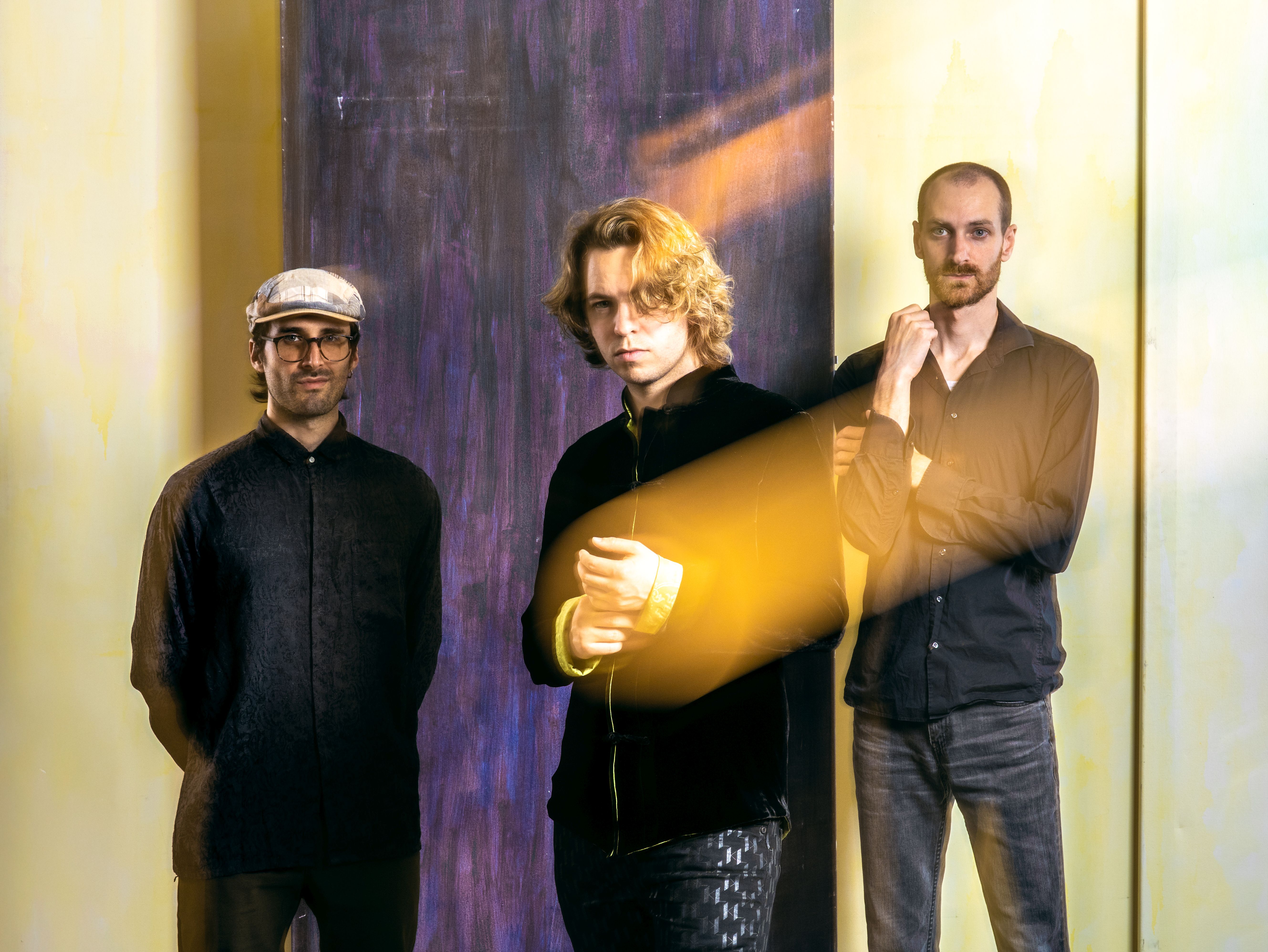
Current release: Philipp Maria Rosenberg's new album Rotwelsch is out via unit. It features himself on piano, Florian Kolb (bass) and Jordi Pallarés Barberà (drums).
If you enjoyed this Philipp Maria Rosenberg interview and would like to stay up to date with his music, visit his official homepage.
There can be many different kinds of emotions in art – soft, harsh, healing, aggressive, uplifting and many more. Which do you tend to feel drawn to most?
Probably I’m drawn to rather soft emotions.
It’s also connected to the instrument you play. The piano, although you can express a variety of different feelings with it, is probably a rather soft instrument.
I have had a hard time explaining that listening to death metal calms me down. When you listen to a song or composition, does it tend to fill you with the same emotions – or are there “paradoxical” effects?
It depends on how I listen to music.
If I’m really concentrating on it, I follow the emotions of the music. If I’m in my own head but just want to have some music playing in the background, I might feel very different emotions than the ones portrayed in the music. I guess this happened more often when I was younger.
There’s also a big difference between instrumental and vocal music. The first is more open to different emotions since there are no words telling you what the music is about.
In as far as it plays a role for the music you like listening to or making, what role do words and the voice of a vocalist play for the transmission of emotions?
Well, making and listening are both important to me—also listening while creating. I have ambivalent feelings about vocalists.
I can be very drawn to a certain timbre, but words—lyrics—can be difficult; they can narrow your imagination and limit your mind. Sometimes I have the best time listening to a vocal song while completely ignoring the lyrics.
How much of the emotions of your own music, would you say, are already part of the composition, how much is the result of the recording process?
I have a certain idea of which emotion the composition should convey, but since a lot of it is improvised, I also like the idea of not being stuck with my first view of the piece.
This is, in any case, an interesting way of exploring new possibilities within your piece.
For your current release, what kind of emotions were you looking to get across?
It’s very individual. I hope that listeners will experience very different emotions than I had while recording the pieces.
That’s the beauty of instrumental music — it’s more flexible to interpret.
What role do factors like volume, effects like distortion, amplification, and production in general for in terms of creating the emotions, energies or impressions you want?
It matters, but for an acoustic piano trio I like to stay close to the natural sound of the instruments.
The craft of creating different emotions through your skills on the instrument is very important to me.
In terms of emotions, what changes when you're performing live on stage, with an audience present, compared to the recording stage?
Everything is different in this situation: the room has its own aura, the audience a certain vibe, and of course I have to deal with a new instrument, since we pianists don’t travel with our own.
So you have to be very flexible with your tunes in order to make them work in completely different environments.
What kind of feedback have you received from listeners or concert audiences in terms of the experience that your music and/or performances have had on them?
So far I’ve heard different kinds of positive feedback (I guess you only hear the negative ones when you’re famous).
One beautiful piece of feedback was that they completely lost their sense of time during the concert and were able to really dive deeply into the sonic landscape we created.
Would you say that you prefer to stay in control to be able to shape the emotions or do you surrender to them and allow the music to take over? Who, ultimately has control during a live performance?
It’s good to have control and an idea when starting a concert, but then — as it is my philosophy anyway — you should be able to throw all those ideas overboard and just flow with the river.
The emotions that music is able to generate can be extremely powerful. How, do you think, can artists make use of this power to bring about change in the world?
I like to think of connection, so music is a powerful tool to bring people with different backgrounds together.
That said, it’s only possible if the music, the artist, or the event/location isn’t too political. Otherwise, you’re playing for people who already share the same mindset — nothing wrong with that.