

Name: Robert Owens
Occupation: Singer, songwriter
Nationality: American
Recent release: Robert Owens contributes vocals to Frankie Flowerz' Nightride album, out via Funkhaus.
If you enjoyed this interview with Robert Owens and would like to find out more, visit him on Facebook, and Instagram.
Over the years, Robert Owens has leant his unique voice to a plethora of songs by artists like Bushwacka!, Mr. C, Harry Romero, Marc Romboy, Photek, Atjazz, Marshall Jefferson, Soul Clap, Fred Everything, Steve Bug, and Todd Terry.
[Read our Bushwacka! interview]
[Read our Mr. C interview]
[Read our Harry Romero interview]
[Read our Marc Romboy interview]
[Read our Marshall Jefferson interview]
[Read our Soul Clap interview]
[Read our Fred Everything interview]
[Read our Steve Bug interview]
Do you think that some of your earliest musical experiences planted a seed for your interest in your voice and singing? How and when did you start singing?
From a child age 7 or 8 I’ve been entertaining family with singing and dancing at family gatherings.
This evolved on to me singing in church, continued evolving, forming local groups with neighborhood individuals, to present day collaborating with artists that I’ve been fortunate enough to meet throughout my global travels.
If you're also playing other instruments, how does the expressive potential of these compare to your own voice?
My voice, my hands, me feeling and absorbing rhythm naturally is an extension of what I give instrumentally-wise to productions.
I naturally create melodies on keyboards and with vocals I do the same. So everything all works hand-in-hand with each other for me give unique expression to musical compositions and projects.
Singing is an integral part of all cultures, and traditions. Which of these do you draw from – and why?
I draw from feeling from emotions, often conveyed from seeing how others feel about their self in life as well as my own personal life experiences.
These emotions are often absorbed back into my creative viewpoint.
What were some of the main challenges in your development as a singer/vocalist? Which practices, exercises, or experiences were most helpful in reaching your goals – were there also “harmful” ones?
Harmful experiences were egotistic people that often seemed to only want to control me and control the creative processes that we were developing together. This often led to a one side view point. This sense of thinking has often queued what could’ve been some really amazingly beautiful experiences if things were looked upon from an equal balance.
Respect of each other’s opinions in the creative process is key to creating something beautiful.
How do you see the relationship between harmony, rhythm and melody? Do you feel that honing your sense of rhythm and groove has an effect on your singing skills?
All factors work hand-in-hand, to create a cohesive composition, musically and vocally.
What are the things you hear in a voice when listening to a vocalist? What moves you in the voices of other singers?
Different variations of tone levels in a vocalist's delivery is one thing that inspires me.
How a vocalist can deliver a prospective of who they are as an individual to their tonality is also something that I view when listening to different artists.
I often can feel a individuals life’s journey through their vocal delivery.
How would you describe the physical sensation of singing? [Where do you feel the voice, do you have a visual sensation/representation, is there a sense of release or tension etc …]
Me delivering a vocal is me exercising, giving back to life unconditional love. When I perform I release, I heal. We can say I exhale and inhale relief and healing.
Many thoughts come to mind when I think about delivering a vocal. I have a cascade of memories and wisdom that can trigger the delivery of any performance.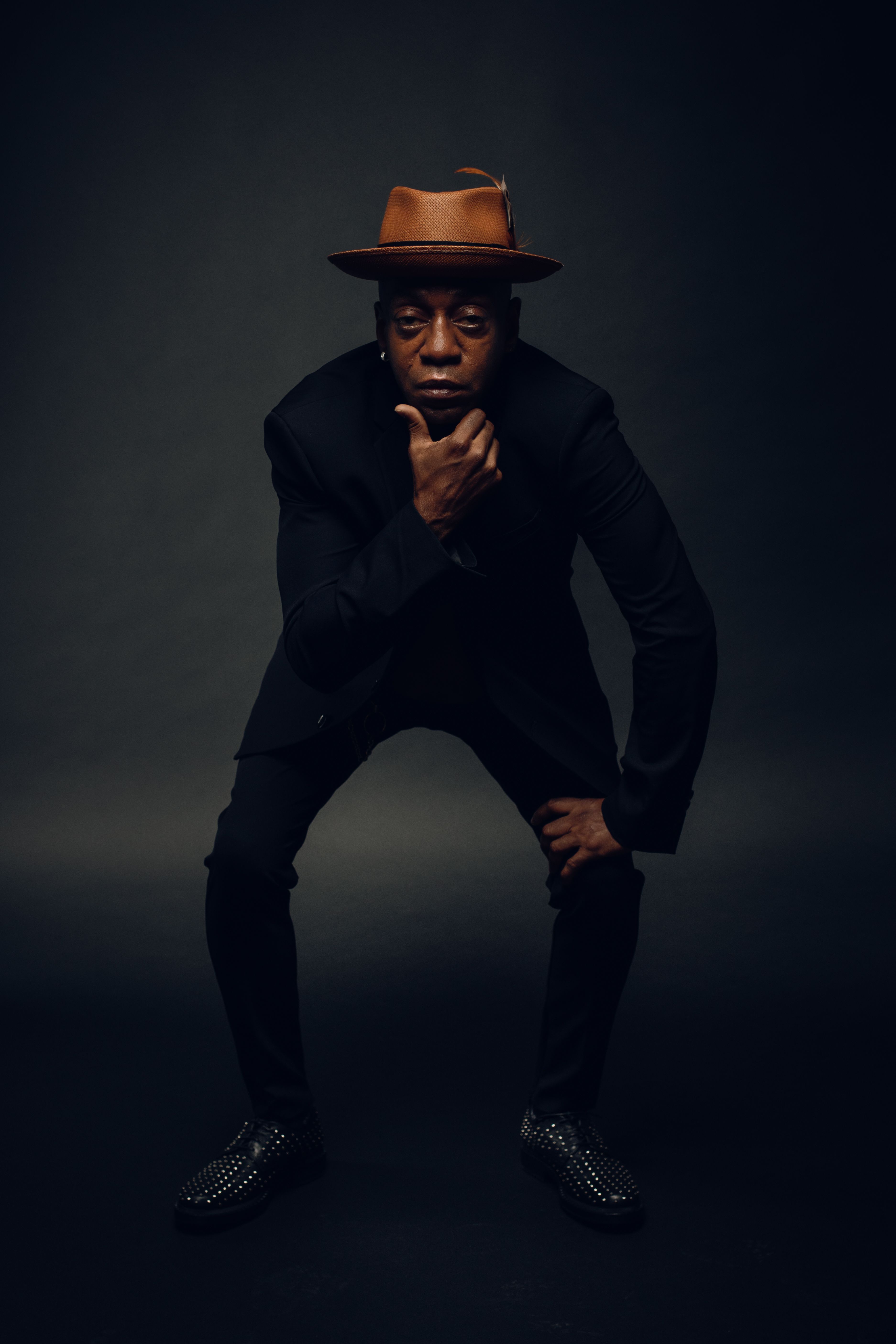
Robert Owens Interview Image (c) the artist
What kind of musical settings and situations do you think are ideal for your own voice?
I’ve worked with bands and I’ve worked with orchestras, I’ve sung over just backing tapes for me. The most important factor is the audience, large or small.
Giving 100% of yourself, unconditionally being present and absorbing others' emotions and feelings – this is always my main objective.
We have a speaking voice and a singing voice. Do these feel like they are natural extensions of each other, ends on a spectrum or different in kind?
Every thought, feeling, tone, exercising vocal thoughts, and ability all work hand-in-hand with each other for me. Often, I like to say, one hand washes the other. This is one prospective thought from me.
From whispers to screams, from different colours to dynamics, what are the potentials and limits of your voice? How much of your vocal performance can and do you want to control?
Overall I can go up and down the scale, reaching a high level of octaves. I often use low and high notes in lots of productions.
I’ve often used the full range of my vocal abilities with some scenarios. Depending on the artist that you’re working with, this will cause a different reaction from when you’re doing your own individual productions. When working with other artists, you meet them on a balanced level vocally to complement what each individual brings to the production.
When you're writing song lyrics, do you sense or see a connection between your voice and the text? Does it need to feel and sound “good” or “right” to sing certain words? What's your perspective in this regard of singing someone else's songs versus your own?
When I write lyrics, I imagine a scenario or circumstance that I personally might’ve went through or another individual might’ve went through.
I immerse. myself into what that experience may have felt like for them or me. I feel the emotion of that circumstance or experience and that triggers a response to my delivery
Strain is a particularly serious issue for many vocalists. How do you take care of your voice? Are the recipes or techniques to get a damaged voice back in shape?
Learning to appreciate your own individual uniqueness, never second-guessing myself, enjoying what I can give back to humanity from my personal viewpoint vocally has always helped me sustain.
One of the main key factors for me has always been remaining calm and enjoying to learn. Fingers crossed this will keep sustaining my voice to deliver back to humanity love.
I don’t try, I do. This has also given me a sustaining power of calmness, a peace where I don’t worry. Live while your living - when it’s over, it’s over.
For recording engineers, the human voice remains a tricky element to capture. What, from your perspective, makes voices sound great on record and in a live setting?
It hasn’t affected how I deliver a performance. If a producer decides he wants to use it for some sort of effect purposes with my voice - as often some have done - I’m OK with it.
But it’s nothing that’s necessary for me to deliver a vocal performance.
Motherese may have been the origin of music, and singing is possibly the earliest form of musical expression, and culture in general. How connected is the human voice to your own sense of wellbeing, your creativity, and society as a whole?
Seeing people feel some sense of happiness from me expressing a joy using my voice.
Me expressing an emotion from using my voice is an intricate part of my peace and happiness throughout the journey of my life’s existence to present date.

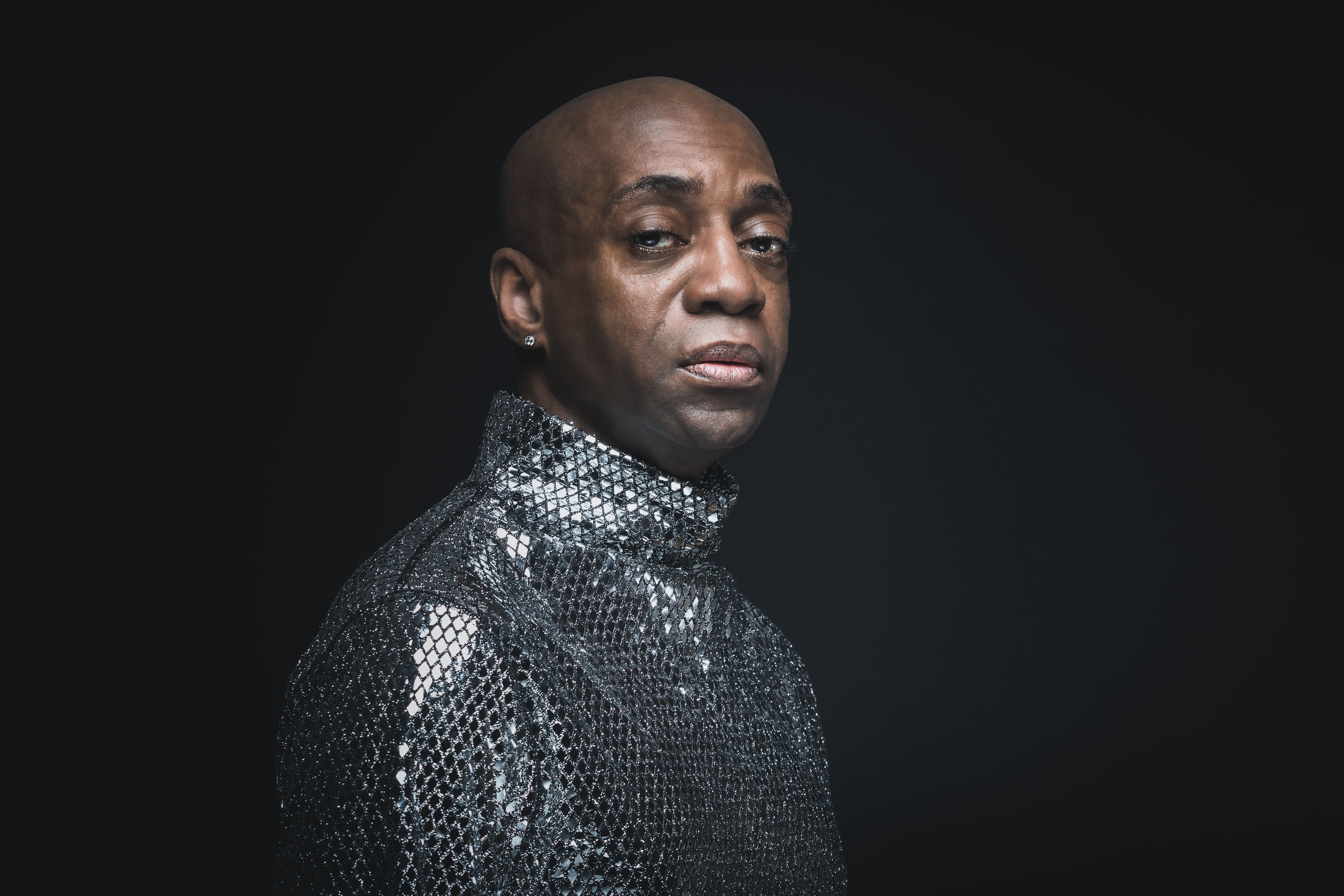 Robert Owens Interview Image (c) the artist
"I often can feel a individuals life’s journey through their vocal delivery."
Video
