Published
Names: Sababa 5, Yurika
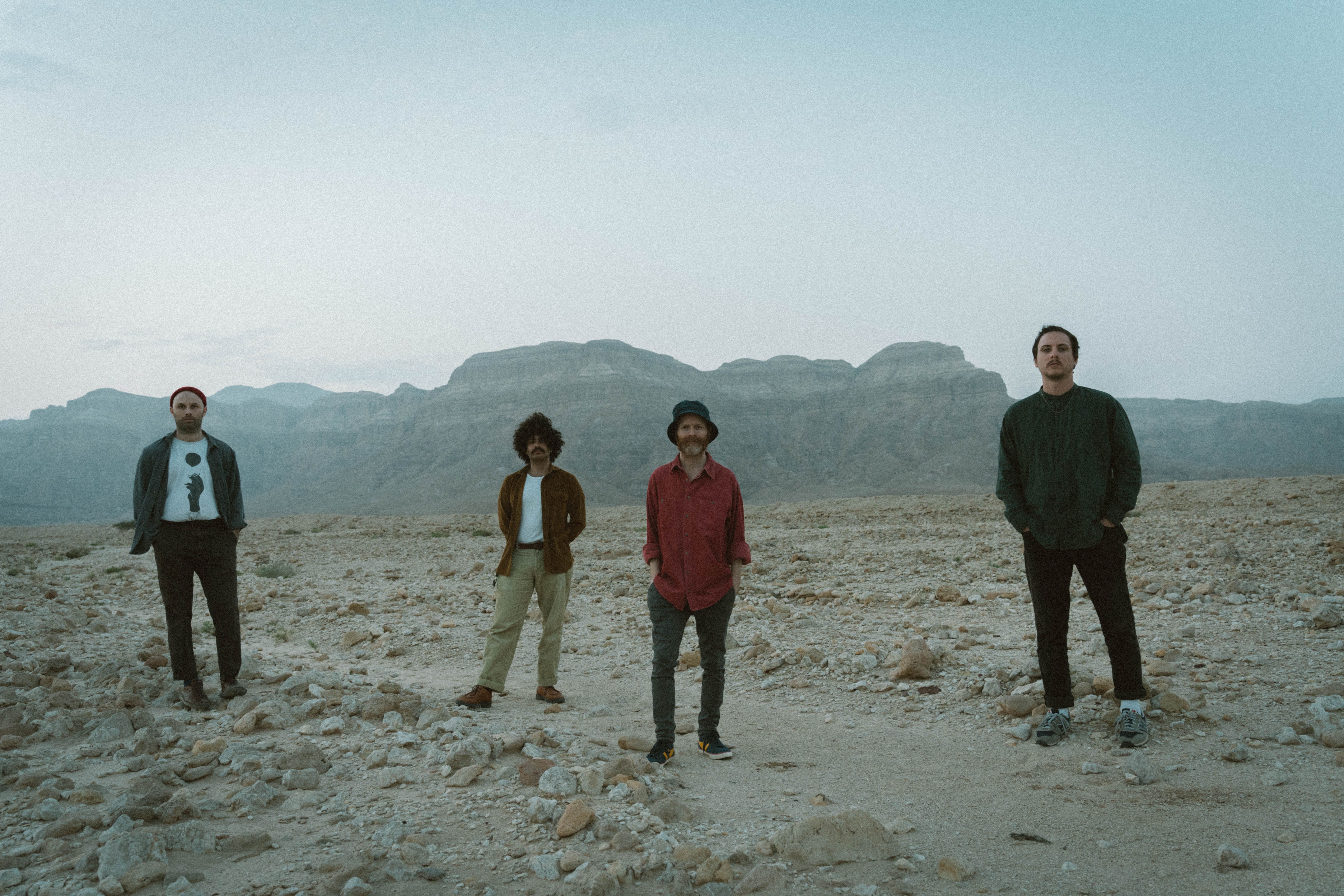
Members: Ilan Smilan (guitar), Amir Sadot (bass), Eitan Drabkin (keys), Raz Man (drums), Yurika Hanashima (vocals)
Nationality: Israeli (Sababa 5), Japanese (Yurika Hanashima)
Current release: Sababa 5 and Yurika's Kokoro is out via Batov.
Recommendations: One of the great things about being a performing musicians is that we sometimes get to visit various cities and we also like to explore exhibitions in museums if we have the time. One recent memorable exhibition was of the Romanian sculptor Brâncuși at the Pompidou museum. A book I'm currently reading is Milan Kundera's Life is Elsewhere.
If you enjoyed this Sababa 5 and Yurika interview and would like to stay up to date with their music, visit the band on Instagram and the homepage of Yurika's band Ouzo Bazooka.
What were some of your earliest collaborations? How do you look back on them with hindsight?
Our first collaboration in Sababa 5 was with Yurika, which happened quite randomly.
Looking back, it was very successful and taught us that sometimes life’s unpredictability can lead to great outcomes.
There are many potential models for collaboration, from live performances and jamming/producing in the same room together up to file sharing. Which of these do you prefer – and why?
We always prefer producing our music together with the singer in the same room.
How did this particular collaboration come about?
We met Yurika at the Teder club during her first visit to Tel Aviv. We knew she was dancing with the Boom Pam band and was Japanese.
Amir humorously offered her to sing with us, and that led to a great collaboration.
What did you know about each other before working together? Describe your creative partner in a few words, please.
We only knew she was a belly dancer from Japan. Yurika turned out to be an amazing singer, lyricist, dancer, and an even more amazing person.
What do you generally look for in a collaborator and what made you want to collaborate with each other specifically?
We look for a good flow in working together. Yurika had the right energy and enthusiasm that matched our style.
When collaborating with artists from different places, our diverse musical backgrounds help us to better understand and feel the vibes, greatly enriching the final result.
Before you started making music together, did you in any form exchange concrete ideas, goals, or strategies? Generally speaking, what are your preferences when it comes to planning vs spontaneity in a collaboration?
It varies with each artist. With Yurika, we didn't plan much. We sent her our music, and she wrote Japanese lyrics for it.
Despite different backgrounds, it was a smooth process as she was already familiar with Eastern music because of her background in belly dancing
Describe the process of working together, please. What was different from your expectations and what did the other add to the music?
Yurika wrote lyrics for our first two releases while in Tel Aviv, allowing us to collaborate closely in the studio.
Later, we worked on new songs while she was in Japan, sending demos back and forth. This was more challenging due to the distance, but we are very satisfied with the results of these new songs as well.
Is there a piece which shows the different aspects you each contributed to the process particularly clearly?
All our songs with Yurika were created similarly, with us writing the music and Yurika contributing the lyrics and her voice.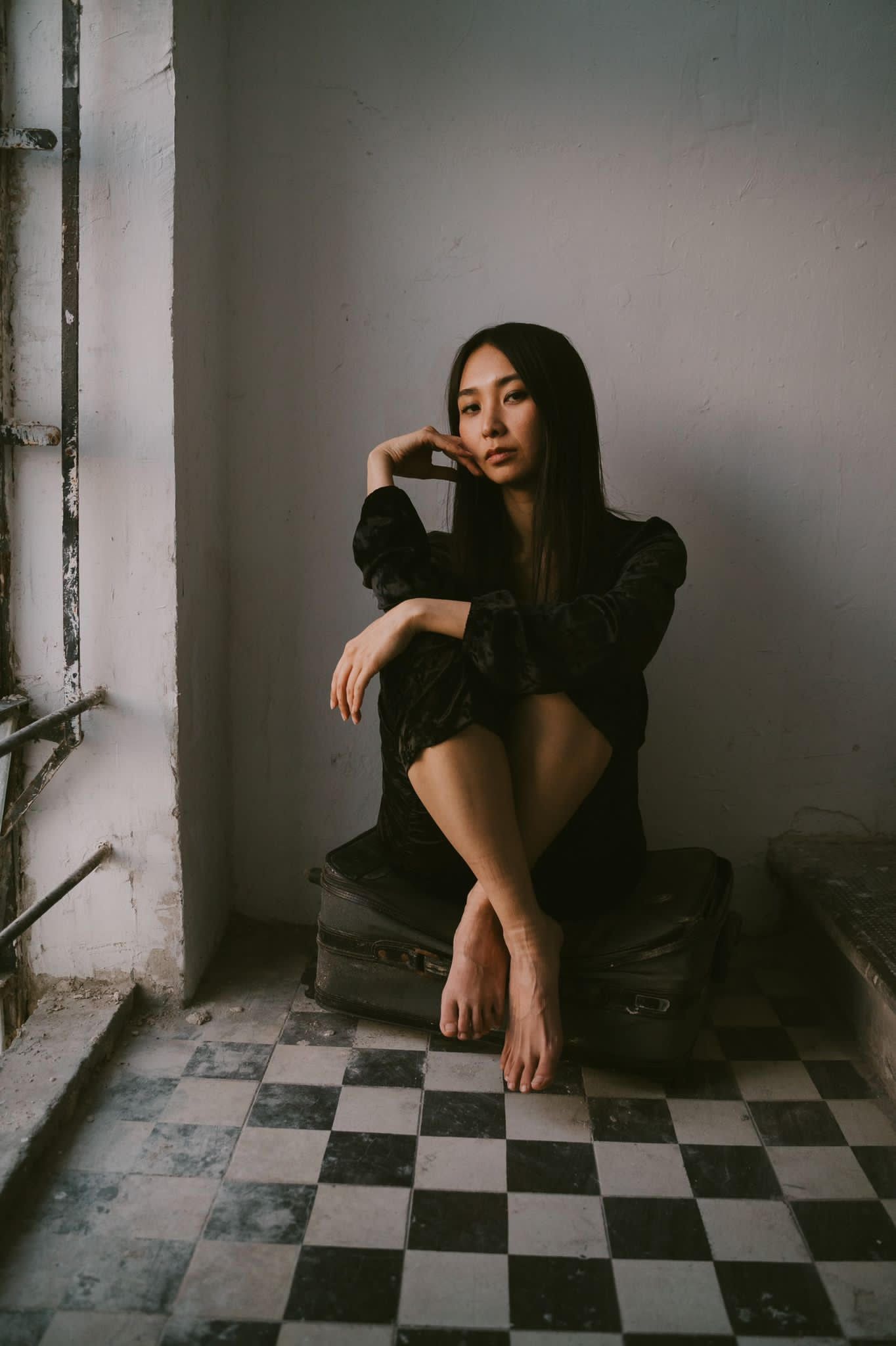
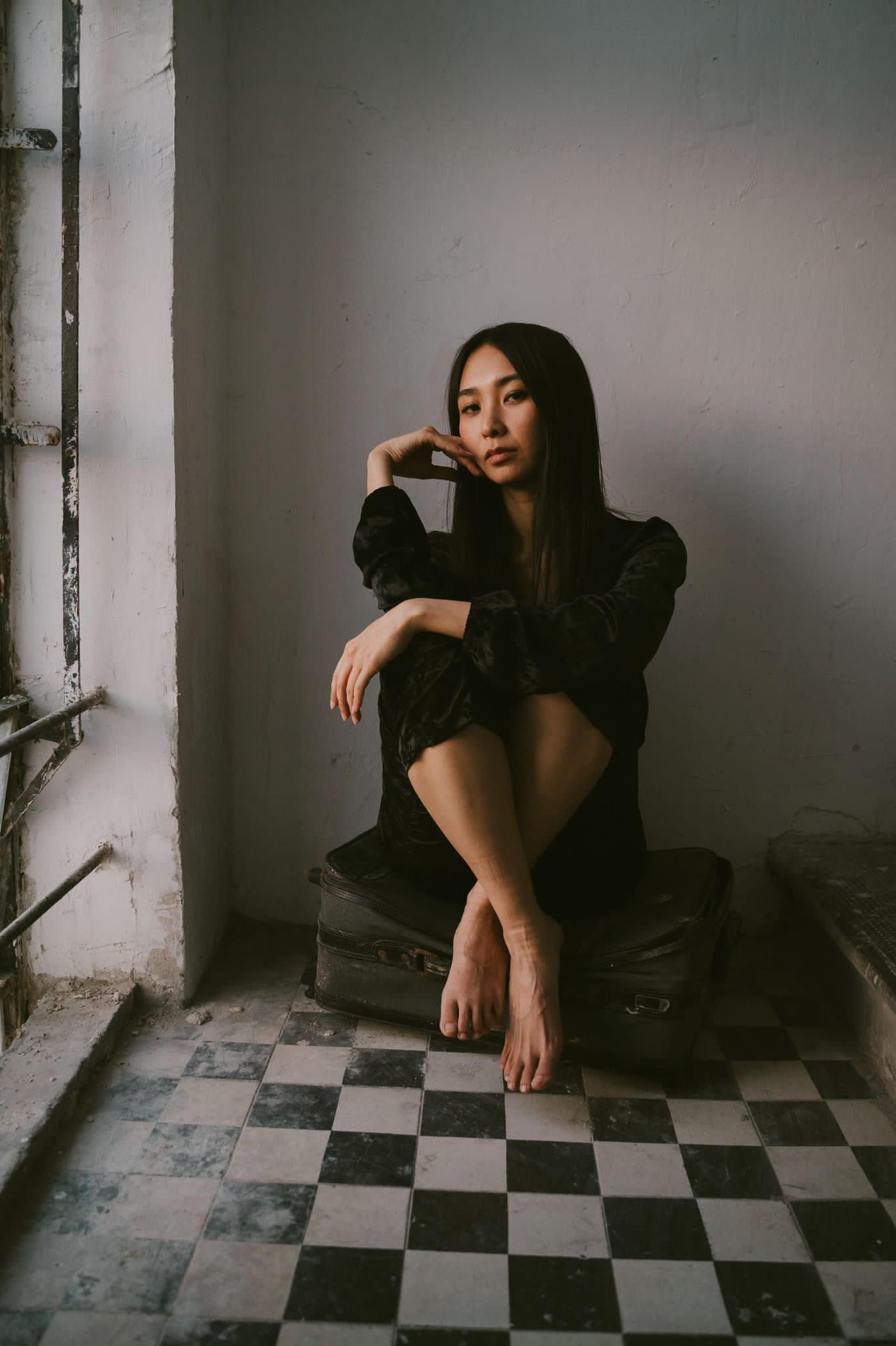
Yurika Interview Image by Vera Belo
What tend to be the best collaborations in your opinion – those with artists you have a lot in common with or those where you have more differences? What happens when another musician take you outside of your comfort zone?
Both types of collaborations can be fruitful. When working with artists we have a lot in common with, the creative process can feel seamless and intuitive, leading to a cohesive and harmonious result.
On the other hand, collaborating with artists who bring different perspectives and styles can be incredibly rewarding as well. These differences can push us out of our comfort zone, sparking innovation.
Decisions between creatives often work without words. How did this process work in this case?
We didn’t need to make many decisions; we went with the flow and what felt right.
What are your thoughts on the need for compromise vs standing by one's convictions? How did you resolve potential disagreements in this collaboration?
It depends on the situation. As producers, we guide the direction but also respect the singer’s input. It’s about knowing when to compromise.
Was/Is this collaboration fun – does it need to be?
The process of making music involves a range of emotions – fun, difficulty, joy, sadness.
It’s not necessarily about fun, but about creating something meaningful.
Do you find that thanks to this collaboration, you changed certain parts of your process or your outlook on certain creative aspects?
Our collaboration with Yurika and author singers didn’t change our artistic concept or working method
Collaborating with one's heroes can be a thrill or a cause for panic. Do you have any practical experience with this and what was it like?
Of course, collaborating with someone you admire can be stressful on the one hand but also incredibly inspiring on the other.
Sababa 5 hasn't yet had the opportunity to collaborate with artists we admired, but we would love to experience that and share how it went.