Published
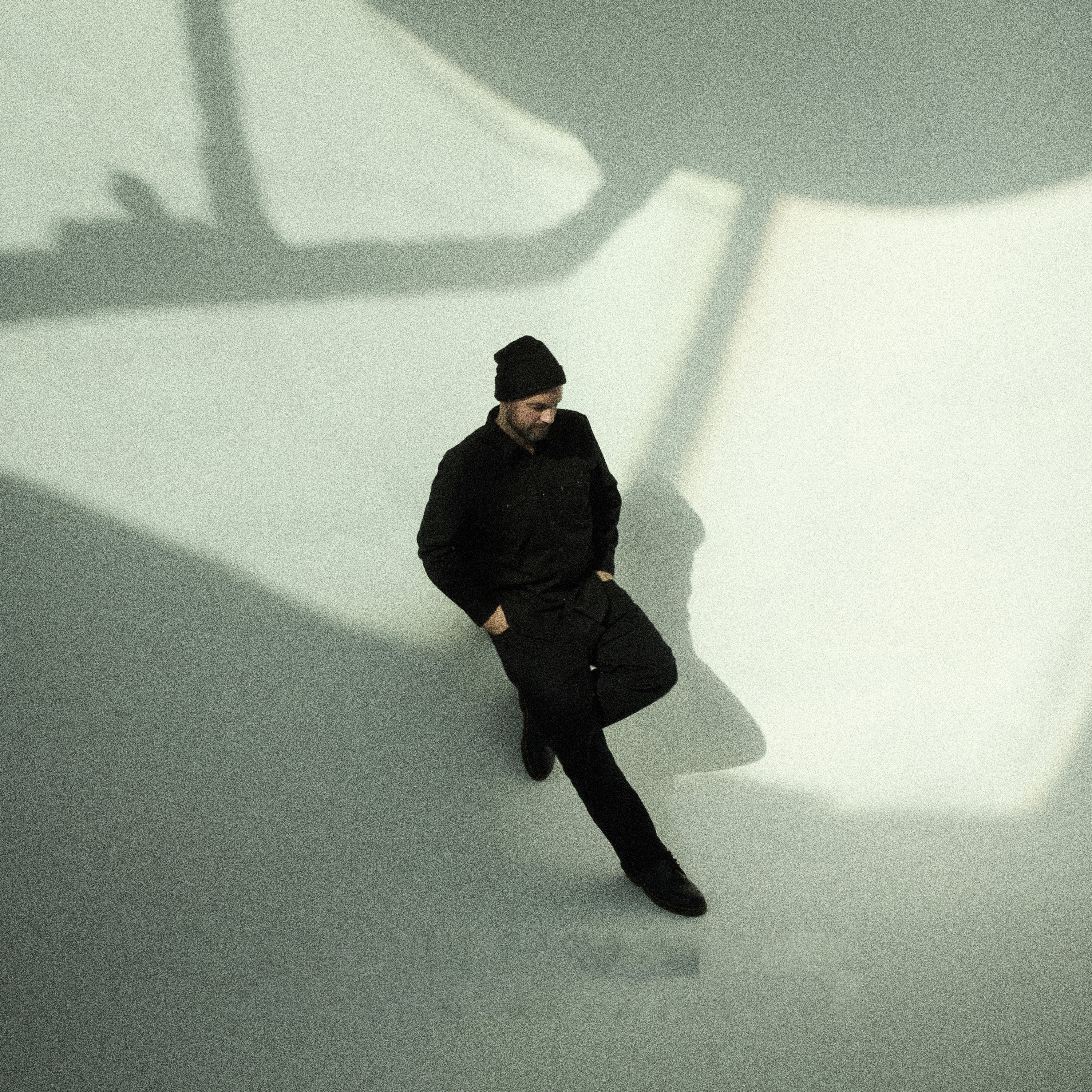
Name: Shai Maestro
Nationality: Israeli
Occupation: Pianist, composer
Current event: Shai Maestro will perform a unique solo piano concert at Kraftwerk Berlin as a pre-release of his upcoming album Solo: Miniatures and Tales, out may 2nd 2025 via Naïve. For tickets and more information, go here.
Recommendation for Catalonia: If visiting Catalonia, I highly recommend the beautiful meditation center in Llinars called Casa Virupa, home to an inspiring artistic and contemplative residency program called LAC. It's an incredible place filled with amazing people and creative energy.
Topic I am passionate about but rarely get to talk about: Lately, I’ve been really diving into Buddhist philosophy, and it has become something I deeply connect with, although it rarely comes up in conversations. I’ve been reading extensively on it and trying to actively implement the methods I’ve learned. I find the insights from Buddhism fascinating and incredibly practical.
If you enjoyed this Shai Maestro interview and would like to know more, visit his official homepage. He is also on Instagram, and Facebook.
Where does the impulse to create something come from for you? What role do often-quoted sources of inspiration like dreams, other forms of art, personal relationships, politics etc play?
The impulse to create can truly come from anywhere. It can arise from a casual conversation on the street, or from an in-depth dialogue with profound musicians, philosophers, or artists.
Inspiration is elusive and unpredictable, emerging from everyday experiences as much as from art, personal relationships, and even politics.
For you to get started, do there need to be concrete ideas – or what some have called a 'visualisation' of the finished work? What does the balance between planning and chance look like for you?
Usually, my best compositions occur when I don’t have a predefined image of the final result. Many times, approaching music like a puzzle doesn't work for me. Instead, I prefer to follow an intuitive thread: starting with a few notes, observing where they lead, and allowing the music itself to guide the direction.
There's often a moment when I discover a small musical "gold nugget," a key section or theme that serves as the anchor, giving the composition its direction. Once found, this pivotal point makes everything else flow naturally, adding depth and coherence as the piece develops.
Is there a preparation phase for your process? Do you require your tools to be laid out in a particular way, for example, do you need to do 'research' or create 'early versions'?
Absolutely. My creative process includes numerous sketches and early versions.
Typically, I record these ideas on my phone, label them, and store them in a dedicated folder. Later, I revisit these sketches to see how they might fit together or inspire a larger composition.
Do you have certain rituals to get you into the right mindset for creating? What role do certain foods or stimulants like coffee, lighting, scents, exercise or reading poetry play?
Yes, I definitely have rituals. I try to keep my phone out of the room to maintain focus. I often meditate briefly before starting, accompanied by a coffee later on.
I prefer dim lighting and occasionally use incense, creating an atmosphere that feels somewhat timeless and detached from everyday distractions.
For your latest release, what did you start with? If there were conceptual considerations, what were they?
The most beautiful aspect of my latest release was that I didn't initially set out to record a solo album. The music was captured spontaneously during performances at two wonderful venues, Concert Lab and Victor's Place.
Listening back later, I realized the recordings had an unexpected and spontaneous beauty that might not have emerged had the sessions been planned deliberately.
Tell me a bit about the way the new material developed and gradually took its final form, please.
Much of the new material emerged spontaneously through improvisation, except for a few jazz standards and one original composition titled "Gloria," which I composed on a small keyboard during an EasyJet flight.
The album also includes a revisited version of one of my older compositions.
Many writers have claimed that as soon as they enter into the process, certain aspects of the narrative are out of their hands. Do you like to keep strict control or is there a sense of following things where they lead you?
I definitely lean towards following where the music naturally leads me.
I've found consistently that whenever I try to exert too much control, the creative flow is disrupted. Allowing the process to unfold naturally always yields better results.
There are many descriptions of the creative state. How would you describe it for you personally? Is there an element of spirituality to what you do?
For me, creativity undeniably has a spiritual element. My current challenge is learning to release preconceived ideas and become fully present with the music and the piano itself.
As an intuitive player, my greatest obstacle is usually my own ego. Aligning with a more spiritual mindset, inspired by Buddhist philosophy, helps me step out of my own way, facilitating a more genuine creativity.
Once a piece is finished, how important is it for you to let it lie and evaluate it later on? How much improvement and refinement do you personally allow until you're satisfied with a piece? What does this process look like in practise?
Typically, I know immediately if a composition works or not. When a piece requires extensive revision, it often signals that it won't reach the genuine, instinctive authenticity I'm seeking.
The spontaneous initial process tends to yield the most honest and revealing music. If a piece doesn't resonate quickly, I prefer to set it aside, perhaps returning to it in the future, or simply letting it remain in the "drawer."
How do you think the meaning, or effect of an individual piece is enhanced, clarified or possibly contrasted by the EPs, or albums it is part of? Does each piece, for example, need to be consistent with the larger whole?
I definitely consider the coherence of the entire album or EP, recognizing there's still an audience who appreciates hearing an album as a complete narrative. Yet, in today's context, it's also important that each piece stands on its own, as listeners might encounter individual tracks separately.
Thus, I strive for balance—creating compositions that both contribute to a larger narrative and possess independent strength.
What's your take on the role and importance of production, including mixing and mastering for you personally? In terms of what they contribute to a song, what is the balance between the composition and the arrangement (performance)?
Production, mixing, and mastering are crucial and can significantly enhance or detract from a composition. Although these aspects can artistically transform music, they cannot substitute strong composition.
Ultimately, a genuinely good song remains paramount; no amount of production can fully compensate for a weak musical idea.
After finishing a piece or album and releasing something into the world, there can be a sense of emptiness. Can you relate to this – and how do you return to the state of creativity after experiencing it?
I no longer experience that sense of emptiness after releasing music. Instead, I try remain in a continuous state of creativity.
Perhaps it’s because this is my seventh album, and I have gained more experience handling criticism and praise, allowing me to remain grounded and balanced when responding to external feedback.
Maintaining a balanced perspective helps me stay creatively engaged without being overly affected by public reception.
I would love to know a little about the feedback you've received from listeners or critics—have there been “misunderstandings” or did you perhaps even gain new “insights?”
I've received a wide range of feedback—deep appreciation, strong emotional connections, indifference, and misunderstandings.
Music is subjective, and listeners often perceive meanings differently than intended. Something I consider sad might resonate happily with someone else.
Ultimately, authenticity resonates, and my responsibility ends once the music is out in the world.
Creativity can reach many corners of our lives. Do you feel writing music is inherently different from something mundane, like making coffee? What do you express through music that you couldn't otherwise?
Creativity definitely extends beyond music; you can be incredibly creative even preparing coffee, exploring endless nuances.
However, music is particularly special to me. It allows a profound emotional and existential expression that more routine tasks can't quite capture—perhaps offering a deeper spiritual communication than words alone.