Published
Name: Stacey Pullen
Nationality: American
Occupation: Producer, DJ
Current Release: Stacey Pullen's M€$O EP, which includes a Jamie Coins Edit, is out via Blackflag.
If you enjoyed this Stacey Pullen interview and would like to stay up to date with his music, visit him on Instagram, Soundcloud, and Facebook.
Where does the impulse to create something come from for you? What role do often-quoted sources of inspiration like dreams, other forms of art, personal relationships, politics etc play?
Every so often, I wake up with melodies and rhythms in my head. My phone is more than likely close by, and I either hum a melody or hum a beat.
I am very much into architecture and interior design, and I get inspired by the minimalistic nature, the angles, the colors, the shapes of it all.
For you to get started, do there need to be concrete ideas – or what some have called a ‘visualisation’ of the finished work? What does the balance between planning and chance look like for you?
Well, first off, I played the drums when I was younger, so I can get inspired by a beat that has been in my subconscious mind for years.
The ideas do not have to be concrete, but I really have to feel inspired, and the creative process just grows from there.
Is there a preparation phase for your process? Do you require your tools to be laid out in a particular way, for example, do you need to do ‘research’ or create ‘early versions’?
Yes, the workflow is very important in preparing for the process of making music because sometimes you can get lost in your way if you don’t have the proper tools to respond.
A little research is always good because you have to know the history of where you’ve been in order to know where you’re going. Like many artists before me, they have had great inspiring influences.
Do you have certain rituals to get you into the right mindset for creating? What role do certain foods or stimulants like coffee, lighting, scents, exercise or reading poetry play?
Sometimes, the ritual for creating is in the morning when the mind is fresh. But that is only when I begin to make or create something totally new. As the sessions and days progress, the mood gets a bit more intense and creative.
I’ve always loved incense and have always been a fan of aroma scents.
What do you start with? And, to quote a question by the great Bruce Duffie: When you come up with a musical idea, have you created the idea or have you discovered the idea?
It all depends on the mood and how I start with a track, but I would mostly say a great loop or sound repeating in my head goes a long way and inspires me to create further onto the path of rhythm.
I also played the flute in my early years, so I have a great sense of melody. I’m self-taught when it comes to playing keyboard and perfecting melodies.
Many writers have claimed that as soon as they enter into the process, certain aspects of the narrative are out of their hands. Do you like to keep strict control or is there a sense of following things where they lead you?
Being a true artist has always been a top priority of the creative process.
Naturally, you have to let things and situations flow. Each day brings new beginnings and experiences. If you try to restrict creativity, then things become stifled.
Often, while writing, new ideas and alternative roads will open themselves up, pulling and pushing the creator in a different direction. Does this happen to you, too, and how do you deal with it? What do you do with these ideas?
Of course, yes I have created many tracks within a track while the creative process is flowing. I think that’s the best feeling in the world because that means your own work inspires you.
I have done many remixes for other artists that were the second or third pass because the first passes were too great to give away, but in the end, they were all inspiring.
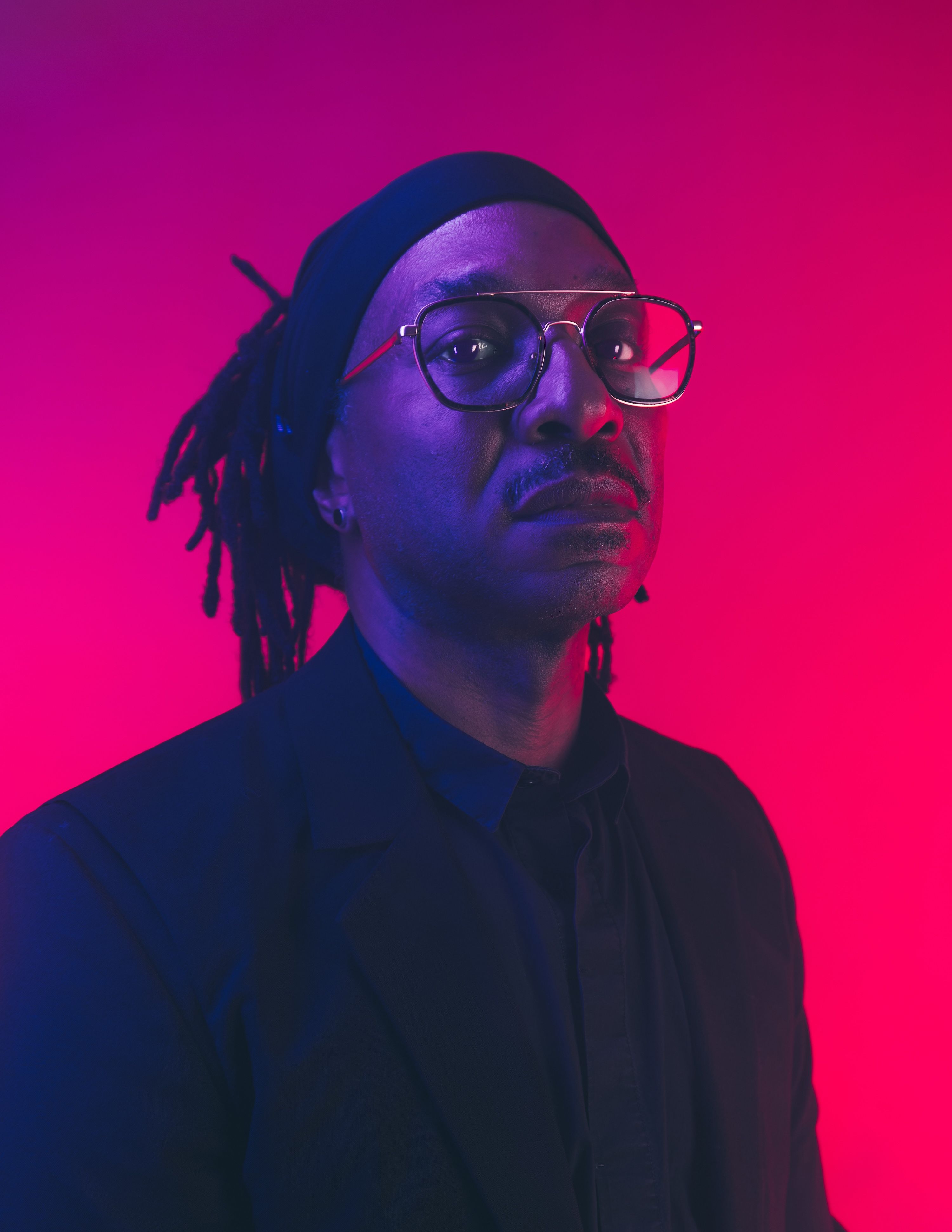
Stacey Pullen Interview Image (c) the artist
There are many descriptions of the creative state. How would you describe it for you personally? Is there an element of spirituality to what you do?
My creative state of mind has changed over the years. In the beginning, it was more based around black culture and my black African roots, learning about the cultures and the African drum, and also how my culture and different tribes communicated with one another.
In itself, it is based on spirituality. This, in fact, will never leave me. It’s part of who I am.
Once a piece is finished, how important is it for you to let it lie and evaluate it later on? How much improvement and refinement do you personally allow until you’re satisfied with a piece? What does this process look like in practise?
I am my biggest critic.
It’s a blessing and a curse at the same time because I can listen to one of my pieces of work and still not feel satisfied because, for example, I have heard it 1 million times over, and I’m exhausted from hearing the same track over and over again. And sometimes It collects dust on my hard drive because you can’t rush creativity.
I’ve never been an artist who wants to release everything just because I feel that I have to or need to always do it because I wanted to. But on the other side, all it takes is a few great gigs over the weekend, and hearing other DJs play music that gives me ideas to go back and finish that piece of work that has been collecting dust.
When you’re in the studio to record a piece, how important is the actual performance and the moment of performing the song still in an age where so much can be “done and fixed in post”?
Well, this is the beauty of creating because you have so many different roads and avenues to get to the destination, and everybody’s different. But it’s also a learning process because of technology because you can tweak things right into the very end.
I’ve been in the studio with live musicians, and they just love to jam. They record the jam session, take bits and pieces of it, and put it together like a puzzle.
Even recording a solo song is usually a collaborative process. Tell me about the importance of trust between the participants, personal relationships between musicians and engineers and the freedom to perform and try things – rather than gear, technique or “chops” - for creating a great song.
The vibe is always important, as is getting along with those you are collaborating with. There has to be mutual respect for one another, but the collaborative process must also remain authentic and not manufactured.
It has to be a natural feeling, and often, talking about the collaboration is not the best. Let’s let the music speak for itself.
What’s your take on the role and importance of production, including mixing and mastering for you personally? In terms of what they contribute to a song, what is the balance between the composition and the arrangement (performance)?
I was working with this engineer a few years ago, and he told me that mixing and mastering is about something other than how loud the track is. It should be the balance between the frequencies that complement one another.
I’ve been fortunate to see and hear many of the different ways artists achieve their goals when it comes to mixing, mastering and arranging, but also, with AI and today’s society, it helps you achieve and perfect the mix more easily.
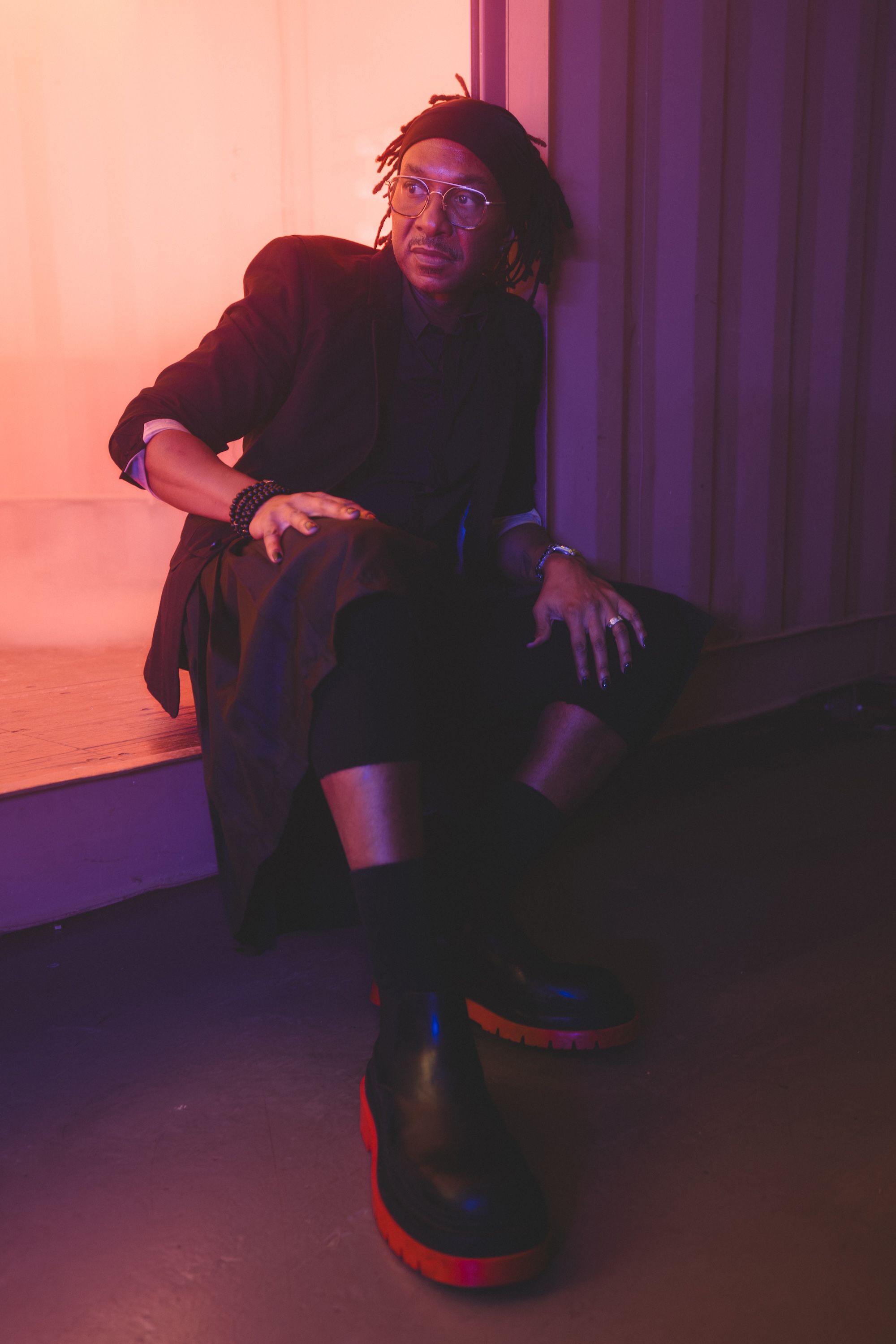
Stacey Pullen Interview Image (c) the artist
After finishing a piece or album and releasing something into the world, there can be a sense of emptiness. Can you relate to this – and how do you return to the state of creativity after experiencing it?
After finishing a track, I never want to hear it again, lol. I’m joking, but I’m quite serious as well because, like I said earlier in the interview, I’ve listened to the track that I’ve created so many times that I don’t want to hear it again no time soon.
I’ve always had conflicting thoughts in my head that I won’t play this out ever, and I’ll leave it to the other DJs to play it. But this is only if it’s DANCE music. But in this oversaturated climate, music gets lost in the shuffle without a doubt, and sometimes it gets overlooked.
Music is a language, but like any language, it can lead to misunderstandings. In which way has your own work – or perhaps the work of artists you like or admire - been misunderstood? How do you deal with this?
Everyone sounds the same nowadays; all the labels want a trendy sound that’s attainable for the masses. And that’s sad because there is no room for creativity or expression.
I think the fact that I am from Detroit helps me understand the ever-changing climate of this oversaturated music market because we were the first to do it.
Creativity can reach many different corners of our lives. Do you personally feel as though writing a piece of music is inherently different from something like making a great cup of coffee? What do you express through music that you couldn’t or wouldn’t in more ‘mundane’ tasks?
Well, it depends on where you’re buying your coffee. If you are buying your coffee from Starbucks, then there’s no creative aspect that goes into making this brand of coffee because it’s set up for people who don’t want to think about the creative process and, in this case, being musically speaking.
On the other side of this, you can go into a small café that makes coffee with love and it’s about the experience the ambience, the creative energy that flows because of the people it attracts like-minded people who care about the aesthetic of creating.
In this case once again, we are talking about people who make timeless pieces of work. Musically speaking.