Published
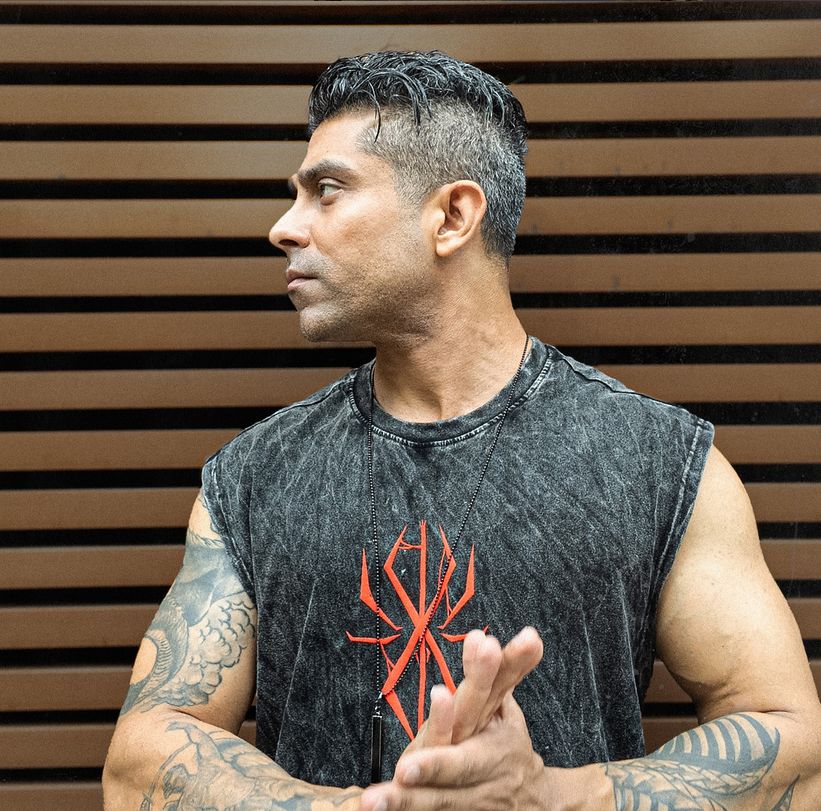
Name: Rajat Ryan aka Stoked
Nationality: Indian
Occupation: DJ, producer, booker-organiser-label-owner at Bitonal
Current release: Stoked's Sirens, featuring Chitralekha Sen, is out via Bitonal. He is currently on tour through Germany. Catch him perform here:
17th July - Kit kat, Symbiotikka (Berlin)
19th July - Sea You Festival (Freiburg)
03 Aug - Silodom (Saarbrucken)
17 Aug - Rave The Planet / Formerly ‘’Love-Parade’’ (Berlin)
If you enjoyed this Stoked interview and would like to stay up to date with his music, visit him on Instagram, and Soundcloud.
For a deeper dive, visit our interview with Stoked about DJing.
How would you describe the gradual growth of Bitonal? What were the first years like – and where do you stand today?
Since its inception in 2021, BITONAL has evolved from a modest booking agency into a recognized record label and touring agency. In the early years, our focus was on building connections, booking artists, and establishing a foothold in the Indian techno scene.
Today, BITONAL is thriving, with successful club events across India and Southeast Asia, a robust artist roster, and a growing label. Our progress is highlighted by the upcoming Dual-Tone Arena Concert showcase.
Techno happened at a very particular time in American and later German history. What do you think is it that Indian audiences are seeing and hearing in it?
Techno, which originated in America and later became deeply ingrained in the cultural and social landscapes of Germany, possesses a unique appeal that echoes with audiences globally, including those in India.
Techno embodies universal rhythm, energy, modernity, escape, liberation, cultural fusion, and most importantly, community and unity. I believe these facets of techno are what Indian audiences are experiencing and connecting with.
Tell me about the Indian techno scene, when you began as an event organiser, DJ, and producer. How has it changed since then?
When I began as a DJ, the Indian techno scene was very small with limited venues and smaller, niche audiences.
Over the years, it has grown significantly with more festivals, international artist tours, and a larger, more diverse audience. The scene now is bourgeoning, with local talent gaining recognition and more sophisticated production values in events.
What is the club scene in India like and what are some of your favourite spots to perform?
The club scene in India is constantly evolving, with a growing appreciation for electronic music.
Some of my favourite spots to perform include, Sunburn Union (Bangalore) Prism & Xora (Hyderabad) and SOHO (Delhi). These venues have been pivotal in fostering the techno movement in India.
You've booked quite a few Western acts in India. What is it they enjoy about their performances – do they tend to feel these gigs are notably different from their sets at home?
They relish the challenge of performing an adaptive set for a young, energetic, and eager crowd.
While they generally stick to their signature bassline sound, they are willing to adjust and play a more accessible set than they typically would in their usual environment.
In electronic music, regional differences may be slightly harder to detect than in other music … Do you feel as though many Indian techno productions do have an “Indian” touch to them? How would you describe the “Asian techno sound” the press release mentions?
In electronic music, regional differences can be more subtle than in other genres. However, some Indian techno productions feature a distinct "Indian" touch, often characterized by traditional Indian instruments, rhythms, and melodic structures.
The "Asian techno sound" mentioned in the press release refers to this unique fusion, where I incorporate ethnic vocals, percussive elements, and other cultural influences from across Asia. This creates a sound that is both familiar and innovative.
For instance, in one of my upcoming productions, I use a traditional flute sound to create the main arp. This blend adds richness and diversity, making the tracks stand out in the global techno scene.
Are you personally interested in the fusion of Western and Eastern influences in music? What are examples where this has led to inspiring results from your perspective?
I certainly believe in the appeal and significance of blending Western and Eastern influences in music. This fusion can create unique combinations of sounds providing fresh inspiration for artists to bring something new to the music they create, much like how I am blending Indian influences with techno in my productions.
My upcoming track “Sirens” has original vocals sung by Chitralekha Sen & Indian Summer has vocals and a flute sample from an old Bollywood movie.
That’s why I love techno, it knows no boundaries.
There are fascinating overlaps in Eastern and Western thinking when it comes to music and determining the arrow of influence is very hard. Do you think that similarities are more coincidental, lost in translation or actual identical thought patterns?
The overlaps between Eastern and Western musical traditions likely stem from a combination of factors. Some similarities are coincidental, as cultures independently develop comparable musical approaches, rhythms & scales. Historical exchanges and blending of ideas also contribute, even if some nuances get lost in translation.
Ultimately it's a mix of coincidence, cultural exchange, and shared thought patterns that create these fascinating intersections in global music.
How will your sets in Germany be different from those in India – if at all?
My sets in Germany, and generally across most of Europe, often differ significantly from those I play in India, although there are times when they can be quite similar. The direction I take with my sets depends largely on the specific city, club, or festival I'm performing at.
In India, I might transition from melodic to progressive to driving peak time techno, whereas in Germany, I frequently deliver intense, driving, and raw hypnotic techno from start to finish.
Ultimately, my choices always depend on the vibe I get from the venue / audience.