Published
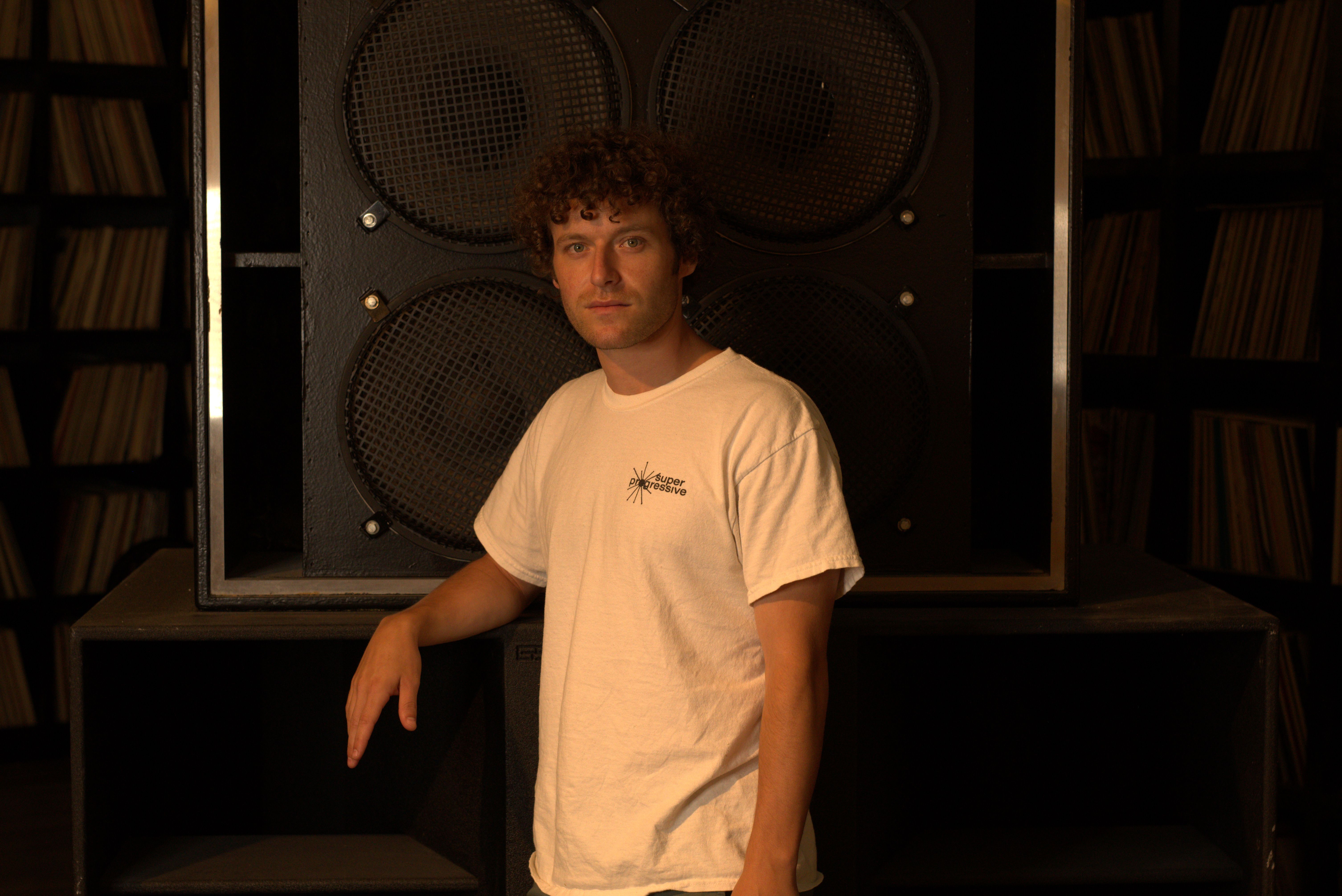
Name: William Noglows aka Super Progressive
Nationality: American
Occupation: DJ, journalist
If you enjoyed this Super Progressive interview and would like to know more about his perfomances and podcast, visit him on Instagram, and Youtube.
Over time, you have amassed an impressive wealth of interviews. What was your personal motivation for speaking to these artists? Would you say you approach the podcast as a fan or a journalist?
I would say I have always approached this project as a journalist, and my personal motivation was to serve an audience, which is this global community of extremely passionate clubbers who still love this 90s and early 2000s progressive underground sound.
Before starting Super Progressive, I had never even heard of Sasha, John Digweed, Nick Warren, Hernan Cattaneo, or Dave Seaman. But everything changed when I was gifted my older cousin’s Global Underground collection.
I then found this amazing online community on Facebook called ‘Progressive House Classics’, and I said to myself ‘Wow, these people really care about this music.’
At the time, it was the pandemic and I was listening to The Nine Club skateboarding podcast which was essentially feature interviews with pioneering skateboarders to understand the history of skateboarding.
When I went on YouTube to learn about the history of progressive house, I found nothing, so I thought I could apply The Nine Club’s format to progressive house history.
[Read our Sasha interview]
[Read our John Digweed interview]
[Read our Dave Seaman interview]
When it comes to the music and the artists you're focusing on in your podcast, what do your guests love to talk about?
My guests love to talk about what the word progressive means to them, because the term itself is so open-ended.
If you ask 10 people around the world what progressive house is, they will play you 10 songs that sound completely different from one another. So the definition of progressive is really personal to everyone, and the artists love to share their perspective.
From listener feedback, how much interest is there still for conversations about music, rather than interviews on “making it,” “the industry,” and the technological and financial challenges facing artists today?
When it comes to Super Progressive, I think there’s more interest in learning about the DJing and producing techniques and mindset than anything else, even more so than the history and backstory of each artist. Some of these artists are true musical geniuses.
I just did an interview with Guy J and its focus was on his DJing and producing techniques, and it’s my best performing interview ever, so I think there’s definitely interest for it.
[Read our Guy J interview]
Are there specific things you learned for your own DJing from your conversations?
The best thing I learned was from speaking with Sander Kleinenberg in my fourth ever interview when he said that the DJ’s job is to listen to 4,000 tracks and pick the best 10 or 12. I have taken that with me on my own DJ journey.
I listen to every single track released on Beatport, every single promo sent to my inbox. I try and listen to 1,000 tracks a week, and that usually leaves me with about 10 tracks each week that I really like, and that’s how I build my DJ library.
Another thing that stuck with me was some repeated advice that a great opening gig for a really big DJ can open up a lot of doors for you, which is why I’ve focused so much on performing quality, respectful opening sets, and that has become my favorite slot.
Are there specific things you learned for your perspective on music and creativity in general from your conversations?
Speaking with these artists, they listen to so much music outside of electronic music, and that really makes sense to me because I listen to more rock, punk, emo, and grunge music than electronic music, and you bring your favorite elements of those songs into the electronic world.
Super Progressive is not just a podcast, it's a channel with a colourful range of features. I am curious about your opinion on what kind of content works these days?
I think any type of content that is authentic and brings fans closer to their favorite artists will always be the type of content I want to create.
I used to do proper camera set ups for my interviews, three cameras, light boxes, everything. Now it’s just me and my handheld camera, and I do that because it gives an authentic feeling to the viewer, and the artists seem to open up more.
How do you see the importance of journalistic content in a time when traditional music journalism seems to be disappearing?
I think this scene deserves dedicated media coverage. People dedicate their lives to this music around the world.
And yes, traditional journalism seems to be disappearing, but there are more tools than ever for any person passionate about this music to say, hey, I want to express my passion through this music by sharing my own stories or seeking out new interesting stories from artists I admire.