Published
Name: Tarek Zarroug aka Taroug
Occupation: Producer, drummer, beatmaker, sound engineer
Nationality: Tunisian, Germany-based
Recent release: Taroug's Darts & Kites is out via Denovali.
If you enjoyed this Taroug interview and would like to stay up to date with his music, visit his official homepage. He is also on Instagram, Soundcloud, and Facebook.
For a deeper dive, check out earlier Taroug interview about his creative process and collaboration.
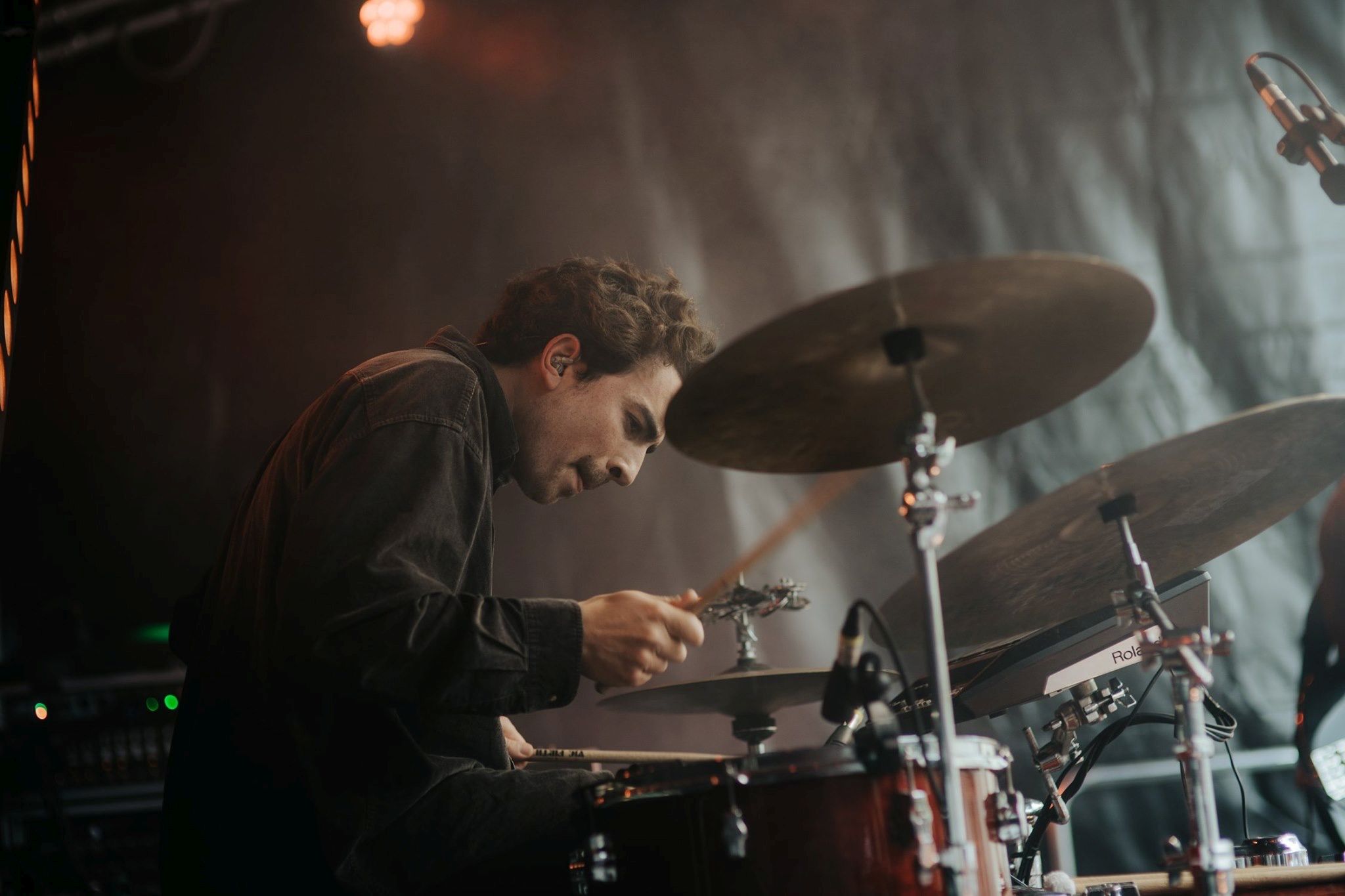
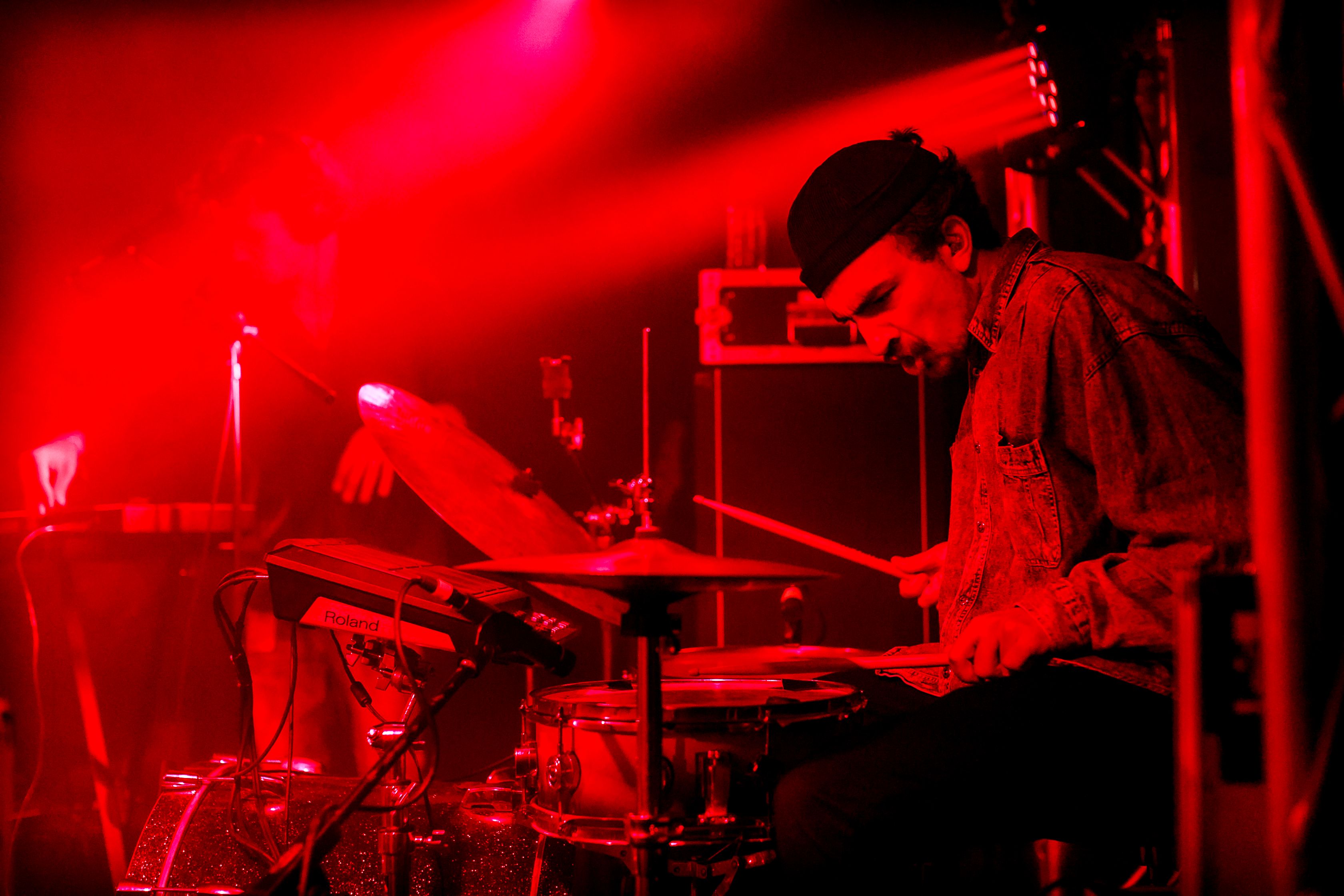
In relation to drumming, Stewart Copeland said: “Listening is where the cool stuff comes from. And that listening thing, magically, turns all of your chops into gold.” What do you listen for?
That’s very true. I’ve never really been interested in technique and virtuosity too much. For me it’s way more important to listen for emotions and sound aesthetics to serve the song and how these reflect to the audience.
Especially during my studies at the Conservatory I was afraid to loose that sense when working as a full time musician, as in my experience non-professional musicians often have more soul in their music. Luckily that never changed :)
Drumming is an integral part of many cultures, and traditions. Which of these do you draw from for Darts & Kites – and why? What role did the Penrose tiling play in this regard?
I produced the most part of Darts & Kites while my studio still was in my bedroom in a shared flat. Setting up and recording a drum set was not possible, so that’s one reason why a lot of the rhythmic structures on this album are based on drum machines and recorded percussions.
For some of the songs, especially “Queen of Carthage,” I performed layers of rhythmic patterns with a beautiful sounding ceramic bongo from Egypt.
While composing I didn’t have a specific direction of drumming in mind and I think it turned out to be a very colorful mix of several influences. I definitely drew some inspiration from North African cultures like berber music. There is no conscious connection between the drumming and the Penrose tiling.
How do time signatures and tempo affect our perception of rhythm?
Different time signatures have a strong influence on our perception of rhythm and our association with different musical cultures.
Tempo affects the mood and density of a piece. Even a difference of 5 BPM can drastically change rhythmic patterns. Sometimes I enjoy taking a nearly finished song and slow down or speed up excessively, what can lead to new approaches.
Combining multiple time signatures simultaneously can lead to complex polyrhythmic textures and that’s a great way to bring more interest and variety for example in loop-based music.
What is the relationship between harmony, rhythm and melody? How do non-percussion instruments contribute to the overall rhythmic texture of a piece?
Hazrat Inayat Khan said: “Motion is the significance of life, and the law of motion is rhythm.“
Rhythm is in our breathing and it defines the changes of the seasons. I think in music rhythm is the element that connects harmonic, melodic and percussive instruments. Every instrument, voice and object can add a lot to the rhythmic texture and can serve as a percussive instrument.
To regard instruments as non-percussive would close off a whole world of sonic possibilities.
Different drums have a distinct sound and drums and percussion are also timbral instruments. What drum sound are you aiming for and how are you making use of the timbral potentials and possibilities of your instruments?
I mostly aim for a more dark and earthy tone when it comes to drums or percussions. That’s one reason why I prefer vintage drums, as they often have a warmer sound compared to a lot of the modern drums.
Regarding cymbals it’s similar. I love mainly thin and big jazzy stuff with a dark timbre and full sound. I also like experimenting with all kind of sticks, brushes, mallets or anything I have access to, to explore the tonal possibilities of drums and percussions.
Recording techniques and microphone placement also play a big role in achieving a certain sound. I also enjoy extreme re-pitching or processing through stuff like tape machines to bend sounds even further.