Published
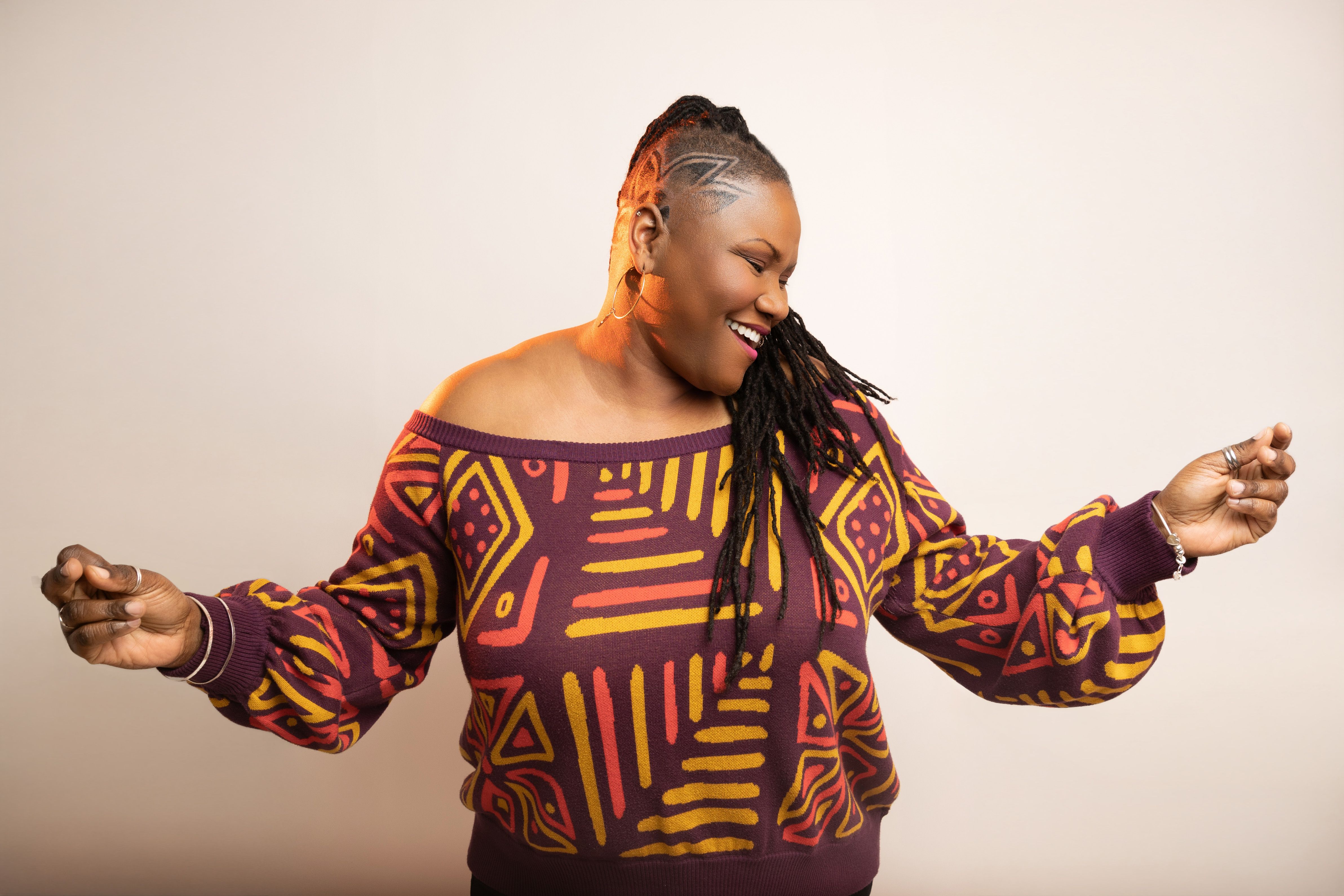
Name: Tasha LaRae
Occupation: Singer, songwriter
Nationality: American
Current release: Tasha LaRae's new album Right Now is out March 28th 2025 via Quantize.
Life Lesson: Singing has been a journey of self-discovery for me. It’s taught me to embrace my unique voice, both literally and figuratively, and to share it with the world confidently. Being an international artist has also expanded my perspective, I’ve learned to truly see people for who they are, rather than relying on assumptions or first impressions.
One of the biggest lessons I’ve learned is that when life presents challenges that seem impossible, there’s always another angle I haven’t considered. Sometimes, all it takes is shifting my perspective to find a way forward.
If you’re still reading this, I want you to know your voice, your creativity, and your story matter. Somewhere in the world, there’s someone who needs to hear what you have to say. So don’t hold back - share your art, and let your voice be heard.
If you enjoyed this Tasha LaRae interview and would like to stay up to date with her music, visit her official website. She is also on Instagram.
When did you first consciously start getting interested in singing?
I developed a serious interest in singing when I was 13 years old.
The movie Sister Act 2 had just been released, and I vividly remember watching Lauryn Hill and Tanya Blount sing “His Eye Is on the Sparrow” at the piano.
That moment was a revelation, I realized that singing could be more than just something I loved; it could be a path for my future.
From there, I immersed myself in music. I joined my school choir, entered talent shows, and soon after, started a singing group with two of my best friends. We performed at school functions and events around town, gaining experience and confidence along the way.
I still remember the first time I stepped on stage, I was nervous, but once I started singing, everything clicked. It felt natural like I was expressing every emotion I had inside. And when I saw how the audience connected with it, I knew I had found something special.
Singing is an integral part of all cultures and traditions. Which of these do you draw from—and why?
The human experience is filled with emotions that can be difficult to put into words. Singing, like many other art forms, gives me a way to express what I feel, even when language falls short. It’s a sanctuary, a space where I can be vulnerable without fear of judgment.
As an African-American woman, I feel deeply connected to my ancestors and the hardships they endured. While I haven’t experienced those struggles firsthand, the emotions they carried - pain, hope, faith, resilience, and love have been passed down through generations.
When I sing, those feelings come through in my voice, adding depth and meaning to every note and lyric.
What were some of the main challenges in your development as a singer/vocalist? Which practices, exercises, or teachers were most helpful in reaching your goals?
Before I could refine my vocal technique, I had to work on my mindset. Early on, I struggled with low self-esteem due to negative words spoken to me as a child. I had to rebuild my confidence because, without it, my lack of self-belief would show in every aspect of my performance.
Once I learned to love and accept myself, I was able to fully step into my artistry. I reminded myself that my voice and my songs have value, and that gave me the courage to share my music with the world.
Vocally, I’ve learned that how I treat my body directly impacts how I treat my voice. Working with great vocal coaches has been a game-changer for me. Some coaches I admire are Ametria Dock, Cheryl Porter, and Natarsha Garcia, who have all helped me enhance my technique, strengthen my voice, and sustain my performance endurance.
Having the right mentors and a strong support system makes all the difference in building a lasting career.
We have a speaking voice and a singing voice. Do these feel like natural extensions of each other, or do they function differently?
I believe the speaking and singing voices are natural extensions of each other. Our speaking voice is shaped by our vocabulary and the way we communicate in daily life, but singing allows us to transcend those limitations.
When we sing, we tap into a deeper form of expression, one that isn't restricted by words alone. Even without lyrics, melodies can communicate emotions in a way that speech sometimes cannot. That’s the magic of music, it connects us beyond language.
When you're writing song lyrics, do you sense or see a connection between your voice and the text? Does it need to feel or sound "right" to sing certain words? How do you approach singing someone else’s songs versus your own?
Absolutely. When I write lyrics, I think about not just the message but also how the words will feel when sung. A song has to be singable - both in terms of meaning and mechanics. Some words and phrases don’t flow well vocally, so I make sure the lyrics are both emotionally resonant and easy to deliver.
For example, saying “Well, won’t you love me?” can feel clunky when sung, but replacing it with “Why won’t you love me?” creates a smoother flow. Those small adjustments make a big difference in how natural and expressive a song feels.
When it comes to singing someone else’s song, I have to connect with it on a personal level. If the lyrics resonate with me and the melody moves me, I can make it my own. Interpreting another artist’s work gives me a fresh perspective and pushes me to explore new vocal textures and emotions.
Strain is a serious issue for many vocalists. How do you take care of your voice? Are there techniques to help recover from vocal damage?
Taking care of my voice starts with taking care of my body. Proper rest, hydration, and a nutrient-rich diet all play a role in vocal health. I also make sure to warm up my voice every morning and cool it down at night.
Singing is like running a marathon, you wouldn’t just wake up and start sprinting. You prepare, stretch, and give your body what it needs to perform at its best. The same principle applies to the voice.
When it comes to vocal strain, prevention is always better than cure. However, if damage does occur, the first step is to see a specialist. Based on their recommendations, recovery is possible, but there’s always a risk that some damage may be permanent.
That’s why vocal health is so important - protecting your instrument ensures longevity in your career.