Published
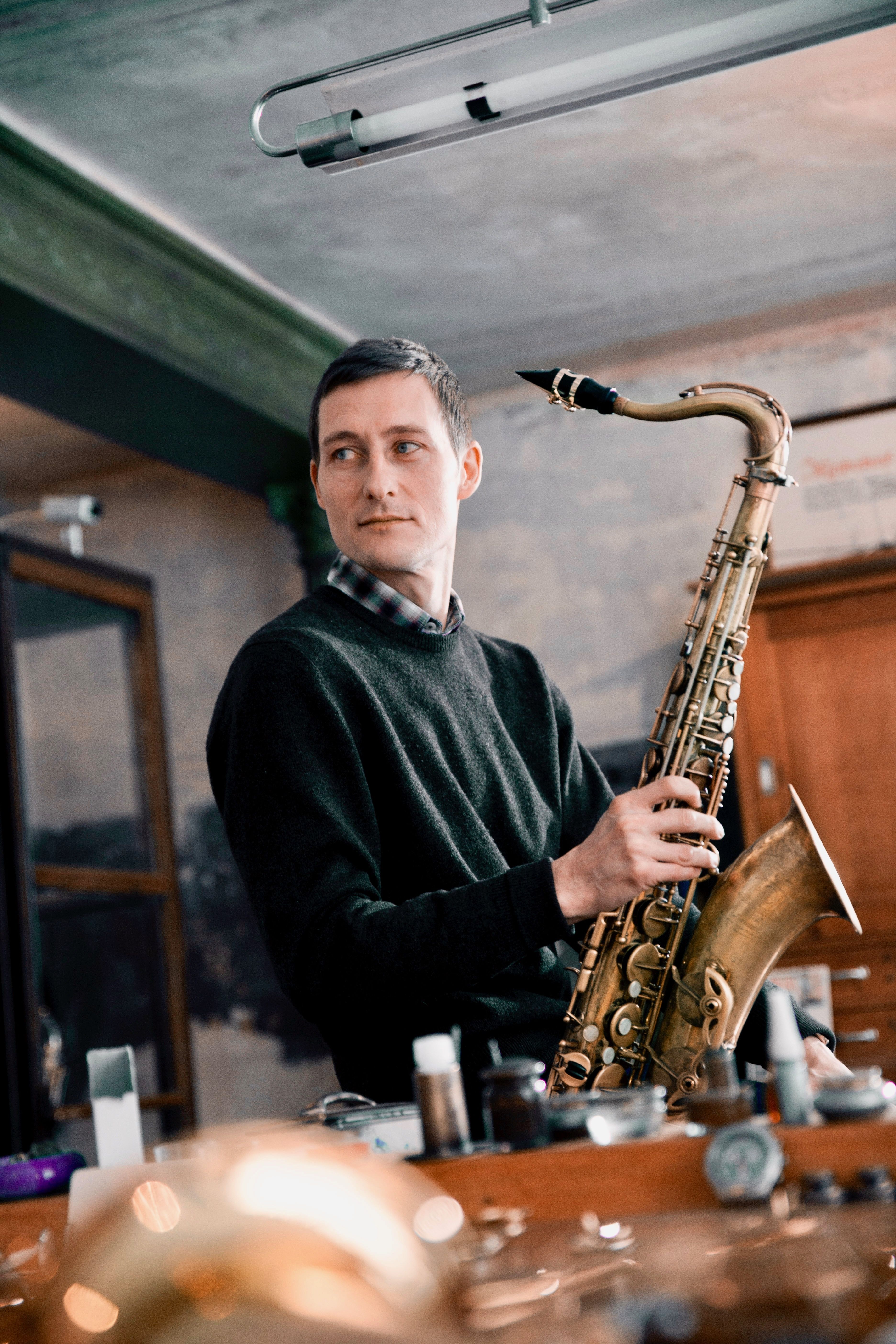
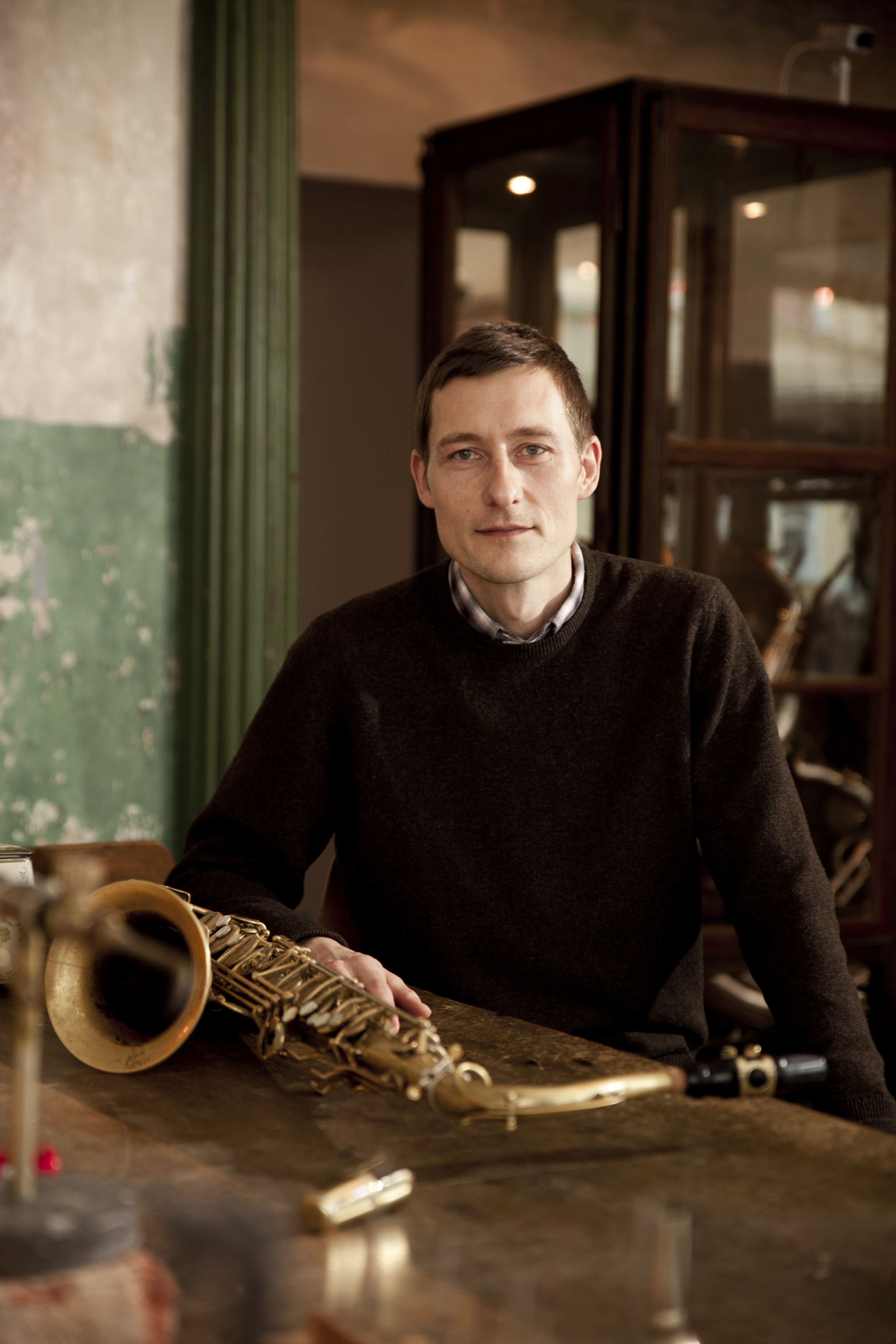
Name: Till Martin
Nationality: German
Occupation: Saxophonist, composer, improviser
Current event: Till Martin's new album Three Piece Puzzle, featuring Simon Popp (drums, percussion) and Christian Elsässer (piano, fender rhodes) is out now.
[Read our Simon Popp interview]
[Read our feature on the Fender Rhodes]
If you enjoyed this Till Martin interview and would like to know more about his music, visit his official homepage. He is also on Instagram.
What were some of the musical experiences which planted a seed for your interest in jazz?
When I was 15, a friend gave me a recording of Charlie Parker & Dizzy Gillespie's Massey Hall Concert from 1953. I had never heard anything like it before.
The music, the lively energy, the sense of freedom, and the electric atmosphere in the hall completely blew me away.
How do jazz and jazz culture factor into your artistic processes and the music resulting from them?
As a saxophonist, jazz in all its forms has been my most profound influence, especially the great jazz saxophonists known for their distinct, recognizable sounds. Today, I stay open to a broad spectrum of musical directions, exploring what truly resonates with me.
My 2024 album, Three Piece Puzzle, for instance - featuring saxophone, piano/fender rhodes, and drums/percussion—captures this journey, bringing in unconventional perspectives, sounds, certain ideas for collective improvisation, various moods and rhythms.
What does the term jazz mean today, would you say?
It depends on whom you ask. Some think of the '50s and '60s Blue Note era, others think of big band swing, or of free jazz and intellectual 'nerd music.'
Probably, 'jazz' stands for authentic, and somewhat challenging, handmade music that has improvised parts. Unlike in the past, when the term had a negative connotation, it’s now more positively perceived.
Jazz was about a lot more than just music in the 60s and 70s, from politics to fashion. For you personally, is jazz still a way of life – and if so, in which way?
For me, as a musician making a living from this music, it’s a personal way of life— authentic and deeply rooted, yet free from the usual clichés.
Many people perceive jazz as a genre with high barriers of entrance, both for listeners and musicians. What have your own experiences been in this regard?
As I said, it was 'bang' for me, and at 15, I was instantly captivated by bebop and Charlie Parker upon first listening, leading me to start playing alto saxophone.
My saxophone teacher told me John Coltrane was also an important saxophonist. I went to the record store and came out with his Live at Birdland album but didn’t understand it. It was so different from Parker.
A year later, Coltrane completely captivated me. I switched from alto to tenor saxophone and spent years listening to everything with his name on it.
Derek Bailey defined improvising as the search for material which is endlessly transformable. As of 2024, what kind of materials are particularly stimulating for you?
I’m inspired by materials that push the boundaries of jazz, weaving in classical aesthetics, and diverse traditional and popular musical forms to create new perspectives, and structural ideas.
For me, improvisation isn’t just about novelty; it’s about blending the familiar with the unexpected.
By working with contrasting textures, surprising harmonic shifts, various rhythms and sounds, the music stays alive and continuously evolving.
What, would you say, are the key ideas behind your approach to improvisation?
Improvisation for me is musical communication. It can happen more collectively, like in a conversation, or like a quasi-shared monologue that has a direction.
As a soloist, I keep myself open, inspired by my fellow musicians, and enjoy developing ideas with my fellow musicians spontaneously, taking risks, and seeing where it leads. The direction of an improvisation depends greatly on what musically happened just before.
Contrasts, surprises, harmonic shifts, movement, tension arcs and the personal sound are important elements.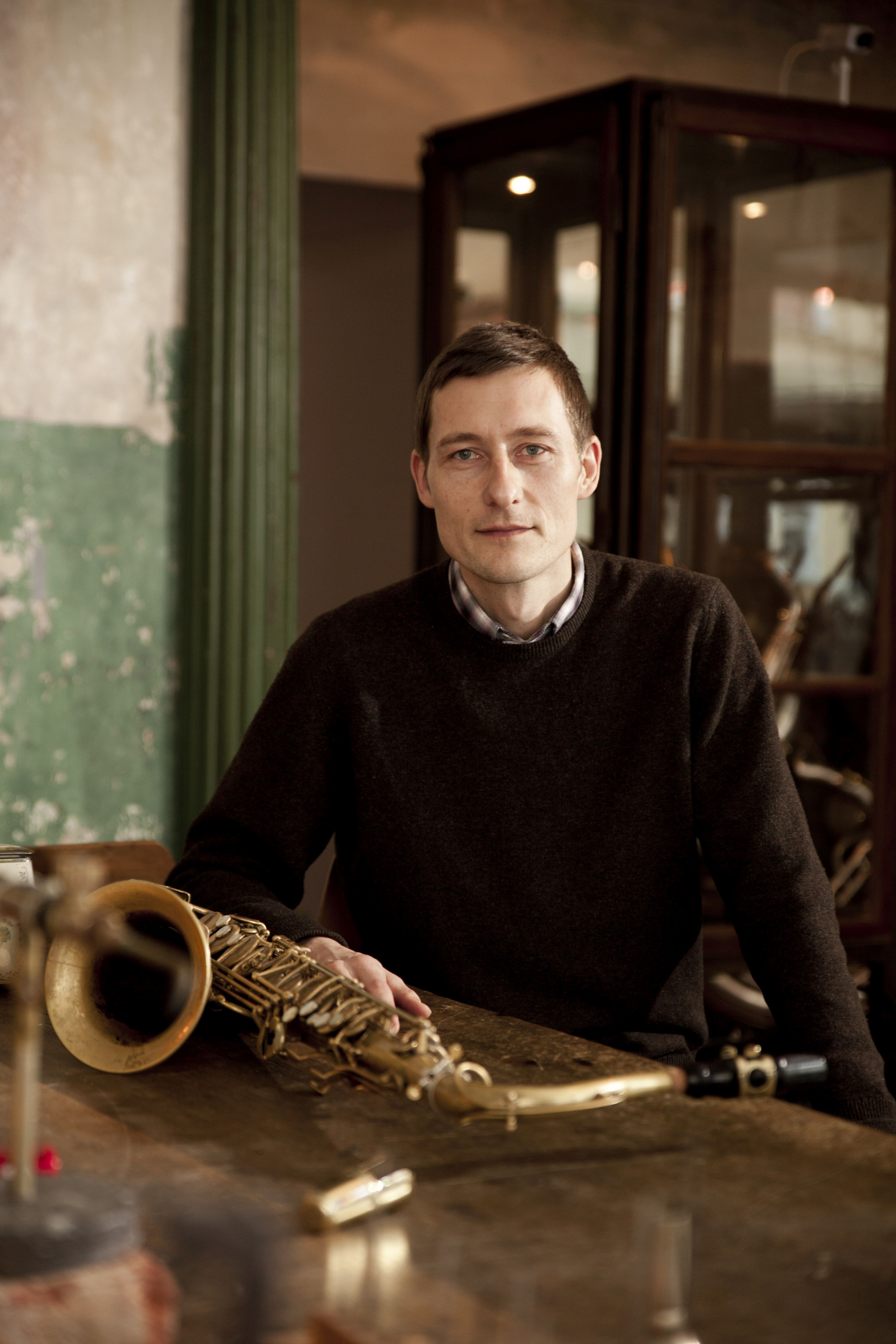
Till Martin Interview Image by Quirin Leppert
How would you describe your relationship with your instrument – is it an extension of your self/body, a partner and companion, a creative catalyst, a challenge to be overcome, something else entirely?
I have a strong connection to my saxophone. Ideally, when I’m playing, I forget the instrument altogether; I’m just in the music. Playing the saxophone feels completely natural, maybe like speaking or moving.
Playing an instrument, finding your own voice on it, and constantly evolving means constant work - a journey toward an endless pursuit of beauty and expression.
Jazz has always had an interesting relationship between honouring its roots and exploring the unknown. What does the balance between these two poles look like in your music?
The music I create builds on my musical experiences. Moving forward from that foundation and trying to find fresh paths is very important to me.
Often, the best ideas come unexpectedly, as if they simply fall into your lap. For instance, with Regarding a Line, an album built around a single twelve-tone row, I found after a while of playing around on the melodic material, numerous ideas emerged naturally. Eventually, i decided to create an entire program based on it.
Whether you’re truly exploring the unknown isn’t the key question for me. What matters is having a personal approach and delivering a distinct perspective.
My album Knit for Elly, for example, is a tribute to pioneering jazz musicians and composers like Duke Ellington, Bill Evans, Jimmy Giuffre, and the Kind of Blue album by the Miles Davis Quintet—icons in jazz who have long inspired me.
Knit for Elly consists entirely of my compositions, and is inspired by the idea of tribute rather than a quest to explore the unknown.
For many artists, life-changing musical experiences take place live. How do you see that yourself?
For me, transformative musical experiences mostly happen in solitude and quiet moments. I find these shifts when I’m composing, reflecting deeply on emotions, or immersing myself in nature.
While live performances definitely have their own magic, it’s in these spaces that I connect most profoundly with inspiration and creativity that lead to the most meaningful musical insights.
How, would you say are your live performances and your recording projects connected at the moment? How do they mutually influence and feed off each other?
For recent album recordings, I’ve found it more interesting to keep the pieces shorter, to emphasize the essence of the composition and maintain its mood.
Concerts, however, offer more freedom since the audience is part of the creation process. It makes me perceive the balance between composition and improvisation differently. Live, our improvisations are longer, and very surprising things can happen.
If our concert is, as it was recently, broadcasted live by radio, that doesn’t change the music.
There are various models to support jazz artists, from financial help to mentorships/masterclasses. Which of these feel like the best way forward to you?
With the growing challenges of monetizing recordings, financial support for specific projects and recordings I’m passionate about would be incredibly valuable.