Published
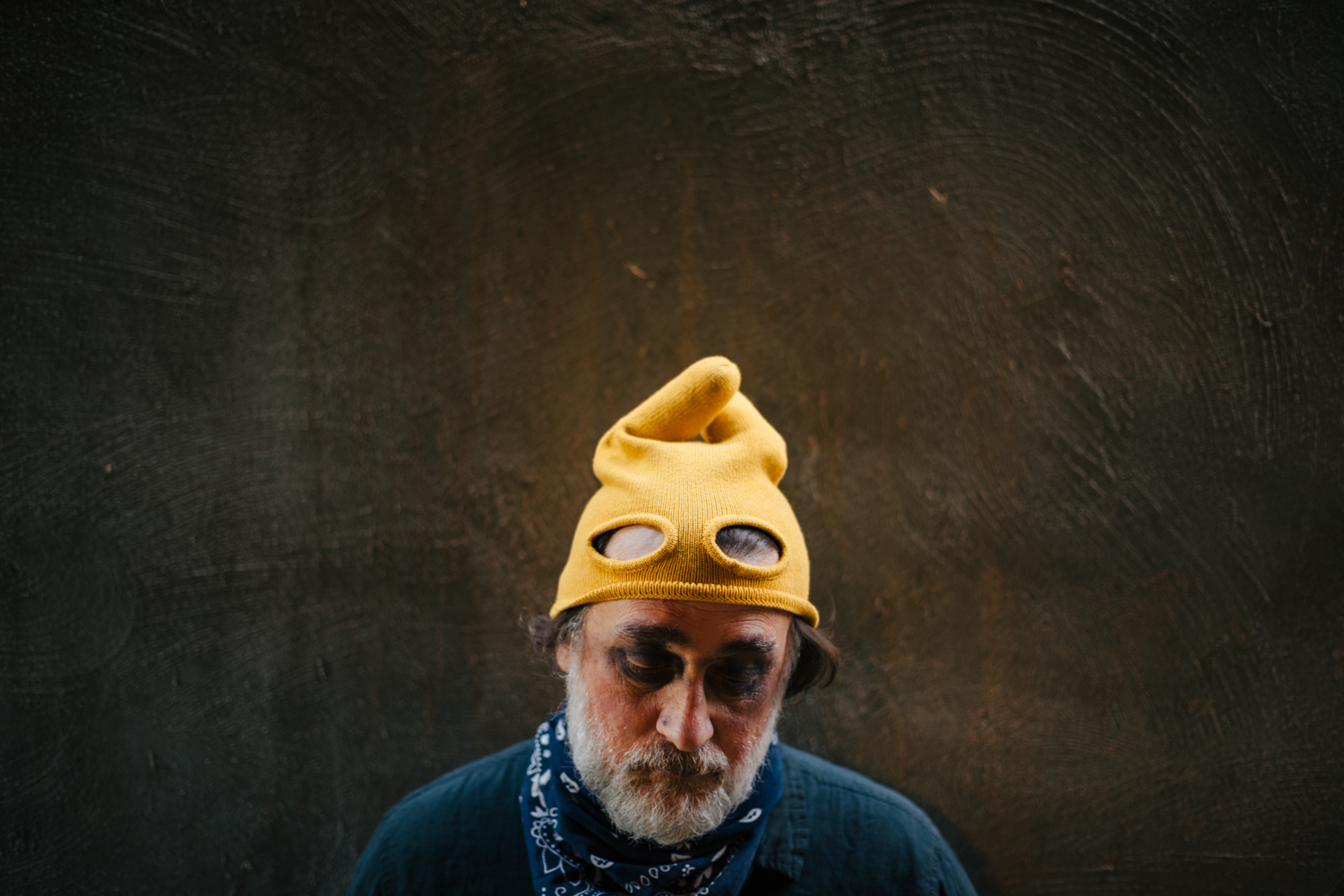
Name: Tim Rutili aka Califone
Nationality: American
Occupation: Singer, songwriter
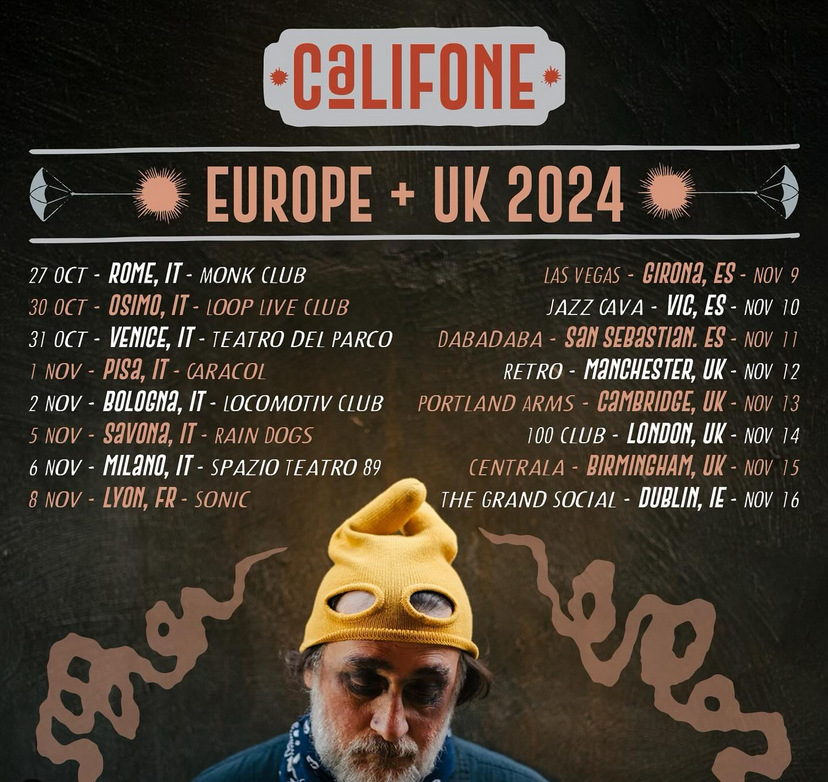
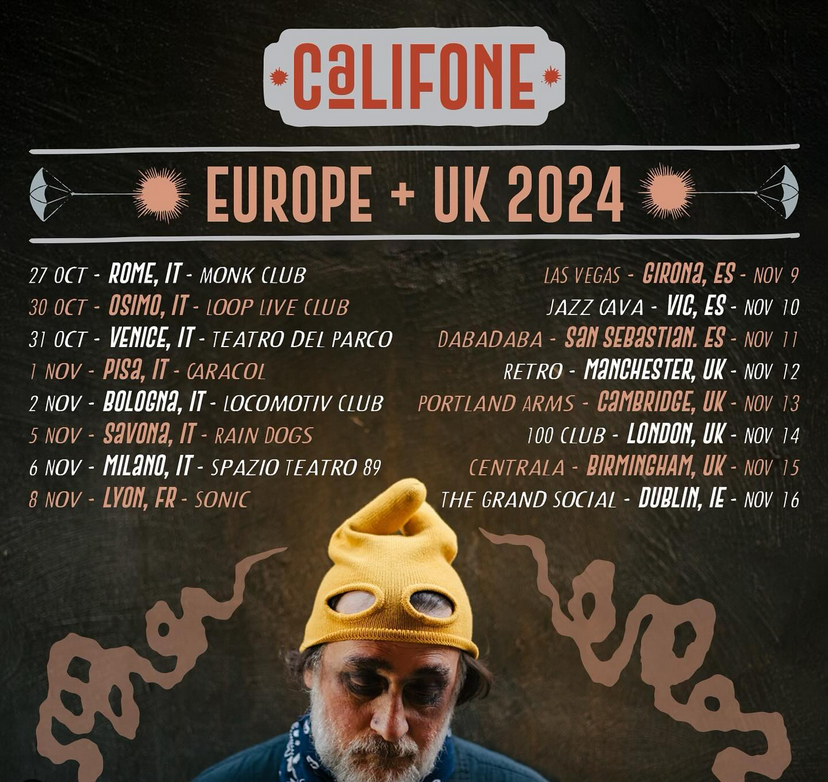
Recent release: Califone's latest album, villagers, is still available. They also have a new single out, ."burn the sheets.bleach the books." Catch them perform live during their current tour:
Recommendations: Autobiography of Red by Ann Carson; Comics and art by Zak Sally
If you enjoyed this Califone interview and would like to stay up to date with the band and their music, visit their official homepage. Califone are also on Instagram, Facebook, Soundcloud, and twitter.
Where does the impulse to create something come from for you?
I’m not exactly sure. I think it’s always been there.
I remember always drawing as a kid. Always creating stories and pictures in my head. Sometimes it feels like there is an antenna picking up images and words and sounds from somewhere else, sometimes it feels like it’s bubbling up from deep inside.
I feel thankful to still feel connected to creativity and also feel like it’s my job to be grateful for it and be prepared to receive it.
What role do often-quoted sources of inspiration like dreams, other forms of art, personal relationships, politics etc play?
It feels like everything feeds everything. Anything we see, hear and feel can make it’s way into our work. The frustration from life and the news, love and heartbreak, joy. Anything that we find funny can stick in there and run through your filters, transform and need a vent.
I eavesdrop a whole lot. Disjointed pieces of other people’s conversations, fuzzy memories of dreams and real life moments. Usually anything that isn’t exactly clear inspires me to dig in.
For you to get started, do there need to be concrete ideas – or what some have called a 'visualisation' of the finished work? What does the balance between planning and chance look like for you?
Usually an idea forms as I’m making the thing.
I always plan but the plan usually has a life of its own and changes along the way to whatever the thing(painting, song, whatever) wants to be.
Is there a preparation phase for your process? Do you require your tools to be laid out in a particular way, for example, do you need to do 'research' or create 'early versions'?
I just need to get started and have patience. Self judgement can be difficult sometimes but I try to have faith, trust my instincts, keep digging and hope I know when to stop.
It seems like research and gathering of images, ideas and chunks of words is always happening. On villagers I made demos of everything. That really helped the whole process move along. It gave the songs more focus even when there were musicians improvising within the open sections in the songs.
Prepping for the next califone music seems to be less about demo recordings of songs and more about collecting sounds and textures. We’ll see what happens with that.
Do you have certain rituals to get you into the right mindset for creating? What role do certain foods or stimulants like coffee, lighting, scents, exercise or reading poetry play?
It’s always changing. Sometimes I have to force myself to start and make a bunch of noise or a mess with paint. Get the tools together and let things happen.
Sometimes not being too comfortable helps. Sometimes being too comfortable helps. Watching movies, reading history and listening to music can make me want to make things.
What do you start with? And, to quote a question by the great Bruce Duffie: When you come up with a musical idea, have you created the idea or have you discovered the idea?
It’s different every time. A chord progression or a melody or a sound. Sometimes a chunk of words can trigger a song.
Yes - usually when it’s good it feels like the idea found me at the right moment, when I was ready to receive it.
When do the lyrics enter the picture? Where do they come from? Do lyrics need to grow together with the music or can they emerge from a place of their own?
I write words every day. I get superstitious about different notebooks and writing on my phone.
I don’t know. A song can start with a meowed melody that eventually shapes itself into words. That happens a lot. songs sometimes start with a block of text that makes no sense but won’t leave my head.
What makes lyrics good in your opinion? What are your own ambitions and challenges in this regard?
Music might be all about emotions and ideas that refuse to fit themselves into words. The older I get, the more abstraction in words and art becomes meaningful - especially when performing an older song at a show. I can feel it when it’s coming out of my mouth sometimes years later.
Time can make some lyrics good. During the writing process it might have felt like painting a weird picture that had no specific emotion attached to it. I try not to worry too much about meaning. Sometimes meaning comes years after a song has been recorded.
My main challenge is to be true even if the words are an abstract picture - and, self judgement is a monster that I’m trying to kill. That is different than self awareness and knowing something needs some work/keep digging — sometimes we make things that do not need to be in the world and say things that do not need to be said. It’s good to know when that is the case.
Many writers have claimed that as soon as they enter into the process, certain aspects of the narrative are out of their hands. Do you like to keep strict control or is there a sense of following things where they lead you?
It feels immersive - when I’m in songwriting mode I go to sleep, wake up and dream it.
So I guess I’m following and the only control I have is to choose to ignore it.
Often, while writing, new ideas and alternative roads will open themselves up, pulling and pushing the creator in a different direction. Does this happen to you, too, and how do you deal with it? What do you do with these ideas?
That always happens. It’s good to try some different things,
I am lucky to work with people that I trust. Sometimes I trust myself to go down the rabbit hole. Sometimes I don’t trust myself at all and will still go down the hole.
There are many descriptions of the creative state. How would you describe it for you personally? Is there an element of spirituality to what you do?
It all feels like getting to know myself and be honest while still in this body. Sometimes it feels like learning to pray. That might be spiritual or psychological.
Sometimes it’s painful. Sometimes it feels joyful and I thank god even though I don’t really know what god is.
When you're in the studio to record a piece, how important is the actual performance and the moment of performing the song still in an age where so much can be “done and fixed in post?“
I prefer when the foundation of everything is a good, honest performance, even though it might be manipulated until the original piece is unrecognizable in the end.
Once a piece is finished, how important is it for you to let it lie and evaluate it later on? How much improvement and refinement do you personally allow until you're satisfied with a piece? What does this process look like in practise?
It’s different every time. Just trusting my gut to know when to stop poking at a song/recording/painting is something I’m still learning how to do.
Even recording a solo song is usually a collaborative process. Tell me about the importance of trust between the participants, personal relationships between musicians and engineers and the freedom to perform and try things – rather than gear, technique or “chops” - for creating a great song.
I feel lucky. I have some great people that I have been working with for years and totally trust. New people are showing up all the time.
We all have to be good listeners. That seems to be the most important thing. It is helping me stretch and grow for sure.
With new people sometimes the good stuff comes from the friction caused when you’re learning to trust each other. I'm not so into chops.
What's your take on the role and importance of production, including mixing and mastering for you personally? In terms of what they contribute to a song, what is the balance between the composition and the arrangement (performance)?
That stuff is definitely important. A good song and the energy beneath it beats fancy production every time. Sometimes too much production can drain the life out of a piece of music.
In the studio things become more concise. When we’re playing songs live there are some open sections in the song where everything can go out the window and something completely new can happen.
I like when it feels like a living thing.
After finishing a piece or album and releasing something into the world, there can be a sense of emptiness. Can you relate to this – and how do you return to the state of creativity after experiencing it?
I can relate to this. Taking a break helps. Digging into some painting or writing after a record is finished has helped me too.
Music is a language, but like any language, it can lead to misunderstandings. In which way has your own work – or perhaps the work of artists you like or admire - been misunderstood? How do you deal with this?
Hopefully the music is open enough for listeners to project their own experience onto it. At some point, once it is out in the world it has nothing to do with me.
I don’t think about this too much. I try to be nice to people that want to talk about it but can’t really engage with this too much.
Creativity can reach many different corners of our lives. Do you personally feel as though writing a piece of music is inherently different from something like making a great cup of coffee?
It’s probably similar.
What do you express through music that you couldn't or wouldn't in more 'mundane' tasks?
Fear and sorrow and rage. Absurd nihilistic joy. Massive bewilderment. All the things that might make the coffee taste like shit and kill the house plants.
Creating art, cleaning the house or cooking or gardening are all forms of meditation.