Published
Name: Natalja Romine aka Yanling
Nationality: Swiss, Hong Kong born, Germany based
Occupation: Composer, sound artist, producer, founder and curator at Aurora Edition
Current release: Yanling’s Cymatic, mixed and mastered by Enyang Urbiks, is out via Aurora Edition.
[Read our Enyang Urbiks interview]
If you enjoyed this Yanling interview and would like to know more about her work, visit her on Instagram.
When I listen to music, I see shapes, objects and colours. What happens in your body when you're listening? Do you listen with your eyes open or closed?
When music moves me deeply, I naturally close my eyes, especially when I’m alone in a room. I enjoy listening with my eyes closed so I can fully immerse myself in the experience.
I’m a sensitive person, and when music touches me, it can trigger a warm, wave-like sensation that flows up and down within me.
How do listening with headphones and listening through a stereo system change your experience of sound and music?
It needs to reach a certain volume for the sound to really resonate with me.
I prefer listening through a stereo system when I want a fully immersive experience, with nothing else going on—just me and the music, deeply focused.
Tell me about some of the albums or artists that you love specifically for their sound, please.
There are two specific albums by Abul Mogard that have touched me deeply: Circular Forms and Above All Dreams.
They carry a heavy sense of vastness and melancholy—a kind of dark romance that seems to pulse and expand into every corner within sight.
I remember listening to one of these albums on headphones while walking down the street; within seconds, the atmosphere around me transformed completely.
I was so captivated by this shift, almost a bit shocked, as I realized the music’s power was stronger than me.
Do you experience strong emotional responses towards certain sounds? If so, what kind of sounds are these and do you have an explanation about the reasons for these responses?
I’m particularly drawn to deep frequencies or lower sounds that have a gradual build-up, allowing me to lean into the dramaturgy of the piece. I feel an inexplicable pull towards emotional synths with a slow, shifting movement, almost as if they’re moving from left to right.
It can feel like the weight of an important undecided decision, swaying back and forth, carrying a heaviness that takes me with it emotionally. I’m not sure if that’s the best comparison, but it captures the intensity of how music can move me.
There can be sounds which feel highly irritating to us and then there are others we could gladly listen to for hours. Do you have examples for either one or both of these?
I find it challenging to engage with sounds that are overly deconstructed, where it’s hard to find any sense of orientation.
On the other hand, when I’m doing administrative work, I enjoy listening to near-monotone sounds that layer for hours. They can bring me into an almost meditative state, supporting my focus. I keep the volume very low, so subtle that they’re barely audible—just enough to create a calming backdrop that helps me stay in the zone.
Are there everyday places, spaces, or devices which intrigue you by the way they sound? Which are these?
Certain everyday sounds fascinate me—like when it gets colder and you turn on the heater. In an Altbau, you can hear it humming in a way that’s almost mechanical, but it feels comforting because it brings warmth - so something positive.
On the other hand, I find it hard to sit too long in the same room with a large Xerox printer. It has this strange high-frequency undertone that you only really notice when it finally stops, usually just before bedtime.
Have you ever been in spaces with extreme sonic characteristics, such as anechoic chambers or caves? What was the experience like?
I’ve actually been in a very well-insulated room where you could hear absolutely nothing. It was so quiet that you could hear every small sound—like swallowing or the sound of your own saliva.
It was especially striking to notice everything that happens in your head, almost like you could feel your own veins.
What are among your favourite spaces to record and play your music?
For now, my favorite space to record and play my music is my studio.
I’ve spent most of my time the past two years there, and it’s become a place where I can truly immerse myself in the creative process.
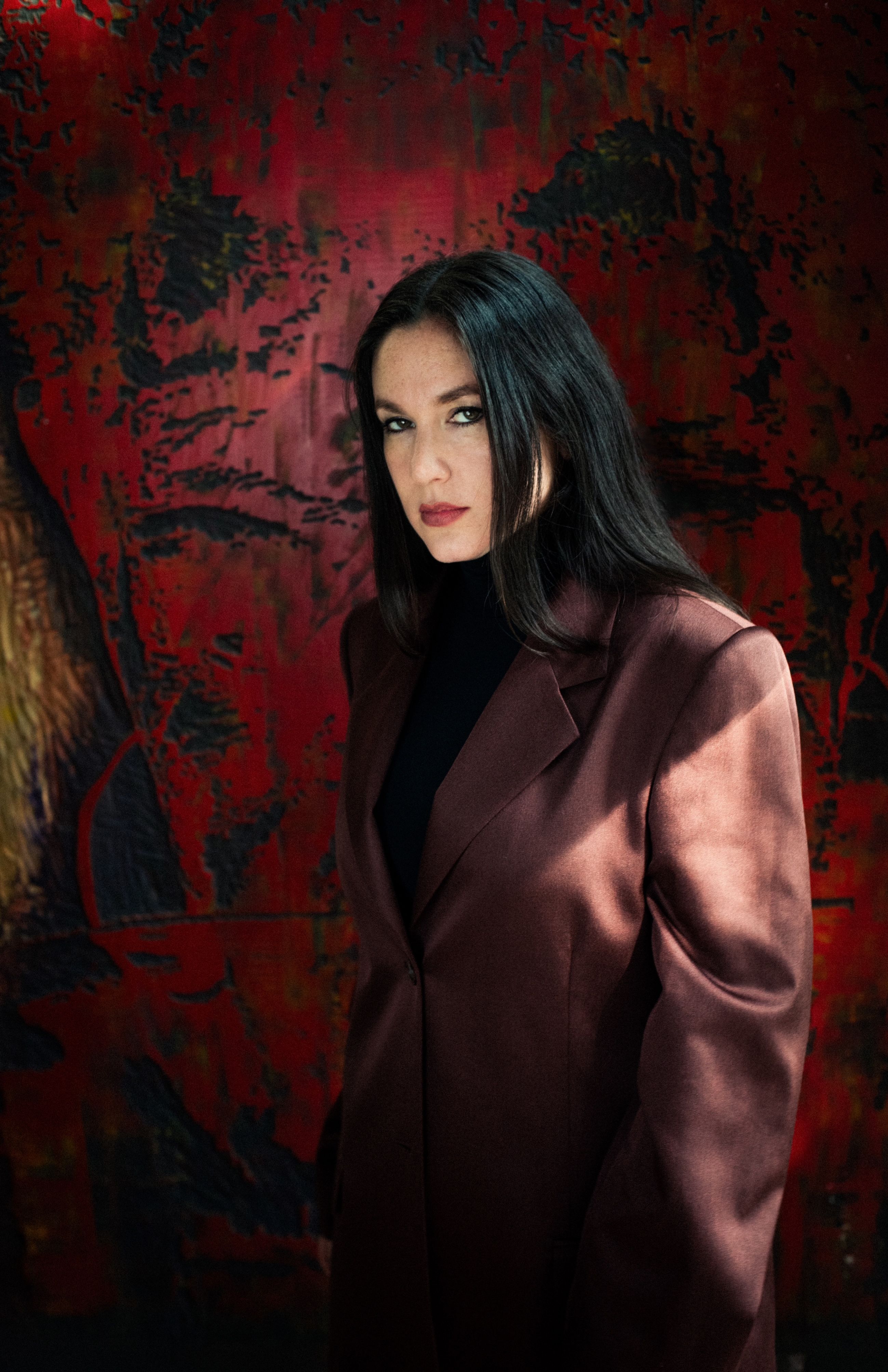
Yanling Interview Image by Christian Neuenschwander
Do music and sound feel “material” to you? Does working with sound feel like you're sculpting or shaping something?
Listening to music doesn’t feel material to me at all. It’s more like water or heavy waves—something that’s impossible to capture. You can’t see it, but what’s much stronger is when you feel it.
Emotions are a language far more powerful than what you can see. Music can be stronger than visual art because there’s no barrier. When it reaches you, it really takes you in, and there’s no way around it unless you press the stop button.
But working with sound is a different experience. It feels like layering one element over another, with each layer adding complexity and depth to the emotions or story you want to convey. It’s a journey that builds, reaching the peak of the mountain before slowly descending to the other side.
It’s a process you have to walk through.
How important is sound for our overall well-being and in how far do you feel the "acoustic health" of a society or environment is reflective of its overall health?
To be honest, it’s difficult for me to find time to listen to music because I need to have a purpose for it. When I do dedicate time to music, I need a quiet moment where I can focus entirely, without distractions. When I’m feeling fragile, it becomes almost impossible to listen to music, as it can sometimes be too overwhelming and tear me apart.
Over the past few months, I’ve been living in a state of nostalgia, and as winter approaches, it becomes even harder for me to engage with music. I do listen to cheerful music, but mostly when I’m with friends at gatherings.
Sound, song, and rhythm are all around us, from animal noises to the waves of the ocean. What, if any, are some of the most moving experiences you've had with these non-human-made sounds?
I find wind to be one of the most moving natural sounds. The pressure of the air you can hear and feel simultaneously—it can caress you gently or hit you with such force that it almost knocks you down.
It’s a sound that feels tangible, almost visible, and it carries with it a sense of freedom.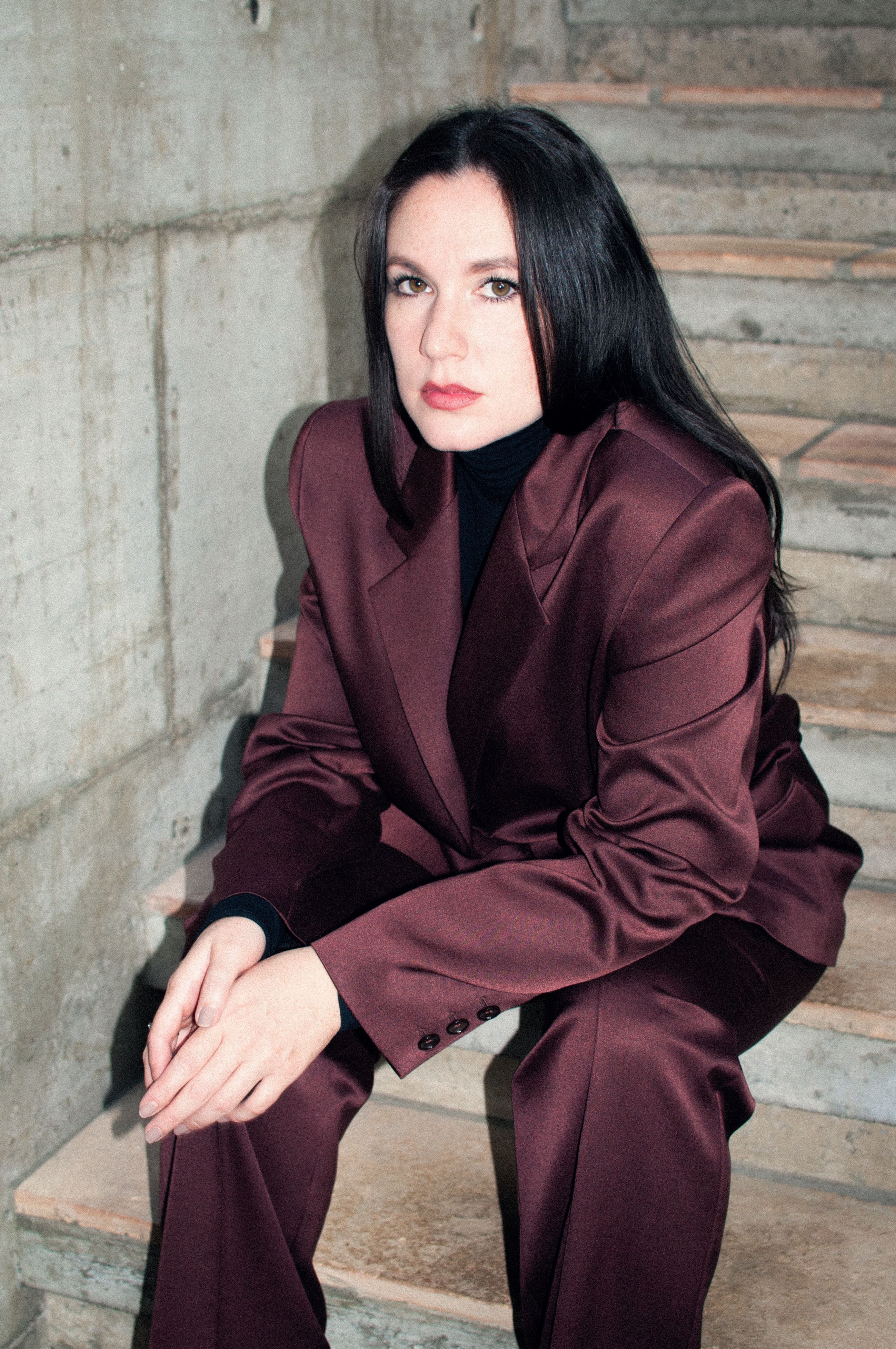
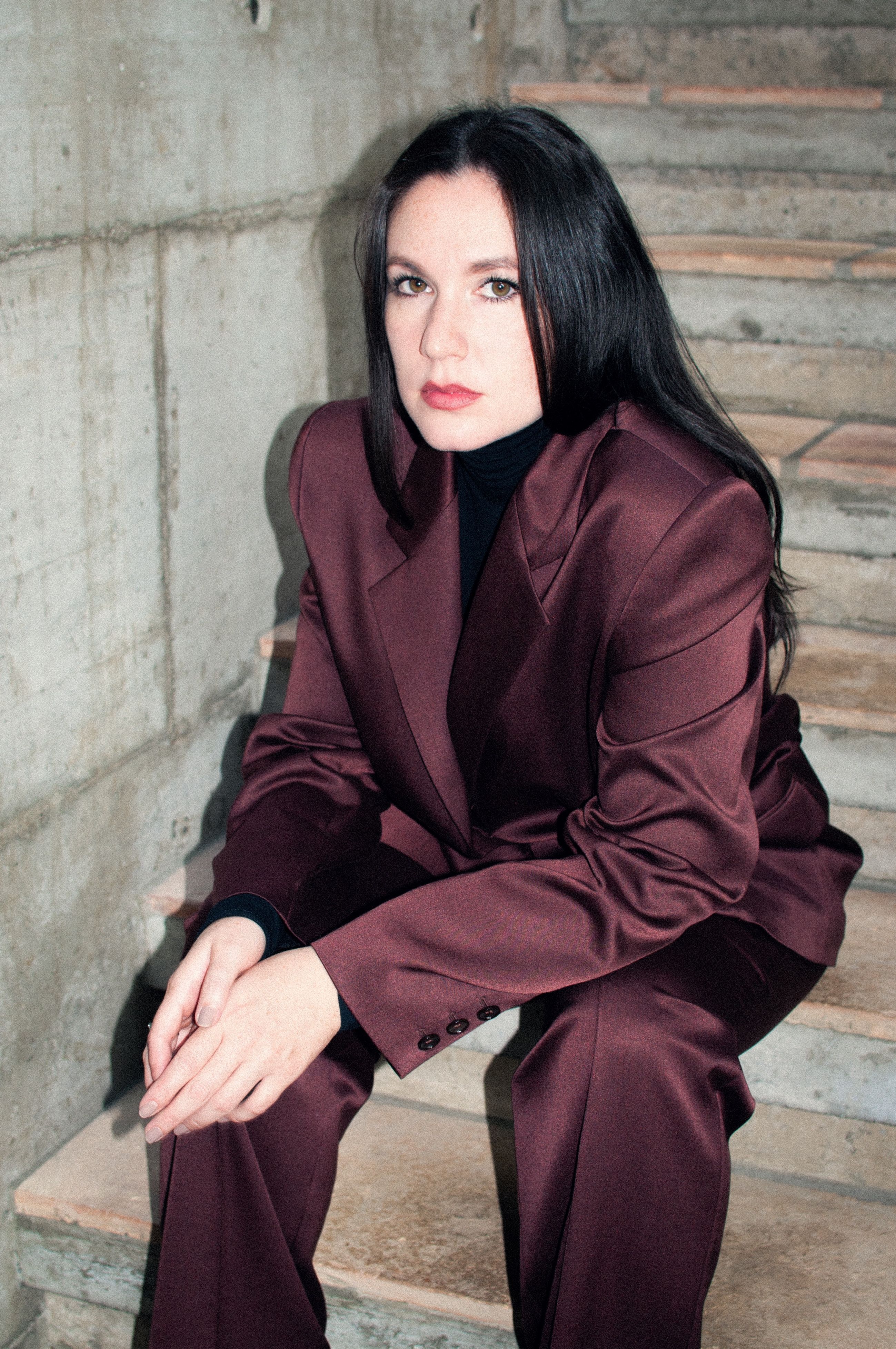
Yanling Interview Image by Christian Neuenschwander
Many animals communicate through sound. Based either on experience or intuition, do you feel as though interspecies communication is possible and important? Is there a creative element to it, would you say?
Whales and trees use different forms of communication, often through sound waves or chemical signals, which have impressive, almost mystical qualities. Whales produce low-frequency sounds that travel over great distances underwater, conveying complex social messages or location information.
Trees communicate with each other through chemical signals, such as their root systems or scents, to warn one another of dangers or share nutrients.
There is a creative element in this communication, as it requires intuition and responsiveness to the environment, much like how humans engage in creative exchange through sound and signals.
We can surround us with sound every second of the day. The great pianist Glenn Gould even considered this the ultimate delight. How do you see that yourself and what importance does silence hold?
I need more silence than sound. Silence allows me to regenerate and recharge, enabling me to focus my energy on work or even to listen to music again, as I tend to be quite a fragile character.
I usually only listen to music when it’s necessary, and when I do, I dedicate myself fully to it.
Seth S. Horowitz called hearing the “universal sense” and emphasised that it was more precise and faster than any of our other senses, including vision. How would our world be different if we paid less attention to looks and listened more instead?
If we paid more attention to listening than to appearances, we could create deeper connections, as sounds often carry the truth of a moment and the emotions of a person in a way that words or images cannot capture.
Listening requires mindfulness and allows us to truly be present—an aspect that would enrich our world.