Published
Name: Yuu Udagawa
Nationality: Japanese
Occupation: Producer, DJ, songwriter
Current release: Yuu Udagawa's The Peaceful Dawn EP, which includes two remixes by Manuel Tur, is out via Compost.
Recommendations:
1. John Cage – 4’33” - This groundbreaking piece teaches us the value of silence in music.
2. Yann Tomita & Grandmaster Flash - Vinyl Beat Of Two Turntables With Cybernetics And Bio-Feedback - An experimental project that incorporates brainwaves into music, exploring the fusion of music and technology.
If you enjoyed this Yuu Udagawa interview and would like to know more about her music, visit her official homepage. She is also on Instagram, Soundcloud, twitter, and Facebook.
What was the first time you were consciously impressed by technology – in and outside of music?
Technology has always fascinated me. One of my earliest memories goes back to my student days when I was in a band.
A fellow member connected my guitar to a vintage tape echo, while another brought a Moog synthesizer into the studio. The organic warmth of analog technology left a lasting impact. Over time, I’ve been equally captivated by Granular Synthesis, Sony’s 360 Reality Audio, and the tech-driven art of Rhizomatiks.
Recently, AI has been a significant influence; though I haven’t applied it to my music, tools like ChatGPT have become essential in my daily routine.
Tell me about one or two of your early pieces that you're still proud of (or satisfied with) in terms of production – and why you're content with them.
I’m proud of all my releases, as each reflects my evolving skills and creativity at that moment.
However, if I had to highlight a few, my first EP, Forever EP, holds a special place. It was the debut release on the UK label Cyphon Recordings.
After its release, I was amazed by the direct feedback from music industry professionals worldwide. It was a moment that made me realize the true reach of my work.
My second EP, Some Time Ago EP, is equally significant.
Released on Germany’s Compost Records—a label I’ve long admired—it was a moment of affirmation. In Japan, I was often encouraged to narrow my focus, but Compost embraced my wide-ranging influences, from Jazzy to Leftfield Electronica. For that, I’m deeply grateful.
These two releases mark pivotal moments in my career, and I hold them close.
When it comes to arranging, sound design, performing, composing, etc – what are currently concrete topics and aspects that interest you and where you want to improve or simply challenge yourself?
I take inspiration from many genres and focus on creating music that reflects these influences in my own way. My aim is to produce work that stands the test of time, allowing listeners to revisit it and find something meaningful.
I’m always looking to refine my sound design and composition, pushing myself to balance tradition with fresh ideas.
Do you keep up with recent developments in terms of gear and software? If not, why not? If so, what are you looking for?
Yes, I do, especially with the developments in analog gear. These advancements have brought me immense joy and inspiration.
I’m always on the lookout for equipment that adds warmth and character to my sound. I’m particularly drawn to the combination of analog gear’s rich sound and the innovative functionality of software.
This balance keeps me inspired in my creative process.
How and for what reasons has your music set-up evolved over the years and what are currently some of the most important pieces of gear and software for you?
The Moog Voyager has always been the core of my sound. Even a basic sine wave from it feels like observing the natural flow of clouds.
I use Ableton Live as my DAW, and its flexibility and speed are invaluable to my workflow.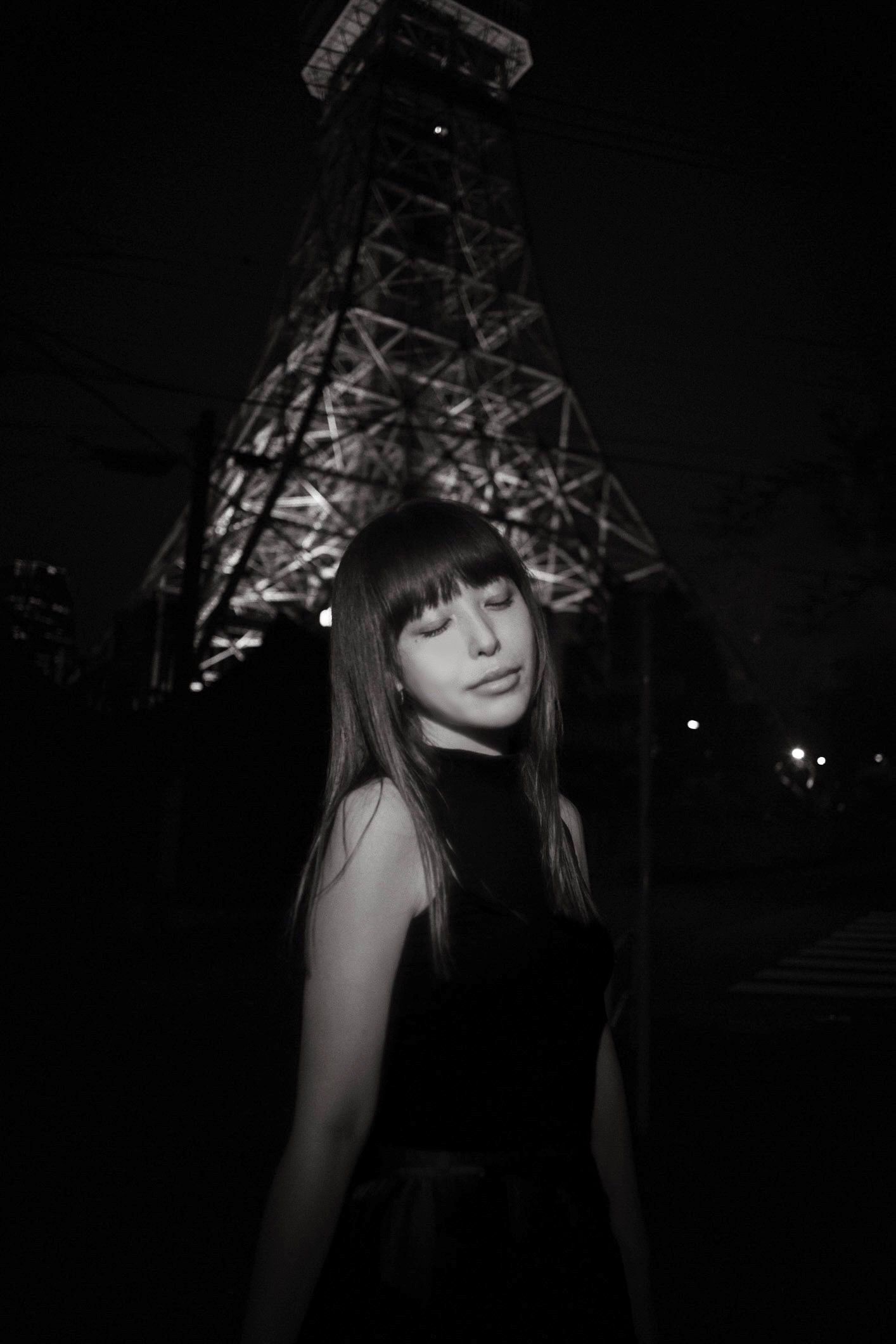
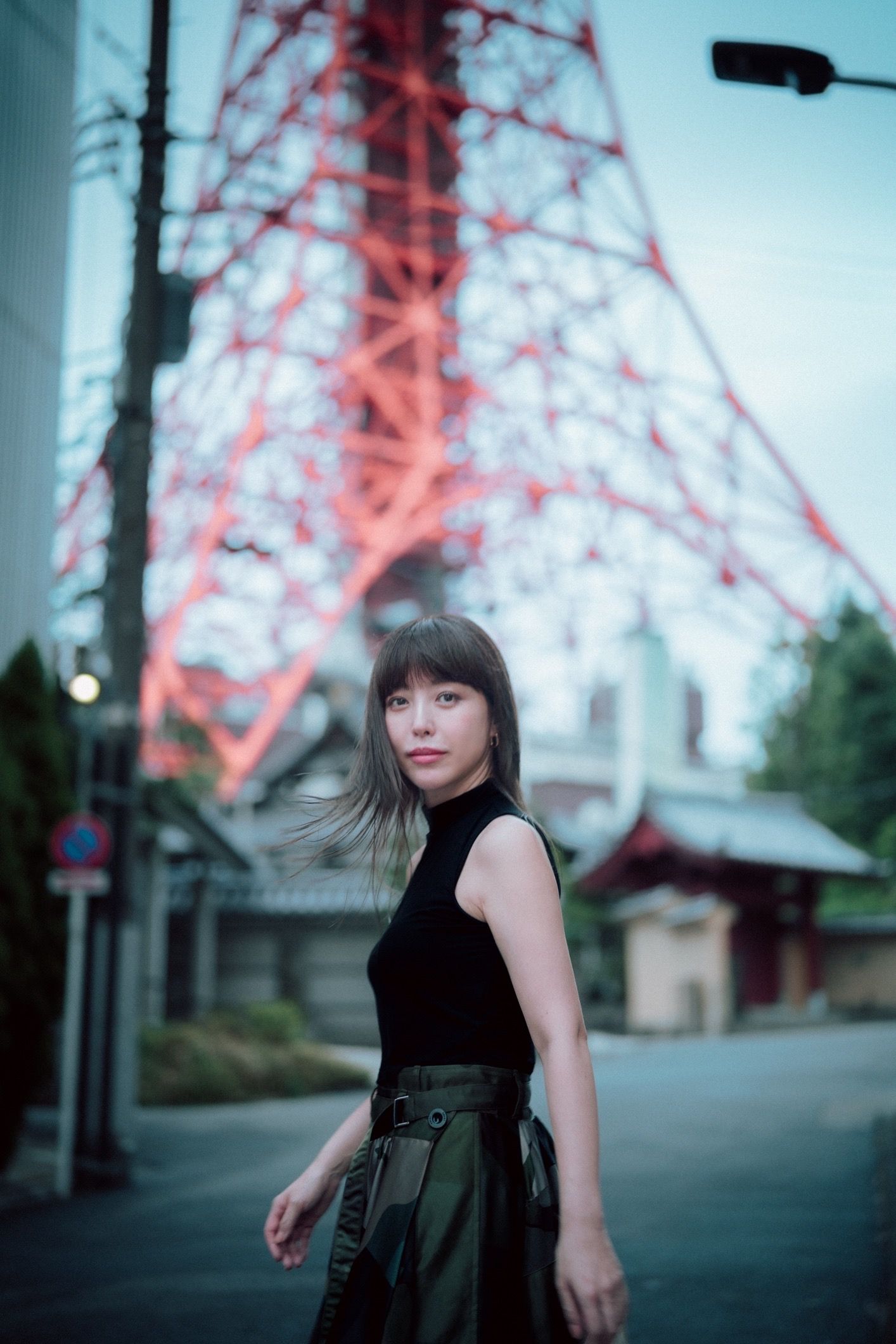
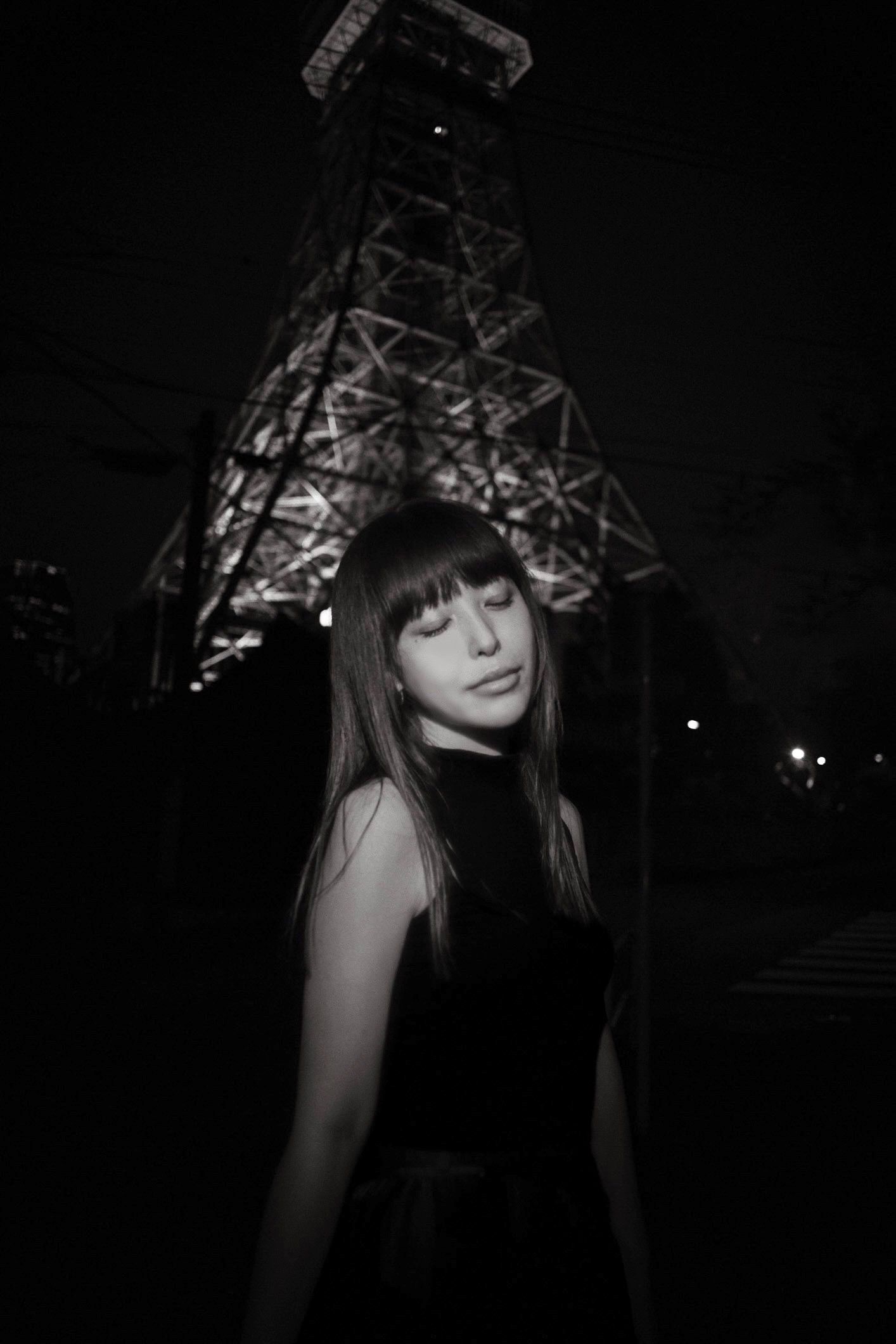
Yuu Udagawa Interview Image (c) the artist
Jean-Michel Jarre maintained that, despite the advances in virtual technology, we are still "analogue animals made out of blood and bones who need buttons and knobs to touch.” In how far is this statement true or false for your own music?
I believe this is true—there’s something irreplaceable about the tactile feedback of knobs and buttons. That physical connection is important to my process.
However, as technology evolves, I think we have the capacity to adapt. While I currently prefer to touch physical knobs and buttons, I imagine that in the future, if illness or aging limits my physical abilities, virtual technology could bring new joy to my life.
What are examples of production tools/instruments that you bought for a specific purpose?
I’ve sought out distinctive sounds by acquiring gear like the Moog and Prophet, each chosen for their unique tonal qualities and ability to shape my sound.
Late producer SOPHIE said: “You have the possibility with electronic music to generate any texture, and any sound. So why would any musician want to limit themselves?” What's your take on that?
It’s true that electronic music offers limitless potential, which is why I constantly challenge myself to explore new sounds and styles, seeking fresh discoveries and emotions.
However, having too many options can sometimes be overwhelming. As Barry Schwartz explains in The Paradox of Choice, too many choices can complicate decision-making.
Music is also about conveying energy, and sometimes working within limitations can be the right approach. I also respect musicians who choose to focus their expression within defined boundaries.
From the earliest sketches to the finished piece, tell me about the production process for your current release, please.
I begin by setting the tempo and playing chords or riffs on the keyboard, experimenting with sounds that feel right. From there, I build by layering the necessary elements.
My production process is always evolving, and I often find myself trying new approaches after a few months. This flexibility keeps my creativity fresh and allows my music to grow.
What does your own way of working with sound look like? Do you find using presets lazy?
I don’t use presets as they are. But if one fits the track, I’ll use it.
My focus is always on finding the best sound, whether it’s a preset or something custom-made.
Richie Hawtin, speaking about semi-modular equipment, has stated that a deeper understanding of sound synthesis can lead to “life lessons that go beyond what we can hear.” Can you relate to that statement?
I completely agree. The process of connecting sounds—whether intentional or accidental—often mirrors life, leading to unexpected and enriching outcomes both in music and beyond.
What were some of your most positive collaboration experiences? How did this "human element" enhance your solo approach? Did you record via filesharing or in the same room and if so, what did the recording process look like?
DJing and adjusting my music based on the audience’s reactions has always been a positive experience. For production collaborations, I usually share files rather than work in the same room. It brings me joy to merge another artist’s individuality with my sound.
For a taste of such collaborations, check out my releases this year: "Tranquility" (Yuu Udagawa Remix) …
[Read our All is Well interview]
… Ride It EP (incl. remixes by JKriv, Fred Everything), The Peaceful Dawn (incl. Manuel Tur Remixes) and the Spectral (An Abacus Story) EP!
To some, the advent of AI and 'intelligent' composing tools offers potential for machines to contribute to the creative process. What are your hopes, fears, expectations and possible concrete plans in this regard?
I’m excited about the development of AI technology.
However, no matter how advanced it becomes, it’s ultimately human sensibility that decides whether or not to use it. The refinement of that sensibility will always be key.
Have you used AI or generative music tools for your own productions? If so, in which way and what did they add?
I haven’t used AI for music production yet, but I’ve tried it. It didn’t
quite meet my expectations, and at the moment, I feel more connected to my work when I create by hand.
But I do use AI for artwork. Rather than relying entirely on AI, I use it as a tool, making adjustments by hand to achieve the desired result. It’s fascinating when the collaboration between AI and my input creates something beyond my original vision.
While I can’t do this with music at the moment, in the future, I think it would be interesting to try this approach.
What is a production related question that you would like to ask yourself – and what's your answer to it?
I often ask myself, “Is this the sound I’m looking for?” The search for that answer is what fuels my creative process.