Published
Name: Zack Lober
Nationality: Canadian
Occupation: Bassist, composer, improviser
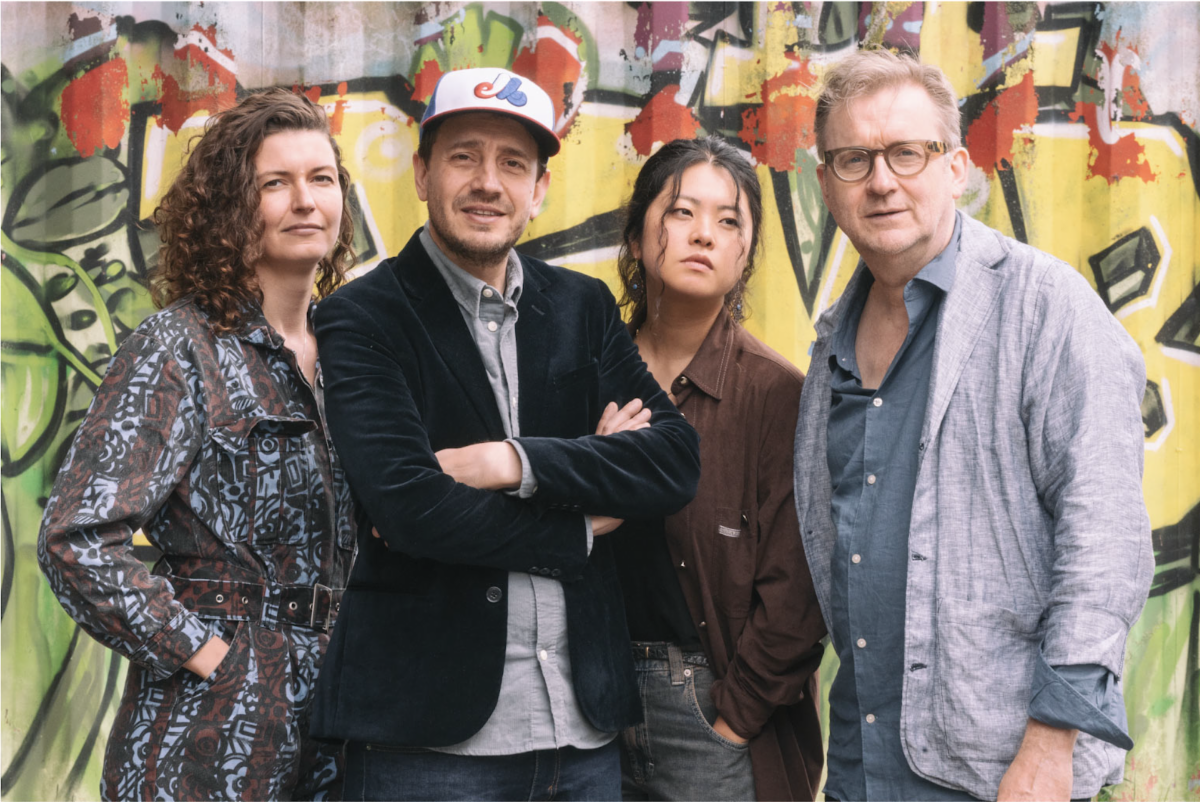
Current Release: Zack Lober's new album So We Could Live is out via ZenneZ. It features Jasper Blom, Suzan Veneman and Sun-Mi Hong.
If you enjoyed this Zack Lober interview and would like to know more about his music and upcoming live dates, visit his official homepage. He is also on Instagram, bandcamp, and Facebook.
When it comes to experiencing strong emotions as a listener, which albums, performances, and artists come to mind?
I could cite many examples across genres but the first one that comes to mind is the last 4 bars of Clark Terry’s melody on “I Want a Little Girl” from the album Oscar Peterson Trio + One.
The amount of feeling and soul in those measures just floors me. I get goosebumps every time I hear it.
There can be many different kinds of emotions in art – soft, harsh, healing, aggressive, uplifting and many more. Which do you tend to feel drawn to most?
I am most touched by anything that feels soulful and unifying.
I think everyone can relate on some level to what it means to struggle, yearn, suffer or dream for something better and those are the ones that resonate for me.
I have had a hard time explaining that listening to death metal calms me down. When you listen to a song or composition, does it tend to fill you with the same emotions – or are there “paradoxical” effects?
I have a great appreciation for hip hop music and there can be a lot of paradoxes there in terms of what might be literally said versus what the artist’s greater intention is.
A great MC like Sean Price could be the most self-aggrandizing and self-depreciating or the most ignorant and intelligent within the same song. I love that kind of stuff.
In as far as it plays a role for the music you like listening to or making, what role do words and the voice of a vocalist play for the transmission of emotions?
I’m pretty fussy about whose lyrics I listen to and what connects with me emotionally.
In reference to my last answer, I’d say that hip hop is often where I’m appreciating an artist’s voice and lyrics the most. That and Norma Winstone on Kenny Wheeler’s “Sea Lady”.
When it comes to experiencing emotions as a creator, how would you describe the physical sensation of experiencing them? [Where do you feel them, do you have a visual sensation/representation, is there a sense of release or a build-up of tension etc …]
When it hits, it feels like my whole body is radiating.
When it comes to composing / song writing, are you finding that spontaneity and just a few takes tend to capture emotions best? Or does honing a piece bring you closer to that goal?
For me a piece should be honed during live performance settings first before being recorded.
Once I’m in the studio everybody should have enough ownership of the piece to get the point across in 2-3 takes max.
How much of the emotions of your own music, would you say, are already part of the composition, how much is the result of the recording process?
It’s all in the music first. The act of recording is to document it and convey the performance to the listener in the most authentic way possible.
For So We Could Live, what kind of emotions were you looking to get across?
Love, gratitude, honour and respect.
How do you capture the emotions you want to get across in the studio?
I make sure that the band records live, in the same space with no isolation booths. Human connectivity is key.
What role do factors like volume, effects like distortion, amplification, and production in general for in terms of creating the emotions, energies or impressions you want?
In the case of the music that I’m currently presenting, these variables don’t apply but I have a great affinity for all types of music production techniques, and they may very well factor in for future projects.
In terms of emotions, what changes when you're performing live on stage, with an audience present, compared to the recording stage?
I prefer playing for an audience because you have a chance to connect with them in the moment and hopefully have a shared experience.
In the studio, you are creating something for later that you hope will touch people.
How does the presence of the audience and your interaction with it change the emotional impact of the music and how would you describe the creative interaction with listeners during a gig?
The compositions and music making have to be good first. Then the audience will be with you and that helps magnify the emotional impact.
What kind of feedback have you received from listeners or concert audiences in terms of the experience that your music and/or performances have had on them?
For the new music I am presenting from So We Could Live, the feedback has been great.
The audiences are drawn in by the compositions and performance and have shared with me how the music has touched them on an emotional level.
Would you say that you prefer to stay in control to be able to shape the emotions or do you surrender to them and allow the music to take over? Who, ultimately has control during a live performance?
I write and present music with deliberate intention, but I never want to control what happens in a live performance. I trust my band members implicitly and encourage them all to take risks, make decisions and keep the music fresh, vibrant and creative.
The music tells us what to do.
The emotions that music is able to generate can be extremely powerful. How, do you think, can artists make use of this power to bring about change in the world?
I think the most powerful thing music can do is unify and connect people in their shared humanity.
We need that experience more than ever today as technology increasingly makes us that much more isolated and disconnected from each other.