Published
Name: Babon
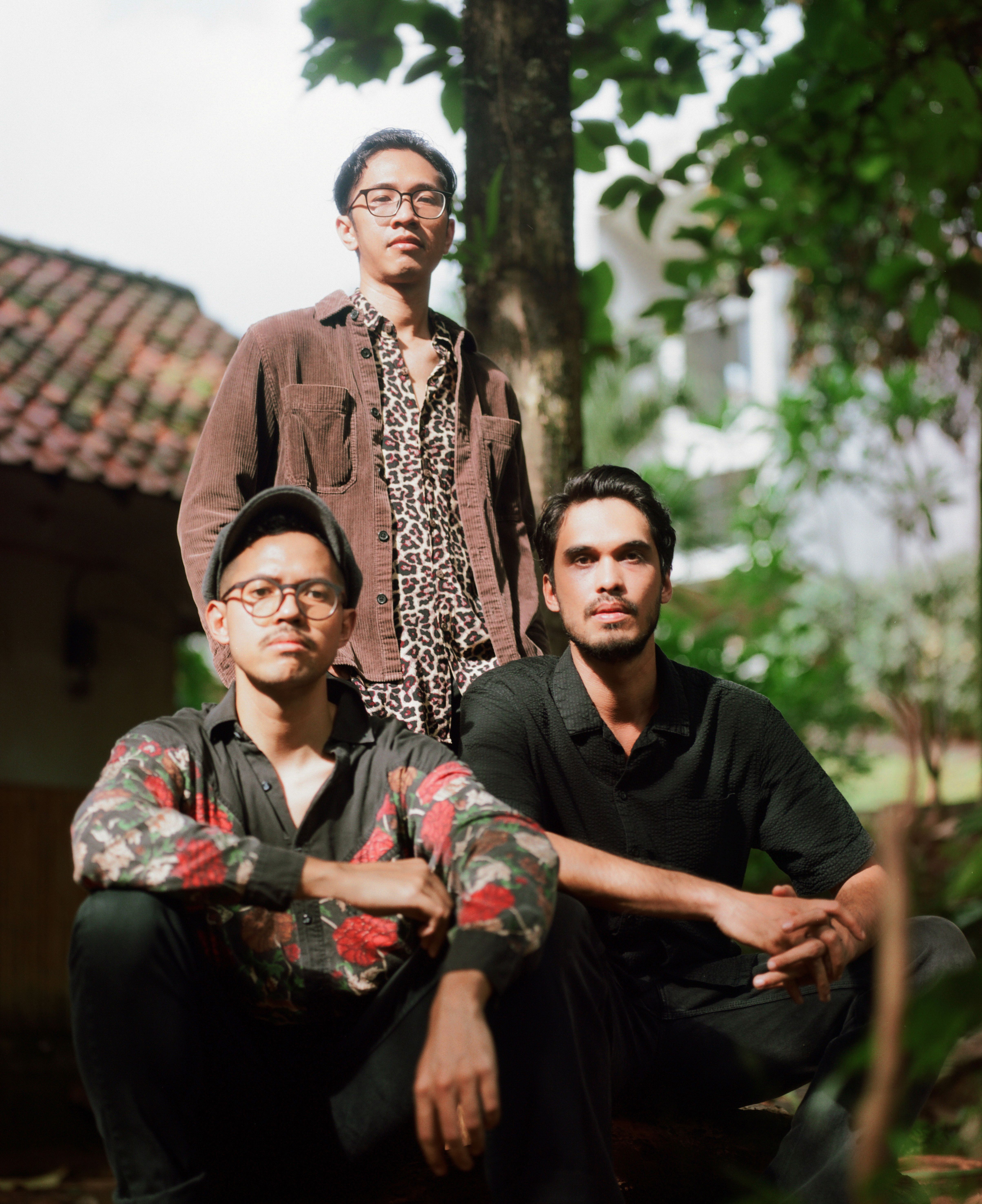
Members: Rayi Raditia (synthesizer), Rori Jiwa (guitar), Wahyudi T. Raupp (drums, percussion)
Nationality: Indonesian
Current Release: Babon's debut album Tropical Desert is out September 26th 2025 via Wonderwheel. Pre-save new single “Mirage”.
If you enjoyed this Babon interview and would like to know more about the band and their music, visit them on Instagram, and bandcamp.
For a deeper dive, read our expansive Babon interview.
Tell me a bit about the sounds & creative directions, artists & communities, as well as the colleagues & creative hotspots of your current hometown, please. How do they influence your music?
For this one, we’ve gotta give a huge shoutout to Lokananta Studio and Irama Nusantara!
Lokananta is basically a national treasure—it’s one of the oldest record label and studio in Indonesia, based in Surakarta (Solo), Central Java. These days, it also serves as a museum, preserving an amazing archive of Indonesian music and vintage recording gear.
Back in 2012 or 2013, we got the chance to tour the place. At the time, it wasn’t well maintained—parts of it were literally crumbling—but the energy in there was unreal. Just stepping into the studio felt like entering a sacred space. You could sense the history, the spirit of all the music that had passed through.
What really stuck with us was the range of sounds recorded there—so many variations of traditional Indonesian styles, blended with early global influences. And the production quality? Way ahead of its time. Listening to those recordings, you feel like you're in the room with the musicians. That experience definitely shaped how we think about sound, space, and texture in our own music.
We’ve tried to carry that spirit forward. Our approach mixes traditional and global elements in a way we like to call keroncong reimagined. You’ll hear traces of Latin roots, Middle Eastern, Malay, and Indian influences, traditional vocal techniques, and raw, tribal-inspired rhythms. It’s all about building something new from what came before. You can hear that blend in tracks like “Sawduzt” and “The Chase” off the upcoming full-length.
And lastly, none of this would’ve been possible without Irama Nusantara. They’ve done incredible work archiving and digitizing Indonesia’s lost or forgotten musical heritage—including a ton from Lokananta. Thanks to their efforts (and some collaborations), the studio’s been revived recently. There’s fresh energy there again, with artists and communities reconnecting to that legacy.
Big love to Mas David Tarigan and his team at Irama Nusantara. Their dedication to preserving this cultural memory has been a major influence on us—not just musically, but in how we think about history, identity, and creativity in a deeper way.
Jazz has always had an interesting relationship between honouring its roots and exploring the unknown. What does the balance between these two poles look like in your music?
We always stay rooted in traditional Indonesian influences—whether it’s tribal rhythms, gamelan, keroncong, dangdut, or other local grooves. At the same time, we’re constantly inspired by modern music and production techniques. That blend is what keeps things exciting for us.
So yeah, we try to find a balance between those two worlds, and we think we’re doing alright with it. Our song “Bubuka” is a great example of that mix in action.