Published
Name: Flurin Mück
Nationality: Swiss
Occupation: Drummer, composer, improviser
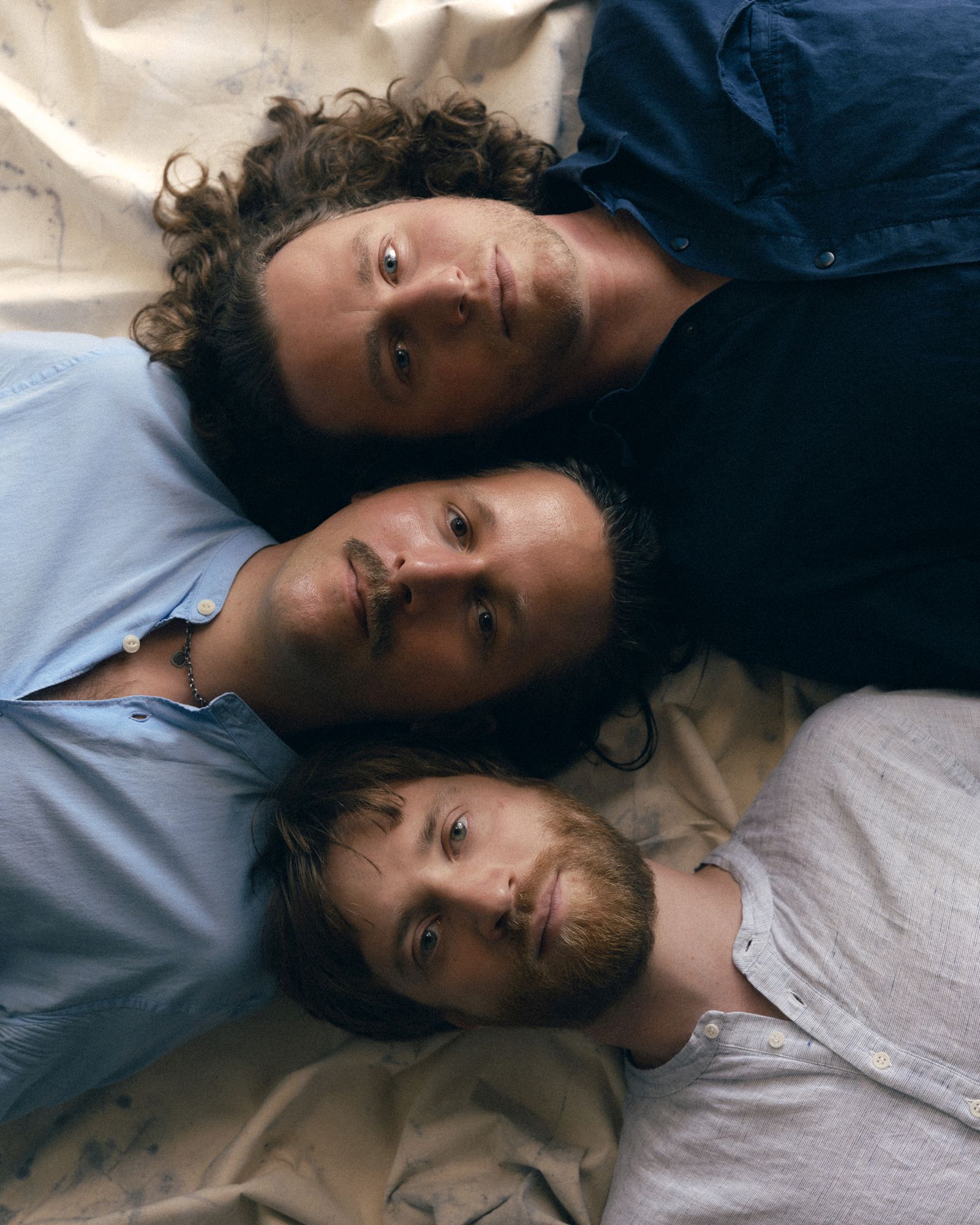
Current Release: Flurin Mück is part of the trio performing on Simon Popp's aptly titled new album Trio. It is slated for release October 17th 2025 via Squama
Pure drumming recommendations: Check out Fritz Hauser, he’s a percussionist from Basel and I think his solo performances are just incredible.
I listened quite a lot to about time too, a compilation of Jon Hiseman’s live-solos with the United Jazz and Rock Ensemble.
I don’t know if they are still working together at the moment but “Ensemble This Ensemble That“ are playing some amazing modern percussion music.
Recommendations for Basel, Switzerland: On a hot summer day start with a visit to the Tinguely Museum. Don’t forget to bring a waterproof bag! After the museum, take a swim in the Rhine and let the current carry you downriver. Finish the day with an ice cream next to the river.
If you enjoyed this Flurin Mück interview and would like to know more about his music, visit him on Instagram. For more information about the Simon Popp Trio, visit Simon's official homepage.
For a deeper dive, read our earlier Simon Popp interview, and our conversation with him about drumming.
It seems as though most aspiring artists are drawn to the drums and percussion for one of two reasons: Creating sound/noise and creating rhythm. What captivated you?
When I started playing the drums, it gave me a way to regulate my emotions—sometimes through playing a rhythm, sometimes through chaotic, loud noise.
When I listen to music, I see shapes, objects and colours. Others experience emotions. Everything around drums, on the other hand, is based on touch, vibration, and movement. Does this mean that your own perception as a listener is also more connected to touch, vibration, and movement? What happens in your body when you're listening?
When I'm listening to music, I, too, experience emotions. Sometimes I’ll listen analytically, trying to figure out how the music works and how it's made.
Although my attention is often automatically drawn to the rhythm of the piece, I'd say my perception as a listener isn't directly connected to physically playing the drums. Especially when listening to live music, I can feel emotions in my body—like excitement or relaxation or I have to laugh because of joy about how good someone is playing.
When the music is really groovy, it makes me want to move along with it which recreates a feeling of taking part in the music.
Late Rush-drummer Neil Peart said: “The equipment is not an influence. It doesn't affect the way I play. It's an expression of the way I play.” What's your take on that?
I think the equipment and the room you're in have a huge influence on how and what you play.
Imagine a hard rock drummer playing on a bebop kit inside an old church—I'm quite sure he or she would play differently.
Maybe Neil Peart wanted to emphasize that your equipment should perfectly match the way you want to sound and express yourself?
What were some of the main challenges in your development as a drummer / percussionist? Which practices, exercises, or experiences were most helpful in reaching your goals?
For me the biggest help in developing as a drummer has always been seeing other drummers play live with other musicians. Could be colleagues, drumming-legends or students.
A few years ago, some fellow drummers and I used to meet regularly to “shred” and play together. It was eye-opening to realize how everyone comes from a different background, likes different styles of music, and therefore has their own approach to drumming—one that works best for them. There’s no single right or wrong way. This gave me some confidence that the essence of drumming lies in the act of drumming after all.
Building a somehow “professional” relationship with the instrument—and with music in general—has been, and still is, a main challenge for me. What started as a hobby and emotional refuge eventually (and luckily) turned into a profession—one that also needs to cover the bills. Balancing all aspects of being a freelance musician, playing live, teaching, recording, booking concerts, doing office work, switching between being super busy and always on the go to sometimes feeling underemployed—takes quite a bit of effort.
Talking with friends and colleagues—like Simon Popp and Sebi Wolfgruber on our way to Trio concerts—really helps me navigate the practical realities of being a musician. I’ve learned that many decisions in life outside of music deeply affect how you play—and even what kind of music you allow to emerge. Those things helped me as well to develop as a drummer I guess.
What is the relationship between harmony, rhythm and melody? How do non-percussion instruments contribute to the overall rhythmic texture of a piece?
Once I learned that in general harmony is about the arc of tension and release, melody is about the story and rhythm about moving forward in time. I think the rhythmic texture of a piece comes from the rhythmic interactions of all the instruments.
For example in “Amizade Perfeito“ by Pò Di Terra the rhythmic texture changes so much with the vocals entering the song, it's so interesting!
I've long been intrigued by bands or ensembles where the drummer is the leader and/or main composer. In as far as it is possible to generalise, what do you think changes in terms of the music or performance in these situations?
Hm, that’s a very interesting question.
Could it be that drummers who play their own compositions or act as bandleaders know their music—and where they want it to go—extremely well? So they’re able to communicate that direction through their instrument with clarity and strong intention, which can create a certain drive or unity within the whole band?
But honestly, other instrumentalists probably know better how to answer that!
How are you making use of the timbral and textural potentials/possibilities of your drums and percussion instruments when making music?
I love the endless variety of sticks, mallets, brushes, drumheads, and tuning options we can use to blend in with the rest of the ensemble and to shape the music.
For example on the track “Hain“ by the Simon Popp Trio we tuned the bass drums very differently from each other to create the illusion of a bassline.
Playing with the band Dreiviertelblut, I sometimes use different sticks on the ride cymbal depending on the song. Very old, worn-down sticks can produce a darker and softer cymbal sound, which works well for more intimate or slower pieces.
In a piece by the Duo Duende with Harpist Melis Çom I'll create a dark texture with toms and bass drum over which she can improvise, like a kind of acoustic synth pad.
Like many drummers, I also try to tune the drums to the tonality or mood of a song when recording. It's very interesting and often rewarding to experiment with sound color and texture.
Physical strain is a particularly serious issue for many drummers. How does it manifest itself, how do you deal with it and in how far does it affect your creativity?
Whenever I don’t do some basic exercises regularly, my back starts to tense up after a while, which makes playing uncomfortable. So I try to keep some kind of routine going.
When I know I’ll be traveling a long distance by car, I usually pack a yoga mat in the trunk so I have the option to lie down or stretch a bit—either on the way or at the venue. It really helps me stay physically relaxed and focused when it’s time to play.
Many recording engineers have remarked that the drums can be particularly hard to capture. What makes drums sound great on record and in a live setting?
In a live setting it's all about the room and how the drums are being played to match the music played in this room.
In a recording situation I think it's more about the mixture between how the drums sound in the room and how the drums sound for the microphones that capture it.
Drums and percussion are remarkably often used for physical therapy / healing. What, from your point of view, makes them particularly suitable tools for this?
I think its more about the practicability than the specific sound of drums and percussion.
Just hit a gong with a very soft stick and it will sound nice. Cello or saxophone, for example, are much harder to play.