Published
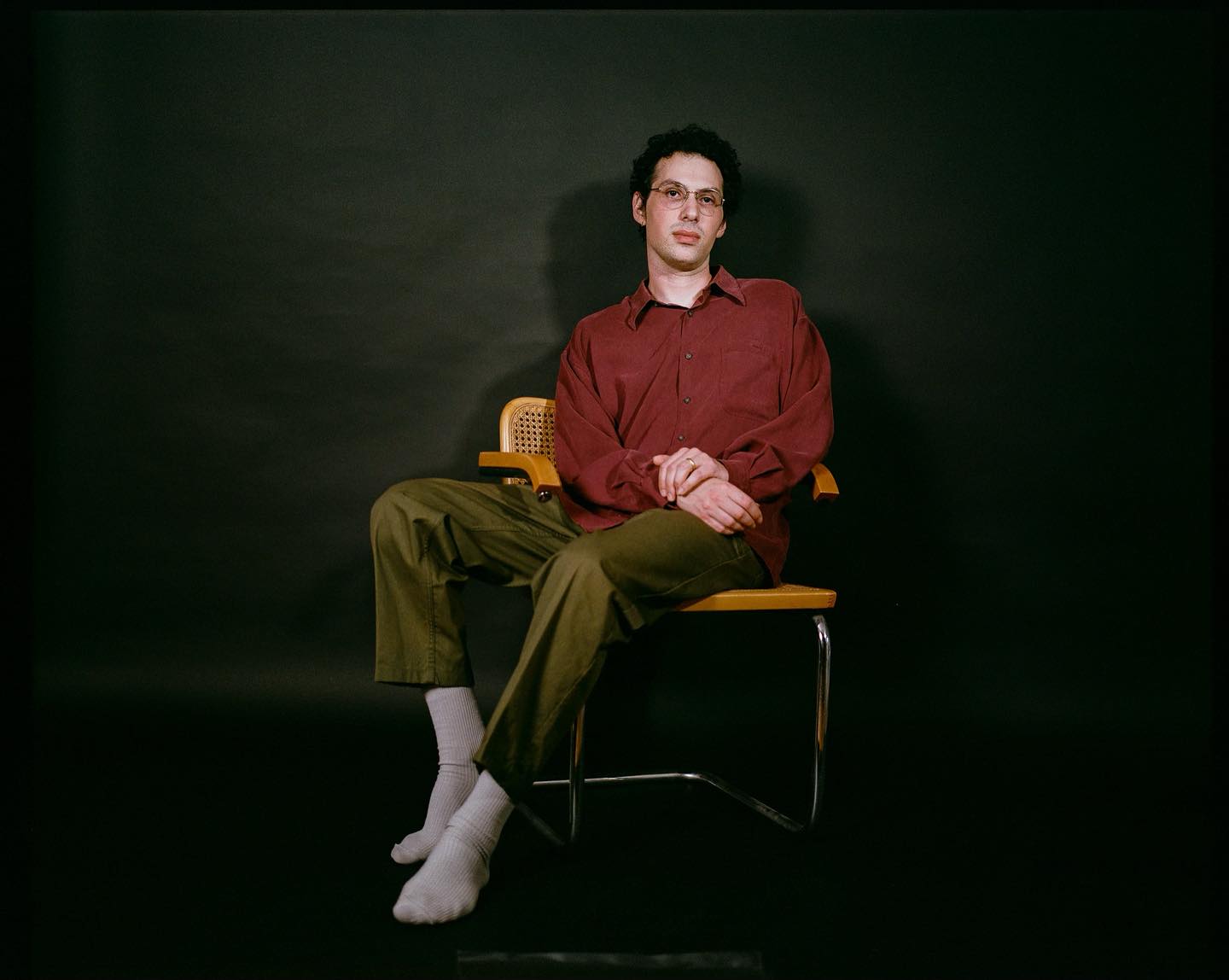
Name: Gregory Uhlmann
Nationality: Japanese
Occupation: Guitarist, composer, producer
Current Release: Gregory Uhlmann teams up with Dustin Wong for Dustin Wong for Water Map, out September 6th 2024 via Otherly Love. Gregory is also part of SML with Anna Butterss, Jeremiah Chiu, Josh Johnson, and Booker Stardrum. That band's self-titled debut is out via International Anthem.
Recommendations: I’ve been really enjoying Music for Commercials by Yasauki Shimizu recently. I’ve also been revisiting The Amps, Pacer.
[Read our Dustin Wong interview]
[Read our Anna Butterss interview]
[Read our Jeremiah Chiu interview]
[Read our Booker Stardrum interview]
If you enjoyed this Gregory Uhlmann interview and would like to know more about his music, visit his official website. He is also on Instagram, Soundcloud, twitter, and Facebook.
For an interview with one of his collaborators, read our Meg Duffy (Hand Habits) interview.
Do you think that some of your earliest musical experiences planted a seed for your interest in improvisation?
Definitely. I started on piano when I was 5 and my favorite thing to do was improvise by myself. I didn’t love playing pieces, but I loved to make things up.
From there I started playing bass, then guitar. I would make up songs with my brother. We would write in a very stream of consciousness way together.
It’s always been a theme in my musical life. And a way to process things.
When did you first consciously start getting interested in musical improvisation? Which artists, teachers, albums or performances involving prominent use of improvisation captured your imagination in the beginning?
I started getting very interested in improvisation in high school through learning to play jazz. I started studying with a teacher by my house at DePaul in Chicago named Bob Palmieri who really fed my interest and was super encouraging. It was my favorite time of the week when we’d play duets together.
Chicago was also just a great place to grow up for music. There were several all ages venues that were really supportive. Velvet Lounge was an important one run by Fred Anderson. There was also just a scene of high school kids that would all play together throughout the city even though most of us went to different schools. It was really special.
Jeff Parker was a big influence and I’d go see him play around the city. I eventually started taking lessons from him and Steve Rodby as well.
[Read our Steve Rodby interview]
I’d play little gigs around the city with my friends. There was a little network of venues that we’d play at and try new things together. We’d make little demo CDs and hand them out to try to get gigs. It was a special time.
Derek Bailey defined improvising as the search for material which is endlessly transformable. What kind of materials have turned to be particularly transformable and stimulating for you?
I think this is always changing, but more recently I’ve become interested in how to incorporate sounds from life into improvising. Such as field recordings.
I’ve been experimenting with playing samples that I record around (usually on my phone) on guitar through a midi pickup. Sometimes it works, sometimes not as much, but it helps me bridge the gap between my life and my music that can often feel abstract. It’s nice to have a memory associated with a sound.
I feel like a big part of trying to search for “materials” for improvising for me is also trying to unlock different textures and tones on guitar. Almost more than any particular melodic or harmonic idea. I am very drawn to making environments.
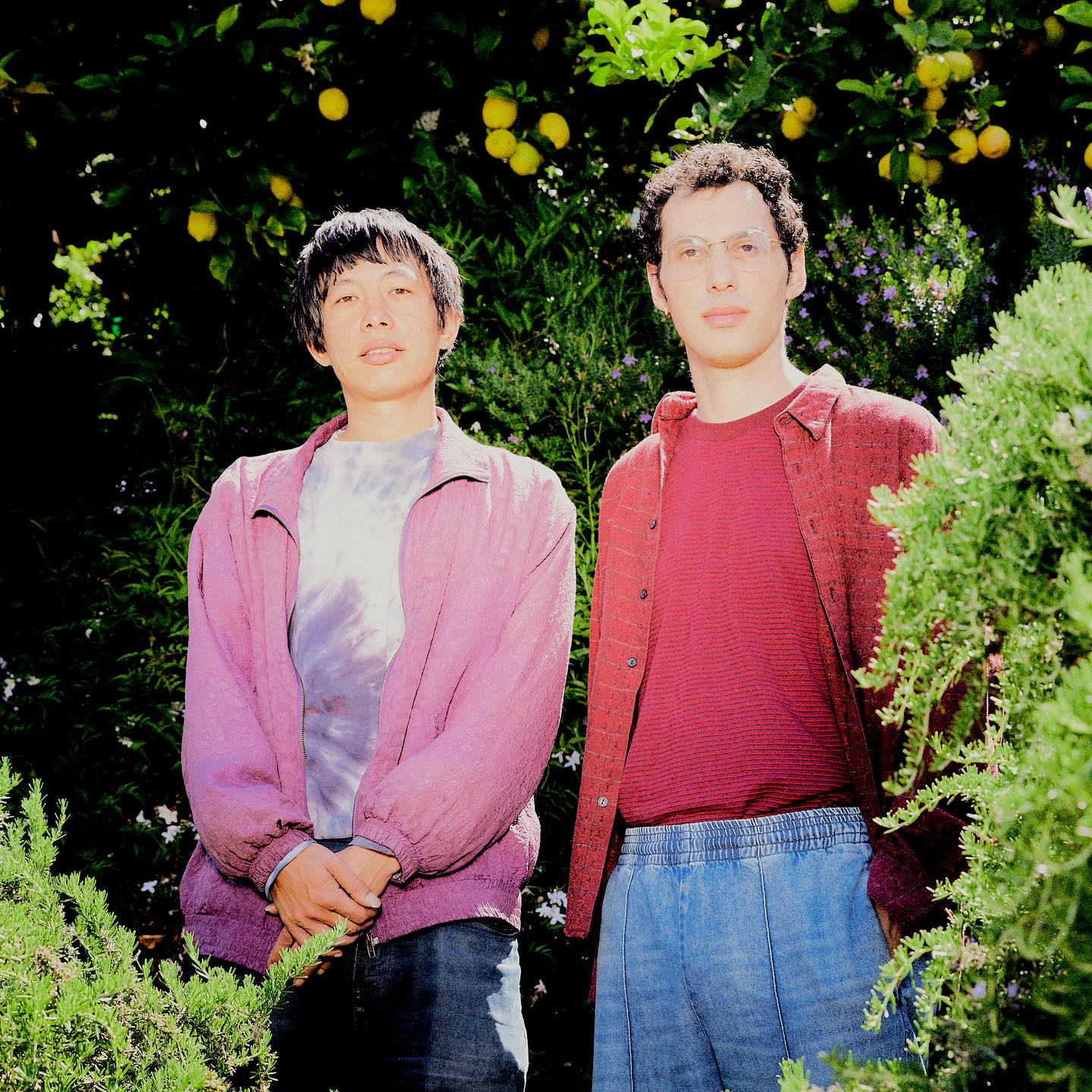
Gregory Uhlmann & Dustin Wong Image (c) the artists
Do you feel as though there are at least elements of composition and improvisation which are entirely unique to each? Based on your own work or maybe performances or recordings by other artists, do you feel that there are results which could only have happened through one of them?
I’ve always been interested in blurring this line. In recent years a lot of my work has centered around recording improvisations and editing them into compositions. I guess I think of them as different processes to get to the same place ultimately in terms of making records a lot of the time. Tony Malaby always impressed me with this kind of blurring of the lines of composition and improvisation.
I think there are countless examples of both works that could only be improvised or written out though. Hard to imagine improvising the Ravel string quartet and hard to imagine writing out anything from Miles Davis’ Live at the Plugged Nickel.
When you're improvising, does it actually feel like you're inventing something on the spot – or are you inventively re-arranging patterns from preparations, practise or previous performances? What balance is there between forgetting and remembering in your work?
It usually feels like I’m searching for something new, but ends up being recycled ideas in some way. That’s why I love playing with other people that I find inspiring. It makes you play differently. And it can inspire new directions that you wouldn’t go on your own. It’s the best way to learn and expand your world.
Sometimes putting limitations on yourself or introducing a new piece of gear / tuning / instrument can stimulate something new as well. I get bored of myself pretty quickly, so this is always on my mind.
In terms of your personal expression and the experience of performance, how does playing solo compare to group improvisations?
Playing solo is so so different for me. I’m naturally more of a listener than a talker, so I love interaction and I really feed off of it with improvising.
Playing by myself is very challenging. Something I am working on.
In your best improvisations, do you feel a strong sense of personal presence or do you (or your ego) “disappear”?
It’s honestly both. Sometimes I’m in a trance and I disappear and it feels amazing and sometimes I feel like I’m sharing in the most personal way possible. I love both of those feelings.
In a live situation, decisions between creatives often work without words. From your experience and current projects, what does this process feel like and how does it work?
It feels like magic.
I have always been fascinated by the many facets of improvisation but sometimes found it hard to follow them as a listener. Do you have some recommendations for “how to listen” in this regard?
Sometimes improvised music can be challenging to listen to and sometimes it feels effortless. I think there is often a feeling from people that they are meant to understand it in some way, but usually there is no secret
to unlocking it.
That said, sometimes what I like to do when I find it challenging is shift my focus to different individuals in the group instead of trying to listen to everything at once.
In a way, improvisations remind us of the transitory nature of life. When an improvisation ends, is it really gone, just like a cup of coffee? Or does it live on in some form?
I think it lives on in our memories and in our bodies.