Published
Part 2
From the earliest sketches to the finished piece, what does your current production workflow/process look like?
At first, it’s a mess. I develop a lot of sounds with my synths, always far too many and sometimes I can’t fit them all in the tracks. That’s why there are a lot of details: I will use a sound only in one part for example.
I’m always thinking about space when I create sounds. I know from the beginning where they will go in the mix and decide on reverbs and saturation really fast, to be sure I’ve filled every band with frequencies. I think I can almost create 3 tracks with the sounds that are in one Ableton session. Sometimes I split sessions into two, to make two different tracks as there are so many exciting sounds.
Then I organise everything to make something work in terms of time and I start the mixing process; that’s the longer step for me.
The first idea, I can develop in one day but the mixing process sometimes takes one month. I love too much of the details in the texture and my little sound design creatures. I find it difficult to make the decision to ‘hide’ some in the background sometimes.
I make the sounds, produce and mix everything alone but sometimes I would like to work with someone else on the mixing part to have an outside view.
The cello often comes in really late, I keep room for it because I know where it will come in terms of frequencies, and then I work with my cellist and we make demos. My cellist improvises on the tracks, I cut everything and send him what I like so he can write a partition and I give him notes and direction to play with: ‘could you play like you are caressing the smallest animal in the world, like a falling leaf in autumn, like the cello is crying, like you're searching for something in the darkest cave and the cello is a light?’
Then we go to a proper studio to record the cello parts again. We spend a lot of time discussing the energy of the cello to be sure It’s working with the track when we’re in the studio.
From your experience, are there things you're doing differently than most or many other artists when it comes to gear and production?
I know I have a special sound in terms of mixing but I don’t really know where it comes from.
I know my obsession with spaces is really noticeable, maybe that’s something different from other artists.
In relation to sound, one often reads words like “material”, “sculpting”, and “design”. Do you feel these terms have a relationship to your own work and approach towards sound? Do you find using presets lazy?
Definitely, I sculpt sound, that’s my main process actually in my opinion and the thing I love the most. I create all my sounds from scratch and never use presets.
I don’t think It’s lazy because it can be so hard to incorporate well crafted presets in music for a producer. I don’t create my kicks with synthesis, I take samples, because I don’t need to create these for my music in my opinion; my specialties are in melodies and sound design.
Maybe you can see this as using presets?
If some producers are most focused on kick/snare arrangements and create those with a lot of time and patience, maybe they can take presets for the melodies/sound design part of their work?
My music could not exist if I didn’t create my sounds and only used preset sounds, because it’s all about sound design for me and I create the feelings with my way of sculpting the sound.
To some, the advent of AI and 'intelligent' composing tools offers potential for machines to contribute to the creative process. What are your hopes, fears, expectations and possible concrete plans in this regard?
I thought a lot about this because this subject is so interesting; it’s questioning what makes you unique as an artist.
I couldn’t really find exact words about this idea and saw this post on Facebook by Robert Henke and thanked him for putting words to my thoughts:
“AI is perfect in recreating existing things in a highly believable fashion, be it images, text or sound. Even the most outworld-ish visual creations and mashups are based on known visual tropes, this is what makes it so powerful. We see new things that are not really new. It is all HR Giger or Rembrandt or Studio Ghibli or Wim Wenders, etc...
However, if AI for audio would have been ready before the invention of UK dubstep, I doubt it would have been able to create a 'Burial' or 'Code 9' sounding result. And even if one of the random seeded creations would have sounded a bit like it, it would not have been recognized as important, since the social interaction and resonance that is required for invention would not have been there.”
We met a few years ago at a festival in France where I was playing just before him and we immediately connected. I think he’s one of the most important minds of electronic music.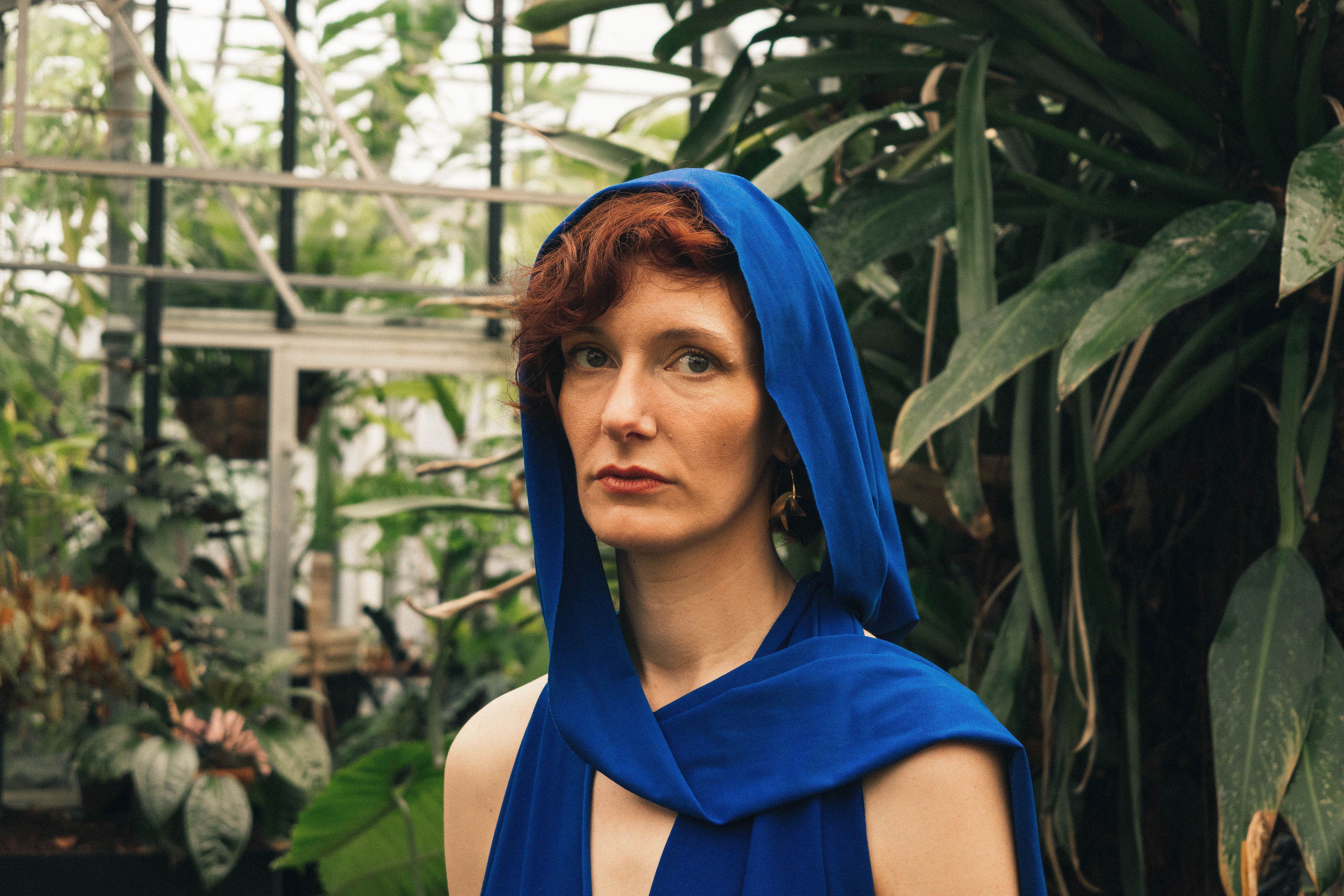
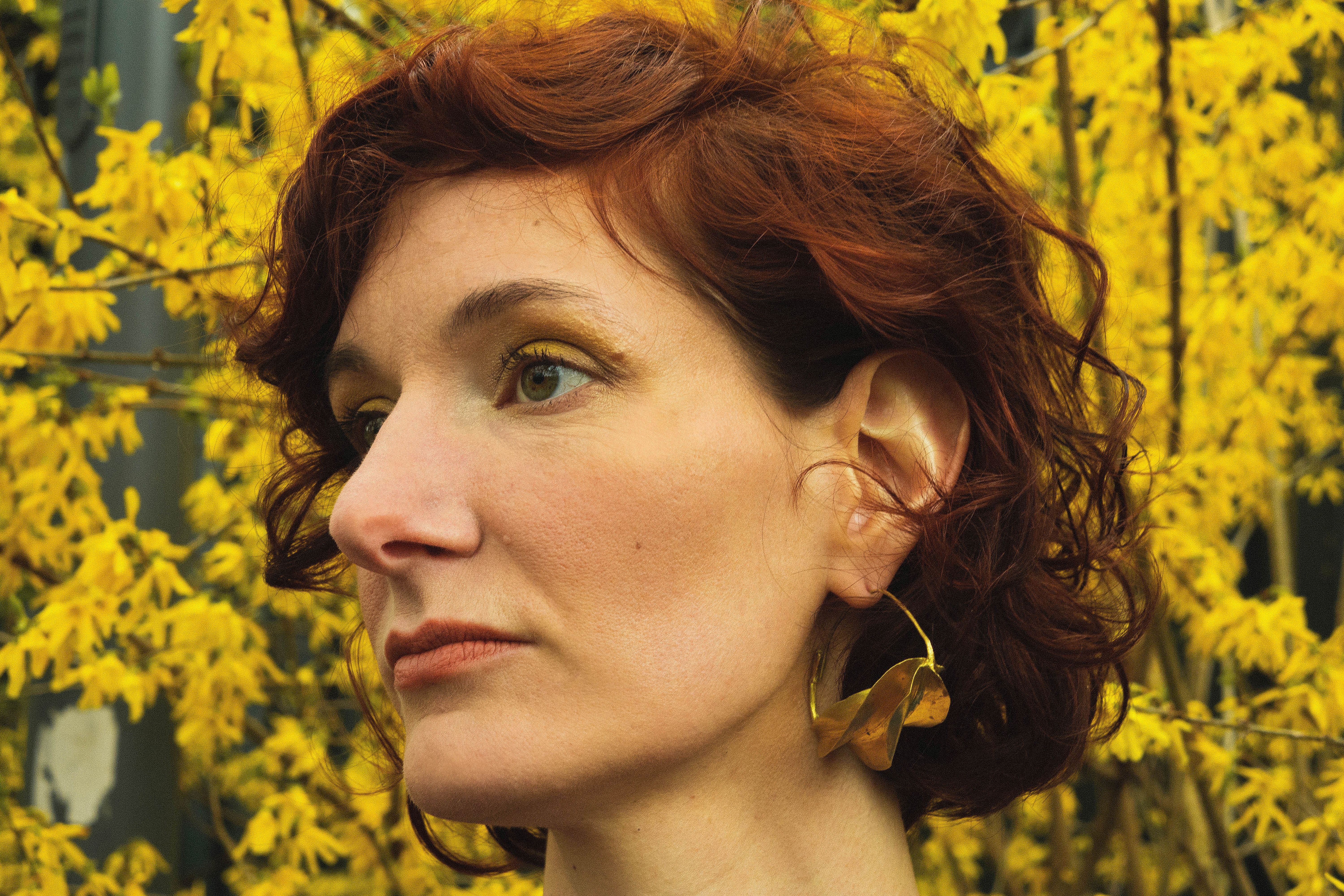
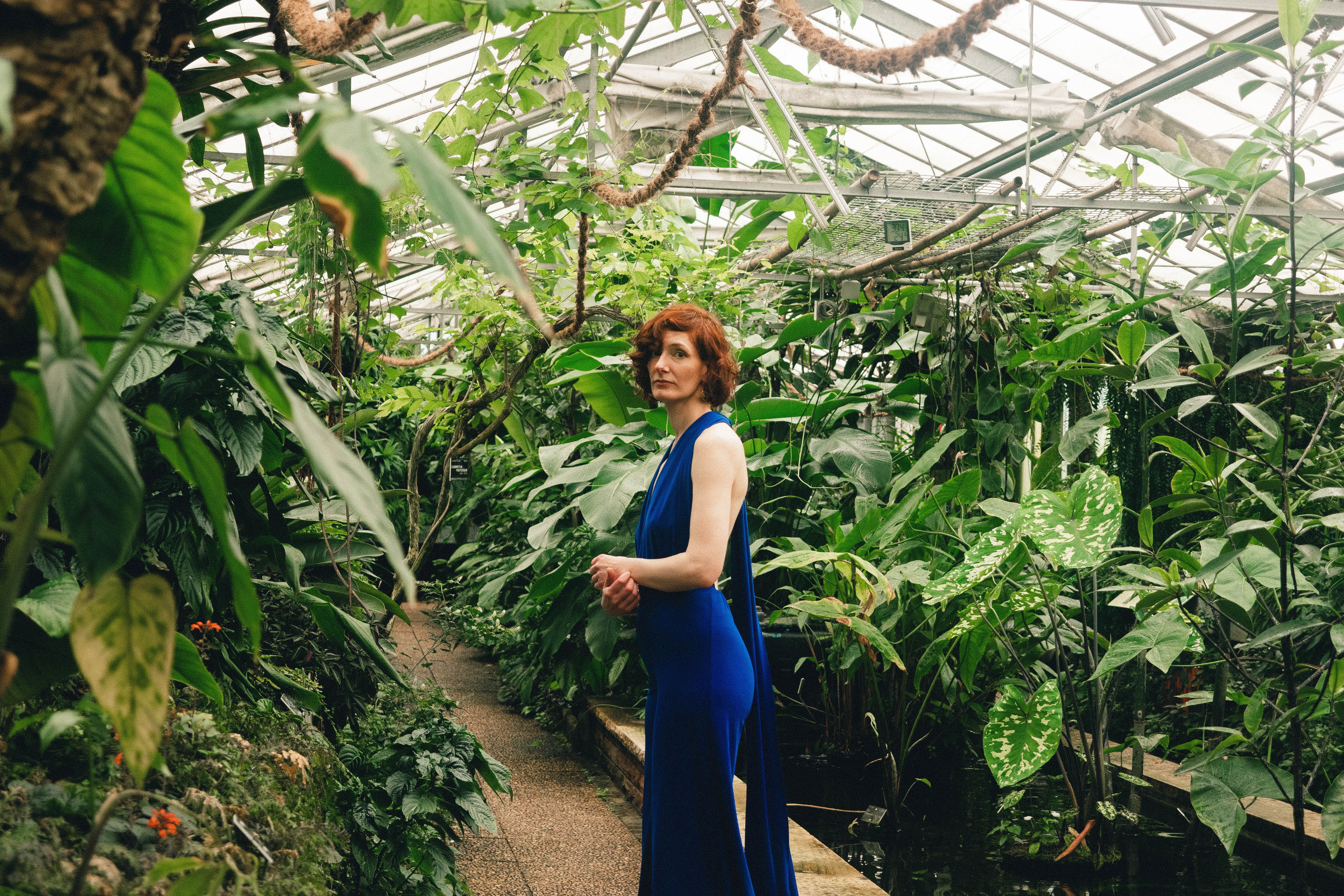
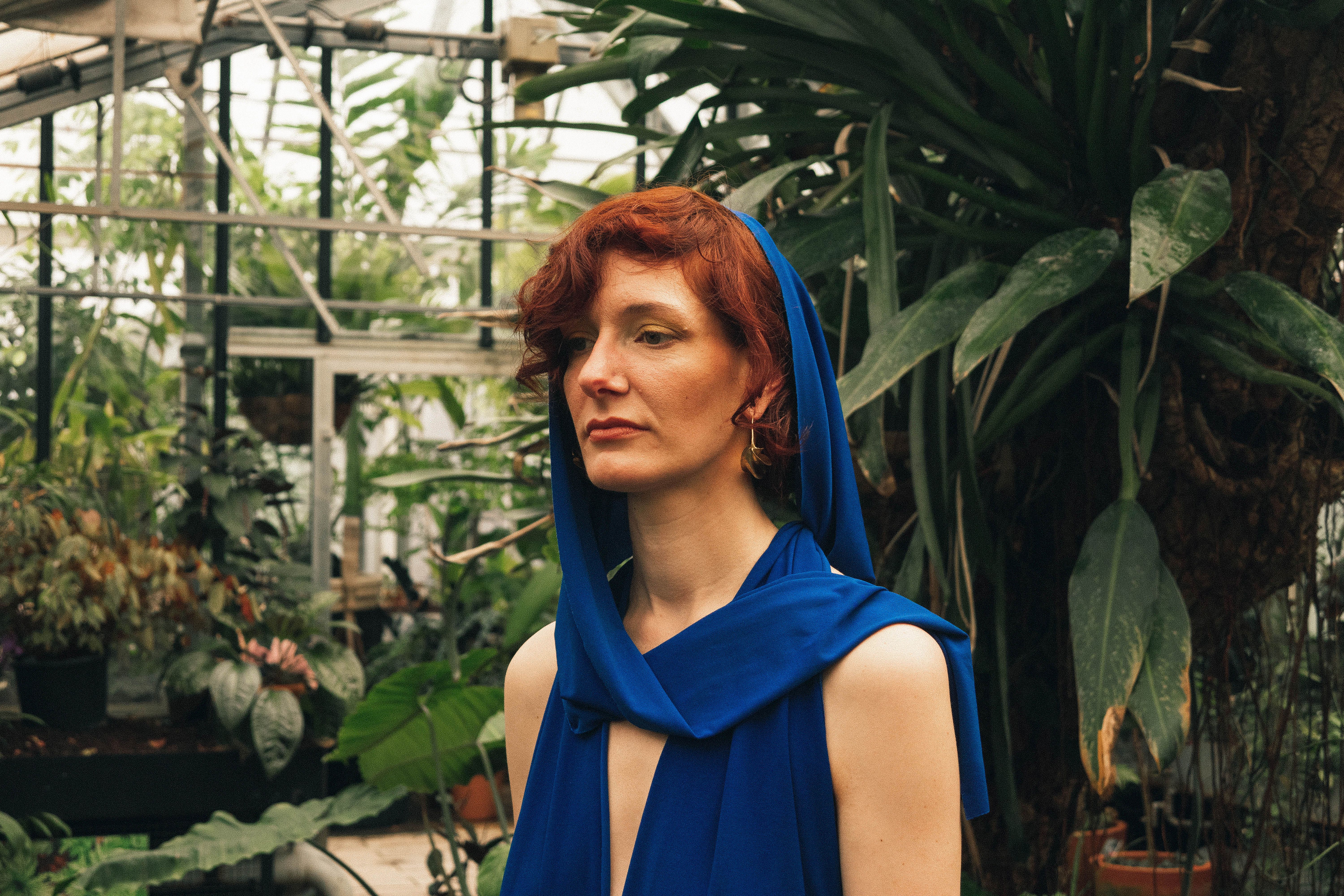
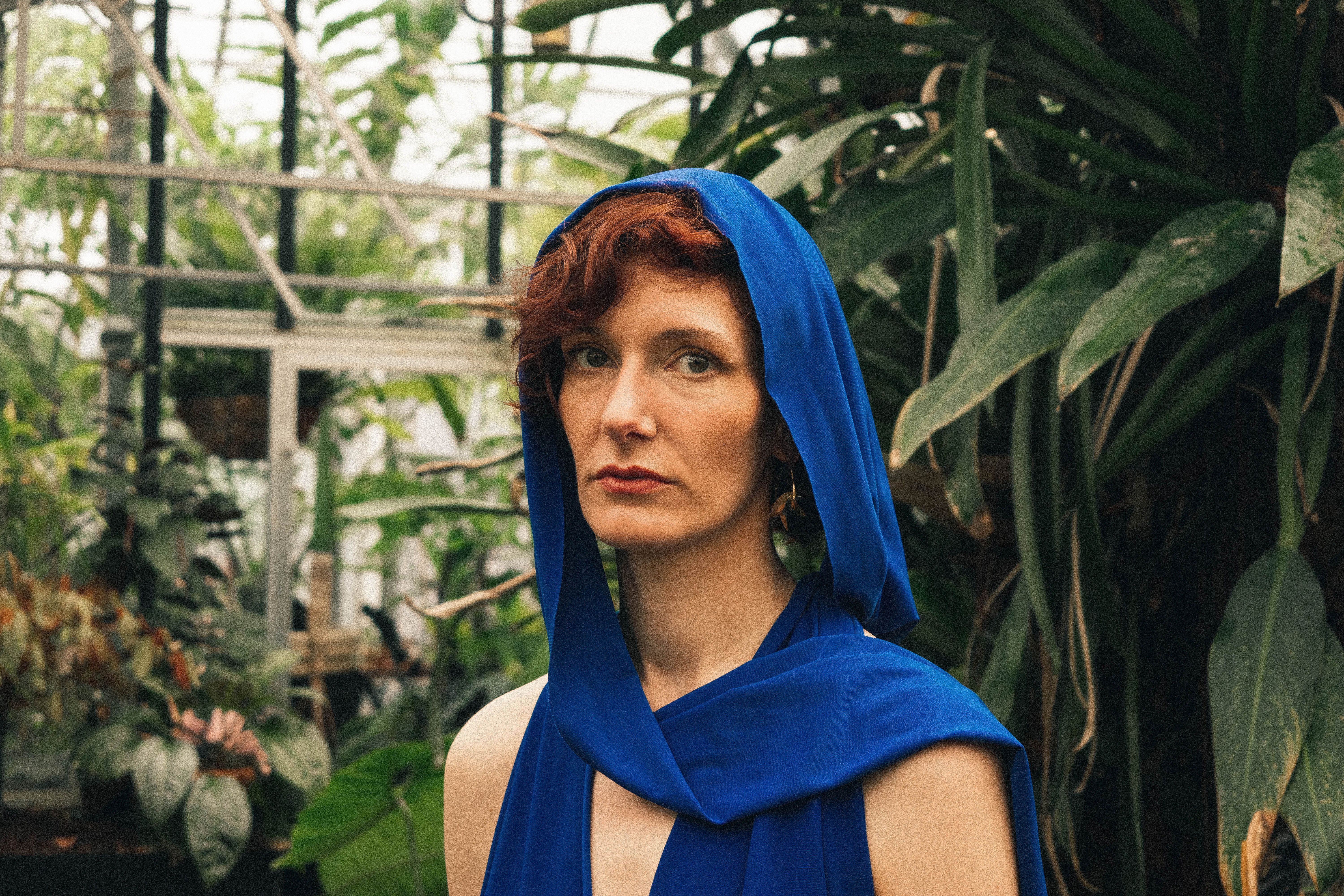
Odalie Interview Image by Clara Bey
AI forces us, creative people, to rethink our practice. If you don’t do something highly personal and unique, AI will do it better. Of course it will be used to make the music we hear all the time in commercials, films and advertising so there is a problem for the industry of music and how we remunerate artists for their works. But with the CD industry collapsing, we already have problems with that.
But, on a more creative level, AI could liberate all artists from making copies of existing ideas because AI will do it better anyway. People making their own original, weird stuff can’t be copied by AI; we’re working with mistakes, and AI can’t make mistakes. It’s kind of comforting if you see it this way: the idea of artists being free from copying others. I know I work a lot with mistakes and “things that you can’t do” so I’m not threatened by AI.
I also think there are incredible artists working with AI, driven by their vision; it can be an incredible tool, like any other tool.
If you could make a wish for the future directly to a product developer at a Hard- or Software company – what are developments in tools/instruments you would like to see and hear?
I’m really sad about the fact that Emilie Gillet from Mutable instruments stopped working on creating new modules for modular synths. I would like her to do this again because I’m fond of her work and I can totally imagine myself having a personalised instrument made by her one day if she’s up for this.
But I know that she stopped working in the area of music technology and I don’t know what she’s doing nowadays.