Published
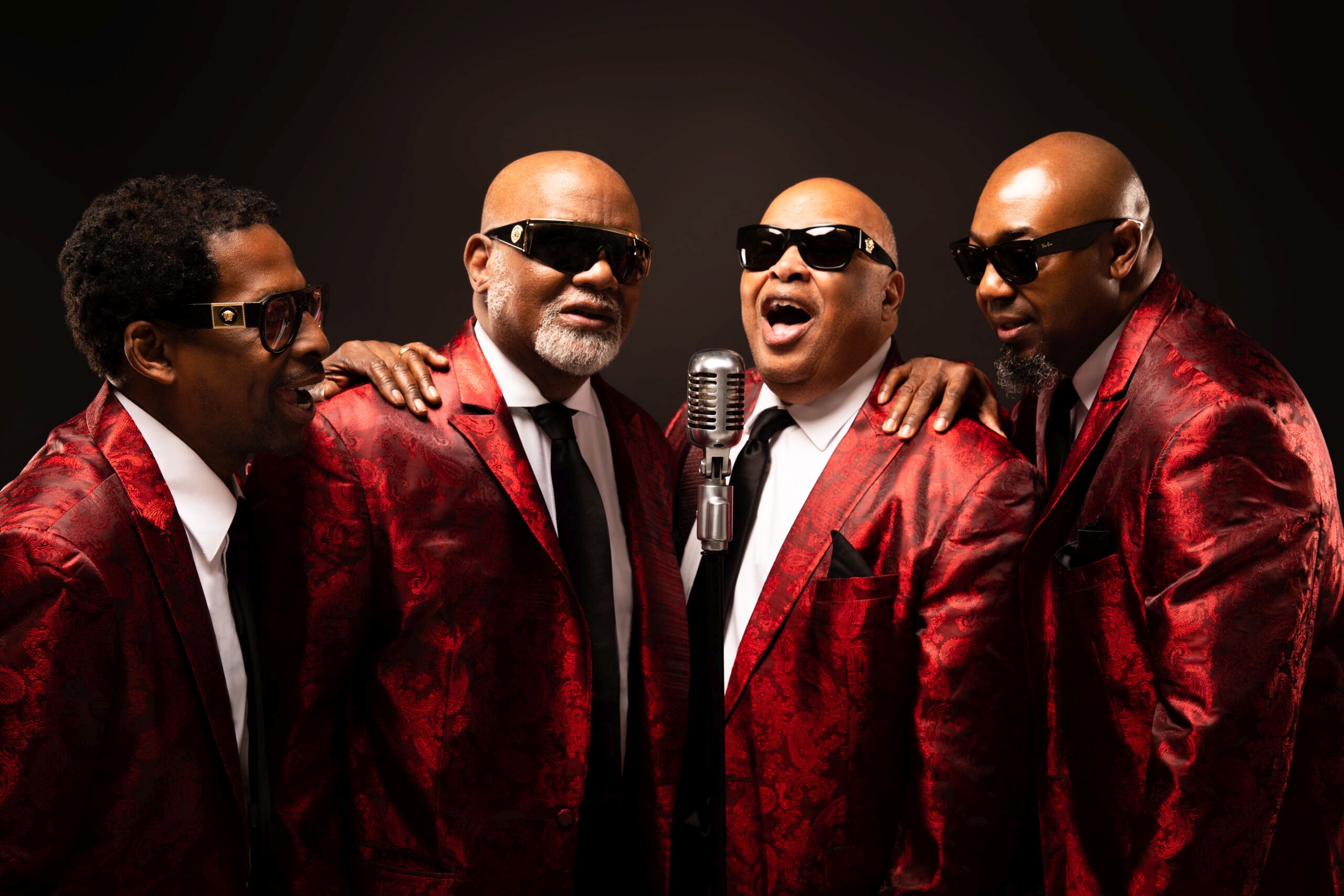
Name: The Blind Boys of Alabama
Members: Ricky McKinnie, Joey Williams, Reverend Julius Love, JW Smith, Sterling Glass
Interviewee: Ricky McKinnie
Nationality: American
Current event: The Blind Boys of Alabama are among the artists on the roster of the 2025 edition of the Cheltenham Jazz Festival. Other acts include Nubya Garcia, Joe Armon-Jones (Ezra Collective), Neil Cowley Trio, Mark Kavuma, Amadou & Mariam, Elles Bailey as well as Ni Maxine. Get tickets and more information here.
Global Recommendation: I live in Atlanta and The Martin Luther King Center is a must.
[Read our Nubya Garcia interview]
[Read our Ezra Collective interview]
[Read our Neil Cowley Trio interview]
[Read our Mark Kavuma interview]
[Read our Ni Maxine interview]
If you enjoyed this Blind Boys of Alabama interview and would like to stay up to date with the band and their music, visit their official website. They are also on Instagram, and Facebook.
When did you first consciously start getting interested in singing? What was your first performance as a singer on stage or in the studio and what was that experience like?
The first time I found myself interested in singing was around age 7 and my first performance was on stage at Israel Baptist Church.
It was awesome.
What were some of the main challenges in your development as a singer/vocalist? Which practices, exercises, or teachers were most helpful in reaching your goals – were their also harmful ones?
I would say that some of the main challenges was endurance and finding my singing range. Back in the day, I practiced imitating different gospel and blues artist that were around me.
The only harmful exercises that I did was singing too much!
What are the things you hear in a voice when listening to a vocalist? What moves you in the voices of other singers?
I would say for both, it’s the ability to go from one octave to another without yelling or screaming/straining your voice.
How do you see the relationship between harmony, rhythm, and melody? Do you feel that honing your sense of rhythm and groove has an effect on your singing skills?
Harmony today lacks flavor that used to exist back in the day. It can still be smooth, today’s harmony, but it can lack a certain goodness and naturalness to it.
When it relates to all three existing together, having natural harmony helps have natural rhythm, and having natural rhythm helps have natural melody. And when you have natural melody, it is the last key component of a really good song.
I don’t believe necessarily that honing your sense of rhythm and groove has an effect on my singing skills.
I’d love to know more about the vocal performances from last year, please, and the qualities of your voice that you wanted to bring to the fore.
I really wanted to bring forth a good, natural gospel vocal to all of the songs.
Strain is a particularly serious issue for many vocalist. How do you take care of your voice? Are there recipes or techniques to get a damaged voice back in shape?
I usually use Cepacol Extra Strength sore throat and cough drops. Those do wonders for adding comfort to whenever I strain my voice.
I gave them to The Boys and they started using them too and they swear by them!
For recording engineers, the human voice remains a tricky element to capture. What are some of the favorite recordings of your own voice so far and what makes voices sound great to record and in a live setting?
I did a song with the Blind Boys, “Wide River to Cross.”
It wasn’t my song, but the producer/engineer he did that song and it turned out pretty good. It was on our last album Echoes of the South.