Published
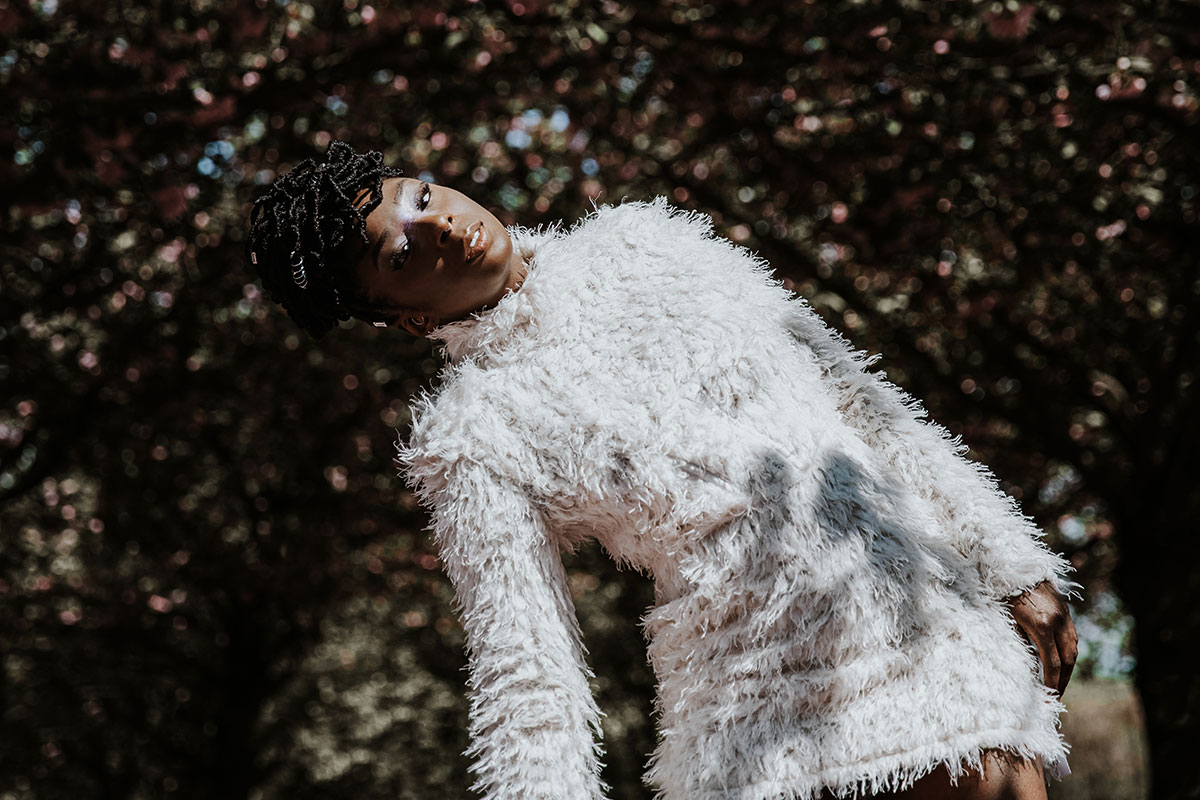
Name: Sera Kalo
Occupation: Singer, songwriter, improviser, composer
Nationality: Caribbean-American, Berlin-based
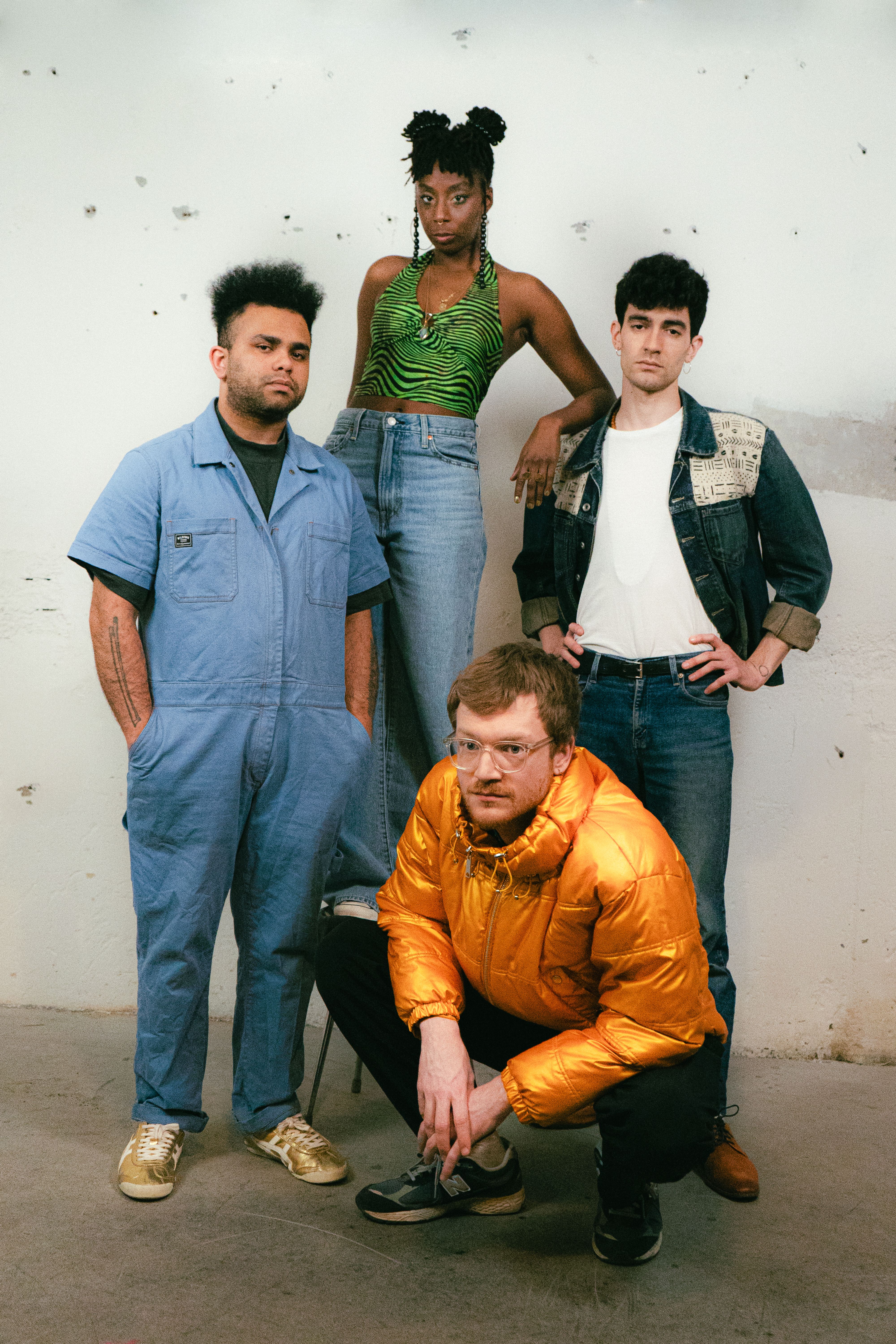
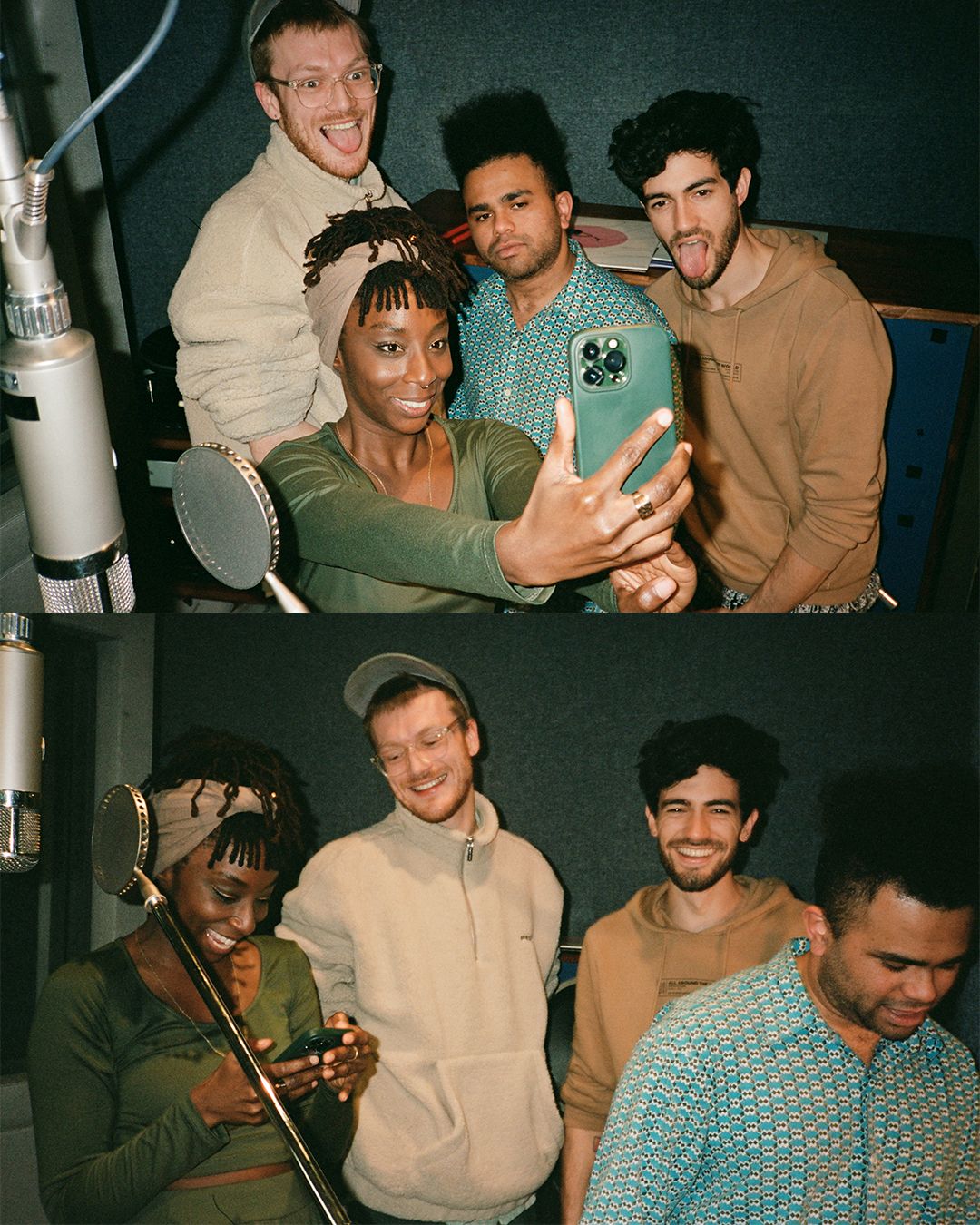
Current release: Together with Dylan Hunter Chee Greene (drums), Marius Max (sax), and Nick Dunston (bass), Sera Kalo is currently working on the debut album of her band ex.II. She also keeps performing with eXante.
[Read our festival report of the XJAZZ! Festival 2024]
If you enjoyed this Sera Kalo interview and would like to know more, visit the official Sera Kalo homepage, or Instagram profile.
The XJAZZ! Festival has just finished – tell me just a little bit about your performance at the Festival, please.
Altogether, I had three performances at XJazz this year. The first one was in collaboration with Entangled Grounds, singing a song called 'Sunflower' produced by the up-and-coming bassist and producer Sofia Eftychidou at Huxley's Neue Welt.
The second performance was the premiere performance of my new project, ex.II. We played as support for Shabaka Hutchings' sold-out concert at Emmauskirche. It was truly a magical and transformative night! Forever grateful!
And then I performed some tunes with trombonist Baron Arnold and his project, Code Switch, at Festsaal Kreuzberg.
How, would you say are your live performances and your recording projects connected at the moment? How do they mutually influence and feed off each other?
Well, I am currently involved in a few different projects, some of which I lead and some of which I don't. For the projects that I have led so far, there is definitely an evolution going on artistically. I call myself a genre-fluid artist because I enjoy deep-diving into diverse sonic worlds and bridging the gap between different genres by focusing on what connects them.
Over the years, I realized that I needed more space for improvisation and spontaneity in my music and live performance. The album I released last year, called eXante, was a step in that direction. Together with Petter Eldh, we created very beautiful and elaborate arrangements of my songs that went beyond typical ABABCA structures.
Now with eX.II (my project with Nick Dunston, Dylan Hunter Chee Greene, and Marius Max), I took an even larger leap of faith and decided to open up my song structures even more in order to be more inclusive of spontaneous artistic impulse ... or improvisation. While pieces of eX.II have themes, it's a new experience every time we play them. It's thrilling and so much fun ... and I am so happy that the audience we played for at our premiere at XJAZZ was just as into it as we are! Phew!
With that said, I love music, and I'm always happy to create in different styles, whether it's pop or avant-garde, as long as it moves my soul. I'm here for it!
In as far as you have any experience or insights, what's your view of the Berlin jazz scene?
It is so innovative and rich with creativity. It's unbelievable that so much talent lives in this city.
There are a lot of sub-scenes within 'the scene,' and I hope for more unity and exchange at some point.
Music has become a lot more global and incorporating elements from other parts of the world or the musical spectrum is commonplace. Do you still think there are city scenes with a distinct, unique sound? What holds these communities together?
I would venture further and say that there are continental scenes or national scenes, rather than city scenes, and yes, I think they still exist.
What keeps them together? The culture and socialization of the dominant public sphere of that area. It's like speaking a language. You pick up the accent and dialect of the place you learned it or spent the most time living in.
Derek Bailey defined improvising as the search for material which is endlessly transformable. As of 2024, what kind of materials are particularly transformable and stimulating for you?
Well, I love combining acoustic and electronic sounds. I also enjoy incorporating field recordings (whether in their original form or with effects).
The general concept of deconstruction and reconstruction of sounds or aural themes is also fun.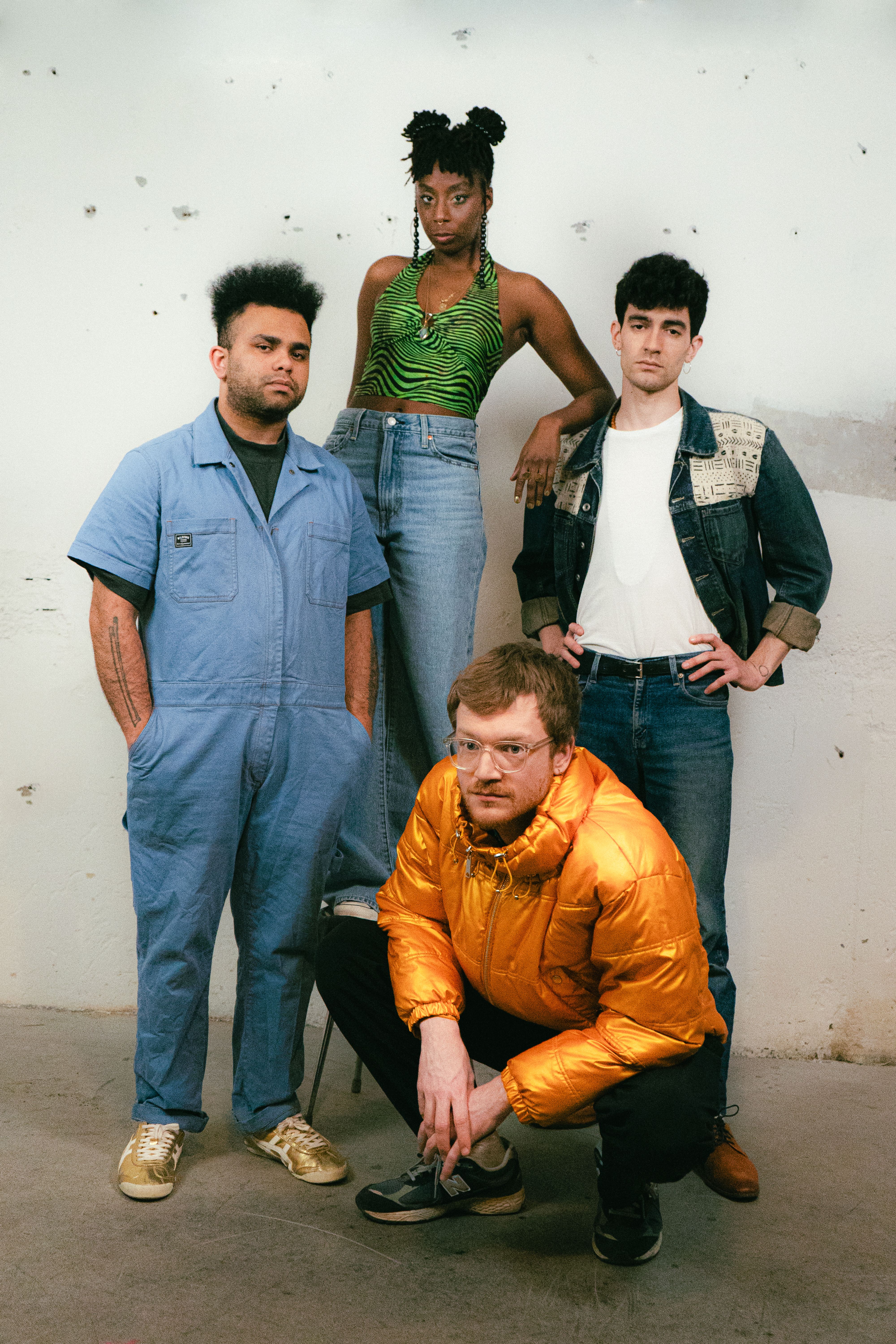
ex.II Interview Image by Justine Sina Edinger
Thanks to technological advances, collaboration has become a lot easier. What's your view on collaboration and its ongoing role for the music you make?
Collaborations are the secret sauce for discovery. There's a reason why I ask certain people to work with me. I want to resonate with them and see how our vibrations interact with one another.
We are all unique individuals, and the most beautiful thing that can happen is when we come together, feel each other, and create something new. We learn about ourselves, each other, all the while producing art. I love that!
In terms of the results, the process, and the satisfaction, how do making music in the same room together versus filesharing compare to you, real concerts vs live streams?
In terms of producing new music, both processes require trust and yield different aesthetics. I appreciate both approaches.
As for performance, for me, live streaming can never replace the live concert experience. What creative live streaming can do is expand the experience, make it more accessible, and even immersive for the listener/visitor.
I definitely feel that music artists in the industry should make a real effort to dig deeper into understanding the potential of live-streaming, virtual creative tech, and the live-concert experience when combined.
The XJAZZ! Festival is closely connected to the Analogue Foundation, which emphasises the role of analogue gear and music-making. Do you have any thoughts on this and the role of “mistakes” (as opposed to the “cleanness” and “perfection” of digital) in music?
It depends on what your goal is; that determines the approach. I think all approaches are relevant. Analogue approaches highlight a human element, which I find grounding and reflective of different societal time periods.
Digital productions can create the 'perfect fantasy,' which may be significant for those whose reality isn't necessarily where they find grounding.
Improvisation is obviously an essential element of jazz, but I would assume that just like composition, it is transforming. How do you feel the role of improvisation changed in jazz?
I agree that improvisation is a very important element of jazz, but personally, I don't think that improvisation (in the sense of soloing and virtuosity) should be held as the sole defining characteristic of jazz. I believe that the moment one decides to musically think outside the norms of any genre, jazz begins to manifest.
Beyond theory, jazz is also a culture, with deep social and political relevance. When these aspects are considered, the jazz aesthetic becomes more open and inclusive. This might be something that traditional jazz music enthusiasts and practitioners in Europe find terrifying.
Jazz is everywhere, and it's definitely not dead! It's doing what it does best: surviving, thriving, and transforming. Just like the people who invented it!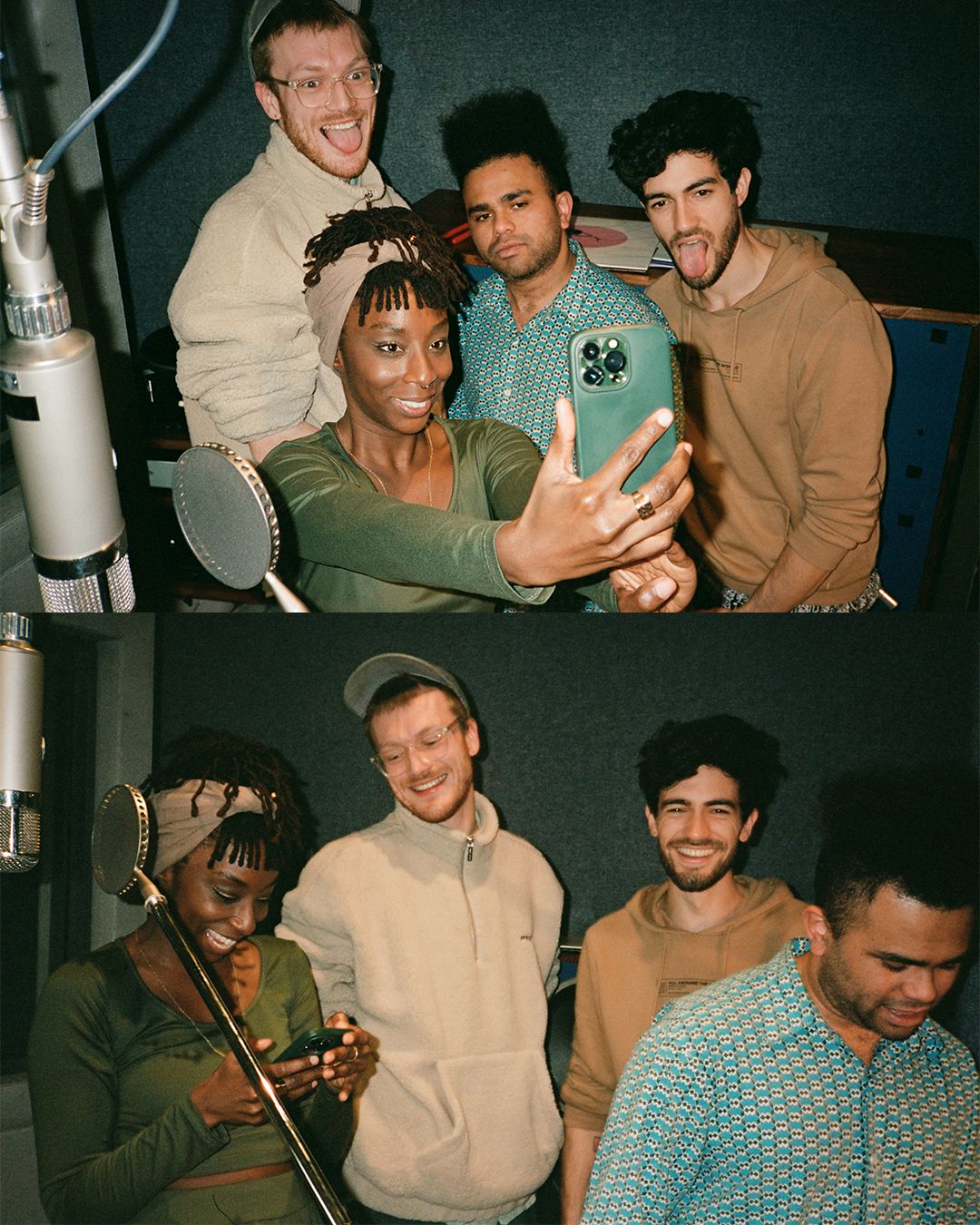
ex.II Interview Image (c) the artists
What, would you say, are the key ideas behind your approach to improvisation?
My approach is not to rush. I like to take my time, even when I manage to write an entire song in one session. I will leave it alone for a few days (or longer) and then go back to it with a fresh mind to hear what other possibilities await me.
How would you describe your own relationship with your instrument – is it an extension of your self/body, a partner and companion, a creative catalyst, a challenge to be overcome, something else entirely?
I am my voice; my voice is me. There is no separating the two.
If you want to get to know me, understand how I feel on a given day, listen to the many timbres of my voice! There is a lot going on there.
The term identity is an important aspect of many communities. Are you acting out parts of your identity in your improvisations which you couldn't or wouldn't through other musical approaches? If so, which are these?
Yes, I am expressing parts of my identity through improvisation. It's a practice of being one's authentic self regardless of context.
It's liberating, sometimes scary, and beautiful.
I have always been fascinated by the many facets of improvisation but sometimes found it hard to follow them as a listener. Do you have some recommendations for “how to listen” in this regard?
Expect nothing and prepare yourself to simply receive. Listen to the soundscape and follow the journey of the element(s) that stand out to you the most. Allow your body to move if it wants to, and if so inclined, mentally add your element into the soundscapes you hear. It's a playground. Play along ...
These are some of the things I do.
In a way, improvisations remind us of the transitory nature of life. When an improvisation ends, is it really gone, just like a cup of coffee? Or does it live on in some form?
I think it lives on and continues to transit. Maybe it leaves a musical context at some point and manifests in a new perspective or relationship to memory. Maybe it unlocks new possibilities or potential for the present and future.
Every influence or experience we have in life leaves an imprint on our identities. Music evokes that same power.