Part 2
Tell me a bit about the sounds & creative directions, artists & communities, as well as the colleagues & creative hotspots of your current hometown, please. How do they influence your music?
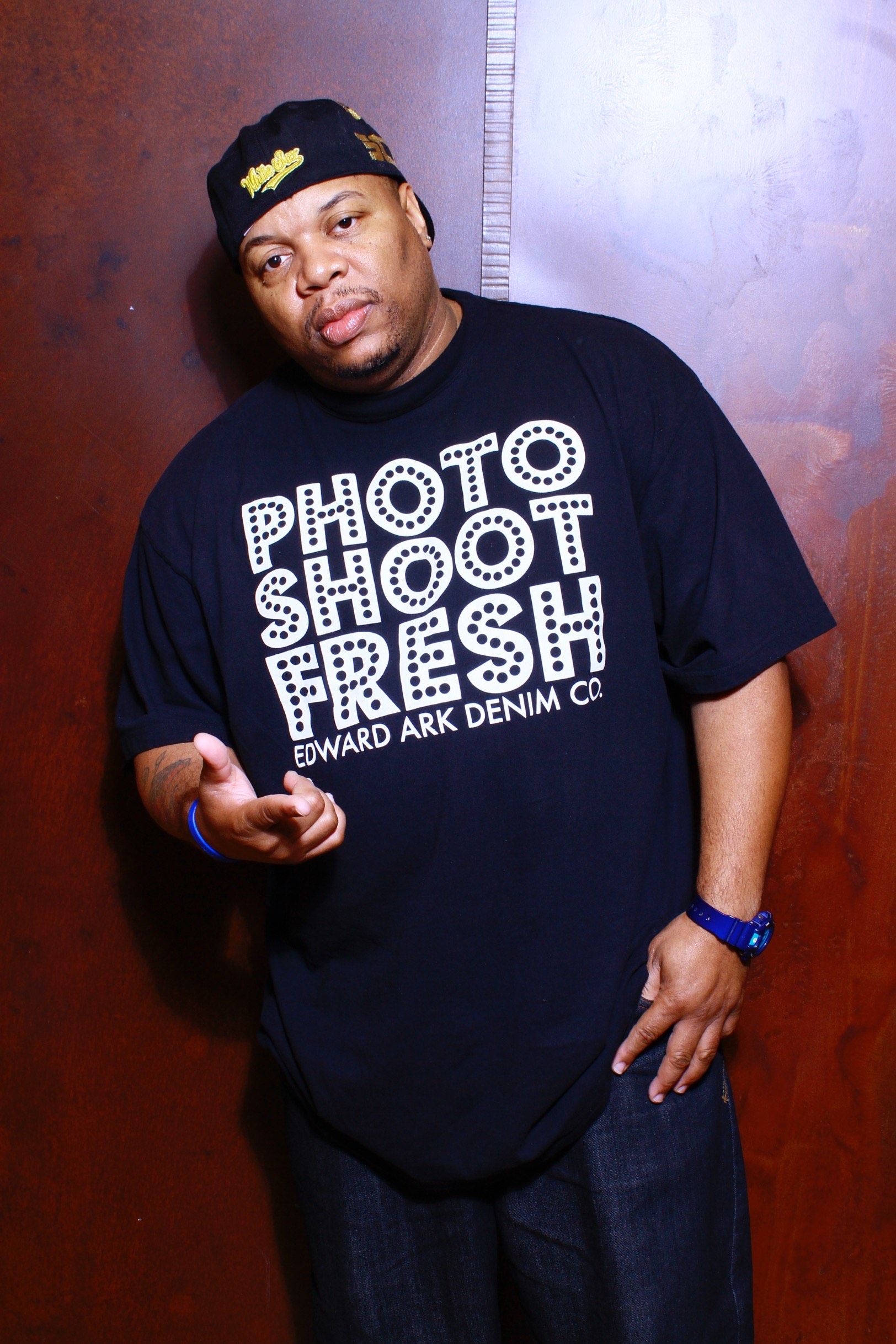
Thadz: In my hometown of Chicago, Illinois, everybody is footworking or juking. Every time one of the Chicago dancers gets online and they do some really nice, creative moves. It really influences my music.
I had the pleasure of being one of the DJs during the Chicago footwork appreciation month at the Chicago House Fest in Millennium Park in Chicago, IL.
Sieh dir diesen Beitrag auf Instagram an
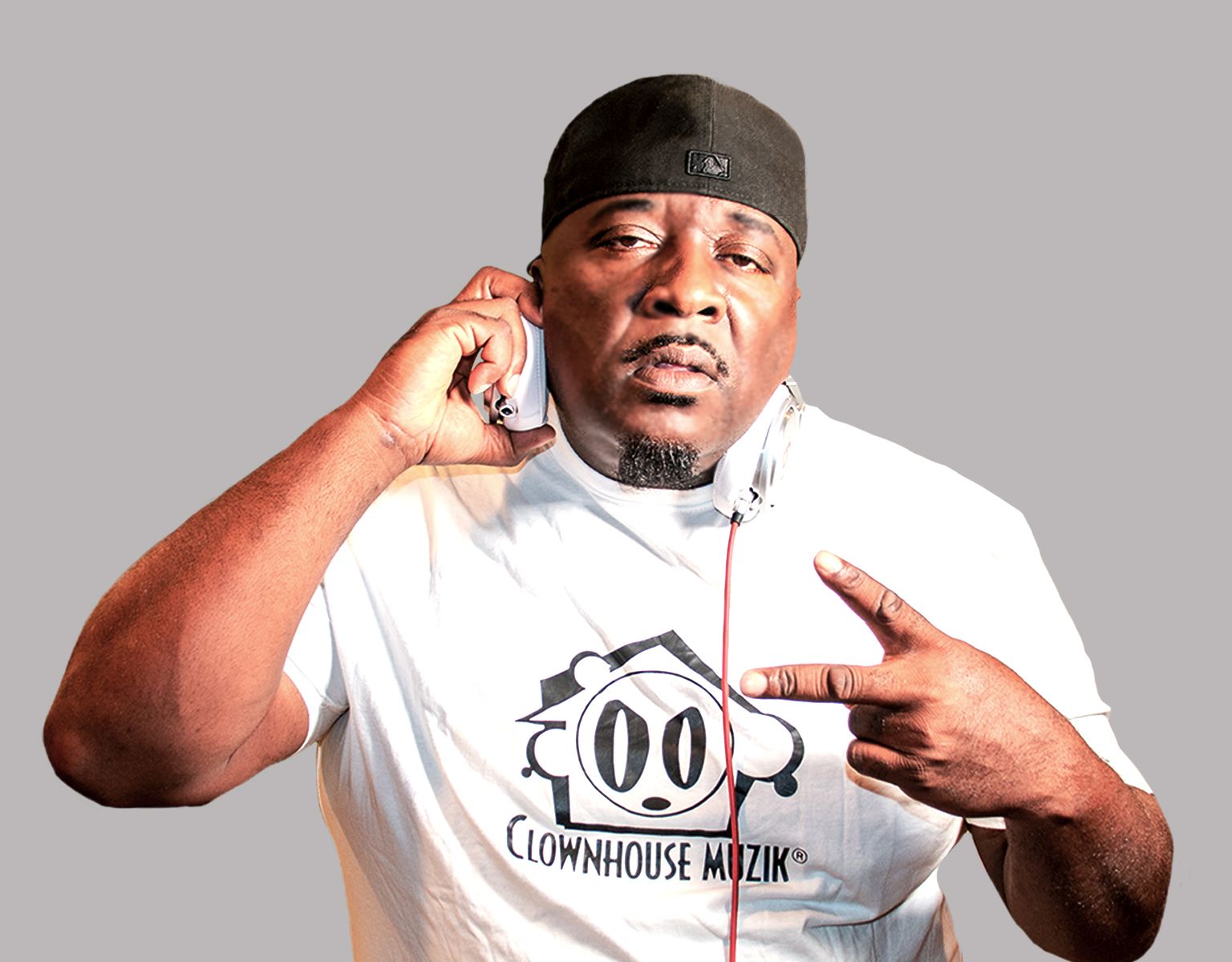
Slugo: Chicago culture, vibes, people etc are all a part of my sound. The underground community as a whole is just one of the best vibes any musician could ever experience.
Today, electronic music has an interesting relationship between honouring its roots and exploring the unknown. What does the balance between these two poles look like in your music?
Slugo: I feel like the pioneers in my genre don’t get the recognition for the sound that we have created. The ghetto house sounds has been ignored for years but has been sampled with people trying to say they created a new sound without giving credit to the genre they sampled from. So it’s extremely unbalanced in our music.
Thadz: For me it’s all about respecting the roots of Chicago ghetto house, juke, and footwork while pushing them into new spaces. The foundation,the raw drums, the bounce, the grit has to stay intact because that’s the culture and history I represent.
But at the same time, I’m always exploring new textures, new sound design, and new ways to flip those classic elements so they feel futuristic. The balance is making sure the music still carries the spirit of the origins while opening doors to sounds people haven’t experienced yet.
How do you see the role of sampling in electronic music today?
Thadz: I think sampling is a creative aspect of electronic music today. I think sampling is really cool, and if you really know how to sample and manipulate sounds, I think that is awesome as an artist.
Producers who sample should be sure they handle their business with the person they're sampling. Just don't take people's property. Me personally I try to avoid sampling.
Slugo: Sampling is cool as long as you do it properly. Clear the sample before putting out the song.
Saying you’re paying homage doesn’t pay the original author’s bills. Do business the right way!!!
What are some of the most recent innovations in sound design for you - and what are currently personal limits to realising the sounds you have in your mind?
Thadz: Lately I’ve been experimenting with AI-driven plugins and stem separation, which let me flip vocals and samples in ways that keep that raw Chicago energy but sound futuristic. Spatial mixing has also been big for me, making tracks hit different on big systems.
The main limit right now is time—my ideas run faster than the tools, and sometimes what I hear in my head takes way longer to bring to life.
Slugo: My most recent innovations are Roland & Rando. And honestly there are no limits with the sounds in my mind.
I keep a recorder with me at all times and mumble things here and there. And as soon as I can I get in the studio and get it all out.
In as far as it is applicable to your work, how would you describe the interaction between your music and DJing/DJ culture and clubs?
Slugo: One simple word ENERGETIC!!!
Thadz: My music and DJing are directly tied to the culture and the clubs—it’s a feedback loop. The clubs are where I test new sounds, see how people move, and feel that raw energy. DJ culture.
Especially in Chicago, it's about pushing the envelope while keeping the floor moving, and that shapes the way I produce. I build tracks with the crowd in mind ... heavy low end, raw drums, unexpected flips, because the interaction with the dancefloor is what gives the music its life.
Without that exchange, the sound wouldn’t hit the same.
How, would you say are your live performances and your recording projects connected at the moment? How do they mutually influence and feed off each other?
Thadz: My live sets and my recordings feed each other constantly. In the studio, I’m building tracks with the energy of the club in mind, and when I play them live, the crowd reaction tells me what really connects.
Sometimes a raw loop or edit I test on the floor ends up becoming the backbone of a new track. At the same time, when I’m recording, I think like a DJ, arrangements, drops, and transitions are built so they hit hard in a set.
So it’s a cycle: the studio fuels the live show, and the live show refines what I bring back into the studio.
Slugo: I try to make sure I don’t put out any mixes or recordings that I can’t do live.
I’ve learned that when people hear your mixes and they are great they expect to hear the same thing when you are playing live. So I make sure that any recordings I put out digital that I am also able to do the same thing in my live performances.
Even if AI will not entirely replace human composition, it looks set to have a significant impact on it. What does the terms composing/producing mean in the era of AI, do you feel?
Thadz: I think AI is definitely gonna make a staple in electronic music just because it allows the artist to explore without limits, like anything is possible with AI right now.
Slugo: I feel no computer can ever replace human feeling or emotions. And if you as a producer put your real feelings, emotions as well as life experiences into your music no AI program can match or replace that.