

Names: Nicolas Hamilton Stephensen aka 9ICK, & Moritz Schuster aka Mauricesax
Occupations: Pianist, producer (Nicolas Hamilton Stephensen), composer, saxophonist (Moritz Schuster)
Nationalities: Danish (Nick), German (Moritz)
Current release: 9ICK & Mauricesax team up with milan93 for A Garden Between Us, out via LYAM (by Oathcreations).
Things I am passionate about but rarely get to talk about:
Nick: I’m weirdly passionate about walking. I recently did 75 km in 24 hours, and I genuinely love that kind of thing. Walking, hiking, mountaineering — anything where you’re outside, moving for a long time and pushing your body a little too far. It’s incredibly meditative to me. Life gets very simple very quickly.
Moritz: I love video games. When they're well done, they really take you into another world. I feel like video games will be the movies of the 21st century.
Also, the bar "Metronom" is probably the quirkiest thing to visit in Cologne (besides the cathedral). It's a small place where they play exclusively jazz records on vinyl, and you get to taste the infamous local beer that people in Cologne are so obsessed with.
If you enjoyed this 9ICK & Mauricesax interview and would like to stay up to date with their music, visit their respective Instagram profile: 9ICK; Mauricesax.
What were some of the musical experiences which planted a seed for your interest in jazz?
Nick: I grew up playing classical piano with my strict but lovely teacher and friend, Milena Zelenetskaia, so music initially felt very much about doing things “right” haha.
Debussy taught me how harmony can feel like colour; jazz taught me the “wrong” note is often the right one. A Garden Between Us lives somewhere between those two ideas.
Moritz: Listening to "Giant Steps" for the first time. Also, watching the series "Cowboy Bebop" got me really excited about the idea that jazz could be something very cool.
What does the term jazz mean today, would you say?
Moritz: Music that doesn't shy away from complexity in order to be appealing, while not becoming so overly intellectual that it loses a bodily connection to the listener.
Nick: Honestly, I hope jazz becomes harder and harder to define. The second you can draw a clean border around a genre, people start protecting the border instead of pushing the music forward.
To me, jazz is much more about an approach to music than a particular sound.
As of today, what kind of materials, ideas, and technologies are particularly stimulating for you?
Moritz: The ability to create complete music pieces with all the instrumentation that exists in the world using just your laptop.
Being able to produce and record studio-level recordings in your bedroom.
Where do most of your inspirations to create come from – rather from internal impulses or external ones? Which current social / political / ecological or other developments make you feel like you need to respond as an artist?
Moritz: It's completely internal. I create because I find the process fulfilling.
What role do electronic tools and instruments play for your creative process?
Moritz: They are essential.
Without my laptop and my DAW, I probably wouldn't be creating music.
Thanks to technological advances, collaboration has become a lot easier. What have been some of the most fruitful collaborations for you recently and what approaches to and modes of collaboration currently seem best to you?
Moritz: I almost exclusively collaborate online, remotely. The projects range from basic loops and ideas to almost finished tracks where I'll sometimes only add a few final sparkles.
Regardless of the state of the track, I always check first whether an original melody comes to my inner ear. I then record myself singing/humming this idea and afterwards record it properly with actual instruments. Additionally, I always try to suggest some horn sections or supporting ideas.
If, for some reason, I have trouble finding an initial idea, I rely on all the composer tools I've gathered over the years to fill in the blank — and sometimes, through these tools, I actually find an original idea that can spark a more authentic approach.
In any case, I always try to cater to what the music and the specific track need.
Jazz has always had an interesting relationship between honouring its roots and exploring the unknown. What does the balance between these two poles look like in your music?
Moritz: My main instrument is the saxophone, and when I write sections or improvise solos, I draw from many influences across the different eras of jazz, incorporating bebop language or more modern approaches to tonality and chordal movement.
However, all the writing I do is more rooted in loop-based music, which to me is the essence of 21st-century music.
Nick: I think the best way to honour jazz history is to do what the people we admire actually did: make music for their time. Not ours.
Trying too hard to sound like the past feels less respectful to me than taking the same risks those musicians took.
How much potential for something “new” is there still in jazz? What could this “new” look like?
Moritz: When it comes to acoustic instruments and jazz, I feel there isn't a lot of potential for something genuinely new to arise.
Sure, there's the atonal avant-garde stuff, but there isn't much interest in that type of sound, and I feel like the connection to the listener is mostly lost.
Electronic music, on the other hand, still manages to create new and surprising sounds, so the only hope jazz has today is to embrace electronic approaches to create something new.
For many artists, life-changing musical experiences take place live. How do you see that yourself?
Moritz: I love performing music live. But for me, pushing a genre or style of music forward starts with the creation of new compositions and tracks, and that's usually done in the studio.
Only later, once you have an actual catalog of work that is appreciated, are you actually given the chance to present it to a live crowd.
How, would you say are your live performances and your recording projects connected at the moment? How do they mutually influence and feed off each other?
Moritz: I'm exploring ways to bring a more production-oriented sound to the stage and to perform electronic sounds the way you'd traditionally perform on acoustic instruments.
In that way, I'm trying to bring my compositions into the live environment.
Improvisation is obviously an essential element of jazz, but I would assume that just like composition, it is transforming. How do you feel has the role of improvisation changed in jazz?
Nick: I try not to play what my fingers already know. The second I notice myself reaching for something because I know it’ll work, I try to go somewhere else.
Usually that’s also where the mistakes happen, which is kind of the point.
Moritz: I think it hasn't changed much. Some of your weirdest mistakes in improvisation become your best compositions. It's always been like that.

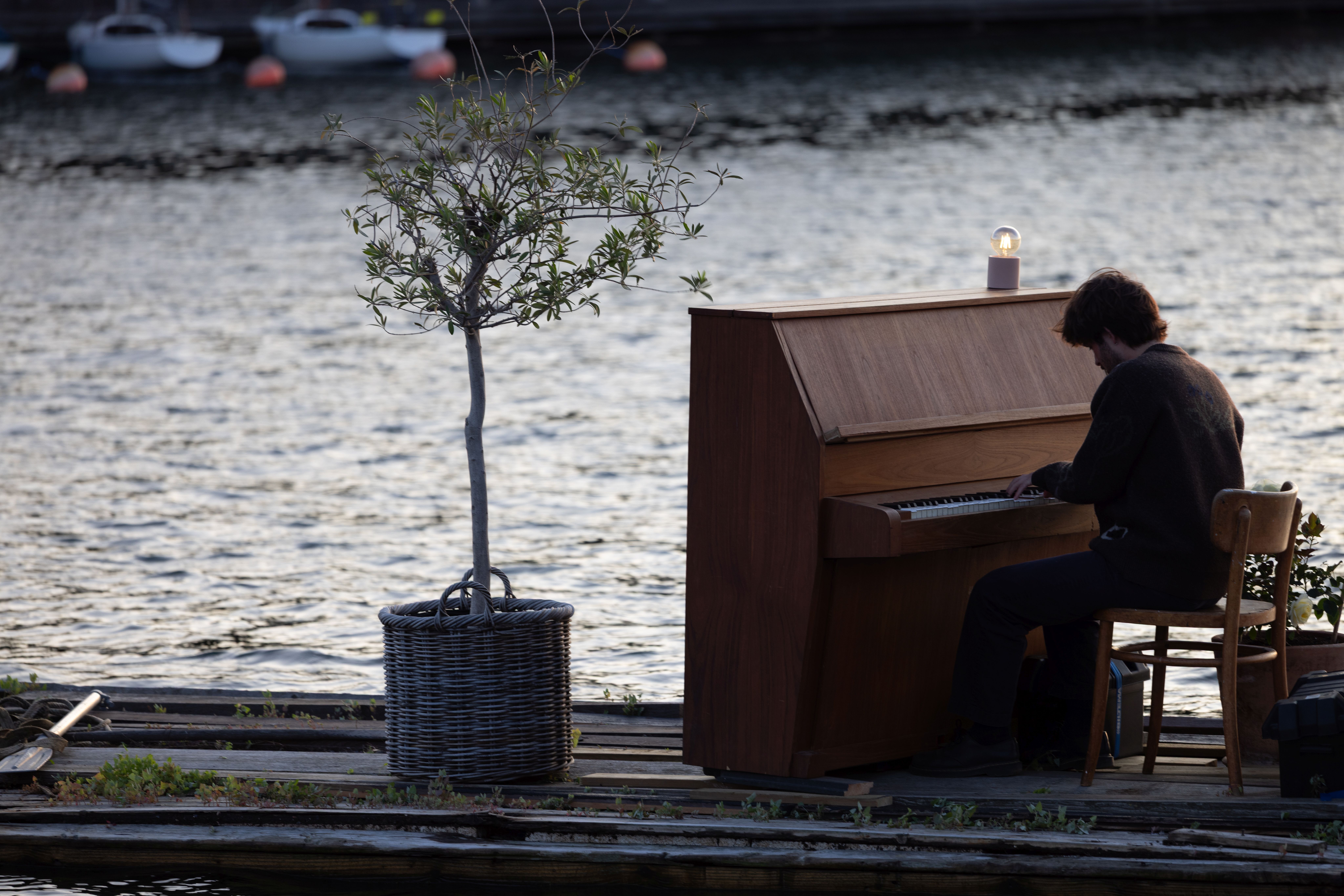 9ick Interview Image (c) the artist
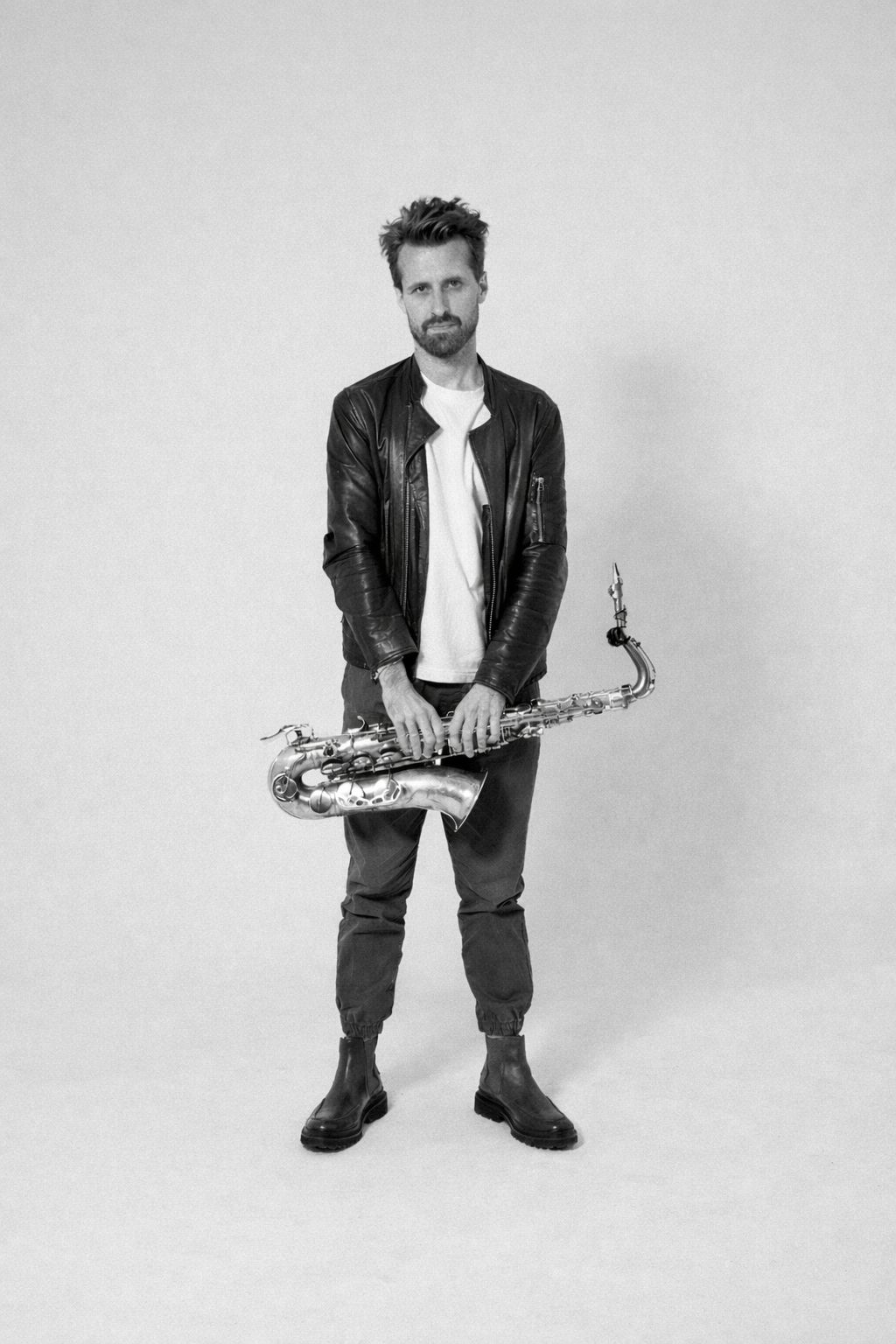
Mauricesax: "The only hope jazz has today is to embrace electronic approaches to create something new."
Video
