



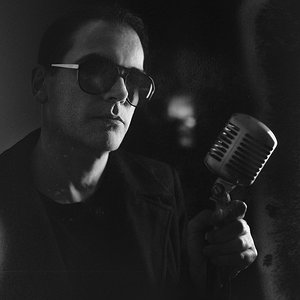
Concrete Noir about Dark Places in Music
If there is darkness in Piero Fragola's music, it's merely an umbrella term for a sonic philosophy that encompasses many different moods and emotions – from melancholy to unfulfilled longing, from poetic veiling to brutal honesty, from weightless drift to a relentless rhythmical machinery.
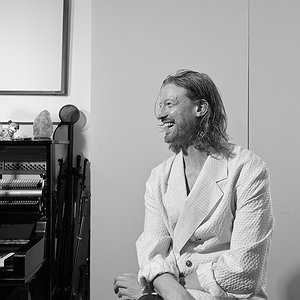
Anderts Tysma about Directions in Electronic Music
Oscillating between sequencer romantic and ambient intimacy, "Contrasts" would have been a more natural album title than "Parallels." The explanation lies beyond algebra: In the vastness of the subconscious minds, these lines really do run alongside each other. At some point, they may even meet.
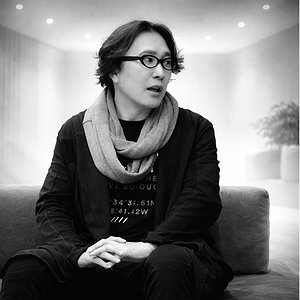
Bajune Tobeta on Silence, and the Sound of the Self
"The boundary between inner and outer experience is not a fixed wall but a membrane. Sound is the substance that passes through that membrane most freely: it begins as vibration outside and ends as emotion inside."
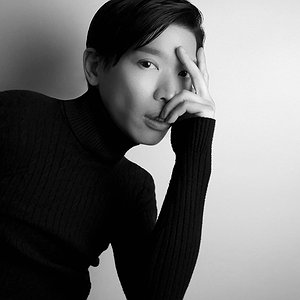
Wallace Woo about Geological Abstractionism and the Art of Time
Wallace Woo did not so much invent Stalactite Aesthetics as discover them. Pigments in various states of being, from discrete streaks to raw cracks, lead into a textural world of subtle gradations. Filled with silent rhthms, these are spiritual spaces confronting viewers with their own hidden fears.
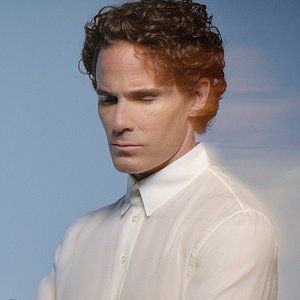
Steve Hackman about Directions in Contemporary Composition
Steve Hackman has become known for his orchestral fusions of classical repertoire and contemporary songwriting. His new LP, recorded with just him on the piano, feels like a breather: In a space between fantasy and crystalline precision, these pieces gently open up new pathways.
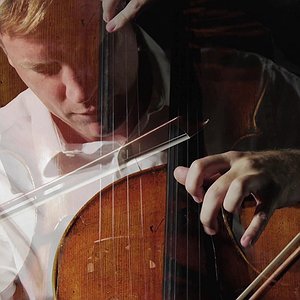
Conrad Harris about Feldman, Brown and Graphical Scores
Violinist Conrad Harris is not just an "expert" on Morton Feldman and Earle Brown. He is also, even after many years of performing their work, still an enthusiast. In this interview, he provides in-depth insights into his approach to performing their work – and about Feldman's most shocking chord.
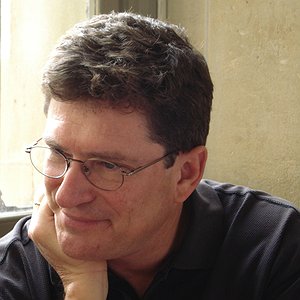
Cort Lippe about Directions in Contemporary Composition
It may not be possible to start at zero with every new piece. Still, Cort Lippe is determined to try. Working around the contrast, synergy and creative interaction between acoustic instruments and computers, his music does not use electronics to manipulate, but to reveal and uncover.
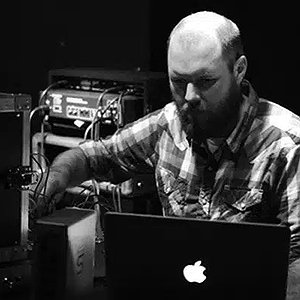
Koen Holtkamp about Mountains, Handmade Art, and the Primacy of Sound
With DIY label Apestaartje and his duo Mountains, Koen Holtkamp was instrumental in shaping the sound art scene of the early 00s. Since then, he has zoomed in even more on the overlaps between genres, approaches and art forms that makes his work equally challenging and endearing.
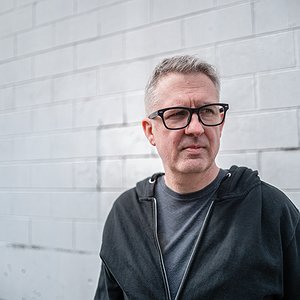
Lusine about Melting Days, Ambient Spaces and Production
Grief, Lusine's "Melting Days" suggests, is not just about feeling sad. It's about losing sense of clarity, about contours dissolving and shapes becoming blurry. The album, possibly his most personal one yet, enters that state with warmly undulating loops spiralling softly above an abyss.

Trent Moorman about Drums, Drumming and Melting Days
Joining forces with Lusine's Jeff McIlwain, Trent Moorman uncovers rhythm from tactile textures, finding hidden dimensions in hypnagogue jazz beats. Unlocked by sensual, whispering loops, sceneries of awe-inspiring ambient beauty shift at a giant velocity, never fully repeating once.
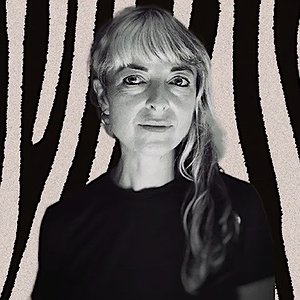
Barbara Ellison about Directions in Contemporary Composition
“I enjoy what happens when you stay with material long enough for your perception of it to break down and reorganise itself.“
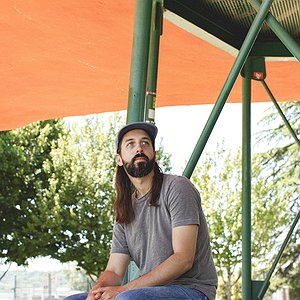
Jeffrey Silverstein about the Magic of Sound(s)
Recorded with friends and in the ideal space for creativity, Jeffrey Silverstein's new album is rooted in community while reaching for the cosmos. Between instrumental bliss, country solitude and lands of pure imagination, it's testimony to a deep connection to nature and the world of sound.
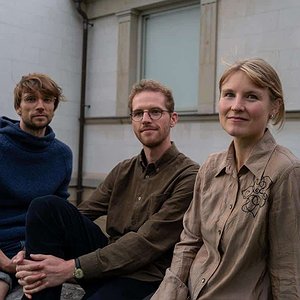
Blåly about Emotions in Music
For the jazz trio, a performance never really ends. Building up rapport with their audience during a gig, they extend that connection through conversations, exchanges and even back home. We all experience deep emotions – this music can help us make sense of them.
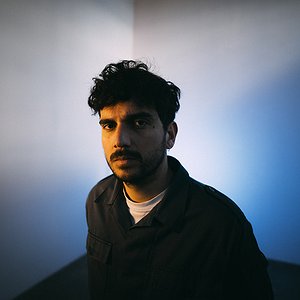
Louis Matute about Irony as a Subversive Strategy and Why this World will Never be Stable
Louis Matute feels strongly about a fundamental truth of the arts: As wonderful as ideas can be for their own sake, they can't replace physical action on the ground. His new album is the soundtrack for a world after the change: A utopian vision of beauty, an ideal to fly on the flags of revolution.
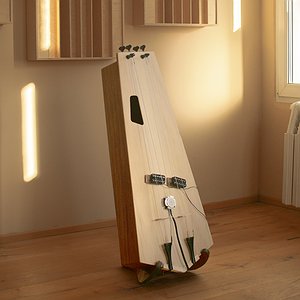
Jakob Vasak about the Kobophon and Recognising the Strangely Familiar
Jakob Vasak had a sound in his head that he wanted to work with – a “whup, whupwhup” at different pitches. After spending years trying digital effect chains, he decided to build an instrument that could realise it and build acoustic, feedback systems. Now it's here – and it sounds like nothing else.
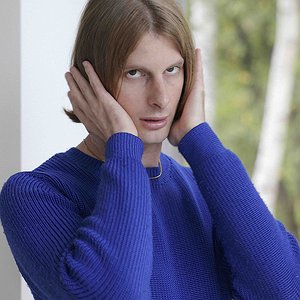
Samuel Barbier-Ficat about Directions in Electronic Music
"Creation is not a clean path toward a result. It is the mess, the accidents, the hesitation, the wasted takes, the wrong turns. That space where something is being made is sacred."
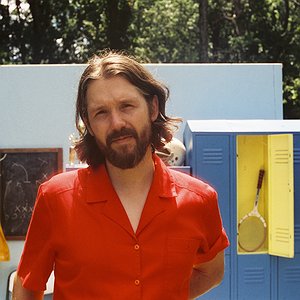
Junior Pro Shares his Creative Process
As a producer, Kyle Ryan has accompanied the careers of artists like Kacey Musgraves. In his new project, he now explores his own creative personality. Filled with lush harmonies and close harmonies, his bittersweet songs are a perfect early-Winter soundtrack to sipping warming cups of tea.
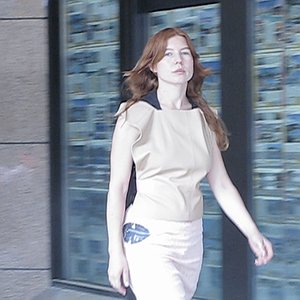
Matilda Tjäder about Directions in Contemporary Composition
"Where there is nervous tension or level of sloppiness in a work, there is also an immediate requirement for the audience to engage with something that is really in a process."
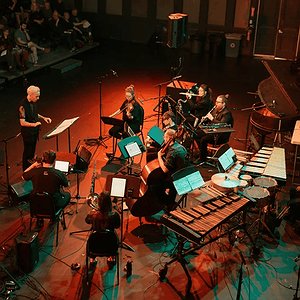
Leonard Bopp of BlackBox about Feldman, Brown and Graphical Scores
For Leonard Bopp, interpretation is a careful negotiation between boundaries and possibilities, between absolute truth and the music's genesis in a socio-historical space. This opennes is important - because it releases the freedom to enjoy the music just the way you hear it.
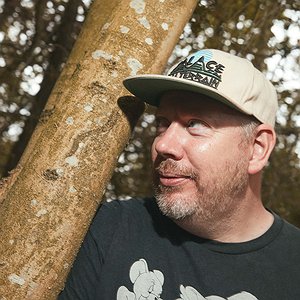
Mr Beatnick about the Magic of Sound(s)
"The fridges in the meat section of my local Sainsbury’s supermarket seem to drone in a really great sounding minor triad – I’ve been trying to figure out how to record them for ages."
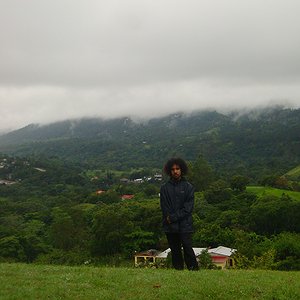
Boundary about Production, Technology, and Creativity
On PROXIMA CENTAURI, close in name to a Tangerine Dream classic but far more invitingly produced, Boundary is decoding messages from distant stars. Located in a sweet spot between 90s IDM and ambient house, it's warm and charming – a message of hope in dytopian times.
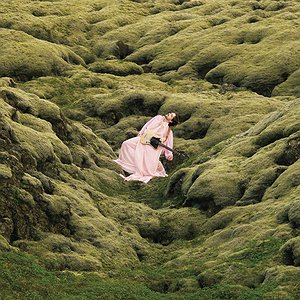
Francesco Rista about Interpretation
Artists can record the same work several times over their career. In the case of Steve Reich's Electric Counterpoint, guitarist Francesco Rista is already on his 3rd take. After exploring 2 opposing approaches, it marks a well-balanced fusion. Is he done now? "I’d love to record it again," he says.
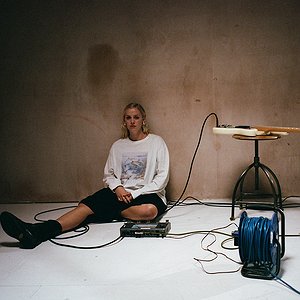
Saskia about her Voice and Singing
Saskia's debut EP has a unique quality sometimes referred to as 'the spook.' The feeling's in the glowing grooves, the spiralling harmonies and her voice that haunts these songs like a storytelling ghost. It's an emotional exorcism - and once the spell's been cast, you can't turn away from it.
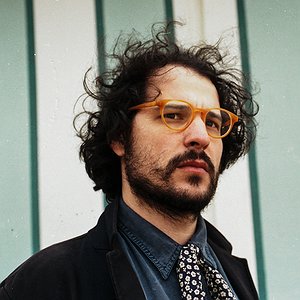
Giacomo Zanus Shares his Creative Process
Giacomo Zanus likes taking long walks in nature to question and change his perspectives. This expansive interview is like he's taking us with him, as he shares his perspective on life, modern listening habits and the spiritual state as well as the "multitude of beautiful worlds contained in it."

Fifteen Recommendations
Start your journey into our most recent interviews here - with music and videos. Updated almost daily.
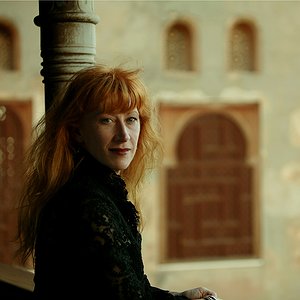
Loreena McKennitt Shares her Creative Process
Everything old is, at some point, new again. This was true when Loreena McKennitt first released The Mask and Mirror and its groundbreaking journeys in time, spirituality and the lands of the soul. It is equally true for its re-release which feels as urgent and contemporary as it did 30 years ago.
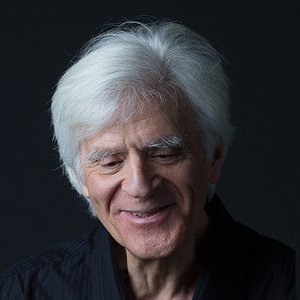
Greg Sandow about Directions in Contemporary Composition
As a critic, Greg Sandow has influenced generations of music fans. Now, he is releasing the first recordings of his work as a composer. But is he really switching sides? This music, like his writing, is a tribute to music itself, its unique power to affect us and enrich our lives.
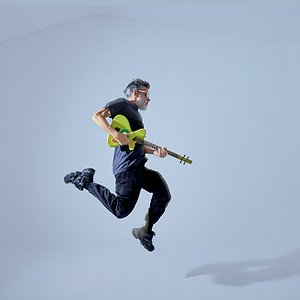
Fernando Catatau of Cidadão Instigado Shares his Creative Process
Emerging from experiments with a Roland MV-8800 workstation, Fernando Catatau's comeback album is both a return and a departure. Electronic sequences and cut-to-the-bone beats trigger razorsharp guitar solos and soulbearing vocals – as with any medicine, it won't help if it doesn't hurt.
Blair / Huber about Minimalism in Music
Despite classic releases by Rollins & Hall or Burrell & Turrentine, the guitar-saxophone jazz duo is still a relative rarity. Which means that Blair / Huber are tapping into a great lineage while exploring new ground – always in search of the clearest, rawest realisation of an idea.
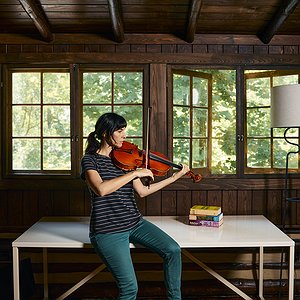
Jessica Pavone about Directions in Contemporary Composition
"One of the main reasons I became a “composer” was so that no one could tell me that what I was doing was wrong. If I invent it, it’s mine—it can’t be wrong."
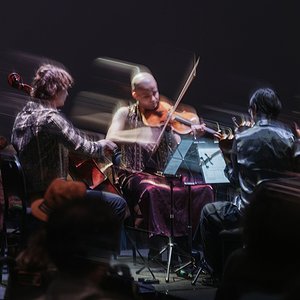
The Poiesis Quartet about Interpretation
The first four years of the Poiesis Quartet's career have been a roller coaster ride with very little time for looking back. Their sophomore album now offers a moment to catch up, featuring recent repertoire, personal favourites – as well as the gorgeous piece that brought them together.
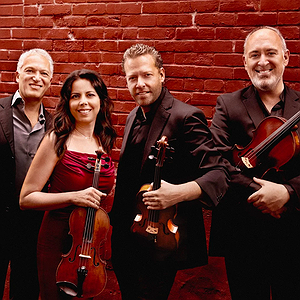
The Pacifica Quartet about Interpretation and Recording Elliott Carter's String Quartets
“All great music is contemporary and fresh. Bach and Beethoven always seem as if they are writing for us now.“
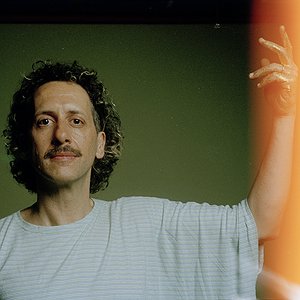
Caetano Malta Shares his Creative Process
There's a light that never goes out: In the sundrenched songs of "Eterna Juventude," Caetano Malta leads listeners to a state of mind where they can access their inner child and start living their life through it. Warm and luxuriously arranged, they feel like a warm embrace in cold times.
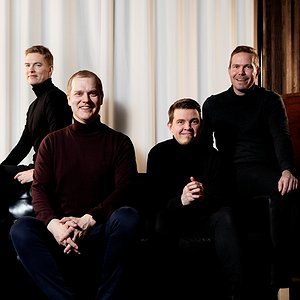
Martti Vesala about Directions in Jazz
If Finland were the 51st state, Martti Vesala would by now be a superstar. But maybe it's better this way. Between the crunch of amplified guitars, advanced grooves and the resonant warmth of the horns, his new release looks at jazzrock through the lense of his Helsinki homebase to great effect.
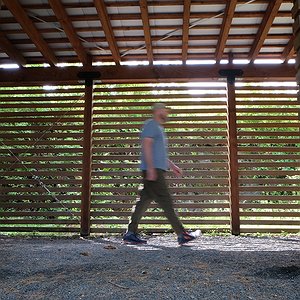
Koen Holtkamp Shares his Creative Process
After moving from small Brooklyn apartments to a house surrounded by nature, Koen Holtkamp was able to dive deeper into the creative process than ever before. The resulting album takes you there - finding an unuccopied spot between electro-acoustic dreams and spiritual jazz.

Ed Motta about his Voice and Singing
On the cover of his new album, Brazilian vocal grand master Ed Motta is posing as an elder gentleman, talking pieces included. The outfit is a symbol of the music's self-assured, styleful stance. The sound, however, is remorselessly funky, his voice filled with passion and life.

Kyungso Park about Directions in Contemporary Composition
"I am afraid that an age may come when human beings no longer understand human emotions. Just imagining that is frightening."
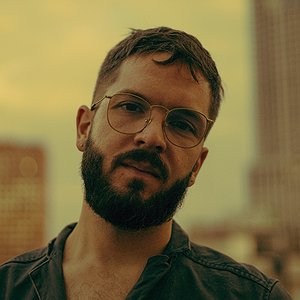
Jacob Wick about Directions in Jazz
In 2004, Jacob Wick saw Cecil Taylor and his band disappear into music in the most moving live performance he ever witnessed. Two decades later, his quartet may have achieved something similar. It is an immersive experience that is only possible, he stresses, by bodies sharing the same space.
CHLOÉ about Directions in Electronic Music
Are CHLOÉ's new pieces really "repeating the obvious?" Her upcoming album is an epic journey into the hallucinatory, rhythmically flickering chiaroscuro of classic Sheffield-era IDM. And yet, what feels familiar is merely an invitation - to venture further, deeper, fearlessly into the unknown.
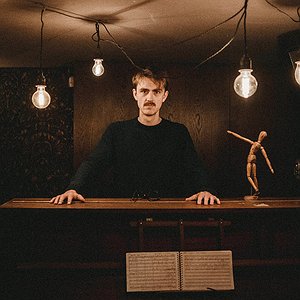
Billy Marrows about Improvisation
Most artist interviews deal with playing. But in this conversation with guitarist, composer and arranger Billy Marrows, the word that comes up most often is actually "listening" – to the music, to his band members, to the audience. It's also what lends his new live album that special spark.

Charlotte Greve about Directions in Contemporary Composition
The New-York composer treated her new collection of works like a playground. Weaving shimmering, constantly shifting melodic lines around stable tonal axes and repeated cells, the music takes on a sweet, sensual, drifting quality. And yet, the softer the sound, the more powerful its effect.
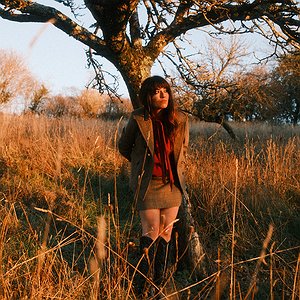
Gabriella Cilmi about Lyrics
Gabriella Cilmi had to learn her lessons and deal with the sting of signing young. Driven by a pure love for music as a space for connection, her new album is her first in 12 years - passionate and brutally vulnerable, it feels like she spent every second of them crafting it.
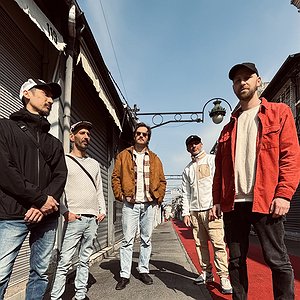
Thierry Lemaitre of Biomania about Improvisation
"The soloist is more like a provocateur, a leader of the moment. But the game, the joy and the power come from building this interplay with the whole band — and even with the audience."
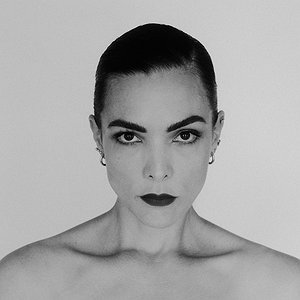
Caro about Lyrics
For her new project, the artist formerly known as Caro Emerald broke all chains holding her creativity down, stripped her approach to its core and bared her very soul. And yet, as personal as these pieces are, they always reach out for the bigger picture, the universal and eternal.
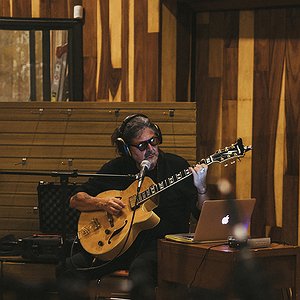
Humberto Polar of Patrones about Directions in Jazz
"I fight the need for validation from the Eurocentric ways of qualifying art, or the way US-western capitalism imposes a definition of what is good art in South- and Latin America. Everything I do in music comes from there, it’s political at the core."
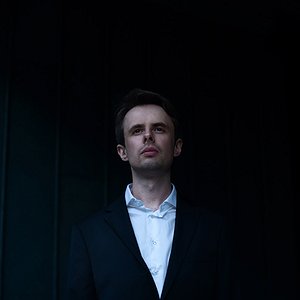
Sebastian Zawadzki about the Point Where Composition Begins
Underneath the surface of Sebastian Zawadzki's new piano trio LP lies a web of reflections about the psychology of sound and auditory perception. But you don't have to dive this deep. The music, balancing at the cusp between the void and emergence, always speaks (and remains silent) for itself.
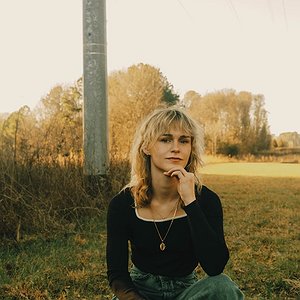
Annie Leeth about Lyrics
Determined to tell her story, Annie Leeth was afraid her music might make the world a darker place. Far from it: Filled with intricate vocals on top of industrial machinations and droning bass lines, her songs turn insecurities, doubt and confusion into something wondrous and uplifting.
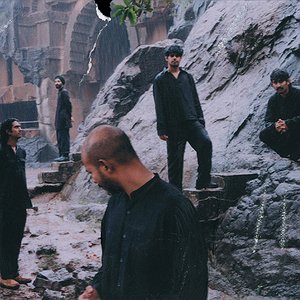
EXCISE DEPT about Exploring India's Memory and History Through Music
The New Delhi- and Mumbai-based collective moved away from Hip-Hop for their new album in favour of a free-flowing, improvisation-based experimental symphony composed of folk, drones, noise and soundscapes. The dark, yet rich tapestry is a canvas for personal and political reflections.
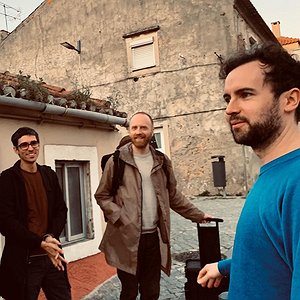
Blurry The Explorer about Improvisation
The guests on Blurry The Explorer's "Clear Blue Mind" far outnumber the band. For drummer Jeremy Gustin, the cornucopia of external voices mirrors his desire to play with musicians who have your back: "It's almost like closing your eyes and falling backwards … they always catch you."
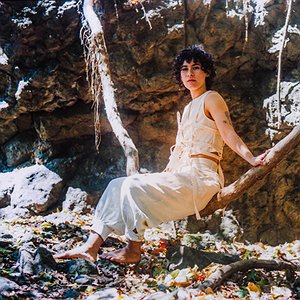
iiisa about the Magic of Sound(s)
In the work of Isabel Crespo Pardo, the lines between the inner and outer world, so carefully constructed by convention and the rational mind, dissolve. The field recordings woven into their vulnerale songs are not documents - but wormholes for emotional travels to galaxies of mystery and beauty.
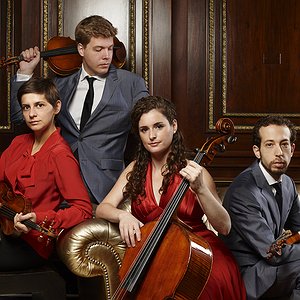
Ariel Quartet about Interpretation
For a decade, the Ariels have integrally performed Beethoven's string quartets many times, never loosing their wonder for arguably the pinnacle of the repertoire. Their recording of the cycle captures the magic and energy of their concerts – while getting even deeper into the all-important details.
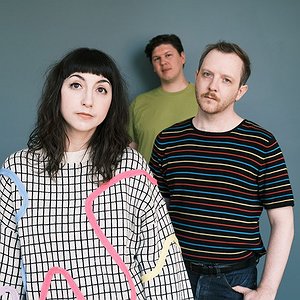
Plum Share their Creative Process
The Chicago trio's sophomore album was driven by spontaneity, surprise and chance. Curiously, the process did not lead them away, but straight to the core of their music. This is the fundamental paradox of life: We first have to loose ourselves to really find out who we are.
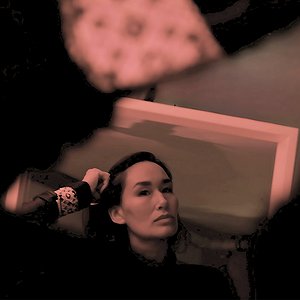
Nive Nielsen about Lyrics
"Music, film, paintings, books, everything we call art, is often seen as a luxury or something that is not “necessity” for our survival. I don’t know who or what convinced people of that. The arts are a basic necessity - right behind food and water."

Sarah Heneghan about Directions in Jazz
When it comes to jazz, Sarah Heneghan is what you might call a "lateral entrant,“ having found her way in via detours and adjacent styles. It's why her music, stretching from pastoral textures to minimalist pattern-bliss, defies purity in pursuit of connection, expression and the urge to create.
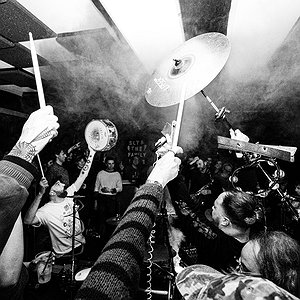
Sly & the Family Drone about Energy & Music
When this band is playing, all you hear is the sound of the musicians in the room. But what a sound it is: Somewhere between spiritual ecstasy and unfiltered stream-of-consciousness, Sly are like a force of nature – even with just two people in the audience or when the electricity's down.
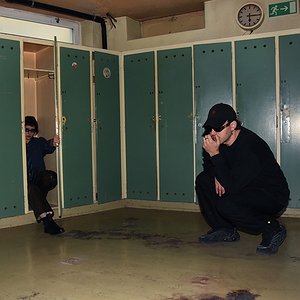
Violeta Garcia about Collaboration
"Almost fifteen years into working professionally, looking back, I still feel that collaborating is the most inspiring way for me to be an artist and a human being."
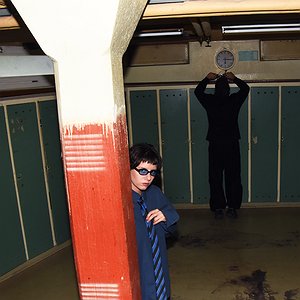
Hora Lunga Shares his Creative Process
"There is something in music that is more detached from the world, something I don't fully understand and that somehow goes beyond my own creativity."
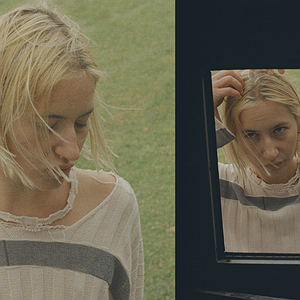
Taul Katz about Film Music
Pieces originally written for one project can find a new home in another, Taul Katz believes. Their score for the movie Barbara Forever proves his point: Its glistening drones and suspenseful sequencer runs work both as an emotional anchor for the images as well as an album in their own right.
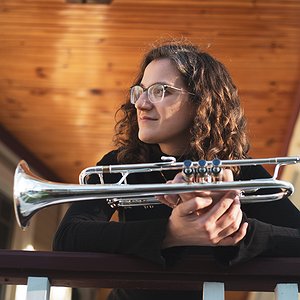
Emily Kuhn Shares her Creative Process
The composer's new work is a landscape painted in the shades of Winter. You can almost smell the freshness of the air, every trumpet line pristine, golden and resonant like the world at dusk. This delicate music is not descriptive of nature – it is its own environment, a place of refuge.
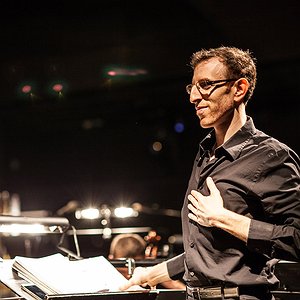
Alan Pierson about Interpretation and Steve Reich's Music for 18 Musicians
Many people love “Music for 18 Musicians.“ Few love it as much as Alan Pierson. Even in its reduced version – slimmed down from his initial vision of a 24-hour performance – the conductor's massive 3-hour Reich zone is still the most radical and immersive you'll ever hear this classic.
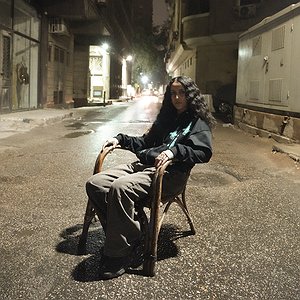
Intibint Shares her Creative Process
The Yemeni songwriter's debut album is a manifestation of four years spent immersing herself in music, life and a wide range of influences. This multifacetted approach has resulted in a sprawling work seamlessly integrating experimental techniques into straighforwardly emotional tracks.
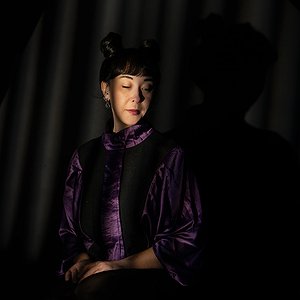
Robyn Jacob about Minimalism in Music
Robyn Jacob is creating a lower case take on minimalism. Her music, gently caressed by weightless patterns but given sharp relief by a striking colour palette, is an act of sharing an experience equally delicate and determined – a journey towards what she calls the "collective ungraspable.“
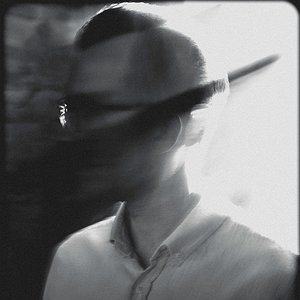
Matthew Nichols aka L'eveil Shares his Creative Process
In the beginning, there is just one man and his guitar. Then, that image, too, fades and all that is left is an endless plane at dusk. Matthew Nichols builds refined, minimal and inward-bound symphonies that all lead you back to one point: a reckoning of your life and the decisions you've made.
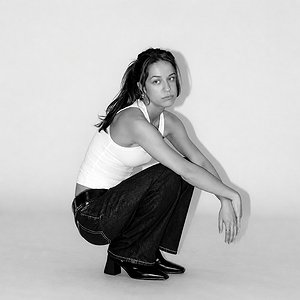
Hannah Sopacuwa about Lyrics
“When I write, I can exaggerate things, make them more beautiful, more dramatic or sometimes simply stranger than they are in real life.“
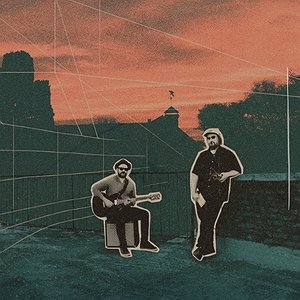
Dan Pocetti Shares his Creative Process
In an intimate duo setting, guitarist Dan Pocetti and keys player Noel Morroni left their jazz roots behind to travel to higher planes. Inspired by the imagination-shattering stretches of time's passing, their "drones 'n licks" is a gentle invitation to surrender to the infinite.
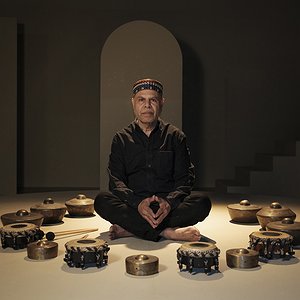
Ramesh Shotham about Drums and Drumming
For drummer Ramesh Shotham, his latest album "Weirdly in Time" was a family affair involving his brother, son and nieces. The intergenerational line-up resulted in a collection of pieces that flow effortlessly between the East and the West, a distant past and a red-hot burning present.
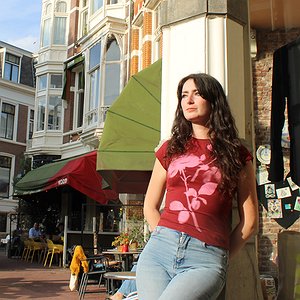
Rebecca Galian Castello about Directions in Contemporary Composition
There is a story to every piece Rebecca Galian Castello has ever written. But you don't have to know it to relate to her work. Music, here, is a space where life is transformed into sound, colour and gesture, where the breaking of something as simple as a pattern can create life-changing experience.

Bajune Tobeta on Anechoic, Satie and Sakamoto
There is no world without time and sound. As Bajune Tobeta shows on his new EP, however, we can use music as a vessel for navigating its outer limits. His mesmerising electro-acoustic compositions are born from years of practical research, forever converging on a beguiling singularity.
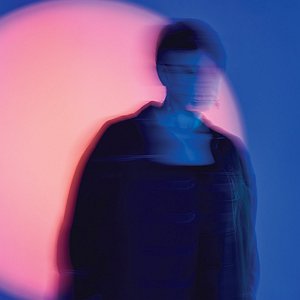
Alyssa Weinberg about Sonic Contours and Composing Music like Light
Alyssa Weinberg's “Pieces of Light” were born from a paradox: Music is an inherently immaterial art, so how can it suggest colour and form, texture and gesture, weight and density? Her approach wasn't scientific – but more like a meditation guided by emotion and curiosity.
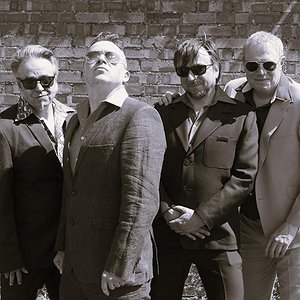
The Samurai Seven about Energy in Music
In bands which have been together for a very long time, energy can dissipate. Instead, The Samurai Seven split up and let it build up inside the pressure cooker of time for two decades. The result are songs powerful enough to break through the third wall and build a bridge from art to life.
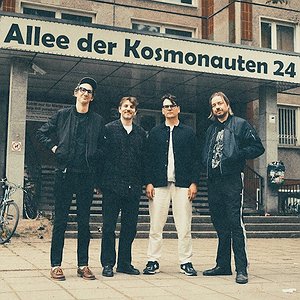
R.O.S.A. about Dark Places in Music
For the Berlin band, writing songs is never just about the music. It's a mentality of dealing with the world. Their songs, blending shoegaze atmospherics with hardcore brutality, convey a simple message: If you can't escape from what you fear the most, you might as well fight it.
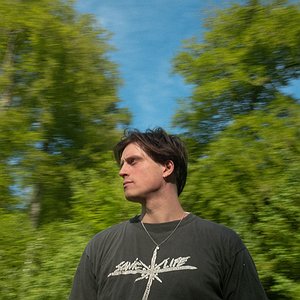
Jennifur about Directions in Electronic Music
Titled after a playlist he'd enjoy as a boy on long car rides, Jennifur's new album deals with liminal states, preferring departures over destinations. His poignant three-minute songs pay homage to intimate indie rock and the dancefloor, hitting a spot of blissful melancholy.
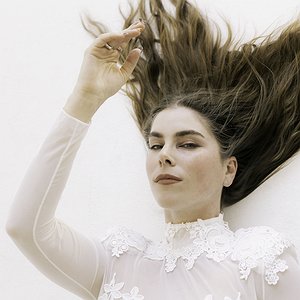
Ziemba Shares her Creative Process
“To me, art is the difference between surviving and thriving as a species.”
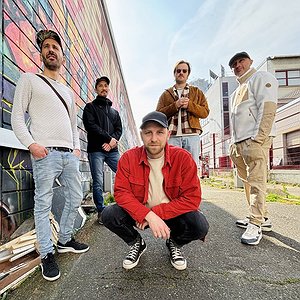
Arthur Links of Biomania about Improvisation
The formidable French quintet's debut may have been called “System D”. But in reality, their music has always followed “Priority I.” Improvisation binds their individual voices into a tight unit, as the passing of ideas between its members infuses their sensual grooves with spontaneity and surprise.

BIRDVOX Share their Creative Process
“One of the exciting things was having the freedom to think about visual and aesthetic elements early on. We had a photoshoot wearing Irregular Sleep Pattern pyjamas before we’d even written any music together! Now we wear them onstage.”
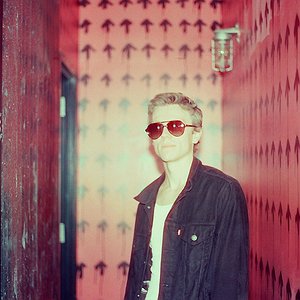
DJ Alone Again about Minimalism in Music
The press release claims that DJ Alone Again's new EP is an “instant classic.” That's not how history works, but we'll take the point. Embedded into a cinematic, audiophile DIY production, dreamy vibes and surreal chords drift on top of liquid grooves that sweetly suppress all sense of time.
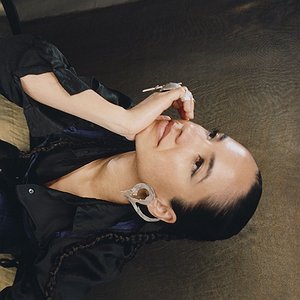
Vanessa Bedoret about Directions in Contemporary Composition
As French composer Vanessa Bedoret shows, electronic music is not a break in history, but a seamless continuation of the classical tradition. Merging romantic intimacy, crackling clicks & cuts, minimalism and distorted song structures, her work bridges aeons and spans the ages.
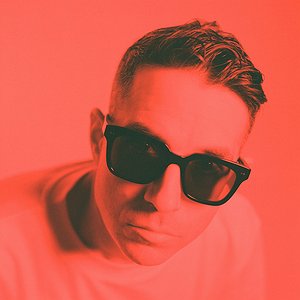
Mark Guiliana about Drumming and BEAT MUSIC 2.0
On his second serving of BEAT MUSIC, Mark Guiliana's performance is akin to a drumming sword master, as he chops the rhythms up, dicing and slicing them, poking black holes in their marrow to access parallel galaxies of groove. It's like Kraftwerk in 4D, an explosion of energy and neon-lit melodies.
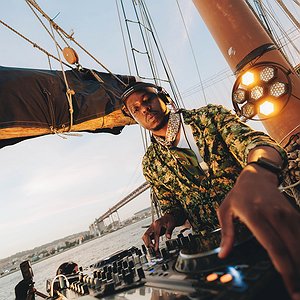
40D about Production and the Mozambique electronic scene
The term “afrohouse” can not contain the multitude of influences apparent in Mozambican producer 40D's tracks. Warm yet mysterious, composed but driven by an irresistible pulse, they draw from local styles like Marrabenta and Pandza as much as Chicago house and soul.
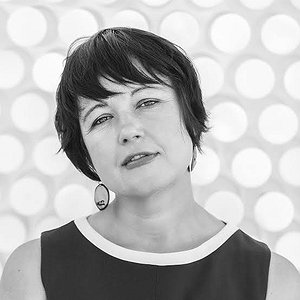
Alla Zagaykevych about Directions in Contemporary Composition
During this interview, sirens are alarming Alla Zagaykevych to the danger of drones attacking Kyiv. How could her music, in a situation like this, not be “about Ukraine?” And yet, it is never simply a return to the country's folk roots – but the foundation for explorations into the unknown.
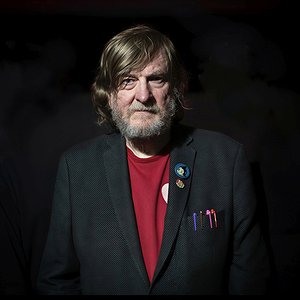
Duglas T Stewart about the Magic of Sound(s)
“When you have digital technology that can offer you instant solutions to almost any creative or technical hurdle, genuine human individual creativity goes out the window. I still like making music to be like playtime.“

Salomea about Directions in Jazz
It is not so much the lyrics that lend the German-American singer's pieces their undeniable relevance. It is the way the music expresses, without doubt, a belief in the revolutionary potential of the arts. These are songs between beauty and pain, anthems of resistance and triumph.
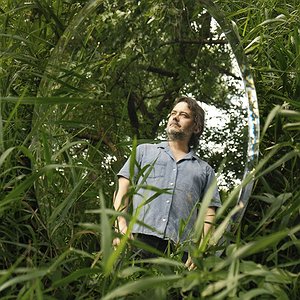
Jeremy Cunningham Shares his Creative Process
“Passing Fires” follows in the wake of a painful period in Jeremy Cunningham's life. Based on personal experiences and dreams, however, it also features moments of stunning, disarming beauty. Realised through connection and friendship, this is what turning the inside out actually sounds like.
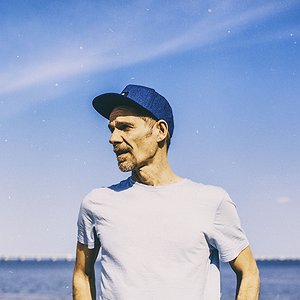
Extremes in Music: DJ Honesty about Bass
DJ Honesty's new EP is called “Unknown Pleasures,” but the producer and DJ knows exactly what brings him the greatest joy: Unusual, alien sounds that exert a magically tingling sensation in brain and body. The low end, however, is particularly potent: “Give me a bassline and I am happy.”
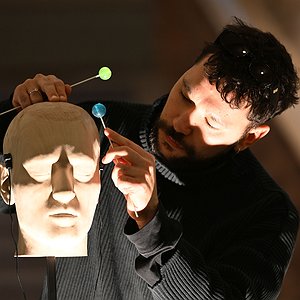
Yanik Soland on All Things Modular
“I’m interested in setups that don’t sound the way they look—a certain shift in perspective.”
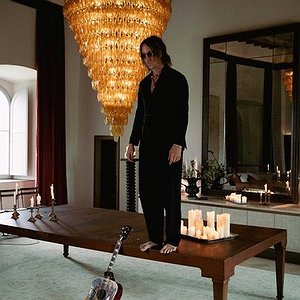
Joseph Arthur about Lyrics
The words to Joseph Arthur's "Honey and the Moon," dealing with trust, timing and answering machines, didn't just feel like he was singing about my life – in a way, he was. Arthur calls this “shadow work on the page”: As intimate as may get, you're never just singing about yourself.
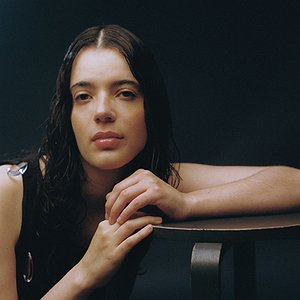
Sofi Paez about Directions in Contemporary Composition
Sofie Paez's “Bodies of Water” was inspired by”The Old Man and the Sea,” melodies moving and curling like waves, searching for fluidity. But the water references are metaphors for something deeper: Our connection to the ocean inside of us, a state of surrender to and through sound.
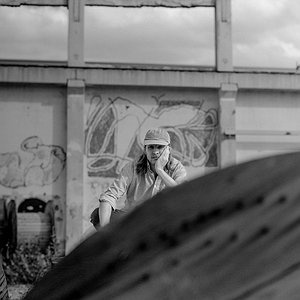
Daniel Bierdümpfl about Improvisation
Daniel Bierdümpfl has many ways of thinking about improvisation: As the paradox of “productive destruction.” As a process of repetition to unveil something new. As an automated search for automatisms in order to break them. Ultimately, however, thinking alone won't save us – only playing will.
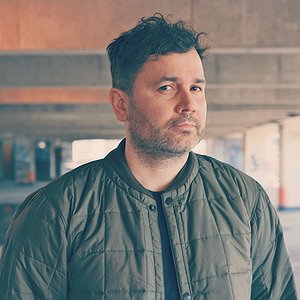
Courant Zéro about the Magic of Sound(s)
Somehow, you can hear Maxime Corbeil-Perron's background as a drummer in the dense and mostly beatless dreamscapes of his Courant Zéro project. Spaces of cathedral splendour open up, illuminated by sacral sounds moving slowly but insistently, caught in neverending hallucinatory drift.
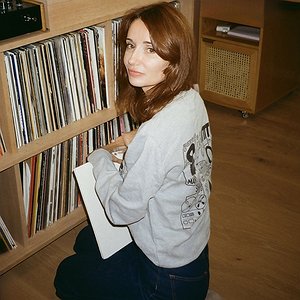
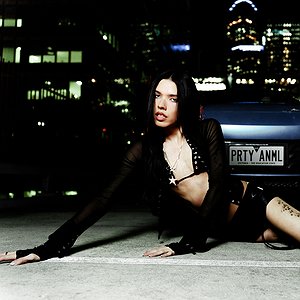
Robert Baxter about Fashion & Music
Pop, for Robert Baxter, means being loud and vulnerable, confident and intimate, flexible and precise, extrovert and philosophical. It is a perfectly centred world of polarities. This world is always visual. In it, there is no such thing, as “just music.”

Lil Cherry about Directions in Hip Hop
For Lil Cherry, hip-hop will always be a way of life, because “without living life to the fullest, there is no story worth telling.” In tandem with her congenial creative partner GOLDBUUDA, her lyrical prowess gets embedded into distorted drum machine deliria and gloriously glossy melodies.
Thomas Farmer of Empirical Shares his Creative Process
Through the lockdown and many iterations, the new Empirical album grew from a core of concentrated cells into an epic, orchestrated suite. The artwork's lava stream captures the unstoppable force of the music and its smouldering tension: Cool to the touch, but fiercely passionate inside.
Steve Bates about Resistance on the Battlefield against Individual Creativity
“I think there are dangerous forces around us that attack creativity on a daily basis in the form of algorithmic governance.“

GOLDBUUDA about Directions in Hip Hop
“Genre is going to matter less and worlds are going to matter more. An artist won’t just be releasing songs. Music, visuals, fashion, characters, games, communities, live experiences — they're starting to become one language.”
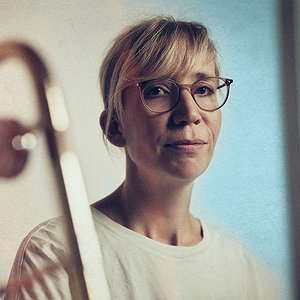
Lisa Stick about Directions in Jazz
The quartet Lisa Stick assembled for a performance at Cologne's Loft club manages to pack a considerable inspirational punch with remarkable elegance of tone. It's music between mood and sculpture: You can all but see the airstreams from the reeds, physically sense the groove.
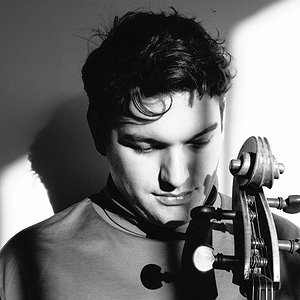
Gabriel Cabezas about Interpretation
One of Gabriel Cabezas' most fascinating teaching exercises for his students is to play pieces “incorrectly” with utmost commitment. Strong decisions are at the core of all his interpretations, rendering none definitive and no perspective invalid.

Janis Siegel (Manhattan Transfer) about her Voice and Singing
“I’ve changed words and I’ve even stopped singing certain songs that just don’t jive with where I’m at at the present moment.”
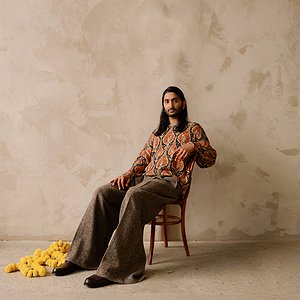
Agneya about Drums, Percussion and Drumming
“Eventually I stopped asking, 'How do I become a great drummer?' and started asking, 'What can I actually contribute through music?'”
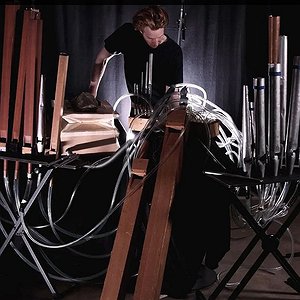
Calum Builder about Directions in Contemporary Composition
Calum Builder's (Re)constructed Pipe Organ, a futuristic instrument built from decomissioned pipes, looks like it was lifted straight from David Cronenberg's dream diary. The music the composer creates with it is of a hallucinatory otherness, a transmutation of breath and space into spirit.
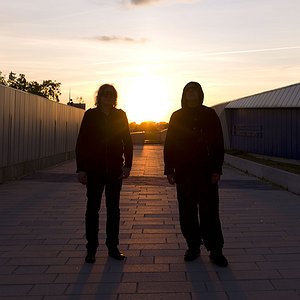
Light Conductor about Kraut & Krautrock
On the quarter of an hour long “Supercontinent”, Light Conductor ignite a cosmic maelstrom of pounding kicks, apocalyptic sweeps and scintillating pads. Incomparable and brutally repetitive, massive and utterly overwhelming, this is the sound of galaxies collapsing.
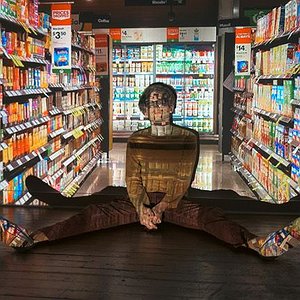
Applied Communications about Lyrics
Applied Communications “comeback” LP may be even weirder than 2005's “Uhhh Sort Of” which Pitchfork called a “mess of an album.” It seems like the times have caught up with him because these twisting and turning synth pop tunes feel strangely relatable and irrestibly catchy. A 7.9 at least.

Stephanie Borgani about Reinventing the Role of the Female Vocalist in Jazz
Some claim that music begins where words end. For Stephanie Borgani, this thought defines her approach to singing. Treating her voice as an instrument and blending into the sound of a chamberjazz ensemble, her motivations may be political, but the music is simply and uniquely captivating.
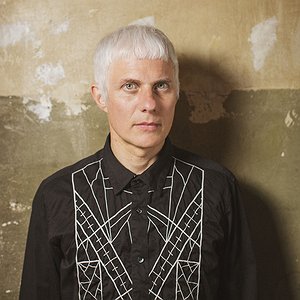
Felix Kubin & Asmus Tietchens about the Magic of Sound(s)
Felix Kubin had composed a pool of short radio IDs, compressing entire acoustic worlds in the span of seconds. Collaborating with Asmus Tietchens, the duo reworked these IDs, extending them into imagined acoustic space – this is the sound beyond all transmissions.
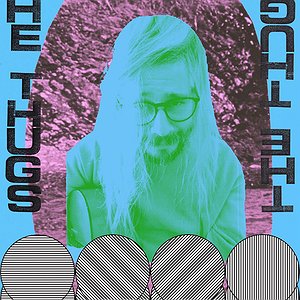
The Thugs about Minimalism in Music
"In general, and not just in music, I believe the act of "removing" is always an excellent spiritual exercise."
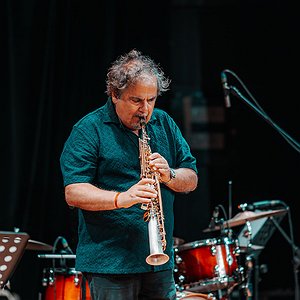
Enzo Favata Shares his Creative Process
On his new album, Enzo Favata develops a fascinating thought: Life isn't pushing forwards, it is returning. The pieces are expressions of people, scenery, and space, sensually dancing on the tightrope of time. Every sound has its place here, embedded into a landscape of intimate relationships.

PRNCPTL about Afterglow and Queer Nightlife Culture
PRNCPTL was born from curiosity: Curiosity to explore sexuality and music, desires and different ways of being. For thirteen years, the Berlin party series, hosted at various venues across the city, has become a beacon of freedom - “with relationships that keep growing across borders.”

Mind Bath about Lyrics
“I like to do everything slowly, with patience, outside of time. Money game wants us to optimize and seek convenience. Healing wants us to savour.”
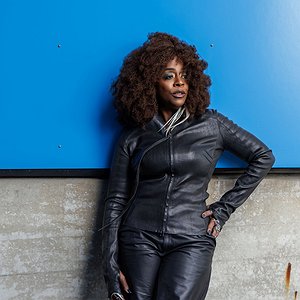
Sandra St. Victor Shares her Creative Process
What good is a big voice if you're not going to say something meaningful? Musically, Sandra St. Victor's “Eleven” is an epic gumbo of boogie, electronica, soul and funk. Thematically, it captures her take on injustice, relationships, empowerment – and anything that pisses her off.

Ok Cowgirl Share their Creative Process
Ok Cowgirl's Leah Lavigne has become a great songwriter mostly by living life. The songs on “Rhinestone Cowgirl” cover both the private and panoramic, ranging from doubt to domestic pleasures. Tangy, fuzz-drenched and triumphant, this is the sound of a heart beating for music.
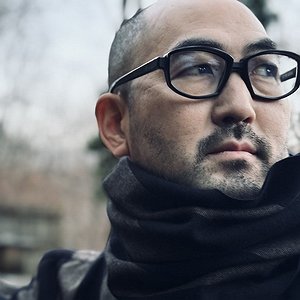
Kaoru Watanabe Shares his Creative Process
As Kaoru Watanabe proves on “The Arch,” we can't understand the past by just travelling backwards - we have to bring it into the present. The work is a personal meditation on his relationship with his heritage, traditional instruments entering a dialogue with atmospheric synths.
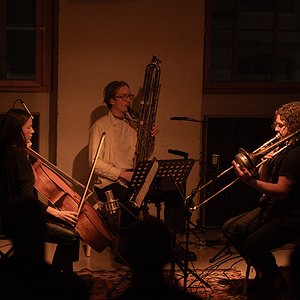
John McCowen about Directions in Contemporary Composition
After inspired improvisations in a trio constellation, clarinetist-composer John McCowen wanted to sustain the momentum. And so, he “spectrally pulled apart” and re-arranged solo material into a 34-minute sound field, harmonies appearing and vanishing in mysterious cycles of ebb and tide.
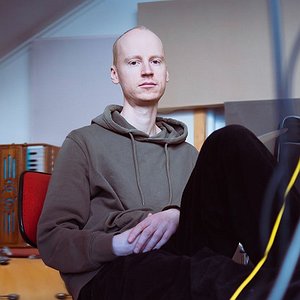
Hans P. Kjorstad about the Magic of Sound(s)
Our response to sound is a lot like picking blueberries, Hans P. Kjorstad feels. The image fits the composer's new release, which offers his personal take on Norwegian folk. Conjuring quiet magic and probing the spaces between tones, Kjorstad keeps taking a different route through the forest.

LOX about Drums and Drumming
Many drummers will claim that their instrument means everything to them. LOX, however, means it literally, having grown up with percussion all around him and grooves a primary means of communication. His drums beat the rhythm of life, from birth to death, in times of pain and healing.
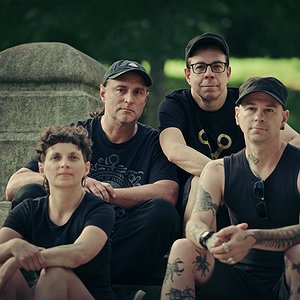
PHAL:ANGST about Dark Places
For 20 years, the Austrian ensemble has looked darkness in the eye and countered its doom with sweltering, ferociously crawling industrial anthems. If the result is equally ugly and beguiling, then that's for a reason: It is only after you've confirmed your worst fears that change can take place.

Robin Taylor-Firth & Steve Cobby Share their Creative Process
The premise for the duo's “Seven Dogs EP” was simple: Creating electronic music that feels as spontaneous as a jazz combo. While assembling the hypnotically off-kilter beats and seductive piano lines, concepts were notably absent as the brain's right hemisphere took control.
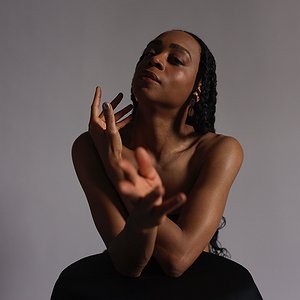
Ayanna Witter-Johnson about Lyrics
“Sometimes I write a lyric and realise that I've said too much.”
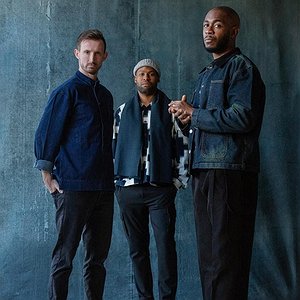
Shane Forbes of Empirical about Drums and Drumming
It would be fascinating to hear the isolated drum track of London-based ensemble Empirical's new album. From his kit, Shane Forbes contributes anything from propulsion to colour, from pressure to softness - participating in every conversation, yet “falling freely” while doing it.
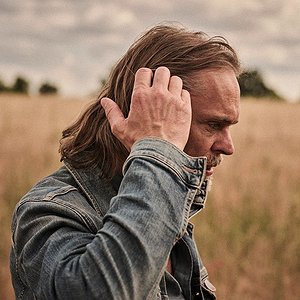
Pohlmann about Lyrics
It can be funny to depict German as a harsh, staccato-driven language. But it is far more rewarding to listen to a master wordsmith like Ingo Pohlmann draw out its soft poetry - making us realise how miraculous seemingly everyday occurrences really are.
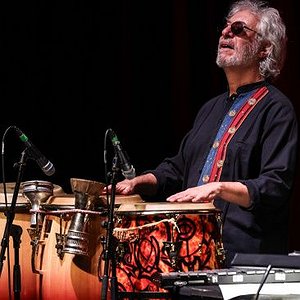
Adam Rudolph (Don Cherry, Andre 3000, Jon Hassel, Pharaoh Sanders) Shares his Creative Process
If you close your eyes, you can see the “invisible threads” that Adam Rudolph is connecting in his pastel-coloured suite. If you open your ears, you can even touch them. Delicate ney licks, enigmatic electronics, and Rudolph's always present pulse weave a world filled with life, loss and love.
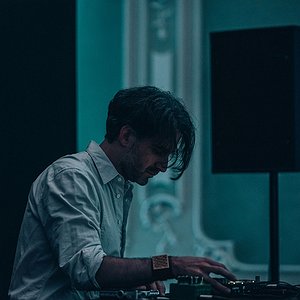
Giulio Aldinucci about the Magic of Sound
“When we ignore noise, it disturbs us,” Cage asserted, “when we listen to it, we find it fascinating.” But what if we probe and drill into it like Giulio Aldinucci? Searching for structures in complexity, revealing beauty where others see brutality, his work sets free music encased by the ages.
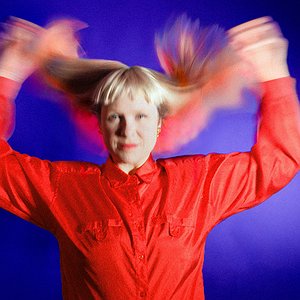
Eilis Frawley about Kraut & Krautrock
Eilis Frawley never set out to record a kraut album. And, despite obvious overlaps, she hasn't. Driven by trance-inducing drum patterns and coolly delivered vocals, her music may lead listeners into similar states of mesmerising weirdness – but these worlds are all hers.
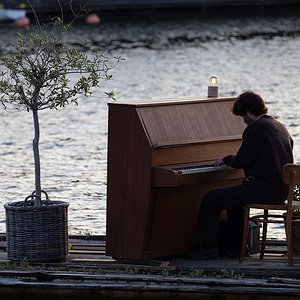
9ICK & Mauricesax about Directions in Jazz
“I hope jazz becomes harder and harder to define. The second you can draw a clean border around a genre, people start protecting the border instead of pushing the music forward.”
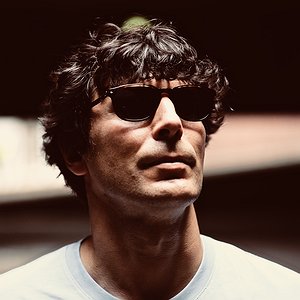
Ray Mang about Production, Technology, and Creativity
Ray Mang is one of the few remaining producers who still sees remixing as an integral part of his profession. His treatment of the original is never a distortion, but an effort of pushing the music into adjacent territory – as on his recent dancefloor re-imagining for Kraak & Smaak.
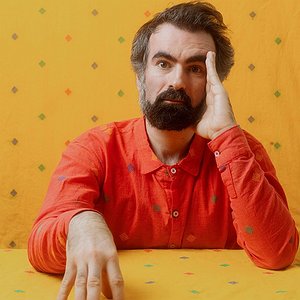
Adam Schatz about Improvisation
The sessions for “Civil Engineering” were just a test. They weren't even supposed to turn into an album. And then things just fell into place. Recorded in an intimate trio constellation but making using transformative electronics to great effect, these pieces open a space of infinite possibilities.
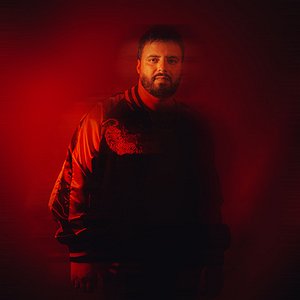
Guri Assis Brasil aka Animal Invisível Shares his Creative Process
If your headphones could pick which music to play, they'd choose “Animal Invisível.” The brainchild of composer-guitarist Guri Assis, his demo-disc-level debut weaves a utopian cocoon from 70s spiritual soul, sweet funk and electronica that makes you believe in human goodness again.
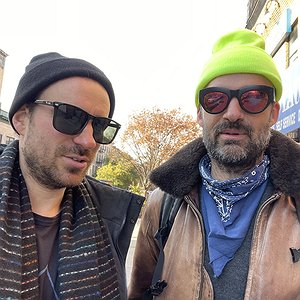
Nathaniel Morgan about Energy in Music
“I'm drawn to any of the extremes. Anything that pushes to the extreme.”
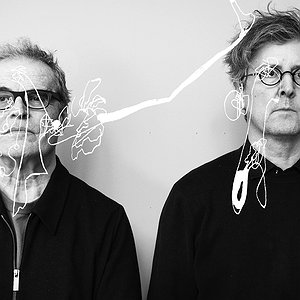
Bo Wiget and Luigi Archetti Share their Creative Process
The cover of the duo's latest endeavour shows nothing but a framed, white canvas. Each piece is a “pencil” - an inspirational tool for the mind to fill the void. It is a great concept for these charming, constantly surprising interactions which, ironically, are in need of no concept whatsoever.

Lee Emi about Lyrics
Drawn in by themes of self-destruction and using songwriting as therapy, Lee Emi feels strongly about the power of poetry. And yet, for her, a melody can express things the lyrics can't: “I love that music can create a whole environment for your feelings to live in without saying a single word.”

I Want Poetry about Directions in Electronic Music
Right from the start, the Dresden duo wanted freedom and real danger instead of comfort and convenience. On their third full-length, they take the liberty of replacing dystopia with hope. Their songs are encoded messages, wrapping deep thoughts into glorious, shimmering arrangements.
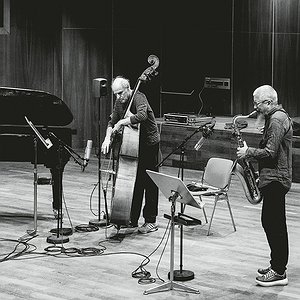
Andy Sheppard about Improvisation
For “Salt Catchers,” Andy Sheppard assembled a drumless trio, awarding harmony and melody more space. Inspired by photography and a particular sense of longing, the music breathes an air of magical realism in dimly lit, breathtakingly still color fields.
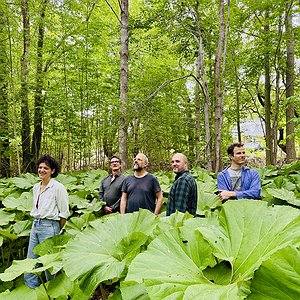
Nicola Miller about Directions in Jazz
Using spectral analysis, Canadian saxophonist Nicola Miller converted speech into pitches and harmonies; using a stochastic processes, she created a new musical language. The results are an emotional laboratory and part of a sonic quest for the unheard. This is what jazz means to her.

Chad Lawson about Emotions in Music
Chad Lawson is writing music in the key of compassion. Leading listeners into a place of great calm, his pieces open up spaces to breathe or let go, to focus intently or to surrender. Some say music begins where words end – with him, it starts before they are even released into the world.

Nils Vigeland about Feldman, Brown and Graphic Scores
New York festival Graphic Content will pay homage to composers Morton Feldman and Earl Brown. Pianist-composer Nils Vigeland studied with Feldman and recorded landmark albums of Brown's work – here, he reflects on their graphic scores and ongoing relevance.

Nikolaus Dolp about Energy & Music
Energy is life. That's why, drummer-composer Niki Dolp points out, too much of it can sometimes be a burden. In his work as a leader, channelling and shaping are a priority, leading to majestic music of spiritual dimensions that ebbs and flows, always keeping the energy contained.
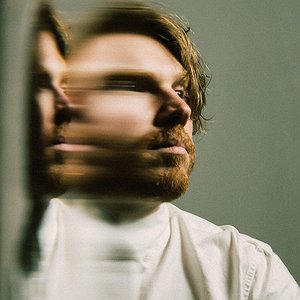
Simon Goff about the Connections between Music and Space
Simon Goff is fond of the word “experience.” It motivates him to write music with the archaic power to transcend the acoustic realm: Scored for string ensemble, synths and 4 unique sonic spaces, his latest work is one of the most awe-inspiring experiences you will have this year.
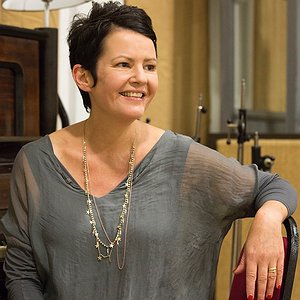
Sally Herbert Shares her Creative Process
On Sally Herbert's first album as a leader, every song feels like an anthem for a dystopian movie's end credits. Making full use of her experience as an arranger, these pieces bathe in shimmering orchestral textures, crushing guitars and ominous states of glorious darkness.
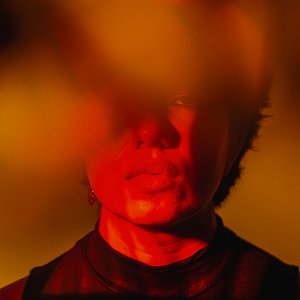
Noni-Mouse about Production, Technology, and Creativity
Radhapriya Gupta moved from Mumbai to London and instantly incorporated more local influences like Burial's distinct beat-building style into her productions. Having grown up on singing neo-minimalist music in a choir, she has never come closer to realising her personal vision.
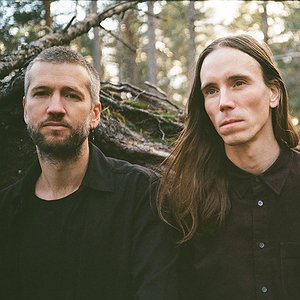
Mats Erlandsson & Gus Loxbo about Improvisation
This conversation with two artists from Stockholm's rich experimental music scene is a deep and personal exploration of improvisation. Recorded in 2 days and then refined for months, their LP, meanwhile, demonstrates how little words mean compared to the time-arresting quality of their music.
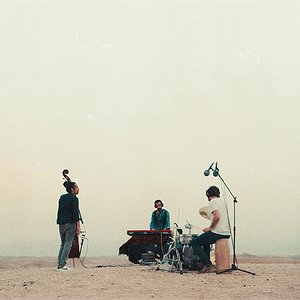
EYM Trio about Recording Jazz Across the Globe
Five years on the road, 11 locations across the planet, a continually changing cast of collaborators, constantly changing challenges – even the EYM Trio are honest enough to call their “Nomad Sessions” a “slightly crazy idea.” And yet, the journey is what makes these cuts sound so fresh.
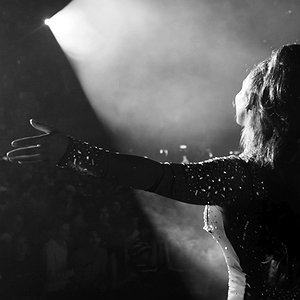
Zoe Kypri about her Voice and Singing
The singer has worked with house maestro Black Coffee, rising producer 40D and orchestras, emerging as an in-demand interpretor of deep, soulful tunes. Clearly, she has a “big” voice. That's not what ultimately counts, however, she feels. The real challenge is to tell a story and trust the journey.

Samy Bishai Shares his Creative Process
“Writing is very much like riding a bicycle: you never completely forget how to do it. But equally, those hills are nearly impossible if you’ve been off the bike for months!”
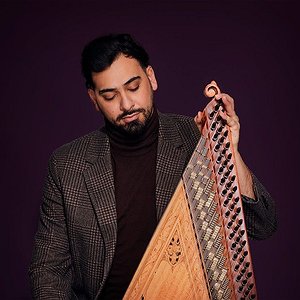
Firas Zreik about Maqam and Jazz
“I don’t ever claim to be a jazz musician and I have tremendous respect to those who do. I consider myself a good friend of the tradition and an everlasting patron.”
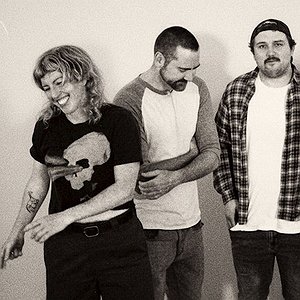
Cor de Lux: The Band Interview
“Sometimes outside the comfort zone is the comfort zone,” according to Cor de Lux's Dawn Moraga. The quartet have found a way of making that paradox work: Intensity and intimacy are intricately interlocked in their anthems of anger and empathy.
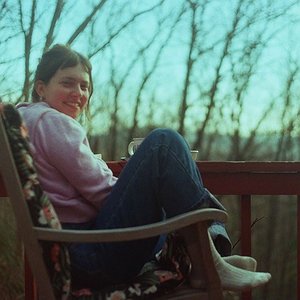
Izzy Oram Brown about Lyrics
It can be surprisingly hard to pinpoint what, exactly, we want out of life. On her sophomore full-length, Izzy Oram Brown approaches the topic by embracing questions as answers, and memories as lessons for the future. Her lyrics are confidently vulnerable - and the music so beautiful it hurts.
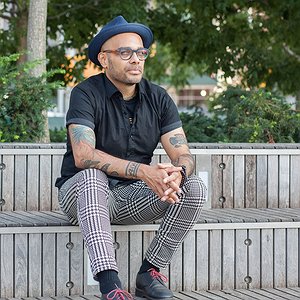
Sunken Cages about Directions in Electronic Music
Rhythm is a global vector. That's why Ravish Momin's music as Sunken Cages is world music in the true meaning of the word: Rooted in fierce beats, beyond-the-pocket grooves and spiritual resonance, these atmospheric drum studies are physically impossible to resist.
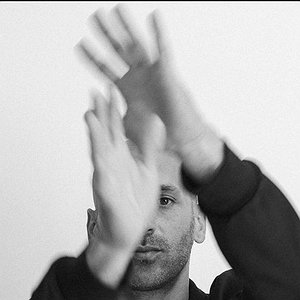
Oo KiDo about the Mysteries of the Senses and the Connections between Image, Colour and Sound
Sensual, resonant and gorgeously layered, the French producer's electronica is powerful in its own right. The accompanying, intricately related videos, however, lead you even deeper: Filled with rich colours, emotive streams and mesmerising movements, they are phrase and fantasy all at once.
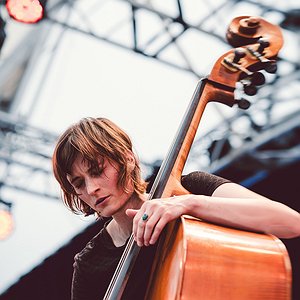
Helene Glüxam Shares her Creative Process
Performed using just her double bass, voice and a few effects, Helene Glüxam's “Nachtvogel” is an exercise in austerity. Despite the album's imagery of “night,” “winter,” and “moon,” these pieces do not refer to darkness, but a state when the clock stops ticking and the racing mind comes to rest.

Ted Rosenthal about Directions in Jazz
For Ted Rosenthal, the “good old years” are always right now. Building on a foundation of what he calls “the 3 B's” - Bud Powell, Bill Evans and Beethoven – his music is rooted in a tradition of “individuality and innovation.“ There are no borders here – only “high standards.”
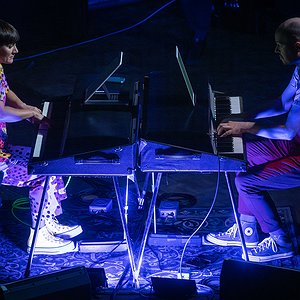
Tönky Hönk about Interpretation
“We can go into any performance fully convinced by our rehearsal process and the thought we’ve put into an interpretation. But listeners may pull out wildly different experiences than we’d imagined."
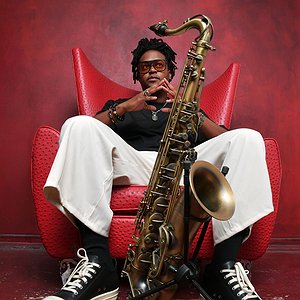
Linda Sikhakhane about Directions in Jazz
Linda Sikhakhane will not be silenced. With each new album, the South African saxophonist has edged closer to global recognition on the strength of creative determination and an intense flow. There is something magical about his work - a transfer of urban coolness into the domain of spirituality.
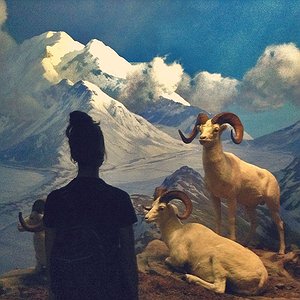
Barbara Ellison about Listening as Composition and Confusing the Prediction-Machine
The Irish sound artist and composer thinks of the pieces on her new album as “sonic phantoms”, creations that behave with a logic of their own, escaping the grasp of our pre-conditioned mind. Instantly captivating and hauntingly elusive, they remind us of the mysterious nature of reality.
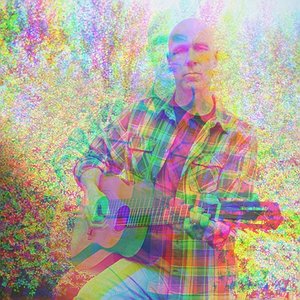
Josh Ottum Shares his Creative Process
As part of an ambitious plan, Josh Ottum will publish a new album every full moon. It is a challenge as much as it is a compulsion and a way of life: All of the pieces are connected, all of the albums linked. The project will change him as a person, he says. If you join him, it may change you, too.
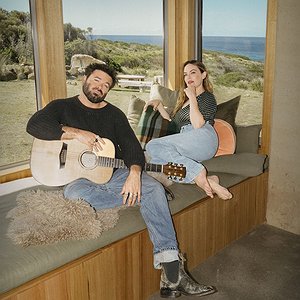
Angus & Julia Stone about Lyrics
Sometimes we cry because we're happy. Sometimes we dance because we're sad. These are the liminal states that the songs of Julia and Angus Stone take place in. Filled with quiet voices and delicate sounds, their “Karaoke Bar” is a place for sharing without shame.
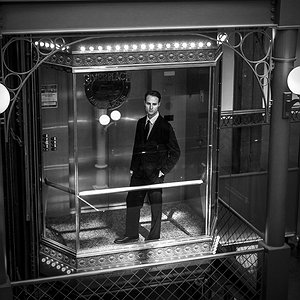
Max Devereaux and Alec Watson about their Collaboration
“I had the feeling when we met that we were either going to make something really brutal or really pretty, and I wanted to figure out which one it was going to be.”
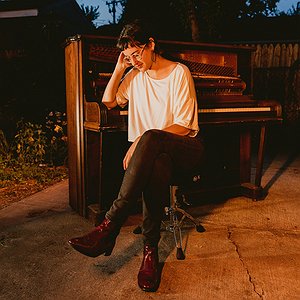
Sophia Vastek about Directions in Contemporary Composition
Trust, community and friendship are at the core of Sophia Vastek's work; forces that take on elemental qualities in her hands. Her latest compositions lead the listener into a private place – filled with nostalgia, ghostly whispers and a promise of something very big about to happen.
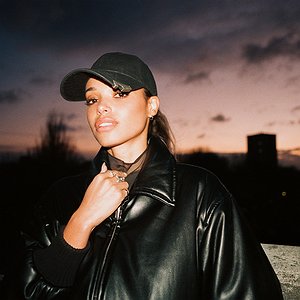
Linska about Production, Technology, and Creativity
For Linska, art is the one space that promises complete freedom and does not require compromise. The sonic force of her peaktime techno productions is already political in its own right. Combined with her lyrics, they turn into veritable calls for action: to “f*ck the system” and live your own life.
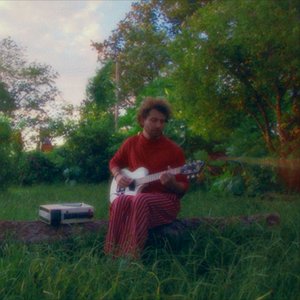
Late Again about the Magic of Sound(s)
Lyrically, Rafael Melo goes deep on his upcoming EP, exploring the distance “between the life you imagine and the one you're living”. Musically, meanwhile, his songs feel like a sunny version of shoegaze, floating on gentle grooves and providing a cool breeze in the heart of Summer.
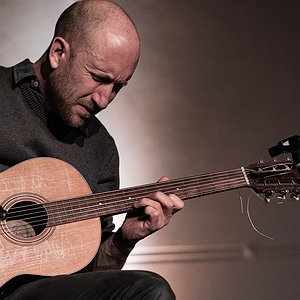
Julius Schwing about Improvisation
Whatever experimental improv we listen to, what we hear is mostly noise. When we can't lock into it, it disturbs us. When it's Julius Schwing at the guitar we find it fascinating. Focusing on pulse, color and coordination, his pickings create hypnotic patterns that can neither be denied nor ignored.
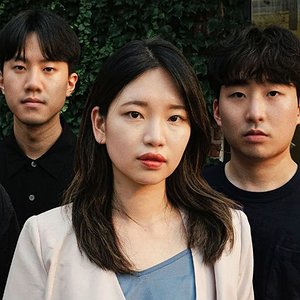
Jisu Jung of Baroque in Blue about Directions in Jazz
“Jazz is a genre that encourages us to be ourselves.“
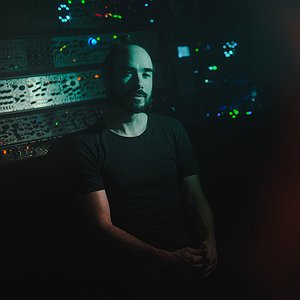
Anthony Baldino on All Things Modular
It feels wrong to only talk to Anthony Baldino about modulars. His upcoming album is a heartbreaking processing of pain and loss, a journey to a place of no return. And yet, the tools were decisive: These emotional states come to life only on this canvas and only through precisely these colours.

Late Bush about Baroque Electronica and Imaginative Projection
Historically informed performance wants classical pieces played the way they were in their own time. For Late Bush, meanwhile, any interpretation is part of a “speculative tradition.” His work “Hoarses” creates a hyper-real space filled with echoes of baroque ensemble play and haunting voices.
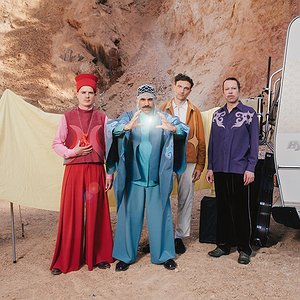
Keshavara about the Magic of Sound(s)
Does the Cologne Quartet dream of electric Kraut? After a more rock-leaning predecessor, Keshavara have now found a unique voice. Between rolling downbeat grooves, spiritual psychedelia and cosmic sweetness, their songs connect into a mind trip towards the familiar unknown.
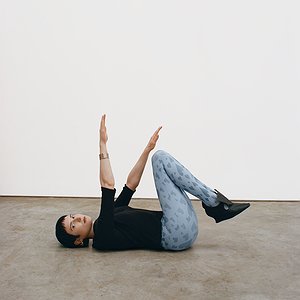
Roy Montgomery and Martha Skye Murphy about their Collaboration
Conceptually, the narrative of the duo's “Nebular” seems to take place over the course of a day, but the music suggest a world of eternal becoming, contours and lines opaque and shrouded in mystery – most prominently on celestial 17-minute centrepiece “The Play of Light and Dark.”
John Van Deusen about Lyrics
John Van Deusen's new release deals with the theme of creation both lyrically and literally by tapping into the cornucopia of creativity: spread our across two separate albums, a grand total of 38 songs and two and a quarter hours of music, it is immersive an uplifting at once.
Amalie Dahl about Directions in Contemporary Composition
“Being creative is the opposite of what society wants us to be – it wants us to be effective.”
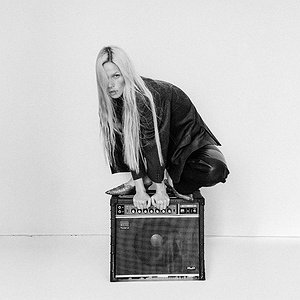
Anyx about Minimalism in Music
The range of inspirations on the Berlin artist's solo debut was staggering: Hildegard von Bingen and Vangelis, patterns and drones, her voice and meticulous sound design. The strength of “Starlink” is that it doesn't spell them out but makes you experience the point where they intersect.
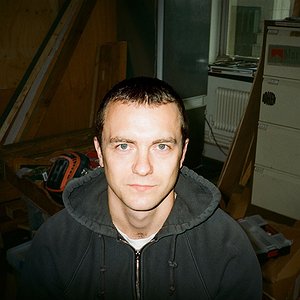
Ewan Moore about Drums and Drumming
Few drummers can make their kit sound like a full-sized percussion orchestra. Ewan Moore is one of them. His upcoming LP “Halftone Paradise” explores a wide range of states, from euphoria to melancholy all tightly under the spell of the groove.
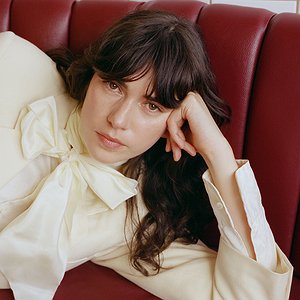
Le Ren Shares her Creative Process
If you're only listening to Le Ren's new album in the background, you're missing half (or more of) the story. Written over a decade of life and creativity, these songs use invitingly warm arrangements as a home for confessions told through hard-hitting, powerfully outspoken lyrics.
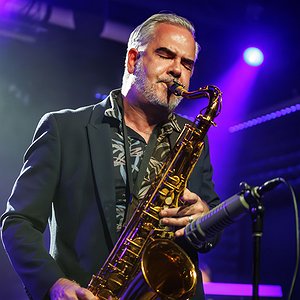
Elias Haslanger about Improvisation
“Scales and patterns are a means to an end. And that end is connecting with other people in a space that is conducive to expressive music.”
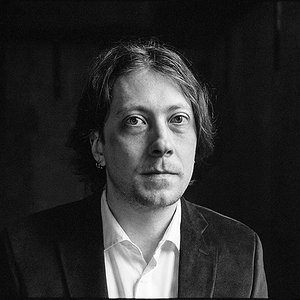
Henry James House about Dark Places in Music
“If you can go down into the darkest thoughts where the light of the sun is completely extinguished and still survive to sing about it, that is a profound message.”
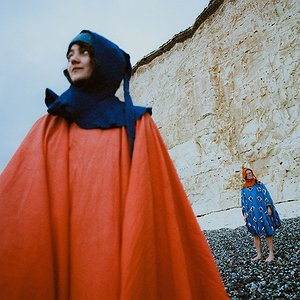
Blind Yeo about the Magic of Sound(s)
The omnipresence of sound is robbing it of its elemental power, the British collective feel. Their entrancing, propulsive kraut grooves smell of earth and forest, creating safe spaces for the soul. The need for new rituals to give meaning to our life is real. This music is one of those rituals.
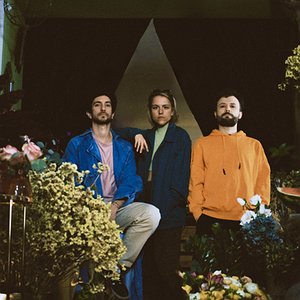
Future3 about Directions in Jazz
For a band wearing modernism in its title, Future3 place a lot of emphasis on traditional values: collaboration, spontaneity, interaction. Behind the dynamic structures of their fusion drift, however, scifi-inspired sound design and inventive re-sampling push the pieces deep into the unknown.

Laura Strickling about her Voice and Singing
Laura Strickling describes her job as “controlled screaming in 20 different languages.” It's a joke, but there's a grain of truth to it. Singing is a superpower for her, her voice a spiritual organ allowing her to express and accompany the twists and intimate stories of a life lived to the full.
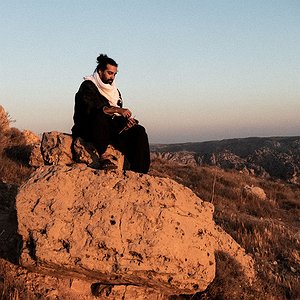
Yazan Sarayrah about Maqam and Electronic Music
“The idea for my new record started with wanting to actually give our region a real voice within the global melodic electronic dialogue.”
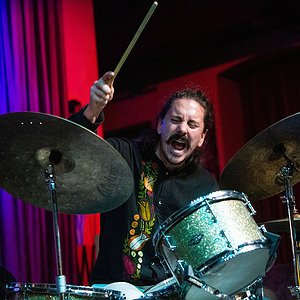
Gustavo Cortiñas about Drums and Drumming
From our mother's heartbeat to the pulses of life, we think of rhythm as an impulse generator. Based on a love for jazz and shot through with his Latin American heritage, these impulses get Cortiñas's percussion-based pieces started. Then, in between the beats, a world of subtle vibrations opens up.
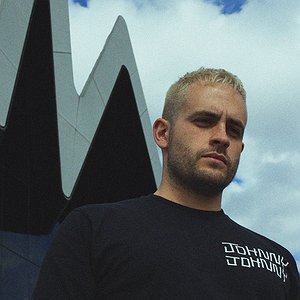
Modat about Minimalism in Music
With three different alter egos and three labels of his own, Glasgow's Modat has laid a highly diversified base for his joyful club explorations. Recorded in a not just minimal but almost “miniature” studio, his new EP finds surprising places of stillness in between cut-up samples and warm grooves.
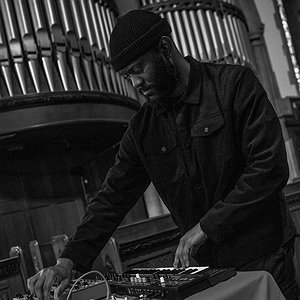
Ibukun Sunday about Emotions in Music
The Nigerian producer has become the prophet of a new kind of ambient: deep, collective and pulsing with spiritual energy. Transitions between tracks are as important as the sounds contained within them, subtle changes taking precedence over both stoic repetition and sudden shifts.
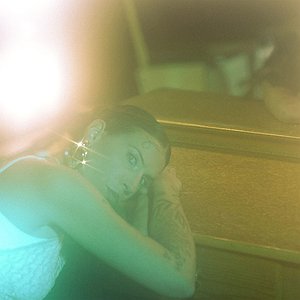
Marie Delprat about Directions in Electronic Music
Marie Delprat's latest projects were influenced by a plethora of ideas: The relationship between baroque music and pop, eroticism as a source of knowledge, softness as resistance. This is not about fusion, however – but about the states in between.
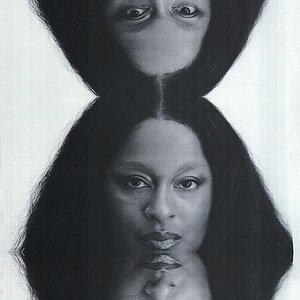
L'Rain about Lyrics
Equally dreamy and disturbing, L'Rain's “fata morgana” sees Taja Cheek looking out into the world while glancing sideways into a mirror. Coming to grips with alienation, loneliness and “a world not meant for you to thrive in,” this is the opposite of escapism. This is music as empowerment.
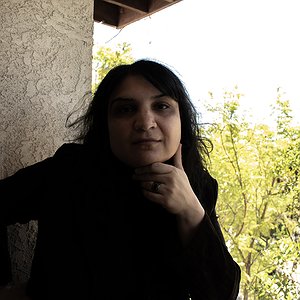
Sarah Davachi about Alternative Tuning Systems
“This isn't easy listening,” the press release to Davachi's upcoming LP warns. I beg to differ. Built from long-form compositions for organ, choir and strings, it is a sensual and instantly gratifying experience that will leave you profoundly moved long after the last, solemn note has died down.
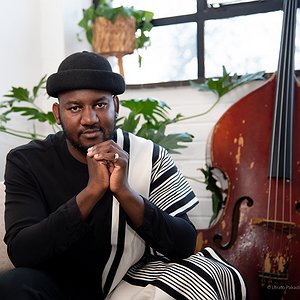
Vimbs Mavimbs about Directions in Jazz
Jazz, Vimbs Mavimbs says, is at the core of every note played in South Africa. After stints with Msaki and Asher Gamedze, his majestic debut as a leader pays allegiance to that bond. Through unabashedly spiritual anthems, it tells the story of his life - from displacement to triumph.
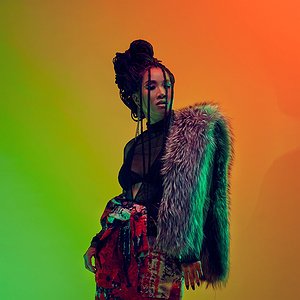
Masia One about Directions in Hip Hop
As “one of the first Asian faces in Hiphop for North America,” Masia One has always had to remain one step ahead of the competition. Ironically, the current future-obsession of the industry has made her dig deeper into her roots: ”Lyrics are the quintessential part of being an MC.”
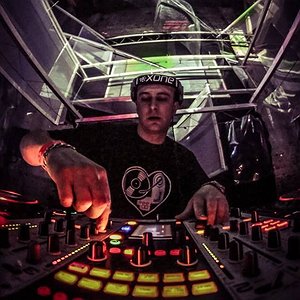
Ari (be) about Directions in Electronic Music
“No matter what's happening around us, we should never stop imagining, creating, and staying true to who we are.”

Jonathan Suazo about Improvisation
Recorded during a time of personal transitions, Jonathan Suazo returns with a statement of intent: Ten new pieces with IMAX-size arrangements and flying-carpet-like grooves. Suazo's confident tone cuts through them effortlessly, his solos elevating already classic-sounding themes.
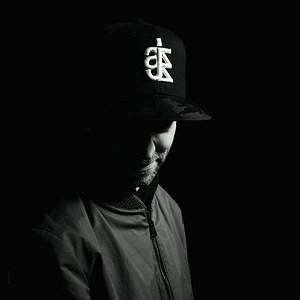
Richard Spaven about Drums and Drumming
The drummer's new album is a deep dive into the jazz continuum, spanning centuries of improvisation, street poetry and broken beats. From the instantly recognisable snare tone to the drifting atmospherics of the arrangements, it's as intimate as a magnum opus gets.
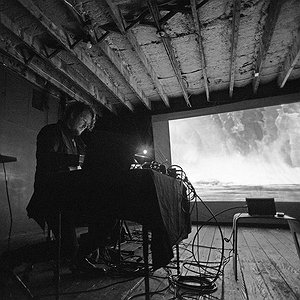
Mark Templeton about Graphical Sound and the Connections between the Visual and the Sonic
Mark Templeton's art is the consequence of a strikingly simple realisation: If the medium really is the message, then the richer your media, the more rewarding the music. Hypnotic, dense structures bleed into video and photography, making the heard seen and penetrating the intangible.

AOIFE about DJing and Production
Almost against the Irish DJ's instincts, her debut EP “Attrition” is a three-dimensional headphone-paracosm of gargantuan bass funk, twitching clouds of percussive particles and flashes of pulsating tones. It is a return to techno as a manifesto of personal expression and freedom.
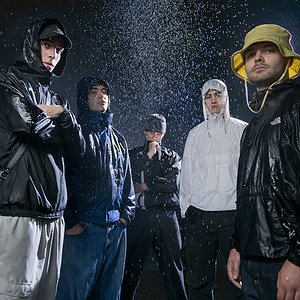
Omasta about Directions in Jazz
Imitation is a form of flattery, but inspiration is transcendence. Polish quintet Omasta weld together spiritual jazz and the rhythmical finesse of hip-hop so ingeniously that it makes you forget about their influences. Their upcoming full-length is called "Hits Different" – and it really does.
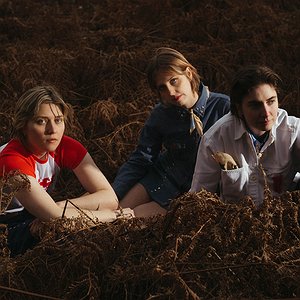
BLUAI Share their Creative Process
Sometimes, the most moving form of poetry is to simply say what you feel. For Catherine Smet of Belgian trio BLUAI, each of her three-to-four-chord song begins with that realisation. The simplicity of the music is deceptive: When they feeling's deep enough, that's all you need.
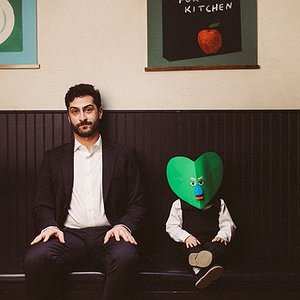
Jacob Brodovsky about Dark Places
“It’s a little tricky to find ways to frame these songs in a way that doesn’t entirely suck the air out of the room and depress the hell out of everyone.”
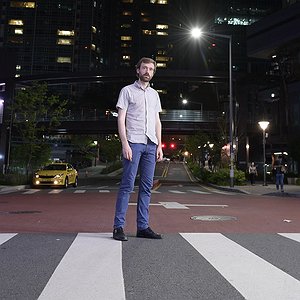
David Thomas Broughton about Songwriting
“Historically my creation space has been live on stage.”
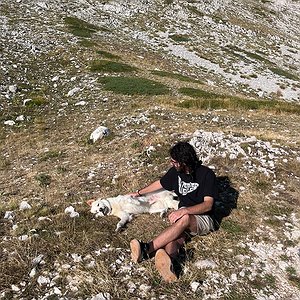
Treasure Island about the Magic of Sound
“How sound and music circulate in society reveals the underlying political and economic logic of the world we live in.“
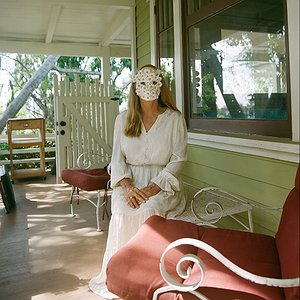
Marnie Weber about Lyrics
Some might see the mysteriously romantic songs of Marnie Weber as the soundtrack to an unmade David Lynch movie, where no place is stranger than home. But then, Weber is a filmmaker herself, her music's a stage and her lyrics visually evocative enough to paint pictures by themselves.
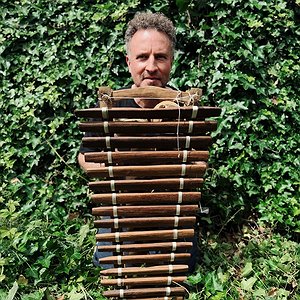
Balaphonic about the Magic of Sound(s)
For his Balaphonic project, jazz drummer Danny Ward maps electronic styles like downbeat and house onto an acoustic band framework. Intriguingly, the more “hand-made” and “real” the music gets, the more dreamlike it feels, enveloping the listener in warm waves of diaphanous vibrations.
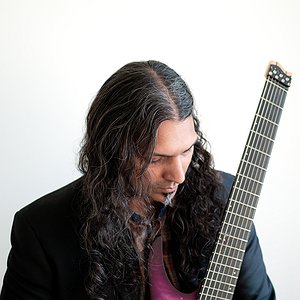
Jay Matharu Shares his Creative Process
The fusion guitarist's debut is called “Disillusion,” but lends a positive spin to that word. Complex time signatures, twilit chords, psychedelic melodies and unexpected power chords shatter the walls of expectation – hidden behind them is something infinitely more rewarding.
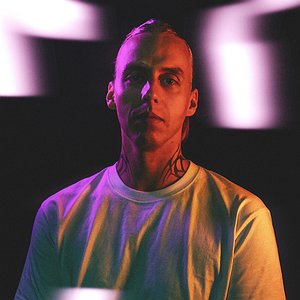
LaFontaine (IS) about Minimalism in Music
“I've actually become less minimalistic over the years. Now I’m more interested in exploring a sound as far as it can go.”
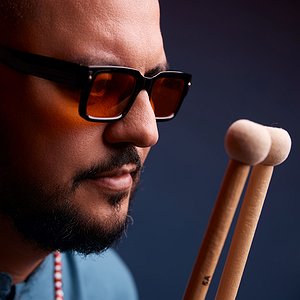
Paulo Almeida about Drums and Drumming
Rhythm is the pulse of life. When playing, Paulo Almeida is making it tangible, carefully shaping the wave in one moment and simply riding it the next. There is no escapism in his music – grooves can open doors to new experiences, but they all lead us back to the wonders of this one, wondrous world.
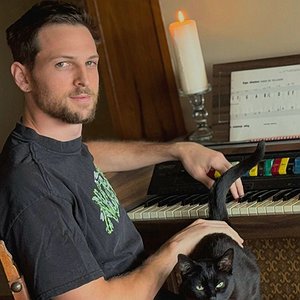
Patrick Belaga about Music Outside of Narrative and Inspiration from Video Games
“A film takes you from A to B while an open world video game just says, "Here's the world. Go figure it out."
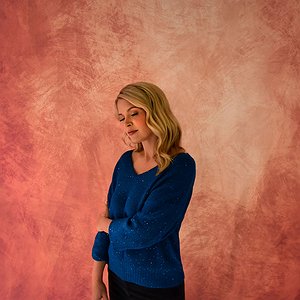
Bria Skonberg about her Voice and Singing
Of course, words matter. But for Bria Skonberg, it's how we say them that gives them meaning. Her performances gain their power through subtlety, clarity and infinite nuance. And when, in some of the most striking moments on “Indigo,” she picks up her trumpet, words become entirely unnecessary.
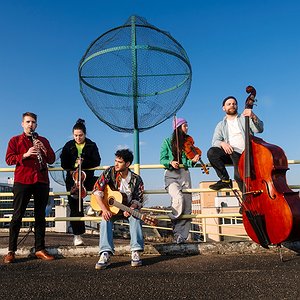
Tovte about Minimalism in Music
For their latest release, the Cologne quintet wanted their music to float like a majestic cloud. The image becomes particularly vivid in the hypnotic middle section of the record, with plucked ostinatos, tight grooves and the rich acoustics of their instruments create a weightless, sensual trance.
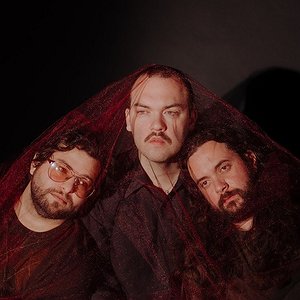
Jesus Is The Path To Heaven about Dark Places in Music
All art is artifice. But what, if the music shatters the third wall and the performance is no longer an act? That is what the dark folk threepiece are aiming for in songs that unfold like documentary-style horror movies: You can pretend this isn't real, but that won't make the pain go away.
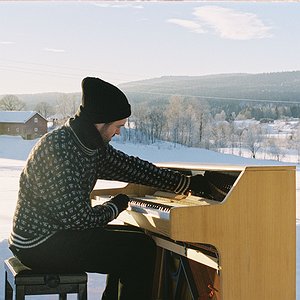
Kjetil Mulelid about Directions in Jazz
Mulelid's new release “Piano, Unfolding” suggests a fascinating thought: That playing is not just about expressing, but about uncovering; less a case of invention than discovery. Of course, the same goes for the act of listening: Wherever this journey is leading, you're taking it together.

Jenny Gillespie Mason about the Magic of Sound
After her project Sis and the Lower Wisdom expanded towards quirky electronica and experimental pop, Jenny Gillespie Mason's new solo album marks a return to folk simplicity. Has the Californian songwriter and poet arrived full circle?
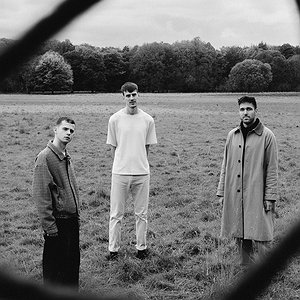
Jan Lukas Roßmüller about Directions in Contemporary Composition
There is something magical about the moment when, after a disc of solo piano, Roßmüller's trio rises from a state of stillness for another album's worth of music. Thinking horizontally and painting with light lines, the experience never feels excessive – and more like catharsis through clarity.
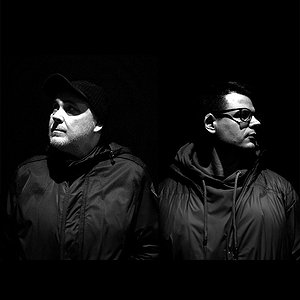
Marconi Union about Rothko, Multiforms, and the Mystery of Morphing Sounds
Many artists have felt a kinship with the work of Mark Rothko. Marconi Union, however, managed to pull off something quite unique in creating music based on Rothko's multiforms which feels like weightlessly drifting through his paintings – navigating a world of dark colours and emotional resonance.
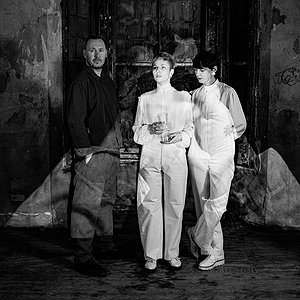
BAG about the Magic of Sound(s)
“Field recording is truly magical. Once the record button is pushed, you are almost forced to listen instead of just hear.”
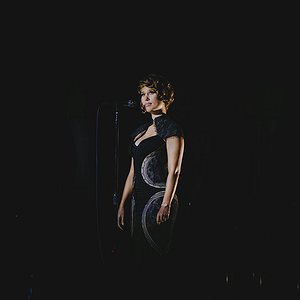
A Tale of Jazz, Loops, Enraged Comments and Beautiful Mistakes
A report on the greatest performances of the Montreux Jazz Festival's 2026 edition – alongside thoughts on jazz, the future of live music, and the connections between the past and the future.
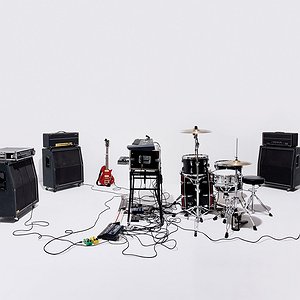
Julien F of Chevreuil about Drums and Drumming
Most bands think of music as an expression of electricity. To French duo Chevreuil, it is a subset of magnetism – metallic particles aligning into patterns, minds drawn together by forces of sonic attraction. Dark, yet sensual and strangely refined, this is the arthouse version of post rock.
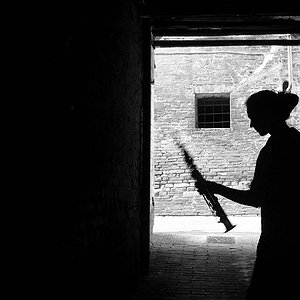
Cosimo Fiaschi about Minimalism
Fiaschi's new work is written entirely around a single saxophone multiphonic which he slowly raises, rotates and reveals. Maximally minimal in its outward appearance, the music is actually a result of extreme focus: ”Many possibilities simply fell away by following the logic of the material.”
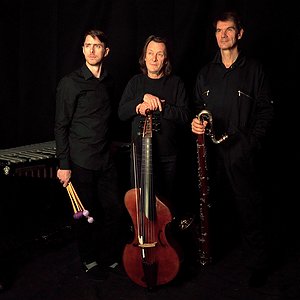
Claudio Puntin about Emotions in Music
“Human beings are creative and social beings. When they are creatively and playfully active within society, they thrive — they find solutions, and they find peace.“
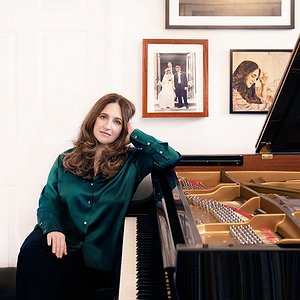
Simone Dinnerstein about Interpretation
For pianist Simone Dinnerstein, playing a piece is always personal, a process of mental digestion and physical performance yielding an emotionally complex result. In the end, however, neither composer nor performer ought to over-rate their importance: “The music has a much greater life.”
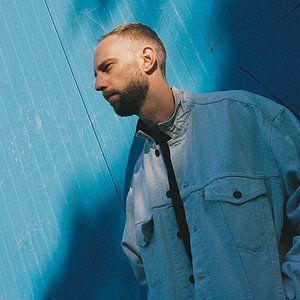
Running Hot about DJing
“I’ve learned the hard way over the years to trust my gut. Every time I’ve tried to force a track in because I wanted to hear it, it hasn’t worked.”
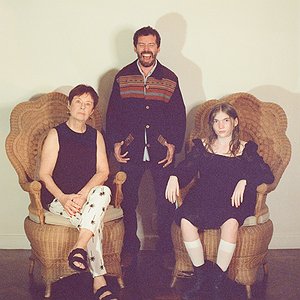
Marcelo Callado about Drums and Drumming
For 90s club act Snap!, rhythm was a dancer. For drummer Marcelo Callado, it is a songwriter. In his floating, sensual world, percussive layers support melodies and harmonies, which, in turn, inspire grooves and patterns, occasionally discharging into hypnotic loops of psychedelic eruptions.
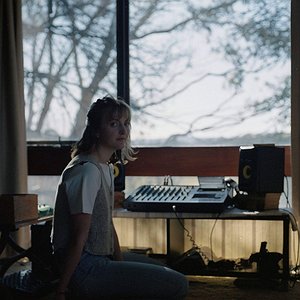
Hana Stretton Shares her Creative Process
Hana Stretton's “tiarn” is a reflective state composed of oceanic field recordings, her voice and a ghostly classical aria spinning in the background. It may be suffused with warm hiss and performed using simple equipment, but it isn't “lofi” – this is the way she hears the world.

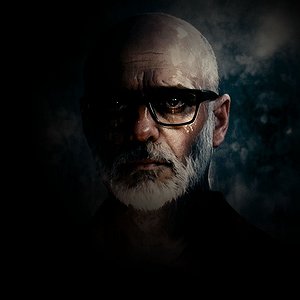
Chris Maico Schmidt about Directions in Electronic Music
One of Germany's original techno pioneers, Chris Maico Schmidt keeps carrying the torch for some of the fundamental values that turned electronic club music from an underground phenomenon into a new philosophy of life – as a DJ, a radio host or, as on his atmospheric new EP, with his music.
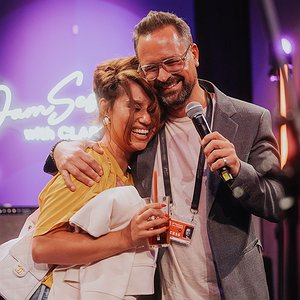
Mathieu Jaton of the Montreux Jazz Festival about RAYE, Sienna Spiro and Building Creative Relationships
“Financially, the festival is irrational.”
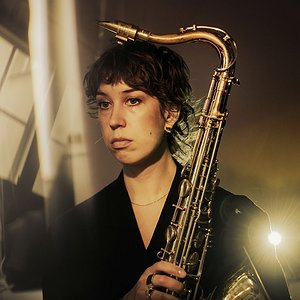
Heli Hartikainen Shares their Creative Process
On their “Interbody EP,” Hartikainen engages with a software organism, responding to unpredictable real-time transformations of their sax lines. The machine acts as a distorted mirror, reflecting and revealing, veiling and concealing, leading to places between chaos and control.
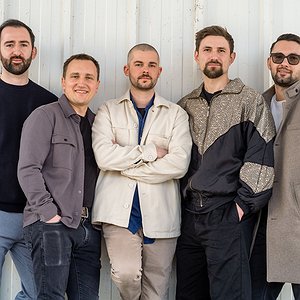
Vincent Rein Quintet: The Band Interview
Bassist Vincent Rein's band haven't been together for very long. That may be precisely why their debut record hits that perfect spot between spontaneity and precision. This is classic jazz with a spotlight on solos, ample space for individuality and lyrical themes that just won't leave your head.

Johanna Summer about Composition, Improvisation and Wordless Dialogs
In the studio, Johanna Summers asked three of her pianist colleagues to play her a classical or contemporary composition as a starting point. Her instant responses fall in between continuation, transformation and composition, liquifying the dividing line between original and variation.
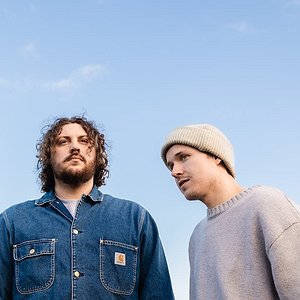
Memorial about Emotions in Music
By playing more quiet, the British duo are making their audiences listen more closely. On their upcoming new album, songs drift in between folk, ambient and chambermusic, their voices soaring, the microphone picking up every nuance. It is music that paradoxically feels fragile and powerful at once.

Fluke Share their Creative Process
Remixing has long been club music's take on the idea of interpretation in classical music. Fluke are taking this idea one step further by reworking some of their favourite back catalogue pieces themselves – inspiringly playing with time, technology, and the transformative power of their tunes.
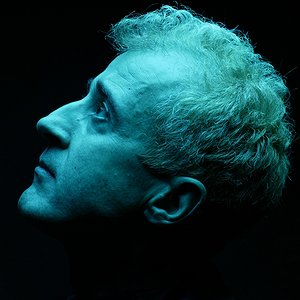
Bobby Previte about Directions in Jazz
A half-century into his career, Bobby Previte is still pushing himself: "For the first time my music is coming through the drums rather than around them." On his new album, he channels them into fluent, focused improvisations, each instrument holding its own space, locking tightly into a mystery.
Steven Bamidele Recommends Music for Escaping Nihilistic Rabbit Holes and Quenching a Yearning for the Past
Includes albums by Radiohead, Snow Aalegra, Ennio Morricone, Joni Mitchell & Brandi Carlyle.
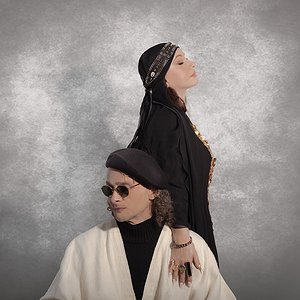
Natacha Atlas Shares her Creative Process
Borders have never been able to contain the Belgian-Egyptian songwriter's creativity. Together with her congenial partner Samy Bishai, even classical music theory crumbled, as the duo fused Arabic pop with scifi electronica, enriching Western harmonies with a little quarter tone magic.
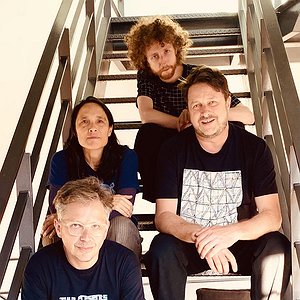
Open Thread Share their Creative Process
“Improvising and collaborating together has a way of revealing the better side of human nature.”
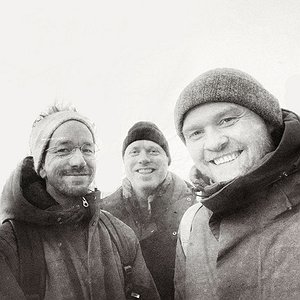
Kronstad 23 about Energy in Music
It is hard to believe that psych-jazz band Kronstad 23 have so far hardly left the studio. Their record sounds like it was recorded live, their influences are global, their cosmic Grateful-Dead-meets-ECM instrumentals have a rare determination to them – benefiting from being meticulously unprepared.
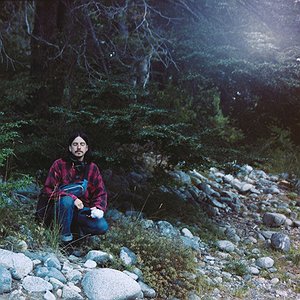
LUMTZ about the Magic of Sound
The producer's latest ambient release is a different kind of summer music: soft and warm, gentle and uplifting, and as relaxing as lying on the beach and looking at the blue sky. The loving nature of these sounds is an effort of “caring for the listener”, “part of a search to change the world.”
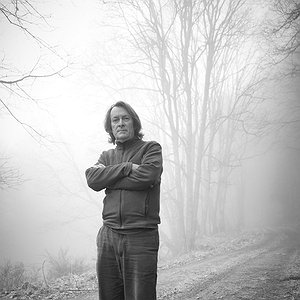
Chris Dahlgren about Emotions in Music
The cover of Chris Dahlgren's new trio LP looks like a translation of the music contained within it: Clouds of vibe resonance drift across planes of moody viola da gamba strokes, pierced by playful beams of clarinet-coloured light. Timbre was a tool, emotion an effect, transcendence the goal.
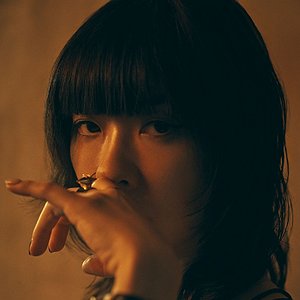
Risa Taniguchi about Minimalism in Music
Techno, by its very nature, is a stripped-down art form. With Risa Taniguchi, what remains, is not a bare bone skeleton, but an organism composed entirely of muscle and sinew. All elements are essential here, all contribute to the sensation of being pushed forward with an irresistible force.
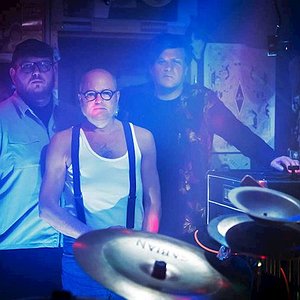
OCTO about Energy in Music
Unless your interview with German trio OCTO has the word “energy” in it, you're talking to the wrong band. Citing Steve Albini as an influence on their sonic philosophy and Kraftwerk for their “chops,” their tantric noise rock feels like a reversed rocket drilling itself into a tectonic plate.
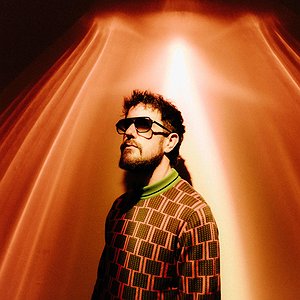
Danalogue about the Magic of Sound
Drawing from sci-fi and a lifetime of production experience, Danalogue's debut solo LP opens up a portal into a state where forms crumble and the mind opens up to receive sound in its purest, most powerful form. Imagination is a “radical act” here – creating the worlds we actually want to live in.

Quiet Village Share Their Creative Process
“I genuinely believe there is a life force within music. Some pieces seem to arrive almost fully formed, as though you’re receiving rather than inventing them.”
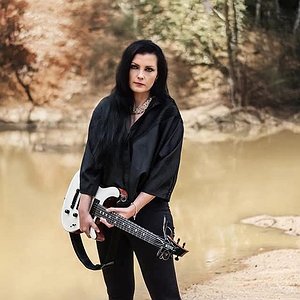
Kamila Csenge about Directions in Jazz
Guitarist Kamila Csenge wanted to deal with phenomena and philosophies defying the limits of human comprehension. Paradoxically, the results - somewhere between blissful jazz and progressive fusion – do not take the listener to the borders of the galaxy, but an intimate inner cosmos.

Tooker about Minimalism in Music
Since leaving the big city for a small island, Sardinian producer Tooker understood that music and life can not be separated. In his hands, a mere handful of elements combine into pieces that conjure profound emotions – and that could go on forever without ever feeling repetitious.
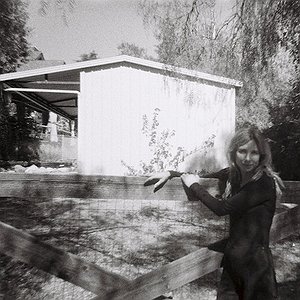
Cate Kennan about Emotions in Music
On Kennan's follow-up to her already haunting debut, she dives even deeper into the delicate darkness of her forever-distant sound world. Melodies are whispers here, songs just one step away from silence, hypnotic guitar chords strumming themselves into a state of gentle, dream-like dissociation.
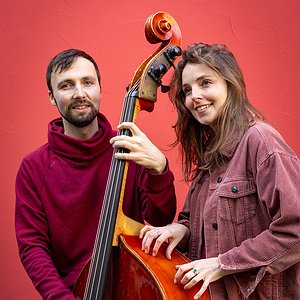
Ton Sur Ton about Emotions in Music
What could you strip away from a music that is this minimal to begin with: An intimate voice, a warm bass, a few sprinkles of keyboard and effects, the occasional drum machine beat. And yet, it is in the moments when the songs just float and drift that the duo's debut truly lifts off.
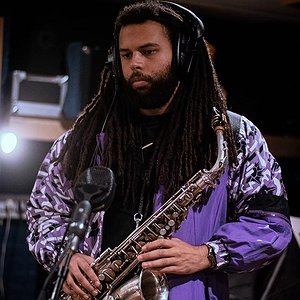
Donovan Haffner about Improvisation
Donovan Haffner creative life revolves around improvisation: When he's composing, he'll include open-ended sections. When he's performing, he prefers to negotiate the direction in the moment. Even when he's listening, freely played music takes him to places of deeper connection.

Lilya Mandre about Minimalism in Music
“Minimalism leads me to clearer emotions, more honest songs, and ultimately more freedom.”

Francesca Gaza about Directions in Contemporary Composition
The architecture of Francesca Gaza's Crown Shyness is precisely defined. And yet, within it, this music truly contains multitudes, from jazz via baroque counterpoint and post rock to breathtaking exhales – what you're hearing says something profound about who you are as a person and a listener.
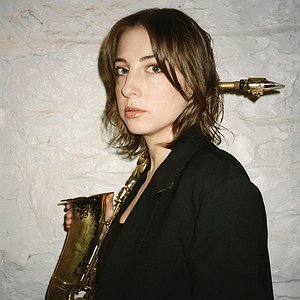
Alden Hellmuth about Improvisation
The press release to the saxophonist's sophomore LP locates the music between freedom and form. One could argue the axis more accurately runs between ambiance and ardour, restraint and release - continuing the eternal collaborative quest for crossing the known and familiar.
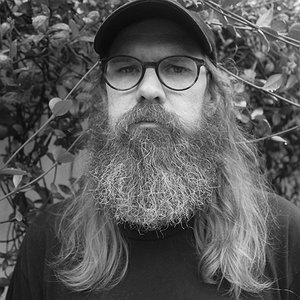
Josh Mason on All Things Modular
Mason's ' Kicking A Dark Horse' wasn't just created with a modular set-up. Compositionally, it follows a modular logic as well, weaving an expansive web from interrelated cells of innercosmic oscillations. In this dream world of music and an accompanying book, everything is connected.
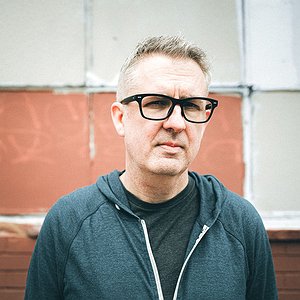
Lusine Shares his Creative Process
Everybody can loop a few bars of music. Very few artists can bring you as close to tears with it, however, as Lusine. His pieces seduce you in, then pull you deeper with every passing moment. His latest work brings the background to the fore in a world between ambiance and ambient.
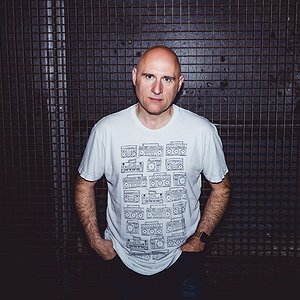
Vince Watson about the Magic of Sound
“Silence allows the mind to wander without direction. Sound allows the mind to wander with intent. Both are vital.”
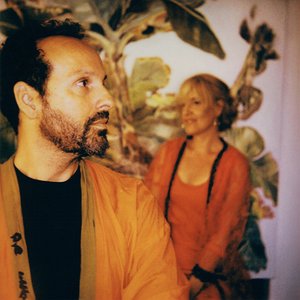
MOMO. Shares his Creative Process
Imperfections, Marcelo Frota believes, can give life to music. That's interesting, since his new album seams close to perfection: Soft rhythms melt into clouds of harmonies against which Frota's voice gently grinds like silky sandpaper – it's the sound of summer, the soundtrack to being alive.
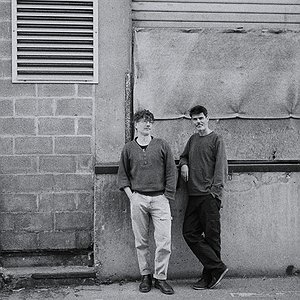
Razen about Improvisation
Brecht Ameel and Kim Delcour's new LP opens with a time-arresting, 17-minute meditation on the sounds of the erhu and the renaissance serpent. This is music that is radical and heartwrenchingly gorgeous, both free and perfectly sculpted, bound by no rules yet defining a new language.
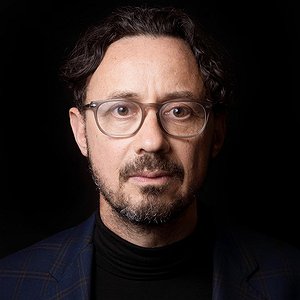
David Norland about Directions in Contemporary Composition
"My goal is to make music that sounds both futuristic and incredibly ancient. Like alien hieroglyphs carved in ancient sandstone."
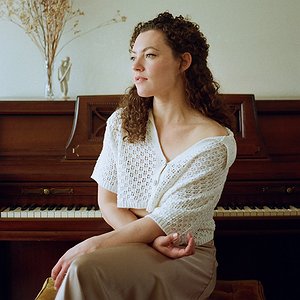
Celine Cairo about the Magic of Sound(s)
The music of Celine Cairo is born in silence, influenced by the little, miraculous sounds around her: Her dog drinking, birds singing, the noises of her house. As introspective as her songs may be, the calm is merely the tranquil surface of an unfathomably deep ocean of emotion.
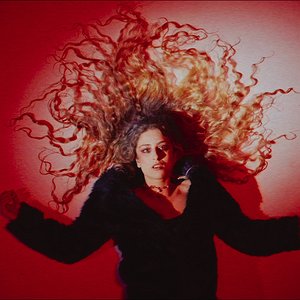
Carolina Cury Shares her Creative Process
"My new album can be endlessly misunderstood. That is part of its concept."
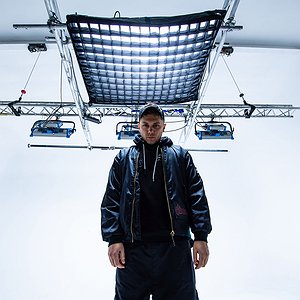
DJ Mad Dog about Energy & Music
The DJ/producer refers to his style as "hardcore beyond rules." Another way of describing it is "release without remorse.“ Ideas need to be spontaneous and the job of production is to not get in the way, turning the music into a vessel for freedom and real connection.
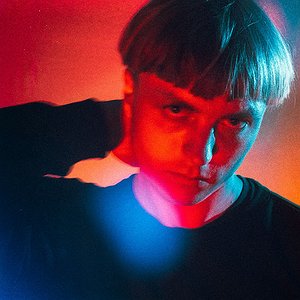
Mads Kinnerup about Directions in Electronic Music
As a researcher, Mads Kinnerup is investigating how AI changes our way of thinking about music and opens up new ways of creation. As an artist, meanwhile, his interests lie elsewhere: In mysteries, the unknown, and deep, raw, and emotional human connections.
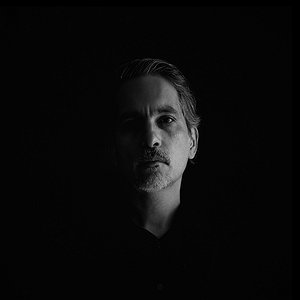
Abul Mogard Shares his Creative Process
Abul Mogard's music defines relationships between the mind and imagined spaces. In them, everything is transient and very little is solid, sound travelling from distant shores to reach the ear as whispers at the threshold of audibility. There's almost nothing here – and yet, you can't turn away.
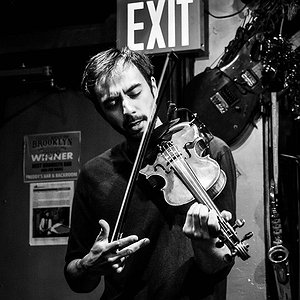
Keir GoGwilt about Directions in Contemporary Composition
For Keir GoGwilt, the task of a composer is to organise sound to create "new constellations of meaning." And truly, his upcoming "Zarabanda Variations" includes a "Baroque Concerto" that both feels like an homage and will blow your mind. It's deep, it's research, it's endlessly stimulating.

Jon Onabowu about Energy & Music
"Artists create change by refusing to make music that explains itself, that justifies itself, that apologises for itself. You build the world you want people to inhabit and you trust them to step inside."
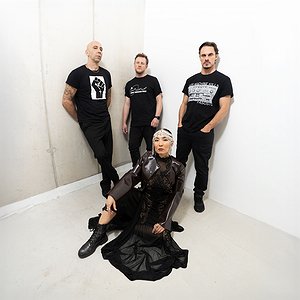
Kefaya Share their Creative Process
Multinational psychedelic rock trio Kefaya and Afghan vocalist Elaha Soroor understand chaos as the food for rebellion, confusion as the true nature of revolution. Their exhilerating new album is a scream against silence, a slap in the face of polite neutrality, world music for a planet in crisis.
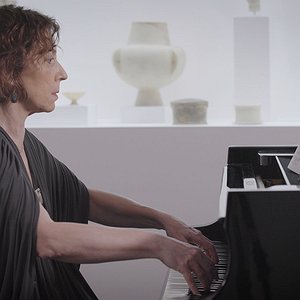
Sarah Rothenberg about Reading the Score
“People often talk to me about the way I sustain the silences in Feldman’s piano music. But there are no silences! There is always resonance. There are unanswered questions.“
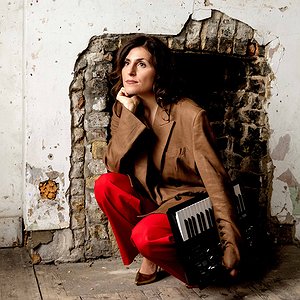
Irene Serra aka ISQ about Lyrics
"I don't always begin with lyrics, but they ultimately become the most important element," says Irene Serra. Her bittersweet new single makes this abundantly clear. And yet, it is only through music that this letter to a loved one lost gets delivered backwards in time.
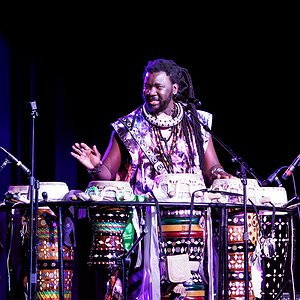
Aba Diop about Energy & Music
“Every concert, you are the one who begins. But it is the spirits who finish the concert.“
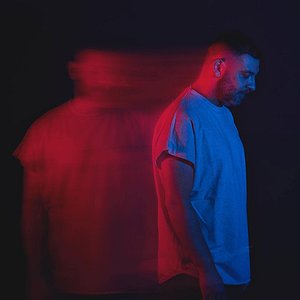
Luca Longobardi about Immersive Art and the Music in van Gogh
The immersive exhibitions which Luco Longobardi contributed to as a composer and co-director, create narrative spaces of images, history, and emotions. Longobardi's soundtrack connects these elements non-linearly, establishing a sense of rhythm derived from dance and architecture.
VARV Share their Creative Process
“Transit” refers to the process of moving something from one place to another. On their sophomore full-length, the Italian duo turn this process into the focal point, shaping their stimulatingly anti-formulaic post-jazz anthems into islands on a journey of perpetual becoming.
Ferg's Imaginary Big Band about Energy & Music
Fergus Quill's ensemble is more than a “big band.” At around 25 performers, it is a full-fledged jazz orchestra whose sheer existence in a time of efficiency and downsizing is, in itself, an act of defiance. Their sound is pulverising, their noise political, smashing the almighty algorithms to bits.

Mathieu Jaton about Programming the Montreux Jazz Festival and Creating Memories that Last
"It may look a little bit naive and old school in the music business we are in. But I love the idea that Montreux is a place where you can think differently."
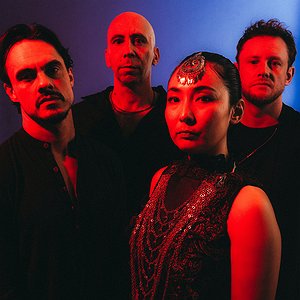
Elaha Soroor about her Voice and Singing
The first collaboration between singer-songwriter Elaha Soroor and production trio Kefaya had a meditative quality to it. Possibly triggered by a world in disarray, their new single plugs in the sequencers, and crashes them head-first into dervish drumming and Hazara influences to anthemic effect.
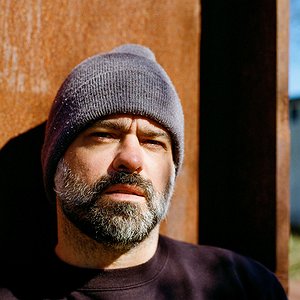
Marcel Vogel about Directions in Electronic Music
Everything is connected for DJ/producer Marcel Vogel: Different styles, different scenes, the past and the present, life and creativity. To be an artist means to embrace being part of the cornucopia and to tap into the abundance – every track and each performance is a new opportunity for growth.
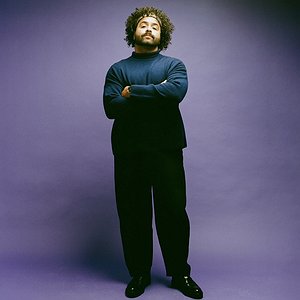
Steven Bamidele about Emotions in Music
Steven Bamidele's latest full-length is a concept album about falling in love with an alien. It is also a grim assessment of the political landscape at the time of its writing. The music follows this polar logic: Silky smooth on the surface, it's a call for rebellion and a cry for action underneath.
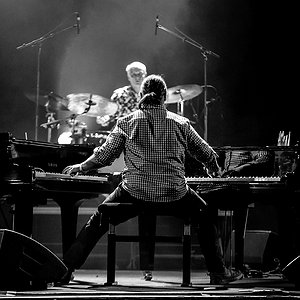
Jérémie Ternoy about Minimalism in Music
The music of composer, pianist and Magma-collaborator Jérémie Ternoy explores "how an extremely reduced motif can open up an immense listening space." His new album, a mesmerising trance-pulsation, obliterates cliched notions of repetition, heading straight towards the point where parallels meet.
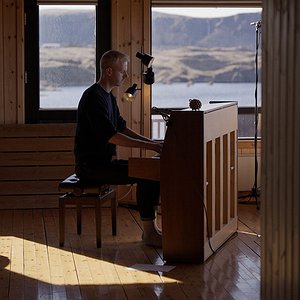
Snorri Hallgrímsson about Directions in Contemporary Composition
“Creating is imagining something different, something new, something radical, something unwanted by the powers that be. Creation is resistance, and resistance fuels my creations.”
Philipp Johann Thimm Shares his Creative Process
The music of Philipp Johann Thimm exists in a fragile zone between the public and the personal. Born in solitary night shifts and extended underwater breath retention, his blissfully melancholic songs feed from the emotional energy of friends, childhood memories, and the input of loved ones.
Ida Sand about her Voice and Singing
“Please say it to my face,” Ida Sand requests in one of her mesmerising new EP's most moving moments. It seems only fair, as she holds nothing back either, delivering her songs with arresting emotional immediacy. Dressed in minimal jazz arrangements, this is her version of the blues.
Peryl about Directions in Electronic Music
The music of the Berlin-based producer is at the outer edge of electronic exploration: Abstract sound surgery meets warm textures, rich atmospheres wash over spaced-out beats. And yet, on his latest pieces, he finds himself “drifting more and more into organic sound territories.”
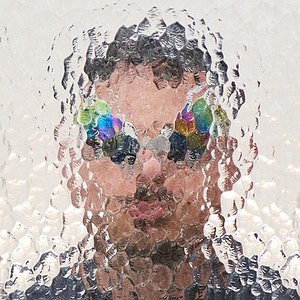
Serguei Spoutnik about Emotions
“My own music is only a tiny element within a vast network. But perhaps it is still essential for transmitting certain emotions from one person to another.”
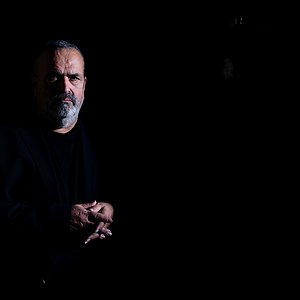
Gigi Masin about the Magic of Sound(s)
As a listener, Gigi Masin's are open, but his gaze is between seeing and not seeing. On his LP Movement, an intricate weave of sensual textures and suggestive piano/trumpet licks animated by motoric electronics, the music does the same – putting you in a space between hearing and not hearing.

Sarah Rothenberg about Interpretation
“Daring” is not a word you hear often in classical music. To pianist Sarah Rothenberg it is pivotal for picking the pieces for her programs: Repertoire too daring for its time, so daring it questions your ideas about music, so daring it still sets your pulse racing 200 years after it was written.
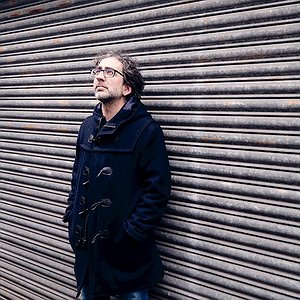
Billy Fuller of Beak> Shares his Creative Process
“Songs are a bit like people. Some are lovely and easy to get along with. Some are total pricks.”
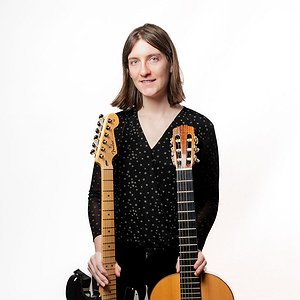
Liz Hogg about the Importance of Routine in Creativity
“When I get thrown off my routine, I feel unmoored. Each schedule serves to make my life easier and expedite processes.“
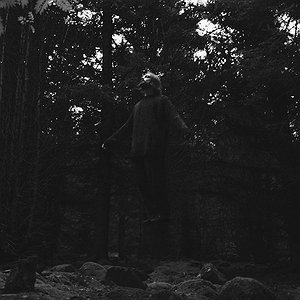
Janus Rasmussen about Directions in Electronic Music
With track titles like "Doom," "Evil," and "Blame," Rasmussen's "Inert" seems to be a cycle of dark, autumnal introspection. The music, however, less club-oriented and featuring more of his intimate vocals than before, is dreamy and light, obsessed with love, deliverance, and goodness.
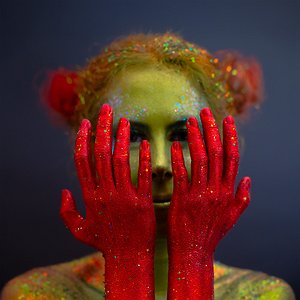
JUC about the Magic of Sound(s)
“It feels as though you can save the world after a big show — because we probably could."
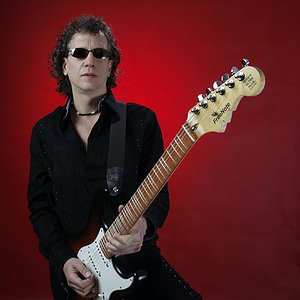
Jon Catler about Alternative Tuning Systems
The guitarist's new work, written for multi-tracked electric guitar in Just Intonation, takes listeners on a journey into and through sound, spiralling beyond the confines of music. Within the cosmic continuum, there are no frets, just infinite intervals, all sounding together in unity.
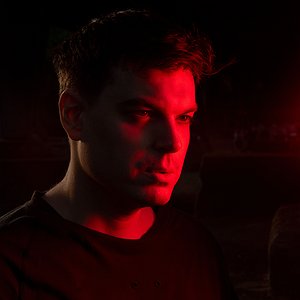
Scalameriya about Anchoring Music in Time
Scalameriya wrote and finished his new EP within a 30 hour production marathon. Approaches like this are par for the course in his world of border-pushing electronic music, but the point is not to create systems. Creativity is its own reward, a challenge to be either completed or failed.

The Gipsy Kings featuring Tonino Ballardo Share their Creative Process
Most artists use their personal life as a point of departure. For the new Gipsy Kings album, founding member Tonino Baliardo decided to do that as well, but ended up going a lot deeper. “Historia” is the story of his time with and outside the band – as well as a deep dive into the culture behind it.
Zak Scerri about Improvisation
In case Zak Scerri doesn't see you, don't take it personally. The best things in life are ephemeral, and to capture their full potential, you need to keep moving. At least you can still hear him – weaving glistening fretboard magic into beautifully grooving, emotionally naked guitar jazz.
Telva about Art as a Response to the Challenges of the World
“My response is a return to authenticity. To not chase fitting in, but to listen deeply to your own voice and to be yourself, even if it’s a lonely or challenging path. Real art can only arise from there.”
Gary Holldman about Minimalism
Gary Holldman may not be a minimalist in the purest sense: He rejects creative limitations, loves technological innovation, and appreciates stylistic diversity. And yet, he took 15 years to come up with the merely ten tracks of his debut's warm, mesmerising techno. If that's not minimalism, what is?
S!RENE Recommends Deep and Caring Music with Crazy Pockets and Jazzy Vibes
Includes albums by Jothan Scott, Jah Digga, Alissa, Nubiyan Twist, and Little Simz.
Glenn Donaldson of The Reds, Pinks and Purples about Dark Places in Music
“I like to fall asleep listening to old hardcore. It’s comfort-listening for me.”
Daphne Roubini about her Voice and Singing
If she's not teaching ukulele at her own ukulele school or tirelessly promoting creatives, Daphne Roubini is drawing lines between the past and present in her songs. Her new album sounds like a lost classic from the 50s without evoking nostalgia – these are feelings which never go out of style.
Berenice Llorens about Active Listening
“Active listening is not only an artistic practice but a way of being in the world. It is a way of inhabiting spaces, relationships, and even my own body.”
Lambert Shares his Creative Process
The title of Lambert's new album is “I am not Lambert.” Yet here he is: jazz reflections meet soft electronica, smouldering songs are juxtaposed with sprightly chamber music. A playful counterweight to a copy-paste reality, it is from this paradox that truth, beauty and personal connection emerge.
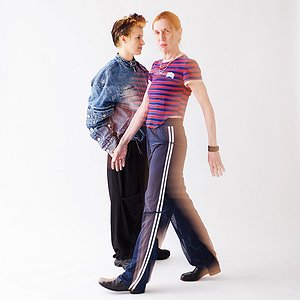
Lucie Antunes Shares her Creative Process
Recorded in a stable-turned-studio, Antunes' new album is an emotional meditation on death and silence. The results are restless, alien and transcendent, somewhere between the sublime and utter violence. It's an act of sharing taken to the extreme - this is what writing about pain really feels like.
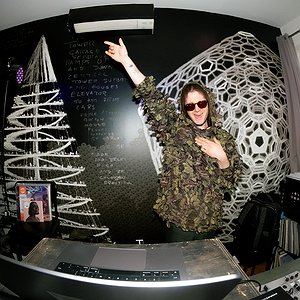
Derek Piotr about Production, Technology, and Creativity
“Producing is like if you're knitting and you think it's gonna be a hat, but it ends up being a scarf. You can't control it! It will tell you what shape it's gonna take.“
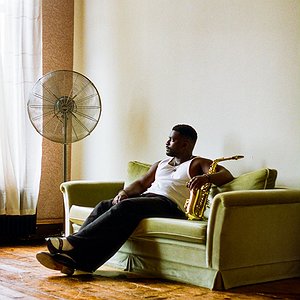
S!RENE about Directions in Electronic Music
Yoga philosophy claims that "the world is sound." S!RENE believes that “silence gives life.” On his warm, sensuous and deeply spiritual debut, he reconsonsiles these paradoxes with a collection of pieces which oscillate between house, downbeat, jazz and indescribable magic.
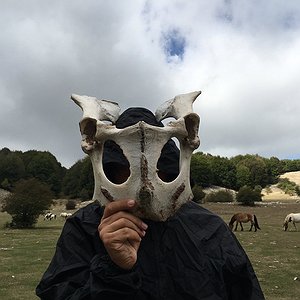
Mai Mai Mai about Dark Places
Mai Mai Mai's work has traditionally been defined as "Mediterranean Hauntology" or “Southern Gothic.” For his new album, Karakoz, an equally immersive and mind-bending trip, he travelled to Palestine in search of collaboration, the sounds of the land and the ghosts of the past.

Another Taste about Energy & Music
Can there still be a band that speaks for an entire generation? Another Taste don't think so, but their smooth-yet-hypnotically-funky new album comes pretty close. A collection of perfectly imperfect one-takes recorded live to tape, this is analog soul as a vision of the future.

Judith Berkson about her Voice and Singing
“When I am performing, it’s like channelling a greater purpose or the spirit or the need to create a transcendent or liminal space for myself and the audience. When you’re in that moment, it's like you’ve transformed your entire reality.”
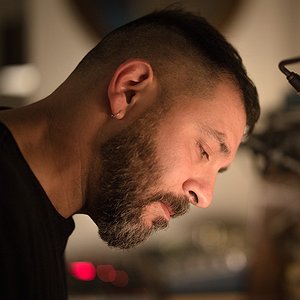
Luca Longobardi about Tempo Fugit and Time in Music
Time is the medium through which all music flows. But very little music deals with it specifically. On his new EP of ethereal, otherworldly classical ambient, composer Luca Longobardi puts time front and center, creating pieces that warp, bend, and beautifully distort our perception of it.
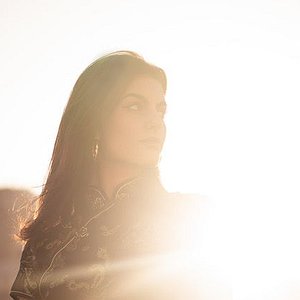
Telva and Gabriel Strobel about Active Listening, Stories like Oceans and Interdimensional Portals
On one of the most fascinating compilations of 2026, Telva's “Ocean Kiss”, making use of “dirty machine noise, horses’ hooves and an interpretation of flamenco and African djembe,” is one of the most fascinating contributions – entering into a crossmedial dialogue with Gabriel Strobel's artwork.
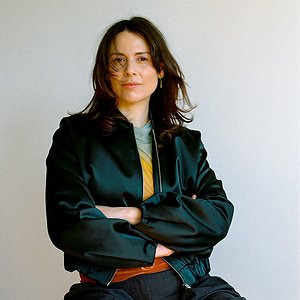
Marina Trench about Emotions in Music
Marina Trench uses the “quiet euphoria” of deep house vibes to gently massage your mind into a state of peaceful bliss. Her new EP features tracks called “Get High,” but really, these grounding grooves are all about coming back down to earth and rooting the restless mind.

Naïssam Jalal about Improvisation
“When I improvised for the first time I found out that I had music in me, that I was able to express with music what I could never express with words, that music was so powerful that I just wanted to play my music all my life.”
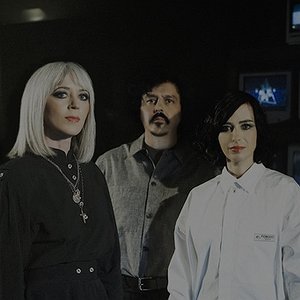
Ladytron Share their Creative Process
“We wanted to make a record closer to the dancefloor than recent ones. But the primary motivation was that we wanted to make our best album. If you’re not aiming for that then there is no point.”
Peter Mergener about Chip Mediations for the New Millennium and the History of Software
When Software's Chip Meditation was released in 1985, it sounded like a future beyond our imagination, somewhere between sequencer magic and man-machine utopia. 40 years on, the duo's Peter Mergener returns with a follow-up – equally beautiful and strangely moving.
Yui Onodera about the Magic of Sound(s)
To Yui Onodera, sound is “material as an event.” Perhaps that's why his work, juxtaposing dynamic drones with abstracted and yet somehow highly specific field recordings, has found such resonance in the house community: It's the same sense of movement, just on an infinitely more subtle scale.
Eoin DJ about Production, Technology, and Creativity
Only five tracks short, Eoin DJ's latest EP feels like a showcase of their production approach: A laser-sharp focus on groove and hypnotic sequences, pantonal frictions and unexpected sounds, as well as a sense of transportation – all grounded in human interaction and friendship.
Elina Duni about her Voice and Singing
Elina Duni has a dual citizenship, lives in a multilingual country and is singing in 5 different languages on her new ECM album with guitarist Rob Luft. Listening to her dreamy songs, gently pushed forward by frame drumming, is possibly the best proof for music as a universal form of communication.

Malin Linnéa about New Approaches in House Music
The Swedish DJ wants to bring a sense of true togetherness to the club scene. Her approach: Earlier hours, creative freedom, feminine energy, and a stronger sense of connection on a phone-free dancefloor. This is not another “alcohol-free wellness rave” - it's social, intimate, and inclusive.
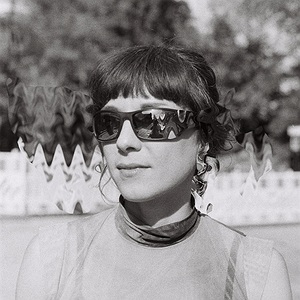
Hèlo Moondi about Directions in Electronic Music
“I don’t think you can ever force someone into a deep listening state. It remains a shared responsibility: the artist opens a space, and the listener chooses how deeply they want to enter it.”
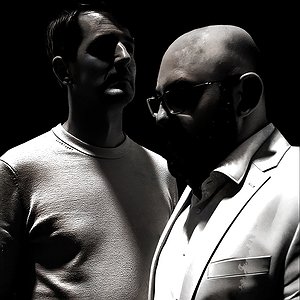
Markus Guentner and Joachim Spieth about the Connection between Art and Music
On paper, Joachim Spieth seems to be running AFFIN, while Markus Guentner designs the label's covers. In practise, their interaction is a continuous collaboration, extending into visual art and music. At its heart is a shared creative philosophy – and a love for long walks.
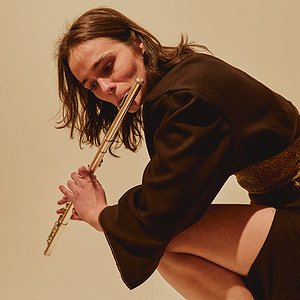
Juli Deák about the Magic of Sound(s)
When playing the flute, Juli Deák doesn't just use breath – she becomes it. Even her tailor-made dress is an expression of sound, as it moves from an inner place into the outside world. On her solo album Brisk, that stream mimics the ebb and flow of waves. It may retreat, but it never ends.
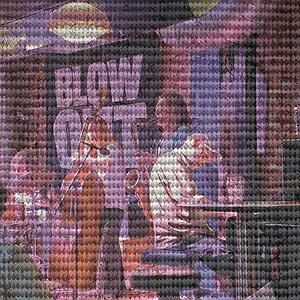
Jonny Wartel about Improvisation
In the spirit of “being prepared for anything,” Jonny Wartel's latest quartet album takes listeners on a continuous 46-minute journey. Poetic melodies soar only to crumble into atomic noise; structures form, then fade, irresistibly swept away by a mesmerising stream of subconsciousness.
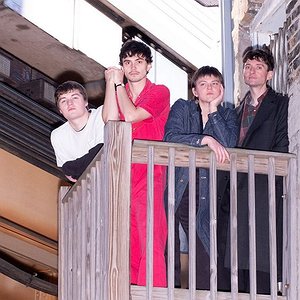
FRIKO about Lyrics
For Niko Kapetan of FRIKO, the goal of music is to peel away all conscious thought. If lyrics are to serve the song, in the act of creation, they, too, transcend their literal meaning. The band's new album is based on this mystery: Why can something to simply feel so profound?
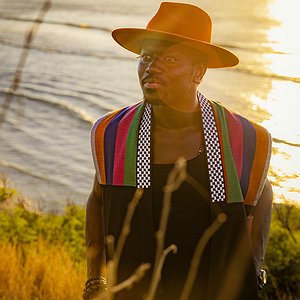
Cheikh Ibra Fam Shares his Creative Process
“You only need to look at the world today: all these wars, this hatred, this racism that keeps growing. You just need the courage to write.”
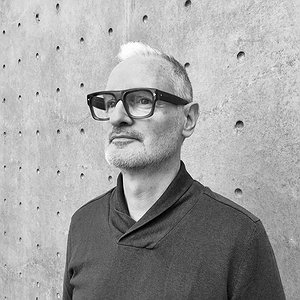
Arovane about Directions in Electronic Music
Stillform, the title of Uwe Zahn's collaboration with Yui Onodera, can be understood in two ways. For one, these floating pieces are just concrete enough to retain a sense of shape. They also contain within them the promise of quietude and calm – escape pods from a world in constant chaotic motion.
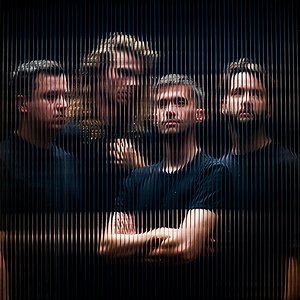
Matthias van den Brande about Rothko, Synaesthesia and the Beauty of Emptiness
To pay homage to Mark Rothko, the Belgian saxophonist went to Paris for a major retrospective of the painter's work. Inspired, he wrote a collection of softly intense, gorgeous pieces. However, this was not about translating colour to sound – but about the infinite space behind the canvas.
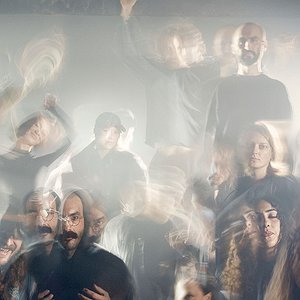
Fauna about Energy & Music
A core duo expanded to an 8-headed hydra on stage, Fauna practise music as a psychedelic ritual. There is a destination but no arrival - a maelstrom of cosmic kraut-trance incantations daring the listener to let go off everything that still binds them to physical reality.
Grammofon about their Collaboration
Some collaborations grow through relentless jamming. Niels Oldin and Jakob Frandsen's started with them becoming friends. Three decades after meeting, their new album with an all-acoustic quartet finds common ground between folk and jazz. It's familiar, yet fresh – just like a good friendship.

Mae Stephens about her Voice and Singing
As a little girl, the British soul singer would sing to herself for comfort. Now, she is bringing consolation & confidence to others. Her songs are emotional electricity, her voice is a line on a monitor synced directly with her heart – you can't get any closer to her than by listening to her sing.
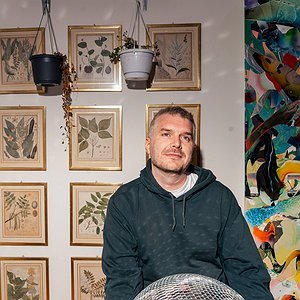
us & sparkles about Emotions in Music
Political messages in music often feel like one-way preaching. us & sparkles' new album of immersive jazz house is more of a state that you enter, allowing you to see the world in a different light. It signals the desire to listen – this is an artist who really wants to spend time with you.
Ciel & Mathis Ruffing about their Collaboration
Ciel and Mathis Ruffing's new EP is a true fusion of two worlds. Intricate sound design and alien sound effects collide with soulful textures and hypnotic drumwork. Especially the more atmospheric cuts all but scream for a full-length follow-up – which may well happen now the 2 have become friends.

Blessing Jolie about Emotions in Music
“We’re all different, but we’re living through a lot of the same experiences. When the music finds the right people, that connection becomes inevitable.”
Tangent Mek about Improvisation
In this interview on the occasion of Tangent Mek's debut album, the trio recount how improvisation guided composition and how important sound was to their overall vision. But they also mention conversations, travels, and memories – it's a radical ritual with a gentle induction.
Dante about Emotions in Music
After drilling into the skin of melancholy for years, the German producer hit a vein – and aggression, anger, and inner unrest came gushing out. His third album feels like an effort of staying true to the events that lead him to this darker place – while still turning them into something uplifting.

They Might Be Giants Share Their Creative Process
Some artists have to drill their way into the tanks of creativity. TMBG just turn on the tap and let it flow. Their epic catalogue of sprawling albums is an inspiring testimongy to the endlessness of human imagination – although, as they reveal, being this prolific is not a choice but a compulsion.
Reagan Grey about Directions in Electronic Music
The studio is a launch pad for the Canadian producer's sonic excursions. Intimate nightscapes take turns with jazzy undertones, as she channels her love for house into cosmic trips underneath the starlight. Perfecting these kinetic moments takes time – but that's what art is all about to her.
Jonas Sorgenfrei about Directions in Jazz
Many artists use albums as a leader to put themselves in the spotlight. On “Cracks in the Silence”, Jonas Sorgenfrei takes a different route: His propulsive beats are the perfect stage for his formidable band to take off – which in return makes his multifaceted compositions shine even brighter.
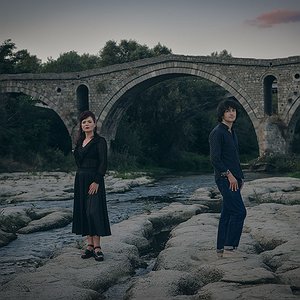
Rob Luft about Directions in Jazz
“I’m a firm believer in the age-old cliché that jazz music flourishes best in dimly-lit basements hosting informal live performances that run into the early hours of the morning!”
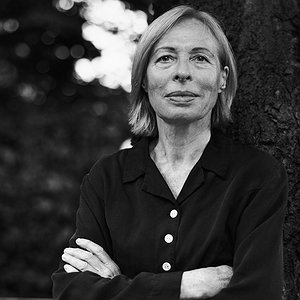
Christina Kubisch Shares her Creative Process
Christina Kubisch's work is akin to alchemy, turning “non-music” into “music” and elevating “non-sounds” to the audible realm. Materials and specific sites influence her compositions - to the point where they grow into their full state only at the place they're performed at.
Willy Rodriguez about Drums and Drumming
The most incisive moment in Willy Rodriguez' development occurred when he started to treat the drums as the fundamental shaper of time and texture. For him, percussion marks the music's pulse - which in turn connects to the artist's heart and the infinite possibilities of creative expression.
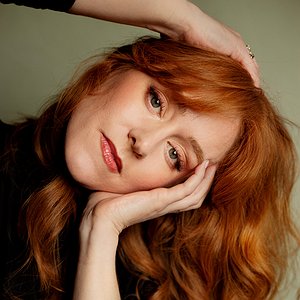
Hannah Peel about Film Music
“I prefer scores that don’t tell us how to feel, that support the narrative and characters and allows us viewers to escape without thinking about it. The composer is there and magically they are not, without anyone noticing!”
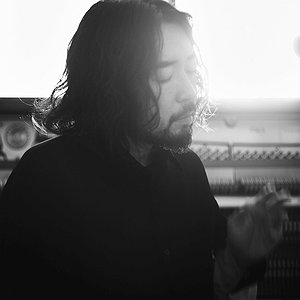
Akira Kosemura about the Magic of Sound(s)
Akira Kosemura's quiet classic Polaroid Piano is re-issued with bonus tracks and a careful remastering by Lawrence English. Fifteen years have passed, but the music - an oasis of tender, breathing, deliberately anti-glossy fantasies - is still as captivating as it was upon its first release.
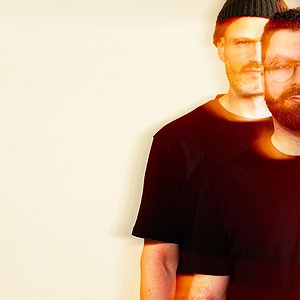
FOUK about Collaboration
The Dutch house duo had a pretty good picture of what they wanted out of their new EP. Then their collaborators inspired them to go far beyond the initial demos. Tweaking arrangements, writing new parts, integrating their contributors' elements, the music spans a bridge across styles and scenes.
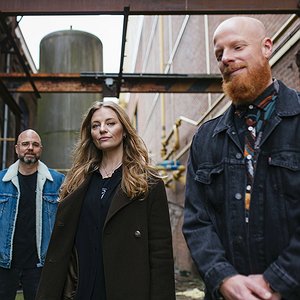
Tinlicker about Directions in Electronic Music
The trio doesn't believe in nihilism. Although “we are at a crossroads of who we want to be / become” as a species, the music on their new album was born from the simple desire to write beautiful songs and push their creativity forward – there are still plenty of things that only humans can do.
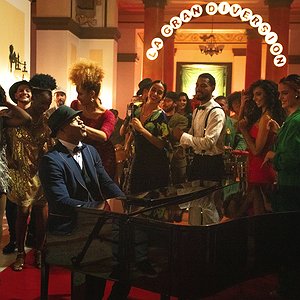
Roberto Fonseca about Directions in Jazz
“I can only learn from the past music, it makes my own expression richer.”
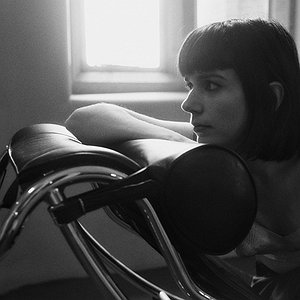
New German Cinema about Emotions in Music
Songwriting can be an act of gaining control, an uncovering of hidden patterns. For Jess Weiss's solo debut away from her dream pop trio Fear of Men, it's the exact opposite: A deep dive into contradiction and chaos, a “current of something much darker or more unstable.”
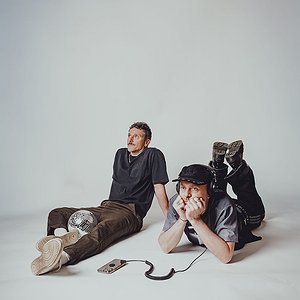
Jason Lindner about Collaboration
Jason Lindner grew up listening to metal, built a career as a jazz musician and ended up playing on David Bowie's Blackstar. His new EP with house maestro Jkriv celebrates the intoxicating feeling of submitting fully to machinal groove patterns and glistening sequencer lines.
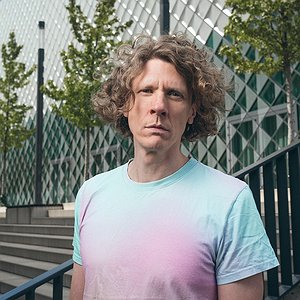
Roman Rofalski about Directions in Contemporary Composition
“You're not selling out your artistic ideas when you start thinking about how to reach people as an artist.”
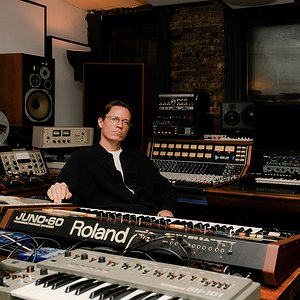
Salt Queen about Minimalism
Salt Queen's Teddy Mars knows all about the power of minimalism. But he is also aware of the potential pitfalls: If you only have a handful of ideas, you better make sure they're great. On the debut single of his new duo Salt Queen, a retrofuturistic drum machine 'n vocal jam, they sure are.
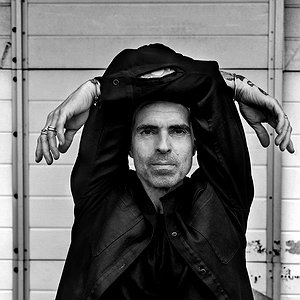
Chris Liebing about Collaboration
Don't let Anton Corbijn's grainy b/w photography or the expectedly hard-hitting nature of the music fool you. For producer Chris Liebing, making even the darkest sounds has to be fun. To fully tap into this ideal, his new album focuses entirely on collaborations – it's a solo album only in name.
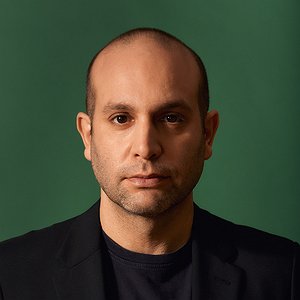
Ilan Eshkeri Shares his Creative Process
Eshkeri's latest project began with a singularity: The desire to translate the indescribable nature of the soundless cosmos into music. His audiovisual live performance Space Station Earth may well be the most ambitious composition he's ever written – and possibly the most personal one as well.
Emil Mark about Directions in Contemporary Composition
There is a cuteness to the refined compositions that Emil Mark coaxes out of a small ensemble of sampled practice-room pipe-organs. But the light - literally airy - sound of his virtual orchestra is merely an invitation to go deeper - and sink fully into these rotating cyclical patterns.
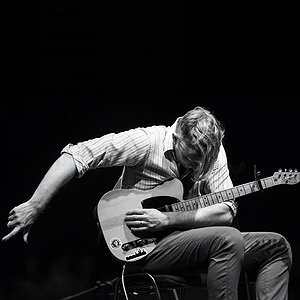
Shane Parish about Interpretation
In classical terminology, Shane Parish's Autechre renditions are hardly “historical practise.” Performed on an acoustic guitar and in an intimate setting, they're not transcriptions - but attempts to uncover something hidden, distil an essence, explode the shell around a naked feeling.
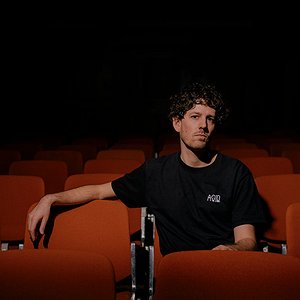
Jakob Mäder about Directions in Electronic Music
There is a neglected tradition in electronic music: Writing club music not primarily intended for the club. Jakob Mäder breathes new life into the idea with ten tracks that interrelate and interweave, leading listeners through peaks and troughs, from ambient house bliss to uplifting house euphoria.

John Blaylock about Lyrics
To the British songwriter, life is art and art is life. For a recent personal song, he was sure he'd have to get right with all the friends mentioned by their real name. After its success, things have changed: “I’m having to apologise to old friends whose names I didn’t use.”
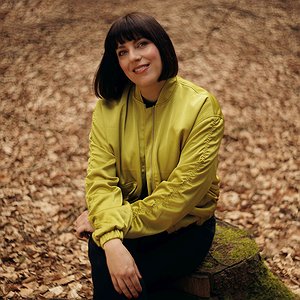
Andrea Cichecki on All Things Modular
You could spend an entire alternative lifetime within the pastoral fantasy of Andrea's current album's cover or its soft ambient sequencer spaces. If that seems too long, her contribution to modular label I u we's latest compilation condenses that vision into seven mesmerisingly cosmic minutes.

Georgia Cecile about Directions in Jazz
Cecile's ear's have tired from exposure to clinical, hyper-processed music. “I long to create something that sounds real,” she says, writing songs as a direct response to her surroundings. At the Cheltenham Jazz Festival, she'll again tie human connections live in a way that only music can.

Ireke about Production, Technology, and Creativity
The duo's warm and joyful songs feed off both global club culture and local sounds. There are no borders in their music and philosophy: The studio and the stage, physical instruments or software, machines and human creativity – all of these are equally part of their eclectic tool box.
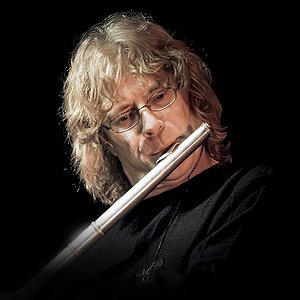
Sam Morrison & Bill Laswell about their Cosmic Trip, Electronic Jazz and Electric Miles
Sam Morrison makes a “a conscious attempt not to listen to other music in my genre to sustain originality.” You can tell. Although he started as a sidekick to Miles Davis, his latest releases explore liminal worlds between jazz and cosmic electronica – involving synths, flow, and Bill Laswell.
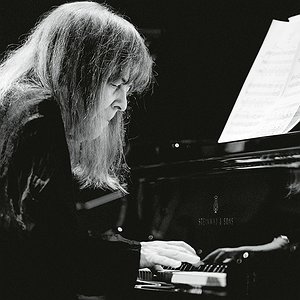
Marilyn Crispell about Improvisation
“The music takes you where you need to go,” pianist Marilyn Crispell says. Meanwhile, the intense stillness of her new ECM album with bassist Anders Jormin makes the music feel less like it's going somewhere and more like a silent dance, spinning and circling around loss, pain and consolation.
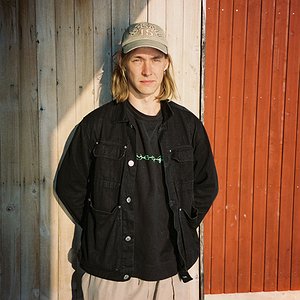
Niilas about Directions in Electronic Music
The Norwegian producer's interests are wide: His Sámi heritage, jazz, translating a painting to sound. And yet, the gravitational force of his beat-driven colour-fields is the power of communal activity. His dream: ”Flooding the world with amazing and bad ideas, shows, performances, instruments.”
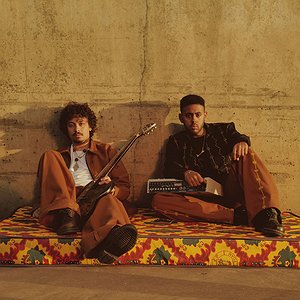
ZENA about Energy & Music
Don't just call it jazz! Based on a shared philosophy of finding the good in any take, ZENA dive deep into their Ethopian roots, their love for Marvin Gaye and the perpetually explorative pulse of their London homebase to come up with a both trippy and hip-moving fusion.
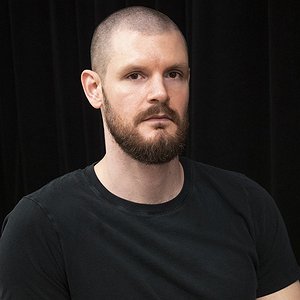
Jack Dettling about Alternative Tuning Systems
It feels almost wrong to talk to Jack Dettling in the context of their interest in alternative tuning systems. A new collection of keyboard works – meditative, mesmerising and focused - doesn't use tuning as a mere flourish – but a door to genuinely new experiences.

Aubrey Johnson about her Voice and Singing
Aubrey Johnson feels her voice has never sounded as good as it does on her new album. Maybe that's because the recording captures it with almost anachronistically natural beauty. It's the perfect fit for an artist who considers honesty her biggest goal: “Whenever I sing, I mean it.”
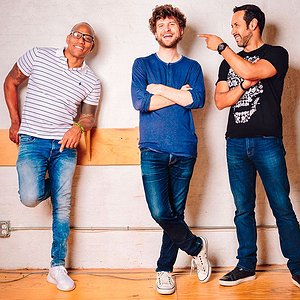
Michael League (Snarky Puppy, Elipsis) about Directions in Jazz
“It's a good thing that the art of songwriting, the art of composing, has returned to a place of of importance and prominence in the modern jazz scene.”
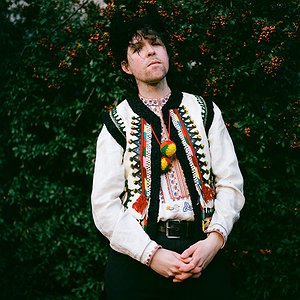
Luka Kuplowsky about Lyrics
After years spent thinking about and playing with them, Luka Kuplowsky was able to see songs, lyrics and poetry for what they really are: Categories looking to shed their categoricalness. His new album finds beauty in this contradiction and “within the tension of the spiritual and the ordinary.”
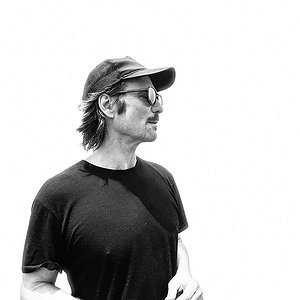
Philipp Jung about Nerd Energya and Remixing Yourself into the Present
Philipp Jung withdrew to a new home in the remote mountains to put music back where it belongs: At the centre of his life. From this rekindled passion emerged the desire to dive into the vast catalogue his label Get Physical – and use it as a tool for discovery and personal connection.
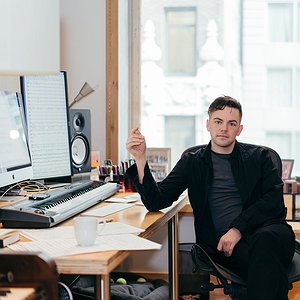
Nico Muhly about No Resting Place
In an age of constant change and quick-shifting alliances, Nico Muhly's collaboration with vocal group The Tallis Scholars has proven remarkably long-lived. A new album collects sacral compositions from a decade of working together – leading the mind inward and the gaze upward.

Jon Hester about Directions in Electronic Music
It seems trivial: without dancing, there can be no dance music. For Berlin-based producer Jon Hester, that integral connection is at the heart of his oeuvre: movement creates inspiration, muscle memory triggers sounds and directions as dancefloor, DJ and music negotiate new stories each night.
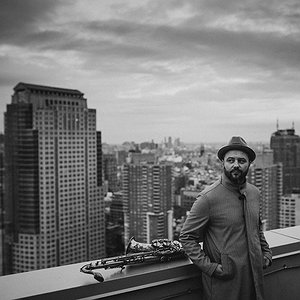
Jure Pukl Shares his Creative Process
AI is being used to emulate human creativity. On “Analog AI,” Slovenian saxophonist Jure Pukl reverses the process, writing jazz as an envisioned product of artificial intelligence. Touching on experiment, satire and beauty, the results prove that you can never take the human out of him.
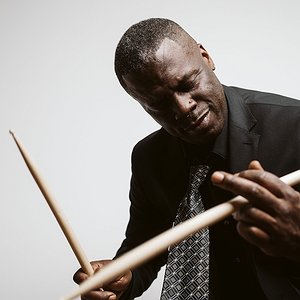
Gregory Hutchinson about the Pulse, Power and Politics of Miles Davis
For Gregory Hutchinson, Miles Davis' influence extended well beyond the trumpet, well beyond jazz – well beyond music even. On a star-studded new release, he approaches classics and rarely played tunes by Miles with a personal mission in mind: “Can we play time? Can I make you dance?”
Matthew Patton aka Those Who Walk Away about Dark Places
"I have had people tell me that they were scared and even frightened by my music. To me, that is a compliment."
Adam Pecho about Minimalism
Pecho's most recent productions are outwardly dancefloor-oriented. But they grew from his ambient work and a deep immersion in texture, mood, and states of drifting. This creates an intriguing paradox: The more of this music you strip away, the less minimal it becomes.
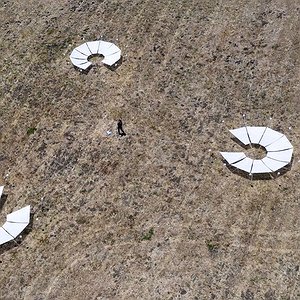
Brian House about Infrasound
Brian House thinks of infrasound as more than just sounds so low we can't hear them. Capable of communication at a distance, they represent an alternate acoustic internet. They are also “part of forces of the planet that are vast, agential, and beyond what we understand.”
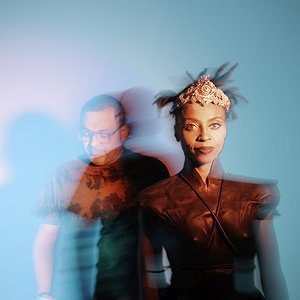
Morcheeba Share their Creative Process
“If a song has a life of its own, then it is usually because it has a strong will to live. You have to make a decision whether you actually want it to live out in the real world or not.”
Adam Fell about Montreux Miami, Exporting a Festival, and Never Saying No
Montreux has never just been a festival, it's always been an idea. Now, the Miami version has not just perfectly recreated that idea, but also found a location for it that makes artists and audiences feel like they're experiencing the Swiss original – with an open-minded, local twist.
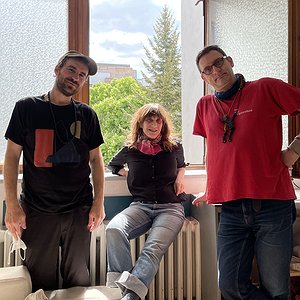
Devin Gray about Improvisation
Some refer to Devin Gray's new trio release as “free jazz.” But the real freedom lies in going beyond the codes of calcified genres. Balancing a constantly shifting electro-acoustic equilibrium, the album is an exploration of something beyond words and styles – perhaps beyond music, even.
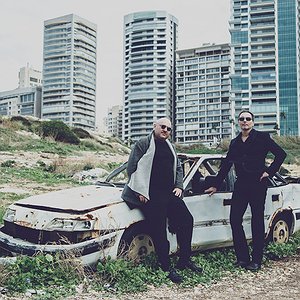
PRAED Share their Creative Process
On the duo's entrancing new LP, relentless percussion pulses and distorted drum shuffles electrify the air, while liquid Terry-Riley synthesizer sequences and melancholic string melodies seduce the mind to drift. Only one rule applies here: Never, ever the let the beat end.
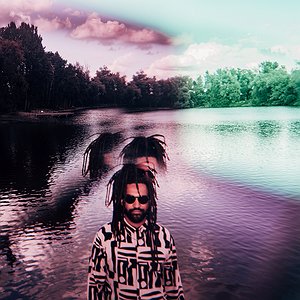
Kunde about Emotions in Music
“My music has a lot of emotional ambiguity. I find this to be a reflection of life itself. It’s so beautiful and painful at the same time.”
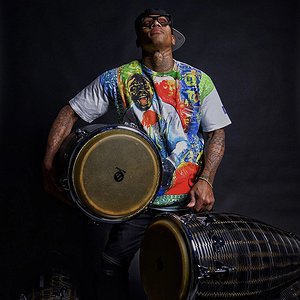
Pedrito Martinez about his Voice and Singing
“Singing helps me process emotions, connect with others, and participate in a collective cultural dialogue. It’s one of the most human forms of expression we have.”

Allexa Nava about Improvisation
Allexa Nava always felt like she had too much rather than too little to say. Although she has come closer to a more balanced approach between raw expression and careful shaping, the hunger and drive to “step outside the safety of the score” have never left her.
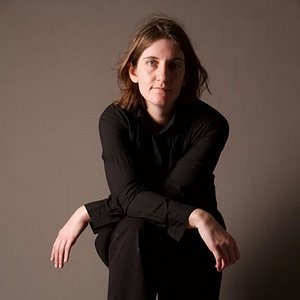
Liz Hogg Shares Her Thoughts on Some of the Greatest Lyrics
Includes songs and lyrics by Jeff Buckley, Michelle Branch, the Beach Boys, David Bowie, Neil Young and New Order.
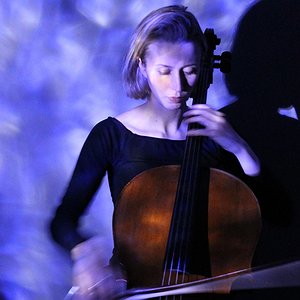
Nina Vanhoenacker about Alternative Tuning Systems
Vanhoenacker's current album takes the cello through new tunings, fresh ways of performance and explorations into aleatorics and the borderzone between composition and improvisation. One thing is clear: When she plays her instrument, it is far more than just “an unbalanced piece of wood.”

MARIA Die RUHE about her Voice and Singing
There's a story to every song. With MARIA Die RUHE's latest single, there's even more to it than that. Recorded from a place of vulnerability and mortality, her performance is a reminder to never close our eyes to eternal truths: Love is not a weakness and the river of life will keep flowing.
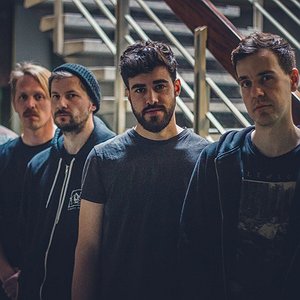
BRUECKEN about Energy & Music
The post-rock fivepiece admit they're not a happy band. Behind their new album lie dark emotions, fears about the future and a deep disappointment in humanity. And yet, the sweeping, euphoric tone of their mostly instrumental compositions reveals glimmers of hope.
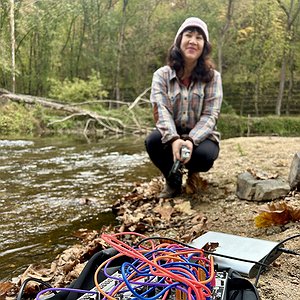
Carolyn Zaldivar aka Tangent Universes on All Things Modular
Field recording and playing the modular have something essential in common. They both treat the world and its sounds as an inexhaustible source of wonder. In Tangent Universes, these disciplines meet in a music that is reflective and expansive, familiar and mysterious all at once.
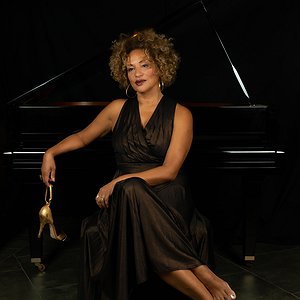
Mariana Ramos about her Voice and Singing
Mariana Ramos' acoustic songs are rooted in Creolan folk. The symphony orchestra, on the other hand, is a gargantuan apparatus. On “Sinfonico,” Ramos makes these two worlds feel as one – binding them together with nothing but her voice and absolute intention.
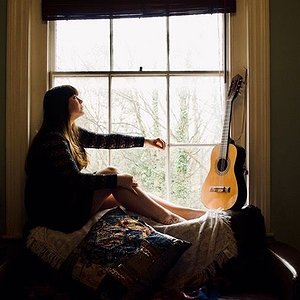
Lucy Kitchen about Lyrics
The songwriter's spellbinding new album serves as a reminder that folk music can be hypnotic and trance-inducing. Placid and floating on the surface, its sound is enriched by mellotron, strings and dreamy vocal layerings. The songs may be cast in a low light, but it's a light that never goes out.
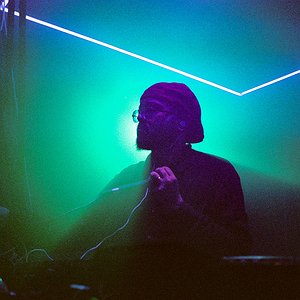
Galcher Lustwerk about Emotions in Music
“My fear is that we stop evolving as listeners, becoming sonically illiterate, and accept capitalism as the only purpose for music. A world without music for music’s sake isn’t the world I want to live in.“
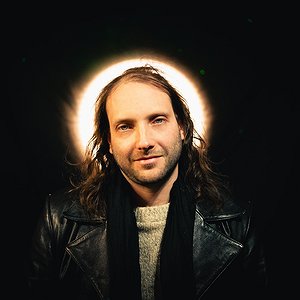
Morris Kolontyrsky (Blood Incantation, Spectral Voice) about Solos, Stillness and Shredding in Space
There is a place more remote than “Absolute Elsewhere”: The “Paradoxical Beyond,” an infiniscape folding time in on itself, a formless bubble linearly expanding and contracting with unpredictable, cyclical regularity. Bewildering and beautiful, it is home to Morris Kolontyrsky's “Origination.”
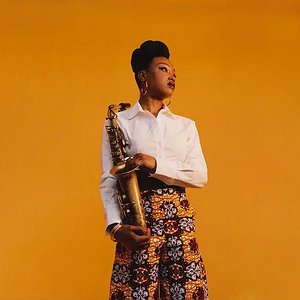
Camilla George about Directions in Jazz
When the saxophonist's debut album came out, celebrating her Nigerian heritage, “people couldn’t pronounce the names of the tracks or couldn’t understand their relevance.“ At the Cheltenham Jazz Festival, they'll be lining up to hear her live, transforming complex material into danceable anthems.
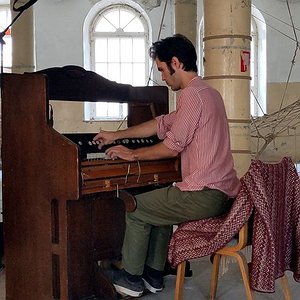
Wilson Tanner Smith Recommends Rich and Full Music, Super Coloristic Music and Music too Gorgeous to Resist
Includes albums by Alice Coltrane, Alabaster Deplume, Lia Kohl, Albert Ayler and Tomita.
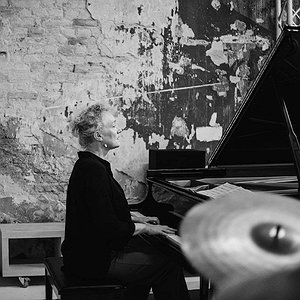
Julia Hülsmann Shares her Creative Process
For her latest project, the pianist, known for her spellbinding quartet, doubled the amount of performers. The creative potential, however, seemed to multiply by much more. Underneath a layer of beautiful songs lies a galaxy of emotional resonance – intimate, imaginative and endlessly inventive.
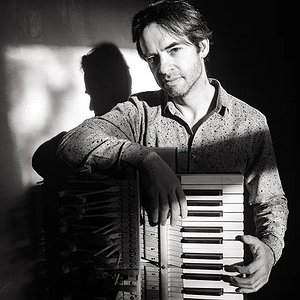
Vadim Neselovskyi about Directions in Contemporary Composition
Usually, inspiration is a mysterious phenomenon for Vadim Neselovskyi. For his new project, meanwhile, the spark was clear. Originating as a diary of the war against Ukraine, PERSEVERANTIA turned into a valve, a process, a space for coping. And as long as the violence rages on, it won't be finished.

Aañi about the Magic of Sound
Performing in and with nature, the Italian-Dutch project's performances are private rituals of gratitude and giving back. Making music, as they put it, is less an act of invention but of making audible the sonic world that surrounds us at all times, everywhere we go.
Ioa Beduneau on All Things Modular
“For me, working with cables and plugs is abstract, mental and empirical,” French multidisciplinary artist Ioa Beduneau says. That's a surprise, since his music feels tangible, emotive and magical. The extreme minimalism of the music evokes feelings of introspection – and the desire to connect.
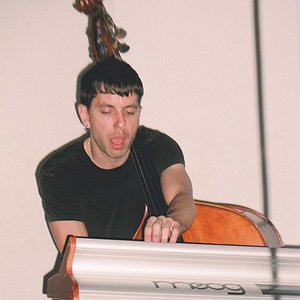
Nick Joz about Moving Beyond Modernist Conventions
For his album Hieroglyph & Stuttering, Nick Joz invited an ensemble of colleagues into the studio for improvisations that served to collect as many different sounds from them as possible - raw materials for a hallucinatory trip to the border between structure and formless infinity.
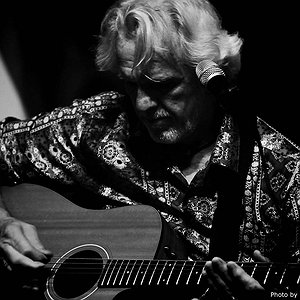
Anton Roolaart about the Songs and Lyrics of The Ballad of General Jupiter
“The preached approach now is often “release more frequently,” keep feeding the stream, keep the algorithm happy. I understand why people do it, but it can pull you away from the deeper work of building an album world.”


Rin Seo Shares her Creative Process
The composer's debut album is all about size: Its title piece alone is an ambitious tripart composition performed by a 15+-member band capturing the different moods of the Big Apple. And yet, the music feels as intimate as her ritual of a first cup of coffee prior to putting down the first note.
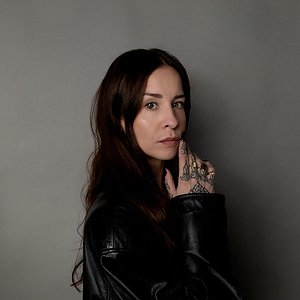
Laura van Hal about Directions in electronic music
The Dutch DJ and producer's compositional output is slim. But every track hits the spot. Van Hal's perspective is community-oriented and driven by a deep love for the roots of electronic music. Her trajectory may by now have become global but, as this interview proves, her heart is still local.
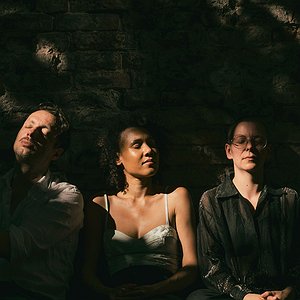
Yamirah’s Solar Explorers about Directions in Jazz
On the debut album of her new trio, Yamirah Gercke's guitar sounds like it's bathing in light. Luxuriously drenched in gorgeous reverb and placed prominently upfront in the mix, it's more than just beautiful - it's a voice of calm and wisdom in a world shaken by chaos and madness.
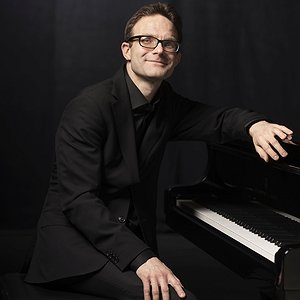
Jonas Olsson about Interpretation
“Every artist needs to continuously question their own habits and prejudices. Which parts of whatever artistic tradition are actually valuable, and which are just accumulations of bad habits?”

Inox Traxx about Emotions in Music
Techno started out as a manifestation of the machine soul. In the music of Inox Traxx, that machine is now beginning to speak: Echoes of voices – torn, deformed, and in search of a body – float through darkly lit corridors, as barebone beats pound themselves into a delirious trance.
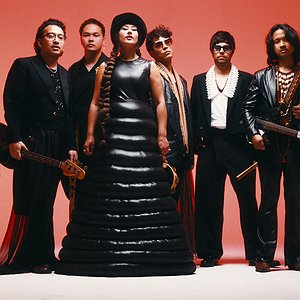
Nusantara Beat Share their Creative Process
Initially, the sixpiece's debut album was to contain several cover versions. In the end, the band went all-in on their own material. Fusing percussive grooves with improvised jams and Indonesian folk, it's hard to imagine how this psychedelic flowstate could ever have turned out differently.
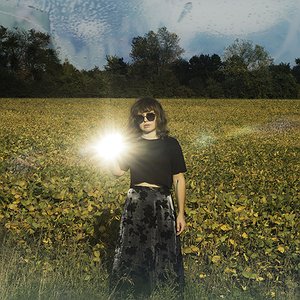
Blue Tomorrows about the Magic of Sound(s)
For her new collection of whispered watercolor-songs Sarah Nienaber took the term “recording in the box” literally. It was only inside a tiny, sound-proofed and air-tight room that she found the solitude and isolation required to place these dreamy pieces in the right ambient light.
JL Segel on All Things Modular
“Modular systems are linked to ritual. You have to enter an intentional and spiritual space of creation.”
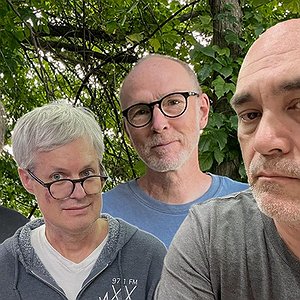
Pullman Share their Creative Process
The story to Pullman's third album reads like a melancholic novel: Twenty years after their last release and sparked by terminal illness, five friends get together again to record music one last time. The result is a bittersweet soundtrack to the beauty of memories and the brutality of time.
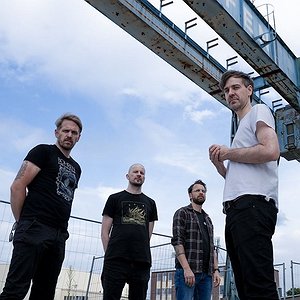
BRUECKEN Recommend Music between Distortion and Chaos, Despair and Beauty
Includes albums by Cult of Luna, Mogwai, The Quiet Lamb, and Envy

Thadz and Slugo about Directions in Electronic Music
For outsiders, Chicago footwork can seem the stuff of historical essays, caught in a retro loop of tired cliches. In reality, as two fresh and sparkling new releases by Thadz and Slugo prove, the scene couldn't be more vital – celebrating its roots while pushing towards the future.
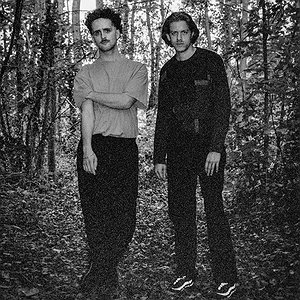
schntzl about Trance-Inspirations, Hyper-Visuality and Fata Morgana
Just like Taylor Swift works in eras, Belgian duo schntzl create new worlds for each project. After the playful improvisations of their previous release, their latest full-length was inspired by the emotional anthems of Belgian Trance – and the challenge of riding a “bicycle with an oval wheel.”
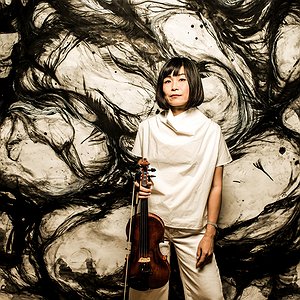
Tomoko Omura Shares her Creative Process
There's a naked brutality to the explosion of a Nuclear bomb that remains hard to grasp – and even harder for Hollywood to depict. For her new project of chamber jazz, violinist-composer Tomoko Omura didn't just research the history of these weapons but faced their horror face-on.
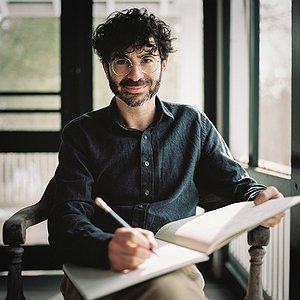
Michael Stephen Brown about Directions in Contemporary Composition
The New York composer doesn't feel any pressure to write for the future. Maybe that's why the sensual chamber pieces of his new album feel so uniquely anchored in the present. It is a music of intimate confessions and small gestures that coalesce into something profound and meaningful.
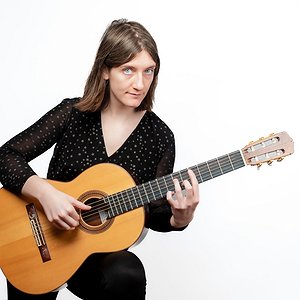
Liz Hogg Shares her Creative Process
6 years after a stunning collection of classical guitar pieces, the NY artist returns with a suite of outwardly straight-forward songs. Drawing from a vast pool of ideas, it feels surprisingly seamless, as motoric-in-spirit drums and heavenly vocal arrangements combine to create a sweet trance.
Myra about Directions in Electronic Music
“Techno is much more than just music,” Myra says. He work is living proof of that philosophy. Her latest track, a hypnotic sequencer ritual, is part of a compilation celebrating leading Amsterdam venue RADION and clubs in general as nodes of counterculture: “Dancing will always be political!”
Jon Porras (Barn Owl) about the Magic of Sound(s)
“Our visual world is overflowing with images that are just impressions. Perhaps there are social conflicts that persist because we collectively react to signals when we should be listening to stories.”
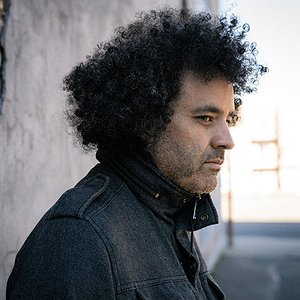
Carlos Giffoni Shares his Creative Process
Giffoni's hypnotic sound art isn't born on a grid, it follows an inner timeline. His new album collapses space for a collection of global collaborations. Exclusively containing contributions by colleagues with a distinct voice, the result turned out remarkably seamless.
PSTMRD on All Things Modular
“Working with cables and connections teaches you to accept uncertainty and changes how you perceive structure and time.”

Dory Hayley about Interpretation
Dory Hayley's take on Morton Feldman's “Three Voices” follows in the footsteps of iconic performers and classic recordings. And yet, it manages to add a new immersive depth to the piece – testimony to her creed that every performance unavoidably expresses a personal truth.
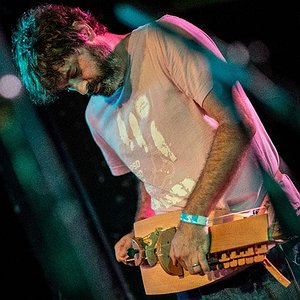
Geologist about the Magic of Sound(s)
The new album by the Animal Collective member is asking for cigarettes. As it turns out, it's a homologue for his melancholic collage music: Turning something tangible into smoke, watching it draw shapes in the air before dissolving, leaving the mind altert and a bittersweet taste on the tongue.
Annabelle Chairlegs Shares her Creative Process
The songs of Annabelle Chairlegs are populated by real-life people going through everyday things. And yet, the experience is intense, meaningful and beguiling in a broken way. Playful riffs, vulnerable arrangements, a voice oscillating between charm and pain – it's all about intention.
Kiyan Foroughi about Production, Technology, and Creativity
“The limitation is the art. It creates a universe and feelings around them. Constraints create meaning.”
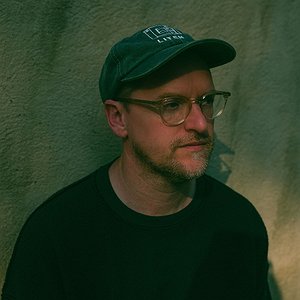
SOHN Shares his Creative Process
The British composer-producer wasn't sure his new album was on the right track. Then he discovered he'd already finished it. Aiming for songs, his subconscious had led him in another direction – towards mysterious semblances, sequencer infinity, and heartbreaking ambient endlessness.
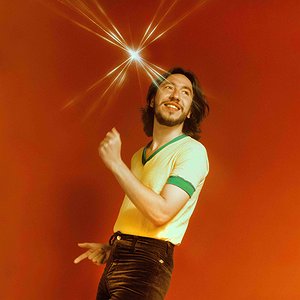
Diogo Strausz about Emotions in Music
"Aesthetics matter a lot. Imagine if Van Gogh's paintings were black and white."
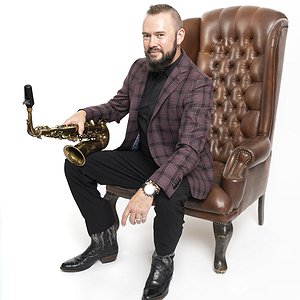
Wes Smith about the Magic of Sound(s)
When he's not touring with Booker T, the Los Angeles saxophonist contributes to projects by the likes of Pharrell Williams, and Robin Thicke. But only now was he able to put together the band of his dreams – for an EP so warm, funky and soulful that you'd wish you'd never wake up from it.
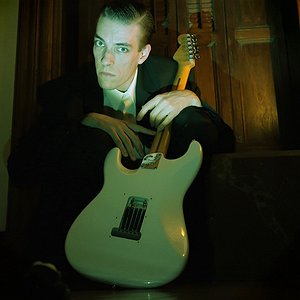
Xol Meissner about his Voice and Singing
There are plenty “disembodied” or “ghostly” voices. Xol Meissner's, however, sounds as though it were conversely re-embodied after spending time between this world and another, like a ghost slipping back into a physical shell. Singing saved Xol Meissner. Maybe his music can save you, too.
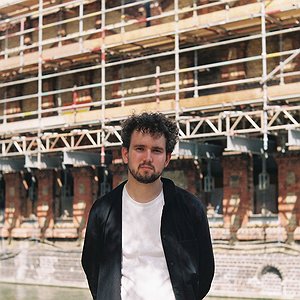
Patrick Ellis about Directions in Contemporary Composition
“Music is all about creating, sharing ideas, and connecting with each other. If we take that away from the equation, then it is merely a digital product.”
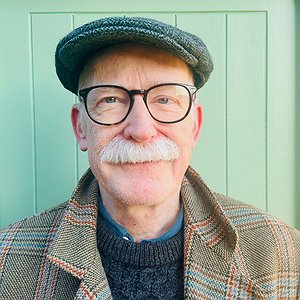
Patrick Fitzgerald aka Stephen Hero Shares his Creative Process
Patrick Fitzgerald has literally written hundreds of songs, many of them gorgeous, many of them filled with poetic observations. What makes him pick one chord over another, follow this theme while dropping that one, what makes lyrics either beautiful or banal? If only he knew.
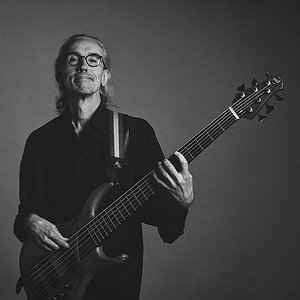
Björn Meyer Shares his Creative Process
Listening to Meyer play his bass is like looking deep into his eyes – an intimate connection wordlessly bridging the divide between sender and receiver. Locking into tactile patterns, then again feeling its way through dreams of baroque beauty, his new ECM album creates a space of deep resonance.
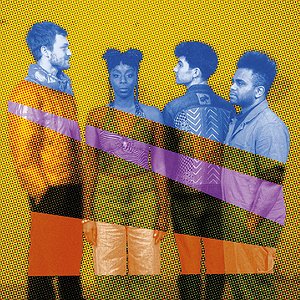
Sera Kalo about Lyrics
“Poetry can break your heart. But music can break your heart and rearrange your nervous system.”
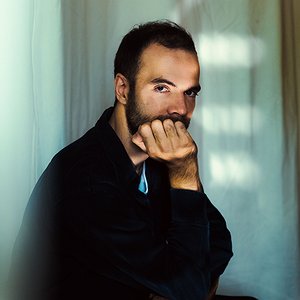
Maximilian Hering about Drums and Drumming
Yes, there are drum solos on Maximilian Hering's “The Gathering.” But so are soulful flute lines and tender reed harmonies; and for every bar of relentless swing there is a corresponding moment of inward-looking stillness. It isn't virtuosity that drives these jazz pieces – but the rhythm of life.
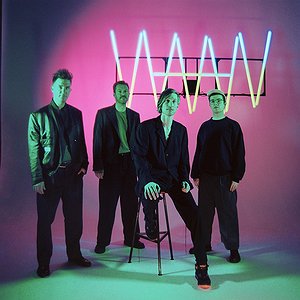
Waan about Directions in Jazz
Waan's debut was one of my favourite jazz-adjacent LPs of the past years. Their new one looks set to keep me happy for another few. Drawing from the band's live performances, “We Want WAAN” leans towards pulsation, ecstasy, trance – and the simple pleasure of getting lost in the groove.
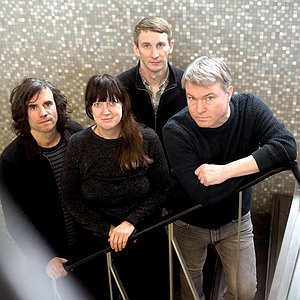
Morning Stars about Collaboration
When drummer Sebastian Vogel hit the big 5, his friends treated him to a special birthday present: A band. As befits a gift, Morning Stars are about friendship and fun. Songs are loose and filled with gorgeous vocal harmonies – while spinning out into epic arrangements with dervish-like motorics.
Miska Lamberg about the Magic of Sounds
Miska Lamberg's “Evening, window” is a gentle obduction into a different world: Melodies drift by like clouds, harmonies bleed into field recordings, cycles loop until they no longer have a beginning or an end. Images disappear until there's nothing left but an ear drifting in an ocean of sound.
Antonio Sánchez about Drums & Drumming
There is a rhythm to everything: our breath and our speech, our laughter and our cries, to the way we walk and the way we think. And so, drumming, for Antonio Sánchez is more than playing the drums - or maybe playing the drums, just the life it draws from, is ultimately about everything as well.
Angie Perera about Lyrics
Angie Perera's new single is as sweet and celebratory as her previous ones. But the African touch of the beats and the beauty of the lyrics sung in what she describes as imperfect Chichewa reveal this as something different and special – a tribute to her home of Malawi, a declaration of love.
Delaney Bailey about her Voice and Singing
Life is a struggle, life is unpredictable, life can get messy. So why should music pretend otherwise? Delaney Bailey's songs are odes to imperfection, arrows released with love but dipped in the bitter truth. Being this open can be painful – but it's where the healing begins.

Emile Martinez about Directions in Jazz
“Jazz came from people who had very little and created something world-changing. That’s the part that always hits me: the personal and collective sacrifices it took to keep this music alive, to pass it down, and to evolve it.”
Chaton Laveur about Kraut & Krautrock
Belgian duo Chaton Laveur are almost closer to the original Kraut spirit than some of the originators. Their songs weave melancholic dream pop moods around motorik groove patterns and psychedelic sound worlds – adding their own little star to a galaxy of wondrous constellations.
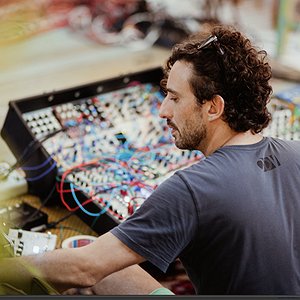
César Merveille about Directions in Electronic Music
Few enjoy being questioned. César Merveille actively seeks it out. “Community teaches you there isn’t just one way to make music,” he stresses, “There are infinite paths.” His new EP is a particularly lovely one – slightest variations in lush, hypnotic loops leading to a place of cosmic bliss.
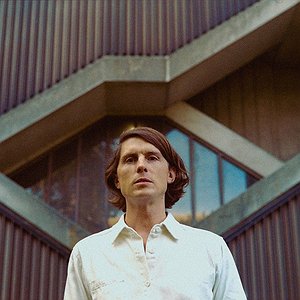
Erik Hall about Interpretation
Hall's unique and moving interpretations are explorations of score and performer alike. He can be 18 musicians at once for Steve Reich, an intimate keyboard-trio for Simeon ten Holt, a human synthesizer for Laurie Spiegel. It's not a question of rules or faith - it's a question of love.

İlhan Erşahin Shares his Creative Process
Every project has a color for the Swedish-Turkish polyhyphenate. And so it is with the new full-length of his band The Istanbul Sessions - which shines with the red of passion, the blue of an open sky, the green of rolling grooves and the bright yellow of a sun setting over a world without borders.

TheARTI$T about Directions in R&B
After a lengthy absence from the headlines, R&B is finally in the spotlight again. For singer-songwriter TheARTI$T, however, this is not a comeback. As her delectably warm and comforting music proves, a music as timeless as this is always in season.

Arnau Obiols about Directions in Electronic Music
Krautrock was the gateway into electronic music for the Barcelona-based performer-producer. It continues to influence his work which spans a spectrum from psychedelic folk via drifty dub to house-driven spiritual jazz. It's not about being eclectic – it all slots together if you just let go.
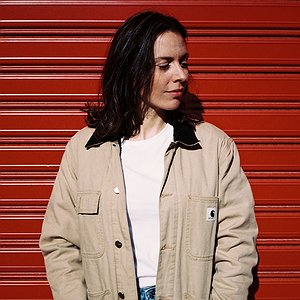
Marina Trench about Directions in Electronic Music
The French producer sees art as a tool for a deeper understanding of ourselves, furthering dialogue with others and advancing freedom. The current obsession with technology and “rational” logic is leading us away from what really matters: “Sensibility and how it is interpreted.”
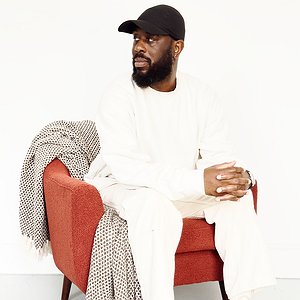
Tesfa Williams about Emotions in Music
“Music has the power to shift people emotionally. When you shift emotion, you can shift perspective.”
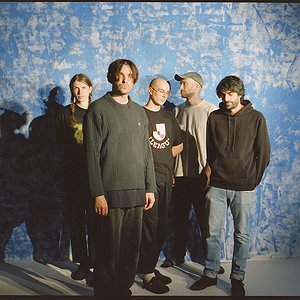
Ulrika Spacek Share their Creative Process
For their upcoming fourth album, the band spent a year writing new music, then another one shaping it. Occasionally embracing chaos full-on, the resulting pieces playfully twist the song format, blurring the boundaries between a live band and its electronically re-assembled ghost.
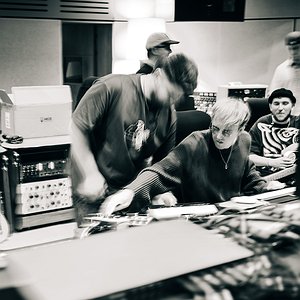
OMA about Directions in Hip Hop
Sampling remains an important aspect of hip hop culture. But who is going to provide the material for future generations to sample once the well has run dry? OMA are stepping up to the challenge with dark, soulful instrumentals that feed from free-flowing improv and real time interaction.
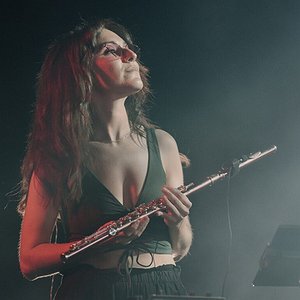
Erica Tucceri about her Path to Jazz and the Melbourne Jazz Scene
The way the Australian flutist describes her hometown makes it seem like the best place for record digging and seeing inventive musicians tap into creative energy stream each night. Still, her own music – dreamy, floating, ethereal - takes listeners to even more beautiful places.
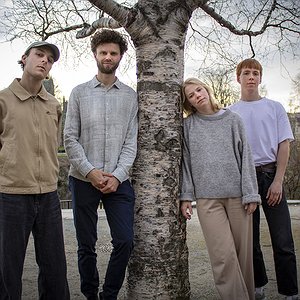
Alex Ventling about Improvisation
“I would go as far to say that the initial idea doesn’t even matter compared to the transformation of it.”

Diogo Piçarra about his Voice and Singing
Piçarra's electronically charged future-rock has global appeal. But it could never be decoupled from his Portuguese roots. His love for music is based on his belief in its fundamental role: “Music is the most rudimentary and ancestral form of culture, a symbol of our prehistoric intelligence.”
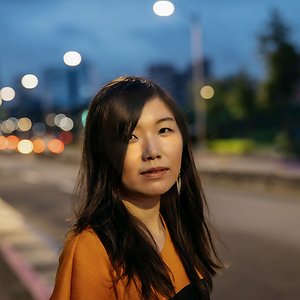
Yuhan Su about Directions in Jazz
Yuhan Su's music is mysterious and magical, a smouldering stream of questions. “I’m always stimulated by things slightly out of balance and out of the ordinary,” she explains, “I play around gravity in music.” And yet, her genuinely exciting new path in jazz always has both feet on the ground.
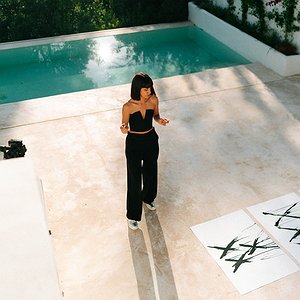
Janina about DJing
“Music and dancing are like yin and yang, or day and night — one can’t exist without the other.“
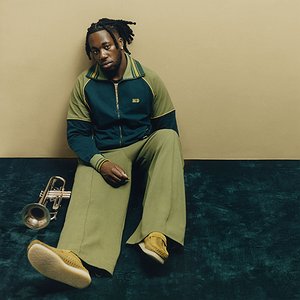
Ife Ogunjobi Shares his Creative Process
We should be more like children, the Nigerian trumpet player feels: Fearless, carefree, confident in who we are. His new EP of delightfully sweet, deep and uplifting soul jazz expresses his own desire to enter this state and to keep creating without doubt, intellectual analysis and boundaries.

Victoria Pham aka VP about the Magic of Sound(s)
Music is a realm of pure imagination. What, the mesmerisingly utopian work of Victoria Pham seems to ask, if we used that power to rebuild music itself from the inside – extending, through that process, the limitations of what is imaginable in the first place?
Mark Harwood Shares his Creative Process
Chance is a friend for Mark Harwood. And yet, his two simultaneously published new albums are carefully sculpted - following a psychedelic trail of crumbs through a magical forest of kraut and soft noise towards a mesmerising conclusion.

Louis Matute about Directions in Jazz
The Swiss guitarist sees music as a different path for dealing with the topics of our time. The warm sound and elevating grooves of his new album are his personal way of processing anger, building bridges and transforming despair into hope.
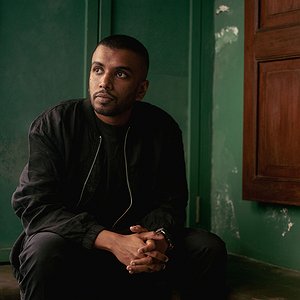
Nate08 about Emotions in Music
For Nathan Thomas, the job of a producer is to step out of the music's way. The challenge to give his soulful garage-house anthems the shine they need without compromising their soul: “A bit of refining helps - but I try not to polish the life out of them.”
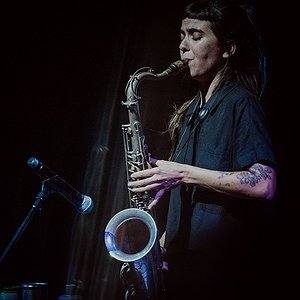
Camila Nebbia about Improvisation
What is music? Controlled chaos, directed dreaming - or hypermania, as Camila Nebbia's new trio with Gonçalo Almeida and Sylvain Darrifourq describe it: A state of low-level mania, a stream equally capable of exploding into bursts of noisy free jazz and withdrawing into sculpted ambiance.
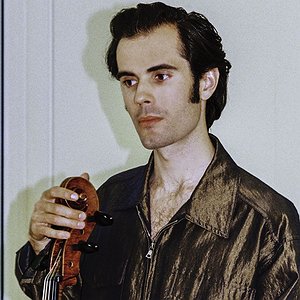
Wilson Tanner Smith about the Magic of Sound(s)
The word “meditative” is sure to come up in relation to the work of Wilson Tanner Smith. But if anything, pieces like 22-minute drone-zone "Palace of Culture" remind us that meditation is not about stealing us away from reality – but making us more aware of it.

Anton Roolaart about Lyrics
Words can be an obstacle to enlightenment. For Anton Roolaart, however, as for the great Zen masters, the right lyrics bridge the divide between literal meaning and the truth hidden behind it. The doors don't have to be cleansed – just say the word and enter the infinite.