Published
Part 1
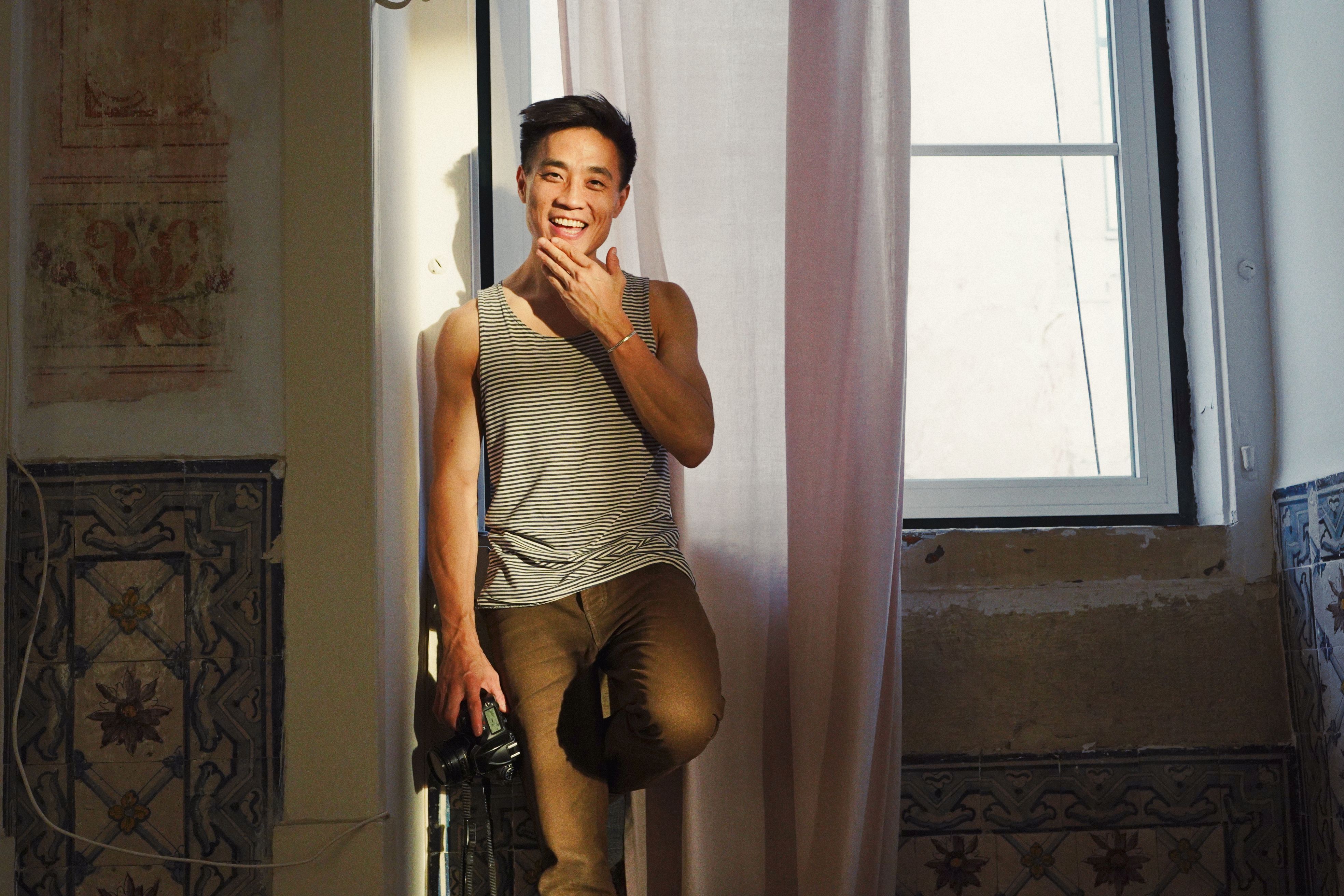
Name: Eric Pan
Nationality: Taiwanese-American
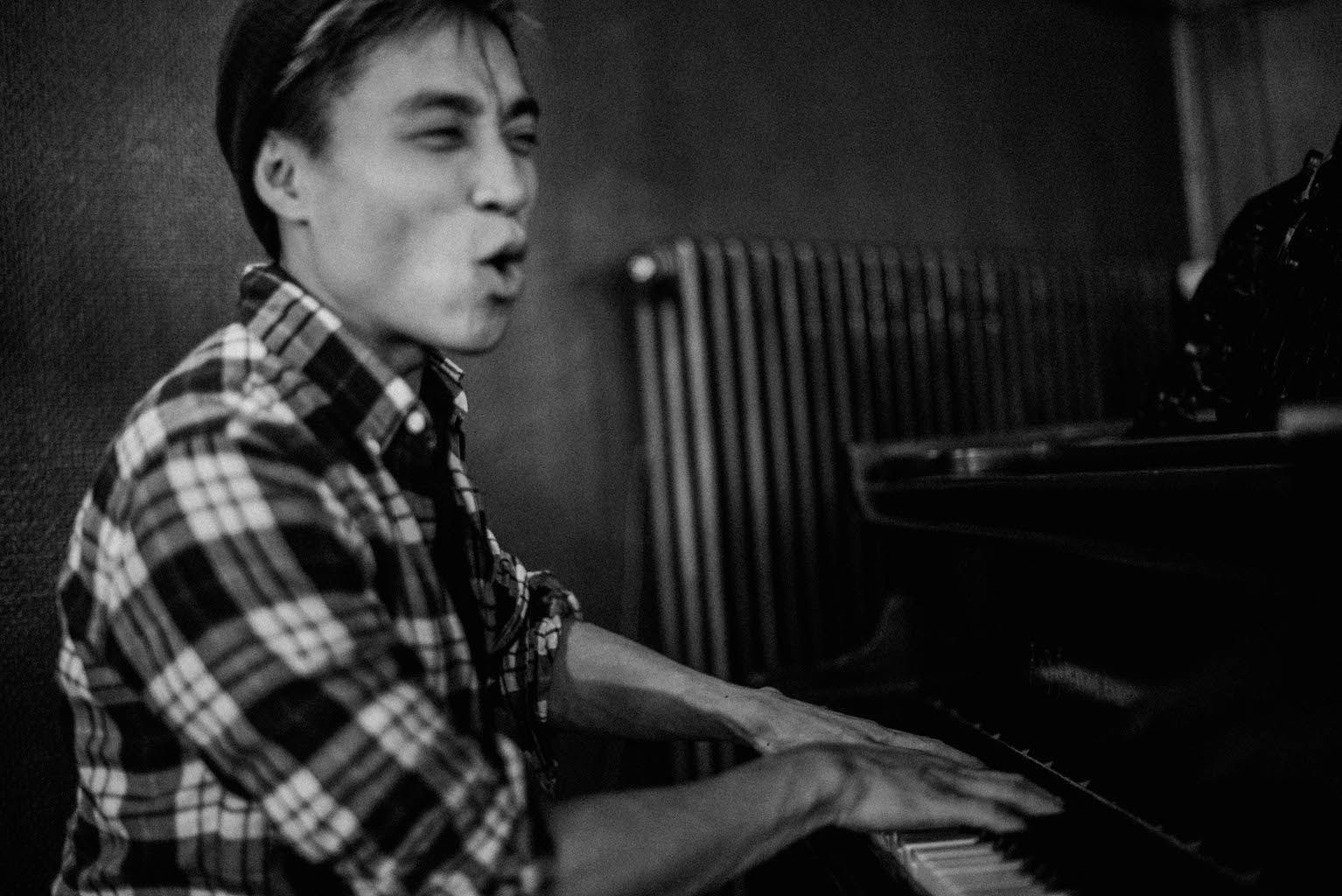
Occupation: Pianist, composer, improviser
Current release: Eric Pan's epic three-part Travel Poems cycle comes to a close with the release of its latest instalment, There is no path back. The album features Nir Sabag (drums), and Hugo Reydet (bass). Order it directly from Eric's bandcamp store.
Recommendations: John Coltrane’s “After the Rain” kills me without fail.
This year I read A Return to Love by Marianne Williamson and it upgraded everything about life, two levels, instantly.
If you enjoyed this Eric Pan interview and would like to know more about his music, visit his official homepage. He is also on Instagram, and Facebook.
Do you think that some of your earliest musical experiences planted a seed for your interest in improvisation?
In Taiwan I first grew up with my grandma, who taught piano and dance and won awards every year for her choreography adapting traditional folk songs for stage. (She just published a book about all that and I learned last year she’s indigenous Hakka!)
I don’t remember much from those four years before moving to Arizona, but maybe a seed got planted, because when I started playing piano two years later I was already drawn to improvisation.
When did you first consciously start getting interested in musical improvisation? Which artists, teachers, albums or performances involving prominent use of improvisation captured your imagination in the beginning?
In 4th grade, I got in front of class and boasted: “Do you guys know there’s a whole 2nd Movement to Chopsticks?”
All the other kids were just waiting to be let out of school, chillin indoors, away from the desert heat. It was totally uncalled for, my outburst. So of course one kid answers, “Oh yeah? Can you play it?” I walked to the classroom piano, played Chopsticks, then improvised a longer section based on it. Somehow, I made it all the way through, the room erupted in applause, and I was as shocked as anyone else. It was a scene from a movie.
How did a shy second-year piano student access that bluster? I’m still trying to get back to it now! I think I peaked when I was 8 years old. But that was the first time I improvised for a crowd; before that, all I remember is learning the Zelda theme by ear, playing around with the chord progression.
Tell me about your instrument and/or tools, please. What made you seek it out, what makes it “your” instrument, and what are some of the most important aspects of playing it?
The relationship keeps transforming. Discovering the piano was pure joy and curiosity. Then it became more academic, a classical-music phase marked by schlepping to recitals and competitions. In middle school I quit lessons, but continued a personal relationship with the instrument, seeking out music I loved, still figuring out stuff by ear. George Winston, Phil Collins, Paul Simon.
The game changed in college when I was introduced to jazz. My affinity for rhythms — Debussy’s First Arabesque (all those low-key metric modulations!), Chopin’s Etudes, Opus 10, Nos. 4 and 12 (Arrau’s interpretations frustrated me endlessly, how they slacked from their ordained rhythmic purpose!) — could now blossom towards exciting frontiers.
I was hooked for life.
Looking back I was always obsessed with rhythm, especially after discovering Oscar Peterson and going deeper with Erroll Garner — continuing through until now. It’s the African polyrhythmic source that transfixes me most, and in recent years I’ve started to redefine the piano for myself as primarily a percussive instrument.
Freedom is the most crucial aspect of music-making — I think playing piano exemplifies this truth. That’s because the piano is a gift of impossible riches unfolding along multiple dimensions all at the same time.
It feels weird to say, as if I’m doing a “Chopsticks brag”, but the way that I’m currently improvising and composing is leading to types of music I’ve never heard in the world before. I’m like a dog on a surfboard. There’s so much of it — new eureka moments each week — from what feels like vast, unexplored territory, and I can’t take it all in.
What I’m getting at is, I think about improvisation and freedom a lot. And the need for constraints, for example with counterpoint, or bebop. My current phase is basically trying to deal with this situation.
A few years ago, I started playing totally improvised concerts. The challenge is to be boundlessly free while speaking languages I’ve only just discovered. These two goals are in direct opposition, because the constraints keep getting redrawn as I keep finding new material!
I could go on forever. I’m gearing up to record an album of these perspectives, so I have to balance pragmatism with being crazy excited. I’ve started showing snapshots of it in my newsletter since I do want to share what’s going on, but only with people who care.
How would you describe your own relationship with your instrument – is it an extension of your self/body, a partner and companion, a creative catalyst, a challenge to be overcome, something else entirely?
All of these, depending on the moment. The goal is always transparency: to play what I hear and feel, what the music asks for.
Derek Bailey defined improvising as the search for material which is endlessly transformable. What kind of materials have turned to be particularly transformable and stimulating for you?
That’s a really fun perspective. For me it seems like polyrhythms and displacement are an eternal spring; I can’t imagine exhausting all the ideas awaiting discovery there.
And I think of your question in terms of process. For example, what improvisations arrive when I first sit down to the piano on different mornings? So then the “generator” for endless material and transformation feel like the actual act of approaching the instrument (plus the context of life changing day to day, dreams, the morning weather…)
Because what material is found, then experimented with, is totally dependent on situation. A couple years ago I went to a friend’s birthday party in a basement art space, and found a hidden, empty concrete room with a piano in it, serious church-bunker reverb going on, almost pitch-black. I ended up playing new ideas for over an hour — I don’t think I could have discovered those elsewhere.
Do you feel as though there are at least elements of composition and improvisation which are entirely unique to each? Based on your own work or maybe performances or recordings by other artists, do you feel that there are results which could only have happened through one of them?
Absolutely, and I’d go to the extreme on this. Meaning: every element of composition and improv is unique to each person. If the choices (of notes or feel) in someone’s music are close to what someone else already expressed, it’s not really composition or improv.
That’s not to discount the value of covering a song or jazz standard, because there is always value in creating music, especially live. But I’m interested in what a human being can channel from their own unique perspective.
When you're improvising, does it actually feel like you're inventing something on the spot – or are you inventively re-arranging patterns from preparations, practise or previous performances? What balance is there between forgetting and remembering in your work?
Ideally 100% invented: I want to be surprising myself all the time. The disclaimer is that familiar elements will always surface, even just in feel if not notes or phrasing, because music is magic and it is also communication and vernacular.
Forgetting versus remembering is a dear topic. I’ve been recording practice time for over 10 years, so reviewing old recordings can be really trippy. It’s fun to reconnect with material I’ve long forgotten. I’m still reviewing files from 2016.
On the other hand, there are melodies that I’m still humming from the earliest days — which can be a compass pointing at what really speaks to me, or a persistent source of annoyance, if I think the melody is stupid and still getting stupider.