Part 1
Name: KosmoSuna
Members: Alexis Daumerie, Lucien Daumerie
Interviewee: Alexis Daumerie
Nationality: French
Occupation: Singer, Songwriter, Composer, producer
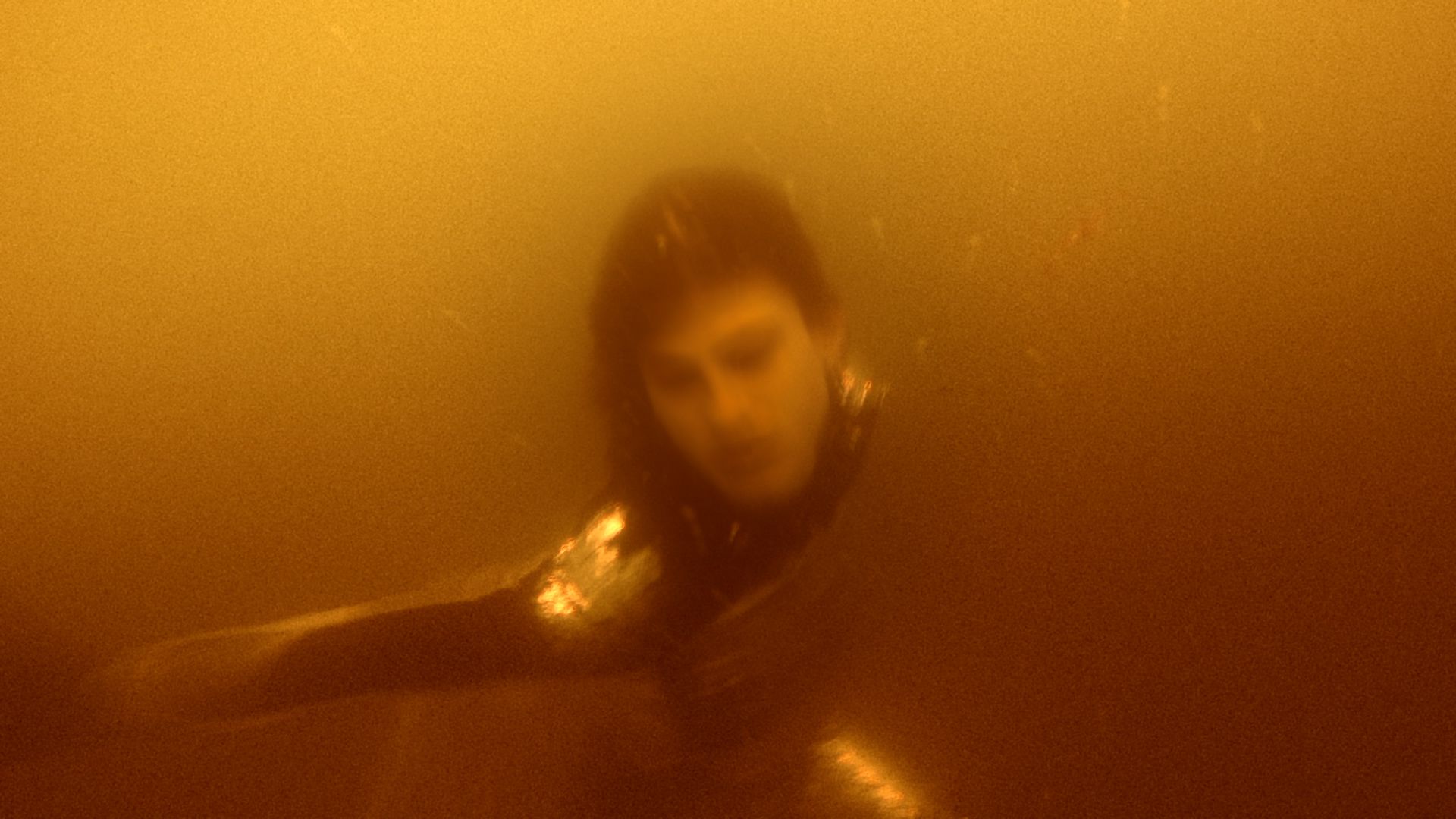
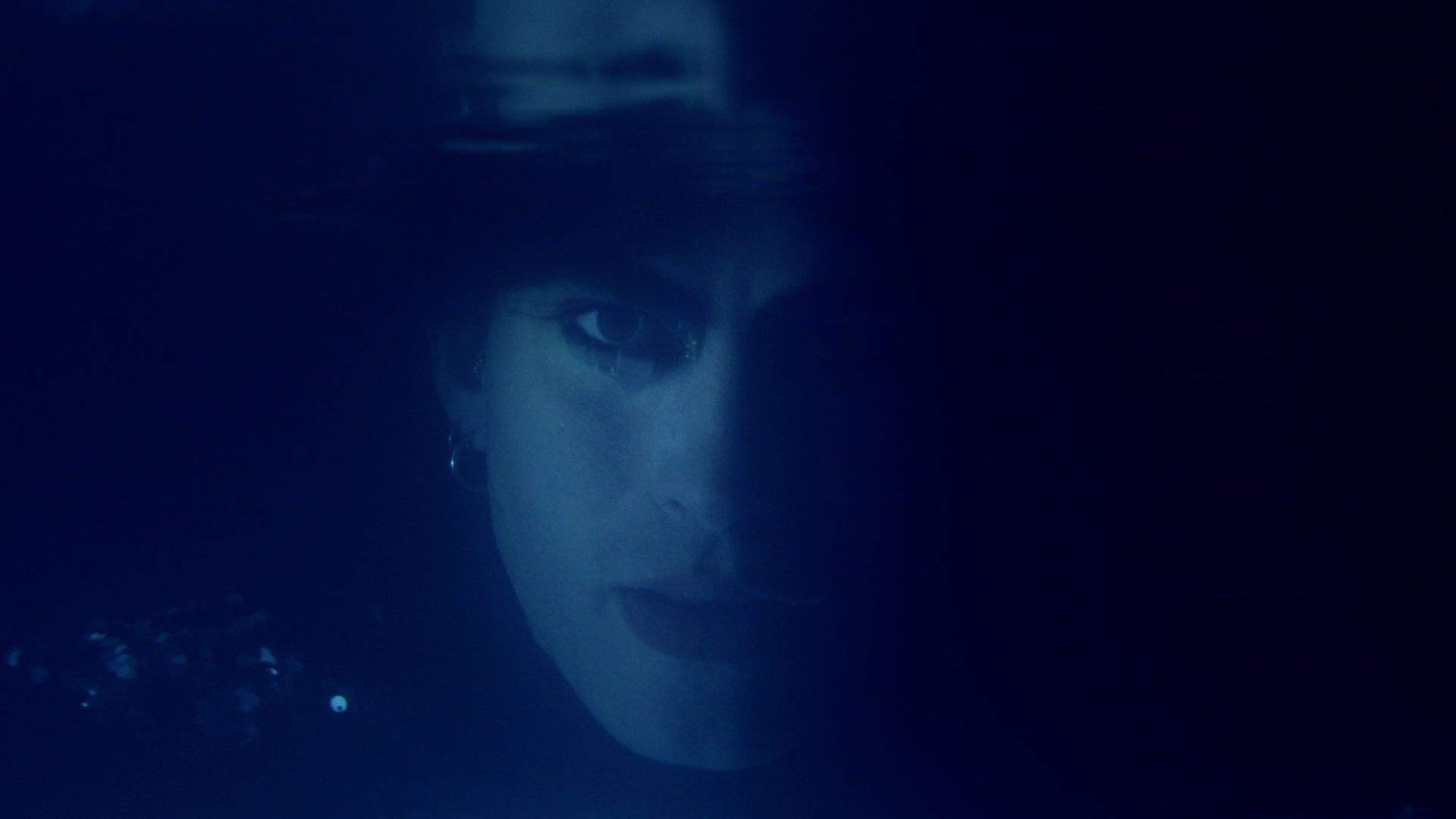
Current release: KosmoSuna's music video of the track ‘Only The Sea’ is out now. It is taken from their latest EP Forbidden Garden.
Recommendations: A book: Before Nights Falls by Reinaldo Arenas. This book left a strong mark on me. My dear friend Maud Leroy gave it to me; I think it subconsciously shaped my beliefs like a knife, but sharp with love—the necessity of fighting and the hope you can find in it. I found a strong resonance as the young queer I was back then. I also read it in my twenties, and I still think of it.
A piece of music : The album Halim by Natacha Atlas. Amazing piece, she's one of the most powerful singers I know. There are, of course, many other pieces I want to share, but this one is so eclectic and free.
If you enjoyed this KosmoSuna interview and would like to know more, visit the band on Instagram, Facebook, Soundcloud, and bandcamp.
Cover artwork by Andrew Mania and Amy Gough
When I listen to music, I see shapes, objects and colors. What happens in your body when you're listening? Do you listen with your eyes open or closed?
Oh wow, it must be great to be in your shoes.
To me it's a really moving feeling, I listen to music everywhere, all the time, eyes shut or wide open. And so I feel it has become a part of me, completely. It helps me wake up, move, cry, dance, cook and so on.
When I'm making my own music, my main instrument is my voice, so it's completely connected to my whole body. I've learned how to be the most connected to it and still do.
There is also an extension beyond the sounds because sometimes it becomes images, like music videos, lights on stage or costumes. During those moments I definitely have ideas of how I want them to be, but it usually comes with sharing thoughts with Lucien or with other artists or friends and their own visions. Then we create together; in the end, that's all that matters.
Entering/creating new worlds through music has always exerted a strong pull on me. What do you think you are drawn to most when it comes to listening to and creating music?
I think what draws me the most when I listen or create music is, first of all, that I feel something. It needs to move me, turn me into tears or extreme joy or make me want to dance, I just need to feel. So, when I create music, it’s the same process, if I don’t feel anything I try to go deeper, and sometimes it doesn’t work and I just move on.
Secondly, if I want to listen deeply or create, I love diving into what we don't necessarily hear in the first place: all the underworld, the small details, the background vocals. Everything is so important in the skeleton of a track.
But there are no rules, I also learned recently in our latest compositions to not put too much attention on detail. It's not easy, but I love that too.
According to scientific studies, we make our deepest and most incisive musical experiences between the ages of 13-16. What did music mean to you at that age and what’s changed since then?
Oh I didn't know that, it resonates and makes perfect sense today in my life!
It was a really tough time for me. I was so sad and pissed off at many things back then, and didn't really get why I had to be locked all week in a school, and except one or two teachers who I felt connected with, the system of education in France seems too fucked up for me or just not made for me, or I also had a huge teenager crisis. So much crap happened, I couldn't really understand back then, and didn't have the emotional maturity to get it.
Thankfully I've grown up in a very open-minded family. My parents shared a very eclectic music taste at home and let me discover my own, let's say that at that age you really explore many directions, it's very vibrant and so free musically, at least to me, and I've been lucky enough that my parents were so open to not judge that. Nowadays we still share a lot of music, so I guess this curiosity came from them.
Let's be cliché and say that music probably saved me, like the DJs still did last night! Now I feel I still have this endless appetite for new music. I'm doing music with strength, it’s maybe a way to make that younger me voice and power back, thankfully I've found this way of expression.
Tell me about one or two of your early pieces that you're still proud of (or satisfied with) – and why you're content with them.
I will say “Blossom Grey Session,” I'm proud of this one because I was so down to earth at this time of my life. It was the end of the first lockdown during COVID, just broke up, let's say that life was pretty apocalyptic back then! In between, it doesn't seem that we really learned from this collapse.
Well let's go back to the story, a friend from Berlin contacted us to compose the music for a fashion show - a 19 minute - long piece. At first I was like: “Sorry, I won't lie, the music's going to be sad; I'm a sad baby right now!”
Well, even if what we do already has a glimpse of melancholia for sure, this time it was even more! I actually felt gifted, kind of like it was a sign of: “The only way is making music, forget about him!”.
In this session we collaborated with a friend and producer Gaspard Furlan in his home studio. It was a really raw and fun experience, very freeing.
What is your current studio or workspace like? What instruments, tools, equipment, and space do you need to make music?
My current studio is my flat, my living room. I guess most of the artists still do it this way. With Lucien, we would love to build one one day. Since 2015, we've been recording mostly at home or on the road when we travel during residencies. Basically, if we have a computer, a mic, and a sound card, we can do something. At one point we usually do some additional recording in the studio, but the way we make music changes all the time.
Recently, we started to work on the next album, just Lucien and me, without too much understanding of what it will sound like. And for a few days, we experimented with sounds and voices; we geeked out.
For the voices, I feel it's always better to go and record in a place where the room was built for it, to get out of your comfort zone. It's the first step of bringing your intimacy away when you have to build what is home for you everywhere you go; it brings up the first flavours and provocations before sharing it with the world. We can truly make great stuff at home, and when you crave to express yourself, we shouldn’t limit ourselves.
But to be honest, aside from the quality, there is so much beauty to record in a studio; it feels like a spaceship cocoon.
From the earliest sketches to the finished piece, tell me about the creative process for your current release, please.
I want to highlight the piece “Only The Sea.” We just released the music video. This track has a very strong background for me.
Let's go back to 2013 when I used to live in Bristol/UK. I was exploring and making music with AskWhyBeats, a beatmaker, and at that time, I met the artist Wild Anima. I was recording the first version of "Only The Sea," called “Le cri des baleines” (The scream of whales).
[Read our Wild Anima interview]
It turns out that she brought her soul into the chorus, and we started a band for a few years called Wild and the Fox :). I have a lot of joy and tenderness when I think of this time; it was my first playground, very childish.
Well, then "Only The Sea" featured on our latest EP Forbidden Garden, released in October 2023. We worked again with Drew Morgan, a friend-producer based in Bristol. It was great to be back where the first breath of the track was created. Drew added some beautiful lines of cello into “Only The Sea.” I think this instrument is the best metaphor to bring the spirit of whales.
Then we started to work on the imagination of an underwater music video with my dear friend Camille Ropert, an amazing photographer-director. A lot of her work is underwater; she's just so talented. It was a few months of brainstorming for a two-day shoot in the south of France, in a river and a lake. We were three underwater; thankfully, I had immense support from Angela Lanza. I’m really grateful for the tone of energy she brought during the shooting; she was my eyes in this unknown world.
To the costume made by my mum Martine Daumerie, to the crazy amazing work of editing by my friend Sihem Kerkeni, and last but not least, the work of color grading by Fleur Derriks, I feel it's important to let everyone shine in this beautiful journey. I feel so grateful to have those talented souls around me.
What role and importance do rituals have for you, both as an artist and a listener?
When it comes to rituals, I have different phases; it's not a constant state. Sometimes I'm really into it and sometimes I also feel disconnected and decide to let it go … It's a balance I try to find, to also accept the impermanence of life and the fact that I can't control what's happening.
But I do have some little magical thoughts before going on stage, or even recording voices—stuff I repeat in my head like a mantra. Does that work? I think it doesn't matter, at least I believe in it and it brings me a good state of mind. What I say in my head isn't that supernatural, it's more the intention I want to bring and embrace.
If we talk about rituals as spirituality it's really within me. Recently I thought that I had lost it, and it was sad for me, but it's just shifting shapes, and it takes time to assume the form of spirituality where you feel comfortable with it. I realized rituals/spiritualities are really intimate, you can bring your own rules into it, and learn to navigate through it even when you are partying or creating.
I believe it's within you all the time; it's just that sometimes you don't read it.
Are you acting out parts of your personality in your music which you couldn't or wouldn't in your daily life? If so, which are these?
I definitely do, yes! It's easier for me to say things out loud in the music we create than in everyday life, but I still have many fears to overcome. The twist can be weird sometimes when I say all those intimate thoughts. I think being an artist is to accept that your intimacy can be visible to the world; it's a very vulnerable gesture.
But in the end, it's just your own perceptions you have of what's surrounding you, and you're kind of asking questions … What is going on? How to deal with all those feelings? They are actually so powerful and sometimes painful to deal with, so that's why art exists—to expand what's in your mind and soul as human beings. I don’t think it’s good to keep it to yourself; I feel it can destroy you instead, and there are no limits in art.
If you feel extremely happy, angry, or sad, you can put all that joy or sorrow into a creative process. I think it's a gift. During this process, there is a lot of light. It's also a really dark place, but there is beauty in it; you begin to understand more who you are.
I think that once you open Pandora's box, it's irreversible. I’ve actually told myself many times, ”I'm done with music,” but it always comes back to me in different forms. I think it's totally normal to have doubts. They are really essential, and we are not meant to create 24/7. You need to step back in order to understand the process.