Part 2
Late producer SOPHIE said: “You have the possibility [...] to generate any texture, and any sound. So why would any musician want to limit themselves?” What's your take on that?
Sophie really broke down a huge barrier on what music sounds like. She questioned a lot of what the very classist industry imposed on us, what good music is, and what it is not. Well, of course, she was making incredible music in my opinion, but she had a very punk way of putting herself out there in the industry. She was so generous and really left a mark on the queer community and beyond.
Well, to me, it's like spirituality; it is so true that there are no limits, but I'll take my voice as an example. At first, I can be wherever I want and explore all the possibilities, ranges, noises I can make with it. Only then it can be amazing to expand it with technology on what's perceived as natural (the voice).
I think both together can really create beautiful things, depending on the way you use them. And sometimes there is no need, but again, the process is free.
Do you feel that your music or your work as an artist needs to have a societal purpose or a responsibility to anyone but yourself?
Whether you want it or not, it's definitely political to put our bodies out there, to take a mic and go on stage. Whether it's to bring extreme joy, or extreme pain—rage, or a full pop choreography—it's rarely coming from nowhere. It's because you feel an extreme need to let that out and want the world to see it.
My dear artist friend, Tone Haldrup Lorenzen, always said to me: “we do it to be seen”. It's extremely political to let the world see you evolve, fall, and also make mistakes, because it's impossible not to— it's a risk you have to take.
But, sadly, the world is still a very hostile place with so much injustice, and as an artist, you don't always have nice things to say. You fight for your beliefs, what makes you feel angry, or the things that have oppressed you. You don't have to please the listeners; It's actually not a choice—it's a necessity.
But of course, it's your own journey, and it's very intimate. It's also okay to bring happy songs; we need them. I think you have to find your own way, and it can also be a shifting position. I'm still waiting for my fun and happy pop song to share with the world. It inspires me so much to watch some pop stars who have the ability to reunite so many people during their shows. I think it's so powerful.
But I keep on hearing very dominant medial voices, at least here in France, saying that an artist is just here to make us dream. To think this way, to me, is reductive, I think the role of an artist goes much further than that.
To me, making music is one of the ways to stand right in the face of hate and say: “There is another way, I don't have the miracle recipe, but there is hope.” Yes, it is hard. Every day, you wake up and have to carry a very fragile shell in your hands. It's your responsibility to hold your own, like Kae Tempest said in their poetry book.
But one thing to remember: we don't have to give it all, all the time. There is this pressure to bring an endless smile everywhere we go. That's not sustainable. Do it in your own tempo, don't compare yourself too much, and go out there when you truly want.
I remember a couple of years ago, I started some shows just standing without talking for a few minutes. If it's what you feel you need to express, just do it. Even if it feels wrong afterwards, it doesn't matter. There are a lot of impulses coming in the present moment, so have fun with them.
I would love to know a little about the feedback you've received from listeners or critics about what they thought some of your songs are about or the impact it had on them – have there been “misunderstandings” or did you perhaps even gain new “insights?”
If we look at the early years of KosmoSuna, between 2015 and 2019, the feedback we often received from listeners was that our music was ethereal, abstract and mysterious. Also, when the audience saw us on stage, we used to play a lot of gigs in squats or at alternative nights. We were invited by artists or collectives we met along the way. It was often a reaction of: “I felt something, even if it's not my type of music.”
I liked that, because I thought we really succeeded when people said that. Whether they liked it or not, the worst thing that can happen is indifference—when they don't feel anything at all. I guess, even today, it's definitely from that kind of feedback that we keep on doing it. If there are no reactions, you just stop.
I also remember an interview around 2019, when someone asked us, “What are you hiding? It's hard to understand what's behind you.” I guess it can be disturbing for some people when you don't give it all away, when you blur the line. But I think it’s true: if we look at the lyrics, or even the whole production, it was very metaphorical and cloudy in sound. Behind that, there was a lot of reserve, shyness, and extreme vulnerability.
But that question, when I think of it today, made us grow. It made us want to share more of ourselves, to continue learning new skills in our music, but on our own terms. It's really important to keep some mysteries and to share them within your own limits.
It also makes me think of one gig in a betting bar in the north of France. We were invited to play for a festival. A lot of men were watching soccer with the sound off—they wanted to watch the match even though we were playing! I mean, we were entering their territory, let's say, a certain hyper-masculine space. Two different worlds in one room. I thought everything was separating us, but in the end, a guy came up to me and said, “Thank you, I loved it”. You just need one person, and I was really touched. Silent football and quiet supporters, and us in the corner doing our music. In the end, I felt less alienated.
It still surprises me how much healing and understanding you can gain from performing in front of an audience. You’re not doing it just for that, but there are definitely things you want to repair—that’s for sure. It's a dialogue.
Talking about the professional industry, you gain a lot of insights from feedback and criticism. Even though it can be really difficult at first, sometimes you feel attacked because it's so intimate. But it's not the end of the world and you learn not to take it too seriously. You usually gain much more in your art if you allow others to enter your private creative space.
When you build a show, you are never alone—it's simply impossible. There are a lot of professionals and collaborators in the process, and it can truly be an uplifting experience. It's like everything: it's about trust, and you also have to work with the right people. It's a journey.
In the end, what really keeps us focused is the root of why we're doing it: the music. It keeps us away from the absolute cult of success. We definitely aren’t doing it for the sake of fame, or we will have stopped a long time ago.
Sound, song, and rhythm are all around us, from animal noises to the waves of the ocean. What, if any, are some of the most moving experiences you've had with these non-human-made sounds? In how far would you describe them as “musical”?
Born as a city dweller, I was obviously more disconnected from the sound of animals or the ocean. It could happen, but it was not immediate; it was more the noise of cars or the sound of the dogs from the neighbour. Well, it counts too, then! No, but of course, there are animal noises even in the city, but it's less obvious because the human noises are so dominant.
I will focus on the ocean, my mum is a child born of the sea. We went back there a few times to see my grandparents or also went on holidays near the sea during the summer. I love water; I think it's a strong mirror of humanity. I mean, we are made of 90 percent of water, that is why we can get mad during the full moons, like the ocean does.
When I feel down, I know that going in front of the ocean brings me a lot of joy or also allows me to cry and grieve. It can be a mixed feeling to watch the sea; the endless finish line when you look at it can be scary, but also it can bring you so much freedom and space to think and reinvent your life in the present moment. I think the sound of waves is extremely musical, the repetition of waves crashing, for example.
We can surround us with sound every second of the day. The great pianist Glenn Gould even considered this the ultimate delight. How do you see that yourself and what importance does silence hold?
I actually crave silence, but it rarely happens to me or never does. Either if it's the constant thoughts I have in my mind or the noises outside of myself, in the city. It seems that silence doesn't really exist for me, everything can be noisy, even silence.
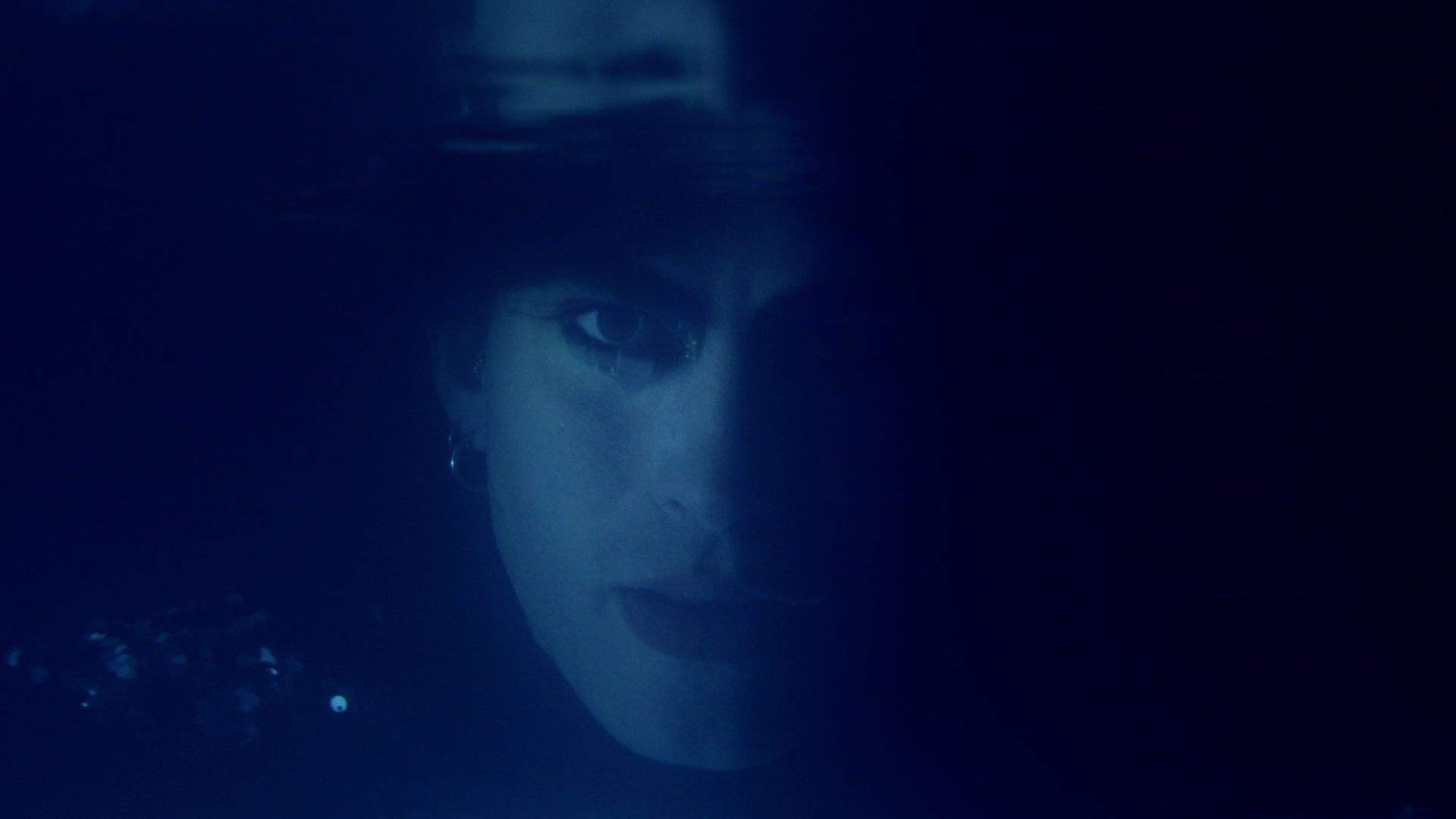
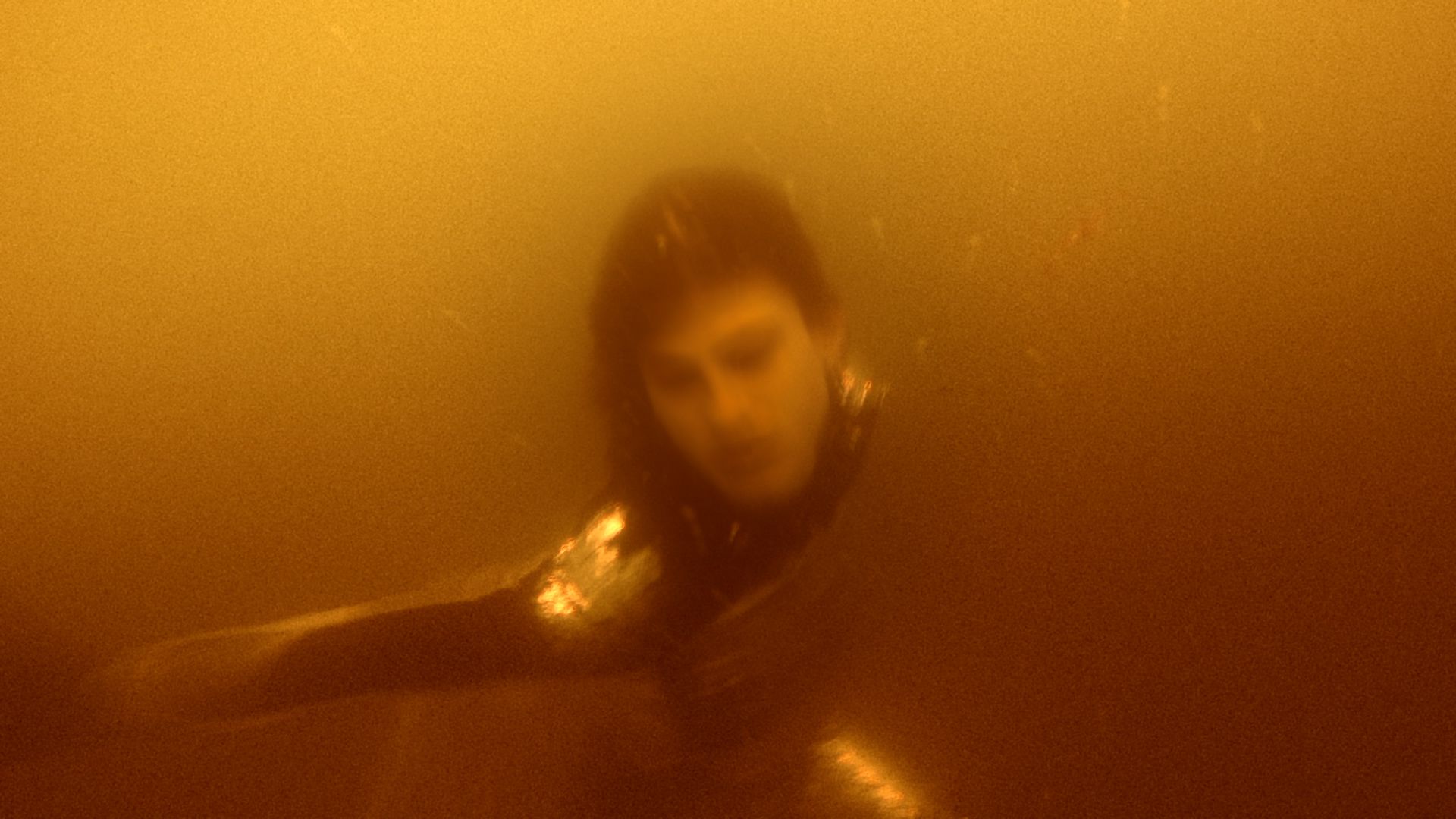
To come back to my last work, the feeling I had underwater, I felt a semblance of silence.
Do you feel as though writing or performing a piece of music is inherently different from something like making a great cup of coffee? What do you express through music that you couldn't or wouldn't in more 'mundane' tasks?
I'm right now writing your question with an okay cup of coffee I made. Hmm, yeah, you can see or call it art — anything, basically … but I will say music is the best expression I've found for now to express what I feel, and I don't feel that when I make coffee, but I could stand tomorrow and say my art is making coffee.
I try more and more to connect both aspects of my life. When I write or perform a piece of music, it melts a lot with my everyday tasks, especially as an independent artist. There is so much more than just making music and performing it. I can do my laundry just before a show, and when I come back, I will dry it.
But I also think it's good to step back and allow yourself to not live just through your art. It's also good to just drink a great cup of coffee and chill with your loved ones.
What is a music related question that you would like to add to this interview for other artists to respond to – and what's your own answer to it?
Humm, I think I already answered some of it during the interview, but I'll say: Where do the impulses and inspirations come from when you make music?
It can come from Lucien sending me a new production, beats, or from us going into the studio to explore new sounds and textures, or even rewriting lyrics together. It's like a muscle—you have to practice, and sometimes you need to provoke the rendez-vous. You don't always need to have a full concept in mind beforehand.
It also comes from a lack of expression, something I need to understand in my life. When I feel my voice is silenced or I don't know how to express myself outside of music, when you feel that hole in your heart.
Speaking about the future, our next musical chapter starts with the impulse to embrace what’s missing in our life—basically, fakeness can become truth. It's amazing how you can build a whole new world with music, and the impulses and inspirations usually come from the desire to dive into that new fantasy, wanting it to become your reality.
Music can be incredibly powerful. Just yesterday, I was listening to one of our demos, and I thought, “Wow, I really want to sing this for an audience.” It made me smile. That’s the essence of it—to feel the need to be in this musical world and to share it. The true understanding comes afterwards, when you finish the song and perform it.