Published
Name: Javier Rojo
Nationality: Spanish
Occupation: Saxophonist, composer, improviser
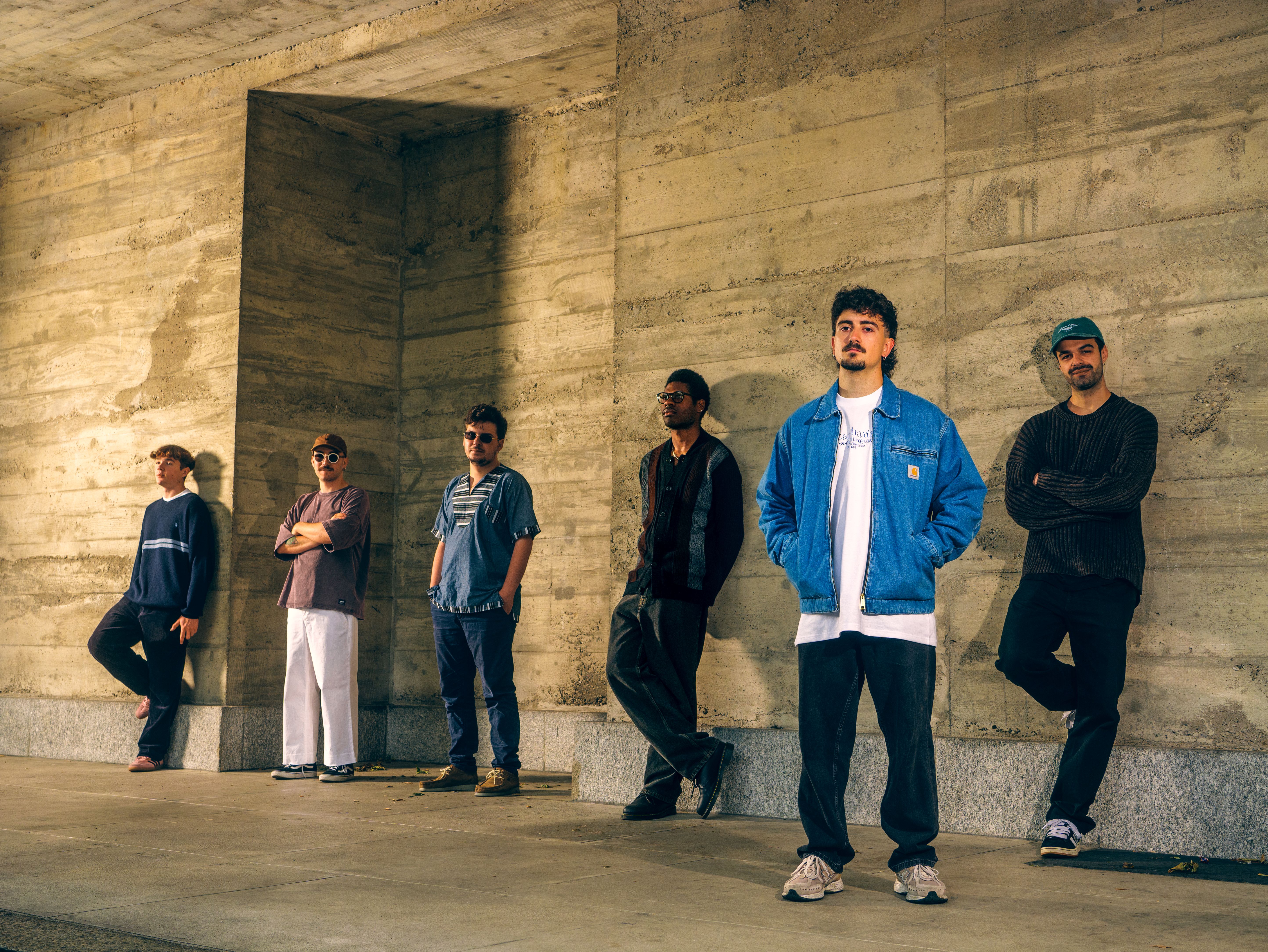
Current Release: Javier Rojo's album Música para amansar fieras is out via Fresh Sound. It features a band comprised of Álvaro Ocón (trumpet), Noé Sécula (piano), Eliott Knuets (guitar), Joan Codina (bass), Genius Wesley (drums), and Fernando Brox (flute).
If you enjoyed these thoughts by Javier Rojo interview and would like to know more about his music, visit him on Instagram. He also has an informative artist page on the website of Fresh Sound.
For a deeper dive, read our earlier Javier Rojo interview and our conversation with him about improvisation.
Why do you like playing in a band rather than making music on your own?
At this stage of my life, I feel that playing my music (especially these pieces) in this format is the best way to express myself. My main instruments are the tenor saxophone and the clarinet, both melodic instruments with limitations, such as not being able to play harmony. This is one of the reasons for my passion for composition—through it, I can explore paths that I cannot with my instrument.
Doing a solo project is something I would love to do in the future; I believe it’s something that requires a lot of musical maturity. Hopefully, someday!
Other formats I’d love to explore in the future are smaller setups, like playing in a duo, trio, or quartet, as well as composing for a large ensemble or big band.
What, to you, are some of the greatest bands, and what makes them great?
There have been many bands throughout history that have deeply influenced me and played an important role in my musical journey.
To name a few: both quintets of Miles Davis, John Coltrane's quartet, the Jazz Messengers, the Brad Mehldau Trio, the bands of Mark Turner, Kurt Rosenwinkel, and Ambrose Akinmusire.
I believe some of the common factors these bands share, which have left a mark on me, are their energy, freshness, and innovative character in their respective eras, as well as the commitment, personality, and honesty they demonstrate in their music.
How did the band come together?
I knew Álvaro from my time in Barcelona (although we never played together there), as well as Fernando, who was one of my first teachers when I arrived in Barcelona. I met the rest of the band after moving to Basel to study at Jazzcampus. I lived with Joan for a year, and I immediately connected with Noé, Eliott, and Genius on both a personal and musical level.
As musicians, I was certain I wanted to work with them from the moment I first heard them play. They are all a great source of inspiration for me, and whenever I’m composing something, the fact that they will eventually perform it influences the way I shape my music.
On a personal level, I consider them part of my closest circle, which, in my opinion, is very important and has a significant impact on the music.
What were some of the reasons, do you think, that you wanted to play in this constellation?
I think it was the musicians themselves who influenced my decision to play in this constellation.
The first drafts I made were for a quintet without a trumpet, but as I composed more pieces, I started imagining the music with Álvaro. His warm sound and musicality seemed like the perfect fit for my music and the aesthetic I was aiming for. As I mentioned earlier, the band members themselves influence my composition process, so they were the reason behind choosing this lineup for the album.
Since it’s challenging for an emerging band to secure gigs as a sextet, we’ve also performed as a quintet on various occasions, sometimes with a guitar and sometimes with a trumpet. This gives the music a different vibe and occasionally shifts the aesthetic, which I also enjoy, as it allows us to adapt to the new setup and explore different musical directions.
How do your different characters add up to the band's sound and in which way is the end result – including live performances – different from the sum of its pieces?
I think we all share many aspects that make working together very rewarding, although that doesn’t mean it’s easy. We are very demanding and always looking for ways to improve, whether during rehearsals or when analyzing live performances.
Each of us has a unique personality and aesthetic, but with many common points that connect us all. We share influences, curiosity, commitment, and dedication—qualities that make everything work.
Is there a group consciousness, do you feel? How do you experience it?
100%. I believe it’s the eternal search we have—to be able to constantly interact through active listening. I think there’s a great process of humility and respect for the music behind this, always trying to be immersed in what’s happening and being present in the moment.
Tell me about the process behind Música para amansar fieras, please. How does the creative process typically get started and what is your sense of ownership like as part of the songwriting process?
I believe the creative process is something you always have to be present for. Obviously, there are times in life when you're more active than others for various reasons, and taking breaks in different ways is necessary and important, at least for me.
For some time now, my creative work has been something similar to craftsmanship, something I’ve learned from my great mentor Guillermo Klein. I consider composition and art to be similar to other areas of life, like craftsmanship, where you have to make different sketches, work with different techniques, analyze the work of others, and draw your own conclusions.
A large part of the daily work I do doesn't end up becoming a song or taking any defined form, but it all contributes to the process. Sometimes, small ideas lead to a full piece, and very occasionally, I sit at the piano and a song just flows directly from the heart, hahaha!
Everything has a process; what’s important to me is that everything I do, no matter how small, is sincere. That way, everything has value and can eventually turn into something.
What tend to be the best songs in your opinion – those where you had a lot in common as a band or those where you had more differences? What happens when another musician take you outside of your comfort zone?
I believe stepping out of the comfort zone is a good thing, although difficult, as sometimes we can feel insecure. But the key, in my opinion, is to set aside personal ego and the fear of making mistakes, and to face uncertainty with honesty.
It is in these moments that each person’s personality emerges, and no matter how different it may be, common points are found through the commitment to music and being there for it.
What are your thoughts on the need for compromise vs standing by one's convictions? How did you resolve potential disagreements?
I believe it's important to keep an open mind and be willing to listen to others' suggestions. One of the reasons I choose the musicians I play with is because of their musicality, so I have to take advantage of that and their ideas, hahaha!
I think trying things out doesn’t harm anyone, and neither does listening to proposals. Obviously, in this case, the final decision is mine since I’m the leader of the project, but the band has contributed many ideas, and we've changed the way we play the pieces based on their input throughout the process.
Usually, we have the same criteria when trying something new, and we tend to agree aesthetically on the different proposals, whether they work out or not.
Do any of the band's members also have solo projects? If so, how do these feeds into the band's creative process?
Almost all the members of the band have their own personal projects or participate in others, which I admire and find inspiring as well.
This experience makes working with them easy, as each of us tends to have clearer perspectives on certain aspects than others, so we complement each other very well.
In a live situation, decisions between band members often work without words. From your experience and the performances of your current tour, what does this process feel like and how does it work?
Musically, it often works like this, although we like to be critical of ourselves in a healthy way.
Many times, before or after concerts, we try to talk about aspects to improve, to keep in mind or try different things and see how they work in moments when we weren’t satisfied with previous performances.
How do you keep things surprising, playful and inspiring?
We are a very young band that has really been playing together for a year, and we’ve known each other for just over two, so this will be a fun answer to reflect on in a few years, hahaha!
Still, we don’t settle for playing "the same thing" every day. We are very active people with a lot of curiosity, and as I mentioned earlier, we always try to improve the interaction between us and find more common ground.
I believe this curiosity keeps the band energized with the drive we’re looking for.
Have you worked with outside contributors - from sessions musicians via producers to other songwriters? How did this change, improve or challenge the established dynamic and how do you look back on that?
The album has been entirely produced by me, with help and advice from the people around me, including musicians, colleagues, mentors, and others I’ve encountered throughout the process.
In addition to the band members, advice from Guillermo Klein, Mark Turner, Aaron Parks, Kris Davis, Chris Cheek, Kevin Hays, and Laura Jurd, among others, has helped me develop my pieces.