Published
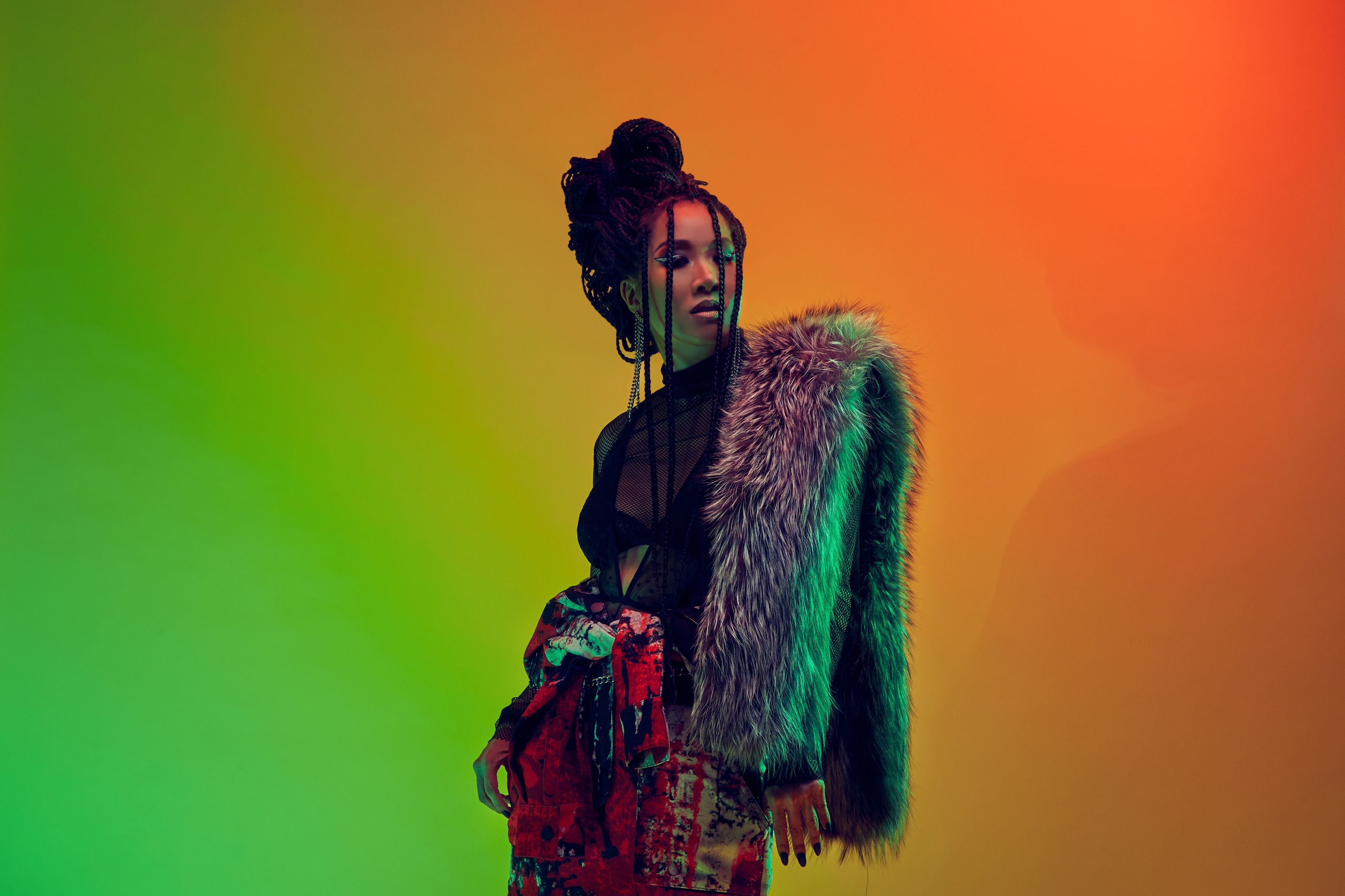
Name: Masia Lim aka Masia One
Nationality: Singaporean-Canadean
Occupation: Rapper, songwriter
Current release: Masia One's new single “Neighbourhood” with Emma Dilemma and featuring Dende the Sensei and Jay Coast out now via Ten Years P&D.
Things I am passionate about but rarely get to talk about: I have a Southeast Asian, Jamaican inspired Jerk Sauce called Suka Suka Sauce that I’ve been hoping to develop into a platform to share Reggae, Dub and World music from our region. It’s really good and the world’s first Jerk Marinade with no preservatives or chemicals. Come by for some Grill and Ginger Beer sometime!
Local Recommendation: In celebration of my collaboration with Emma Dilemma “Neighbourhood”, here’s my shortlist of recommendations for the neighbourhood and hometown I represent in the song - Singapore:
Record Shopping: Red Point Record Warehouse
Jam Sessions: Saturday nights at Kult Yard
Weird tourist Attraction: Haw Par Villa - Cultural Park dedicated to the Chinese 10 courts of Hell including a “hell museum”
If you enjoyed this Masia One interview and would like to stay up to date with her music, visit her on Instagram, and Facebook.
What were some of the musical experiences which planted a seed for your interest in hip hop?
I was born in Singapore and as a kid mostly heard American and Chinese pop music around me.
When I was 8 I was at a wet market called Bedok Market, and had some Lunar New Year money in my pocket. I found a record shop that sold bootleg cassette tapes - and that day I bought Bananarama and Public Enemy’s Fear of a Black Planet.
When I first hear the rhythm and Chuck D’s voice it was over for me, I was on a mission to find more Hiphop music.
What does the term hip hop mean and stand for today, would you say?
Hiphop is a culture, a community, a lifestyle and a state of mind.
Beyond the elements like emceeing, DJing, breaking, and graf - Hiphop in it’s many forms allows us to create and express ourselves authentically.
Hip hop has always been about a lot more than just music. For you personally, is hip hop a way of life – and if so, in which way?
The culture of Hiphop also inspires a growth mindset, that takes inspiration from so many things and constantly looks to deepen our knowledge of self. When we are able to create something from nothing, we have the confidence to build bigger and greater for a positive impact on our peers and community.
This can be shown through the creative spirit of free styling over a break beat, or the D.I.Y. mindset of young creatives making their own merchandise and growing that into a brand and business that was first inspired by the grassroots.
What, would you say, are the key ideas behind your approach to creativity?
I don’t just look at the creative output like music and art as the craft, but I also treat the hustle (the way in which the creative content is communicated, endorsed and sold) as part of the creative process.
I was one of the first Asian faces in Hiphop for North America, and was constantly told I was not “marketable” because there was no precedent for what I was doing. As such, I could go far outside of the box to reach my audience and my tribe that did not necessarily follow the way the industry sold and marketed records.
Where do most of your inspirations to create come from – rather from internal impulses or external ones?
I am often inspired by external influences, especially if I’m travelling and taking in the flavours and colours of different culture.
But ultimately we use our internal impulses to transmute what we observed through our artistic lens … so both?
Which current social / political / ecological or other developments make you feel like you need to respond as an artist?
In my most recent project with Vancouver based producer CNFMUS, we explore using the medium of 1970s to 80s Chinese cult movies as a means to express the music.
Samples taken from Shaw Brother’s martial arts movies and aesthetics borrowed from hand painted Hong Kong movie posters, keep the project authentic, yet blended with current music trends and styles. Inadvertantly this project explores Racism and Stereotypes in popular culture.
Besides, these influences have been borrowed by iconic groups like WuTang Clan, Freddie Gibbs and Afu-Ra. My producer pointed out to me, why does everyone get inspired by Chinese pop-culture except Chinese artists? This return to root allows me to explore this question.
Hip hop has always had an interesting relationship between honouring its roots and pushing the music forward. What does the balance between these two poles look like in your music?
As an Aries woman I’m always pushing forward, however in recent years, I found myself feeling disillusioned by the current “future model” of the music industry - including having 200 of my songs sold to AI data sets and musicians no longer being respectably paid for a service that can be very costly.
I find myself returning to the root, both in music styles and the business, during a time Gen-Alpha is gong back to iPod shuffles and vinyl. I’m currently the music director of a vinyl listening bar in Taipei, and being able to recommend music to people by placing the wax and artwork in their hands is more valuable than that any algorithm can do.
What role do electronic tools and instruments, including AI, play for your creative process?
It’s a difficult question right now because someone just showed me AI watch dog platformed tracked 189 of my songs sold to data sets to train AI.
Tell me a bit about the sounds & creative directions, artists & communities, as well as the colleagues & creative hotspots of your current hometown, please. How do they influence your music?
Currently in Taipei, I’m the music director of a beautiful music venue called Playback @theglasshouse.taipei that also has a vinyl listening bar, with the records selected by yours truly.
Other spots include Rabbit Hole located at the basement of a pizza shop where great soul parties happen, Tiger Mountain where experiences like Formosa Sound (Taiwan’s only Jamaican sound system stack) plays heavy bass at an old Chinese temple and Black Glue Records - my spot for crate digging your next favourite record.
It can sometimes seem as though, in hip hop, production is the main force of progress. Do you feel like there is still space for genuinely new ideas for lyrics and vocals as well? If so, what could these look like?
I think it can seem that production is the driving force especially for mainstream or mass consumed music because of how music is consumed today - put on a playlist and let the 500 song playlist run as background music.
As this generation returns more and more to active listening and music ownership rather than streaming culture, this will change. Kids are buying iPods to play MP3s again, and vinyl sales are at an all time high.
If you return to the root of the culture, lyrics are the quintessential part of being an Emcee and wordsmith - not just with the meaning of the words but the way in which the rhyme, cadence and flow is chosen. When people are asked their top 5 emcees of all time, that choice isn’t based on who had the hottest beats.
As well, not that Hiphop is global, we have Cambodian and Vietnamese hiphop artists easily at millions of streams, just by the sound and vernacular of different countries, new flows, word play and styles must emerge.
For many artists, life-changing musical experiences take place live. How do you see that yourself?
I thrive as a live performer because I love exchanging that energy with the crowd, something I learned during my time in Jamaica experiencing street parties and sound system shows.
Rather than just performing your song at a crowd and hoping to impress them, the live performance is a back and forth exchange with the crowd, understanding as a live performer what gets them going, how they can feel energized.
Also I’m 5’1 Asian girl so there are definitely pre-conceived notions as to what I’m going to sound like from my physical appearance - but I sound a lot bigger than I physically am so I enjoy the impact of people’s surprise and changing expectations.
How, would you say are your live performances and your recording projects connected at the moment? How do they mutually influence and feed off each other?
I used to be criticized for creating music in a blend of genres, hearing feed back like “Masia you’re either Hiphop or Reggae, you can’t be both.” However at this stage in my career, I’m less effected by those opinions, realizing my career outlasted many of the people that gave this opinion.
As I perform a wide range of festivals and stages I now just think about the songs that are most enjoyable to rock, what messages are relatable to the audience and what I feel proud to present as part of my legacy of works.
Currently I’m finishing a Hiphop album with CNFMUS that is inspired by 1970s-80s Martial Arts Movies and explores themes of being a 3rd culture kid. I am also completing my first full length Reggae LP with a producer named Jahwise, who uses live instrumentation from musicians around the world in his production.
I have a passion for writing and performing songs for both these albums, which though seemingly different, share the elements of heavy bass, a focus on lyricism and flows, and always a message to make people feel brave.
From Star Wars via The Hitchhiker's Guide to the Galaxy to the Fifth Element, there have always been amusing sci fi ideas about how music could look like at some point. For a not too distant future, where do you personally see it going?
Ironically I see it going back to analogue, back to ownership of music through the physical copy or owned digital forms. The current model doesn’t work - it does not enable a future for the very creators of the content so there cannot be a continued output if you kill the creator’s livelihood. Sometimes we need to go back, to go forward.
I’m also fascinated with the growth of sync and licensing for film, video games and products in Asia, with the market well established in the West. Through my company “Nusantara Records” we have been placing a lot of SE Asian artists into movies, Netflix series and more - but thus far it’s been importing this music into North American productions.
As mindsets toward music evolve in Asia, I am excited to see the demand for authentic music for big productions out of our region.