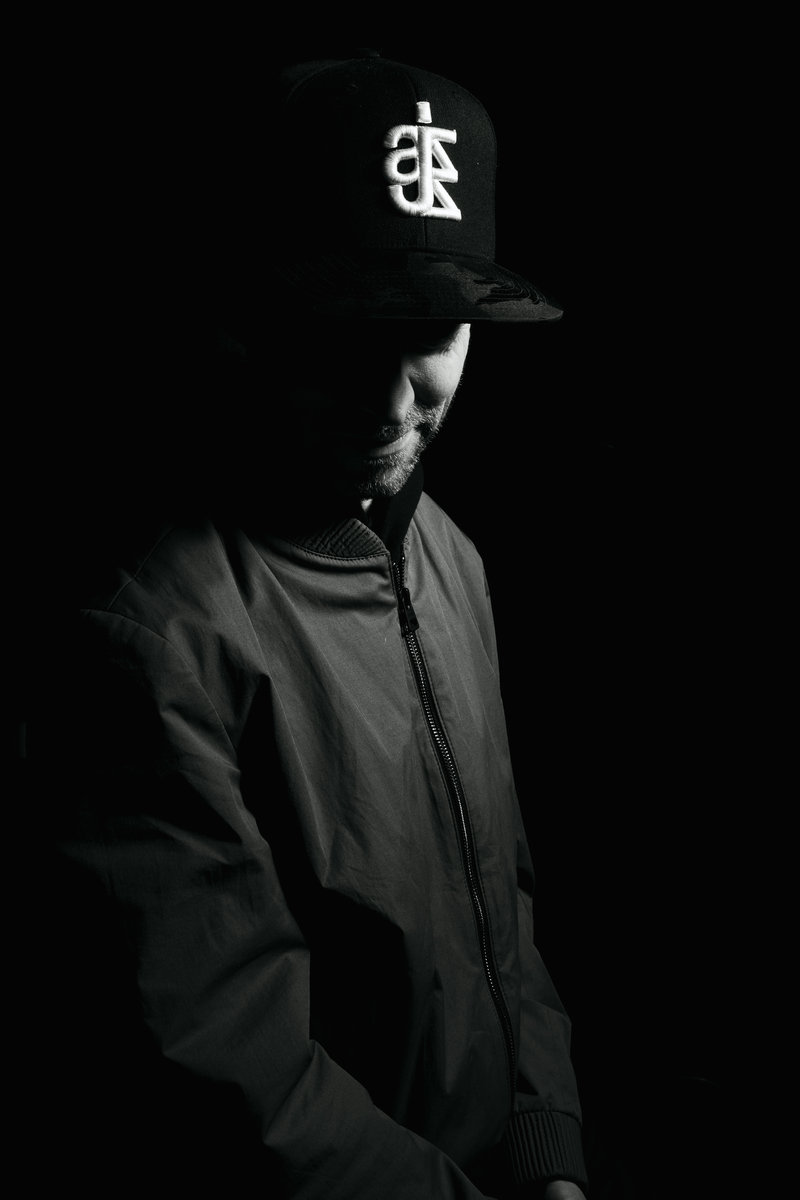
Published
Name: Richard Spaven
Nationality: British
Occupations: Drummer, composer, producer
Current release: Richard Spaven's new album Light of Day is out via Edition.
Pure drum recordings recommendations: It’s vocals and percussion but -Last Poets - Last Poets (1970). A charged percussion record that established spoken word with music which paved the way for hip hop.
Hometown recommendation: Lord’s Cricket Ground. Yep. I’m a cricket fan. Beautiful architecture here at the home of cricket. Quite an incredible green space tucked in to the hustle and bustle of northwest London.
If you enjoyed these thoughts by Richard Spaven and would like to know more about his work and current tour dates, visit his official homepage. You can also find him on Instagram, Facebook, and Soundcloud.
For a deeper dive, read our earlier Richard Spaven interview.
It seems as though most aspiring artists are drawn to the drums and percussion for one of two reasons: Creating sound/noise and creating rhythm. What captivated you?
I don’t actually know. In the first instance I was just drawn in.
Having been obsessed by rhythm since, I can say that the endless possibilities within keep me heartily inspired. Practice was more conventional in my early years but now it’s a full on journey of discovery.
When I listen to music, I see shapes, objects and colours. Others experience emotions. Everything around drums, on the other hand, is based on touch, vibration, and movement. Does this mean that your own perception as a listener is also more connected to touch, vibration, and movement? What happens in your body when you're listening?
When I’m listening to music I am generally in the same headspace as when I’m playing.
The drummers in my record collection are all ‘listening’ drummers. It’s a relatively uncluttered headspace - with all four limbs on the go, thinking in too much detail or specifics is impossible (for me).
So it’s about global thinking - listening, interacting, being spontaneous.
What was your first drum set like and what are you using today? What, to you personally, are factors in terms of build and design that you appreciate in drums and percussion instruments?
First kit - multiple different brands, plenty of rust, nothing matched - a proper salvage kit. But … I loved it!
Nowadays - I love small bass drums and pitched up snares. Dark expressive cymbals.
I think the 60s / 70s era from which a lot of breaks for hip hop, jungle and drum n bass came is a big influence here. This wasn’t the era for a big bass drum tuned low with a duvet inside. (Think Clyde Stubblefield playing with James Brown).
I’m going for the sound from where we got the breaks.
The drums and percussive instruments are an integral part of many cultures, and traditions. Which of these do you draw from in your playing – and why?
Well I mean growing up in the London club scene - witnessing drum n bass establish itself at Metalheadz / Blue Note in Hoxton Square. It was electric and experiencing that scene from the beginning feels very unique. I can’t quantify the inspiration that instilled in me. It’s still in my drumming DNA.
Then, the London scene evolving as it does, came broken beat. Another fresh new sound that bowled me over. I think it’s about hearing in situ and those CO-OP nights at Plastic People - well I’m very grateful to have experienced that.
What were some of the main challenges in your development as a drummer / percussionist? Which practices, exercises, or experiences were most helpful in reaching your goals?
Challenges are keeping your language fresh and not getting ‘safe’ or repetitive.
I did have lessons in the early days but since then I’ve been self taught. This is something that has helped me - I can follow my own ideas and over time it’s shaped my style into something relatively unique.
How has technology, such as drum machines and sequencers, impacted the way rhythm is created and perceived? Has it been a concrete influence on your own approach?
I’ve taken so much inspiration from programmed music. It’s really informed my playing / language in a big way. We can copy / embrace the machine like element as drummers but we can also embellish upon it.
Looped / chopped beats feed back in to how drummers play - Dilla feel being another example of this. Spreading itself in to universal language for drummers.
Many recording engineers have remarked that the drums can be particularly hard to capture. What makes drums sound great on record and in a live setting?
Drums can be tricky to record - separate parts that blend to make one instrument. This often means lots of microphones and this leads to complications like phase and bleed.
I think getting good drum recordings is an inexact science. Plenty of trial and error, be lead by your ears and prioritise vibe over technical perfection.