Published
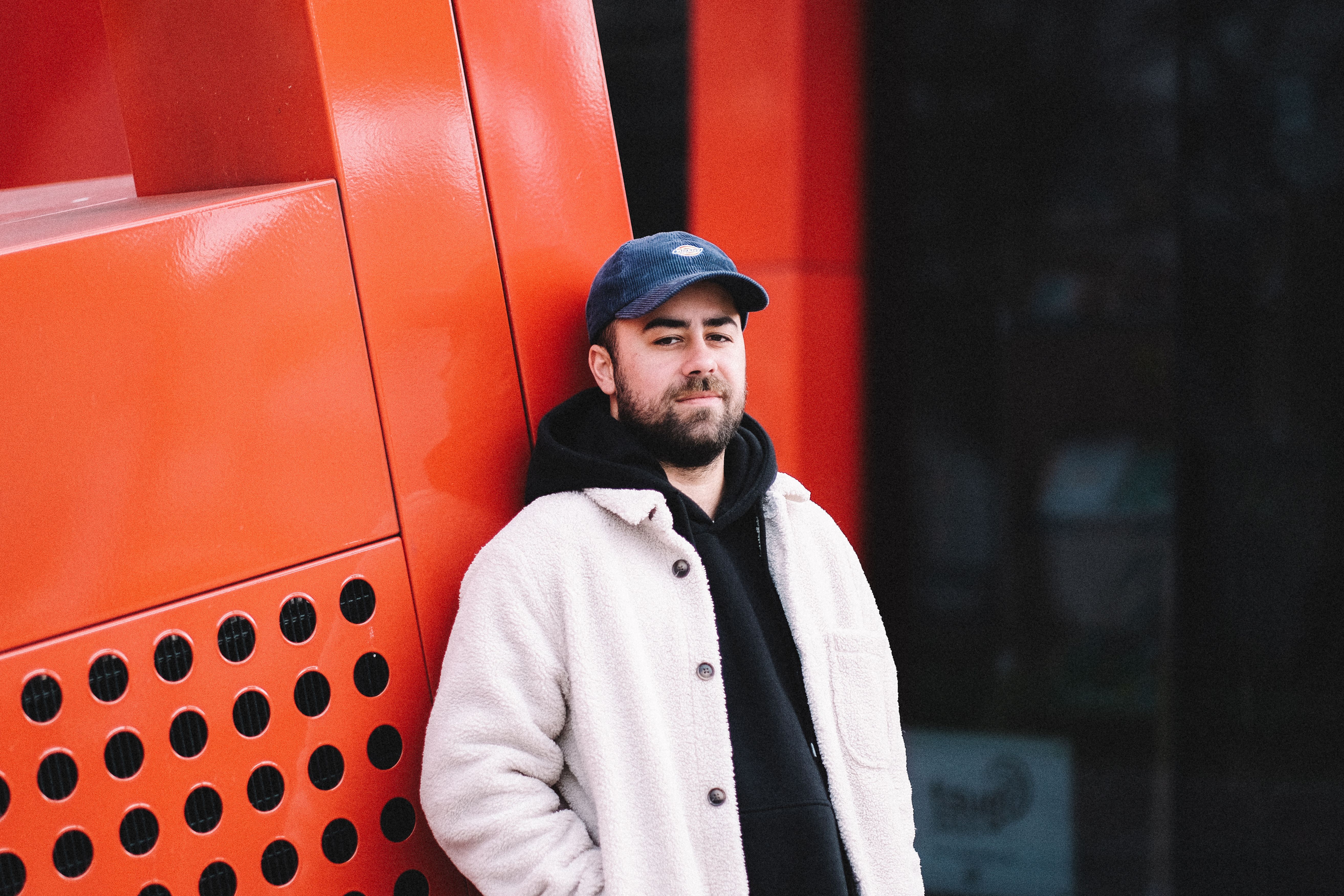
Name: Thomas Prunier
Nationality: French
Occupation: Label founder and artist manager at Pont Neuf
Current Release: Pont Neuf massive fifth instalment of their ongoing label compilation series Hexagonal Club is out now.
If you enjoyed this Thomas Prunier interview and would like to know more about his work and the music on Pont Neuf, visit the label on bandcamp.
For a deeper dive, we recommend our interviews with artists on the Pont Neuf roster:
[Read our Tour-Maubourg interview]
[Read our Cosmonection interview]
[Read our Berzingue interview]
[Read our Mira Ló interview]
What were some of the defining moments that led you to start with your own label - and what or who were your early passions and influences? What was it about music and/or sound that drew you to it?
I started as an event organizer at Social and Wanderlust in Paris between 2013 and 2015. That’s where I met the DJs who later became the first artists of the label. Being part of the Ed Banger Records generation (and following many other labels at the time), I always wanted to start my own record label to support artistic projects.
House music has always had a prominent place in my musical culture, and meeting the guys from D.KO Records in 2015 was the trigger. They were guys my age who had launched themselves a little while before, and talking with them made me think: “Okay, I really need to get into this too.”
Pont Neuf was born at the end of 2015 with a first release in early 2016.
What were some of the labels you appreciated yourself?
There are so many. When I was a teenager, I listened to all the releases from French labels like Ed Banger, Bromance, Marble, Sound Pellegrino, etc. Then I started going out to clubs and quickly discovered all the labels from Chicago and Detroit, or even European labels like XL or Warp, to name a few.
If I had to choose just two, they would be Ed Banger and Ninja Tune. These labels really marked me—and still do—in the way they know how to reinvent themselves and speak to many different generations.
Tell me about these early years of Pont Neuf, please.
As I mentioned, the label initially had no other ambition than to release friends' music. We released a first compilation and were lucky enough to organize our very first event at Rex Club. It was an incredible opportunity, and it allowed the label to make a name for itself quite quickly, in my opinion.
Then we had releases that were really successful on our scale, like Tour-Maubourg’s first EP in 2017, followed by a two-year residency at Rex. We managed to become one of the young house labels that mattered in the underground scene in France.
The Rex residency seems to have been an important stepping stone for the label and its artists. What was it like?
It was incredible! (laughs)
Imagine: you just launched your label, and one of the biggest clubs in Paris agrees to give you the keys to the club once every two months. We couldn’t believe it.
Not to say our artists didn’t deserve to play there, but we also had an incredible alignment of the planets.
What, would you say, are the key ideas behind your Pont Neuf's approach to music and art?
It has evolved over time; initially, it was mainly a friends’ label.
Today, I would say there’s a bigger ambition to support artists from the French house and electronic scene. We’ve had many emerging or established artists who have passed through us, each with unique personalities and musical touches.
What were some of the events, releases, or other activities that showed you the label was progressing?
I think the fact that we’re still here after 8 years is the most important marker showing that the label continues to appeal. Especially in an economy as challenging as that of an independent record label that lives off its own savings, without support from majors—which can happen for some and changes everything.
When we started, everyone swore by vinyl-only labels; today, no one cares, and sales have plummeted, while we’ve never been so listened to on streaming, which itself has evolved considerably.
There needs to be a good balance between an artistic vision and adapting to how people listen to music.
There is a long tradition of French artists creating their very own take on house music. What, do you feel, explains the connection between Paris and France on the one hand and a very specific quality of Chicago house? How would you describe your own connection with it?
I think that when you are a label manager or artist, no matter where you come from, you have to be interested in the pioneers of the genre you defend, in this case, the Chicago scene.
But if you listen to our releases on Pont Neuf, there are many other influences reflected, from all over (nu-jazz, French house, tech house, progressive, balearic, and even more dance-oriented stuff). That’s precisely what interests me through the label: offering many different universes that come together under one banner.
The music on Pont Neuf has an interesting connection to the club. It's clearly inspired by it, but sometimes, I feel like it's almost like a dream of the club experience. How would you describe your approach and your aesthetics in this regard?
I’m not sure we can say we absolutely want to make club music. It’s more that the artists gravitate around this universe, some clearly embracing it, others having a different approach.
I’m equally proud and happy to count EPs from THEOS, Maison Blanche, Mira Lo on the label, who make pure club music …
… as well as Tour-Maubourg, who increasingly offers electronic music with many jazz influences …
… or Cosmonection, who infuses his music with rather nostalgic melodies.
Tell me a bit about the role of community for Pont Neuf, please. How much interaction is there between the musicians on the roster and do you feel that small and larger-scale collaborations and mutual remixes are important?
I’ve only ever produced artists I knew and who knew each other. There were first the “historical” artists of the label with whom we grew up and developed the label over many years. They themselves introduced me to other artists who joined the label for one or more releases.
Most regularly meet in the studio to work together, exchange ideas, and influences. I think it’s essential to work with other artists to evolve and create a truly rich and unique musical universe.
How do you see the role of labels in the creative process? What is the scope and what are the limitations of what you are capable of doing?
I’d say the role of a label has evolved a lot with the advent of streaming platforms and the importance of social networks today. Where a record label was once the main gateway to reaching a network of influencers (radio, TV, press …) that were the major entry points for getting music known, social networks now allow artists to reach anyone at any time without having to invest massively in costly campaigns.
However, the label still has an important role, in my opinion, in guiding artists on various aspects of artistic development (music, image, even digital content…). And obviously, providing necessary and important support to back the artists’ ambitions as well.
How do you see the relation between the creative freedom of the artists and safeguarding the label's personality and your own tastes?
It has ALWAYS been essential that all artistic choices are never imposed on the artists. It’s a given for the music, but I want it to remain so for the choice of track names, albums, covers, even the press release.
We always work hand in hand with the artist, in constant exchange, so they feel as comfortable as possible defending their work from their side as well.
What are the most important conclusions you've drawn from the changes in the music-, music-PR- and music-journalism landscape? How do they affect labels in general and your own take on running a label in particular? What role do social media play for your approach?
Everything has evolved over the past 8 years, but as I mentioned, I think it’s necessary to stay up to date to ensure that our artists’ music is heard by as many people as possible.
The name of the label is interesting - “Pont Neuf” is one of the oldest bridges in Paris, yet the word “neuf” points to the future. How would you describe your views on topics like originality and innovation versus perfection and timelessness in music?
I’m not sure if we necessarily think about topics like originality and innovation from the label's perspective.
Obviously, there’s always the desire and idea to reinvent ourselves through the artists we support, but the music and the emotions it evokes when we listen to demos for the first time are what matter most.