Published
Name: Chahat Mahmood
Occupation: Qawwali singer
Nationality: Pakistani
Instrument: Voice, harmonium
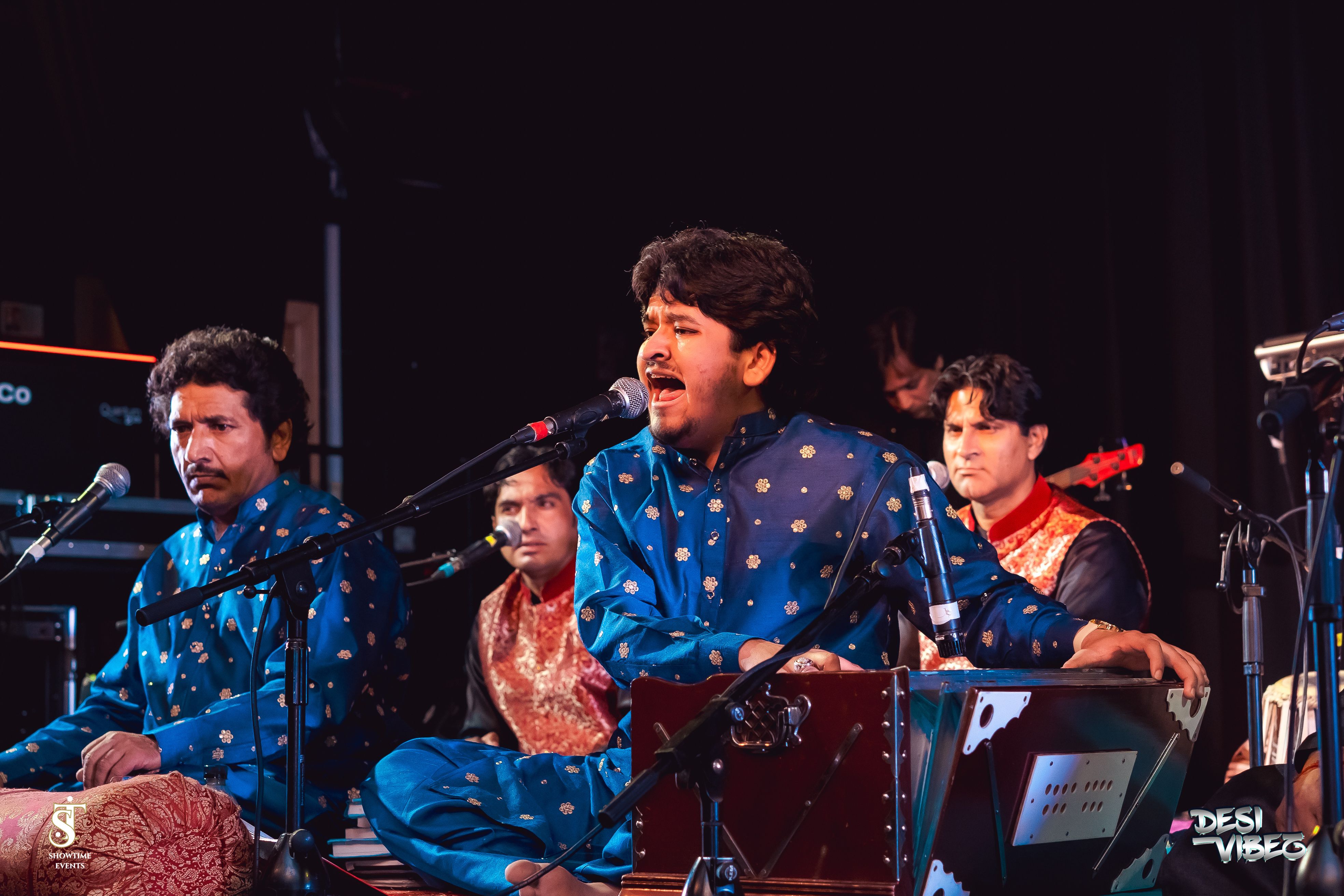
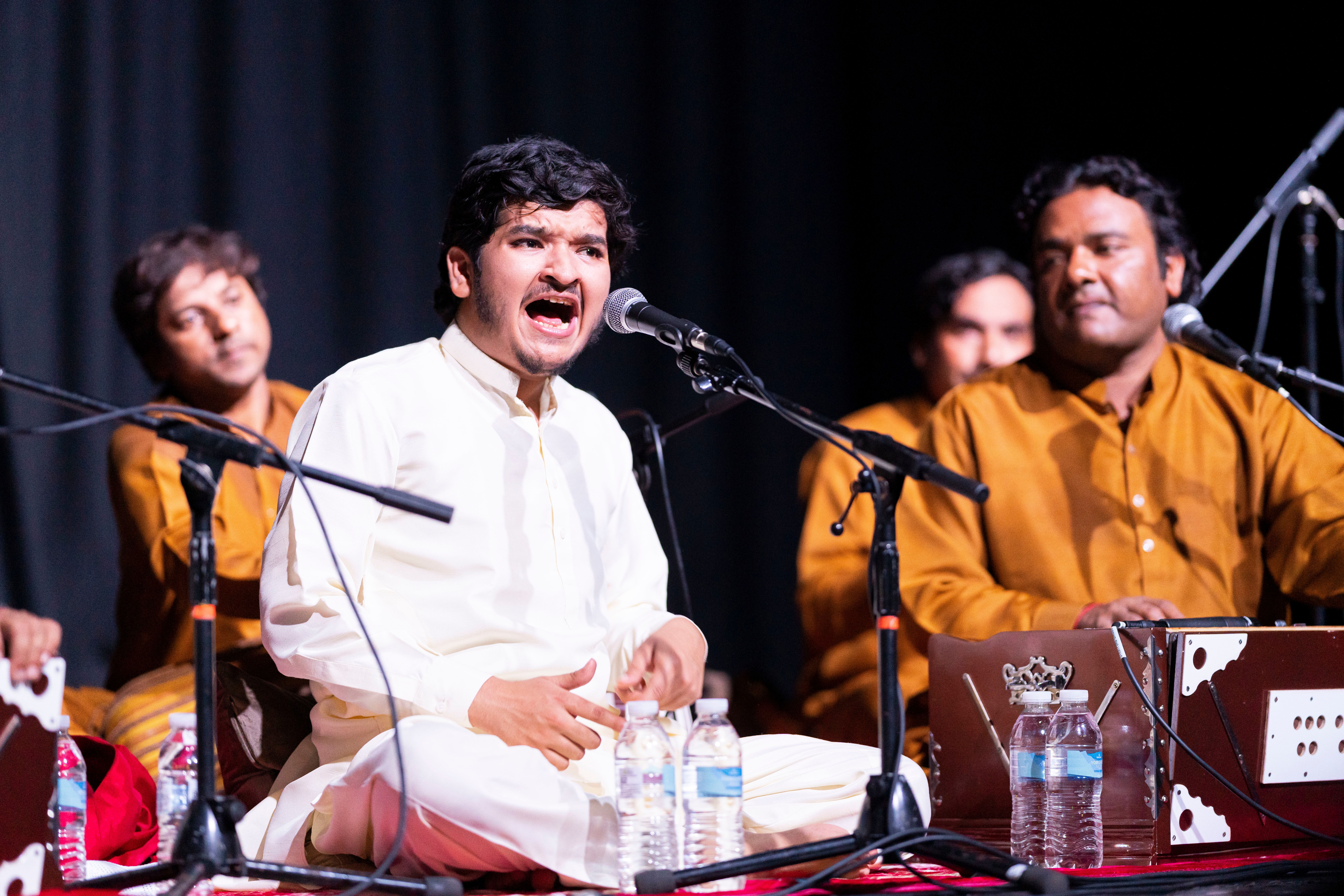
Recent release: Chahat Mahmood is one one of the acts performing at the Musicport Festival 2024. Under the headline of “A Magnet for World-Class Musical Diversity,” the festival will take place at Whitby’s landmark Pavilion - Friday October 25 – Sunday October 27 2024. Get tickets here. Other acts at the event include Divanhana, Afro Celt Sound System, Rokia Koné, Fulu Miziki as well as Jah Wobble and The Invaders of the Heart.
Recommendations: I recommend:
1. *Painting: "Starry Night" by Vincent van Gogh. This iconic painting captures the beauty and turbulence of nature, reflecting van Gogh's emotional state and unique style.
2. *Piece of Music: Songs in the Key of Life by Stevie Wonder. This album is a masterful blend of genres and themes, exploring love, social issues, and personal growth, showcasing Wonder's incredible artistry and innovation.
[Read our Divanhana interview]
[Read our Johnny Kalsi of Afro Celt Sound System interview]
[Read our N'Faly Kouyate of Afro Celt Sound System interview]
[Read our Rokia Koné interview]
[Read our Qadasi & Maqhinga interview]
When I listen to music, I see shapes, objects and colours. What happens in your body when you're listening? Do you listen with your eyes open or closed?
I close my eyes and listen to more sufi/qawwali music. I loose my body and the soul takes over.
Sufi music cleans my soul.
Entering/creating new worlds through music has always exerted a strong pull on me. What do you think you are drawn to most when it comes to listening to and creating music?
For me the poetry and lyrics are important when listening. The music is just wrapping and icing on the cake.
Making music and compositions for qawwalis is more challenging.
According to scientific studies, we make our deepest and most incisive musical experiences between the ages of 13-16. What did music mean to you at that age and what’s changed since then?
I was listening to my father between this age who was a Harmonium player and also payed with ustad Rahat Fateh Ali Khan. I had a lot of respect for my father and music.
I have a great qawwali team who are seasoned musicians who have played with the best. My job is now to lead the band with the help of my father.
Tell me about one or two of your early pieces that you're still proud of (or satisfied with) – and why you're content with them.
I composed my own compositions for famous Qawwali, Tumhey Dillagi originally composed by Ustaad Nusrat Fateh Ali Khan. This was so I could connect with the young audiences of my age,
What is your current your studio or workspace like? What instruments, tools, equipment, and space do you need to make music?
It's very small and mobile as we have been in the UK for the last 17 months. I am focused on the Harmonium as this help me compose and sing in tune.
Tabla is also important to me to give rhythm. My chorus singer normally give the clapping and makes my new ideas more qawwali-focused.
From the earliest sketches to the finished piece, tell me about the creative process for your current release, please.
We can have many ideas beforehand. But qawwali happens very much from taking cues from audience reactions. Experimentation.
What role and importance do rituals have for you, both as an artist and a listener?
For artist, they provide structure and focus, enhancing creativity and emotional connection to the music. For listeners, rituals—like attending concerts or listening at specific times—create a sense of community and deepen their emotional ties to the music and the artist.
Overall, rituals enrich the musical experience, fostering personal connections and shared traditions.
Are you acting out parts of your personality in your music which you couldn't or wouldn't in your daily life? If so, which are these?
Yes, artists often express aspects of their personality in their music that they might not reveal in daily life, such as vulnerability and deeper emotions. This allows for stronger connections with listeners.
Late producer SOPHIE said: “You have the possibility [...] to generate any texture, and any sound. So why would any musician want to limit themselves?” What's your take on that?
I agree with SOPHIE. The range of sounds today allows artists to explore creativity freely, leading to innovative and unique music that expresses individuality.
Do you feel that your music or your work as an artist needs to have a societal purpose or a responsibility to anyone but yourself?
I believe music can have a societal purpose, but it ultimately depends on the artist’s intent. 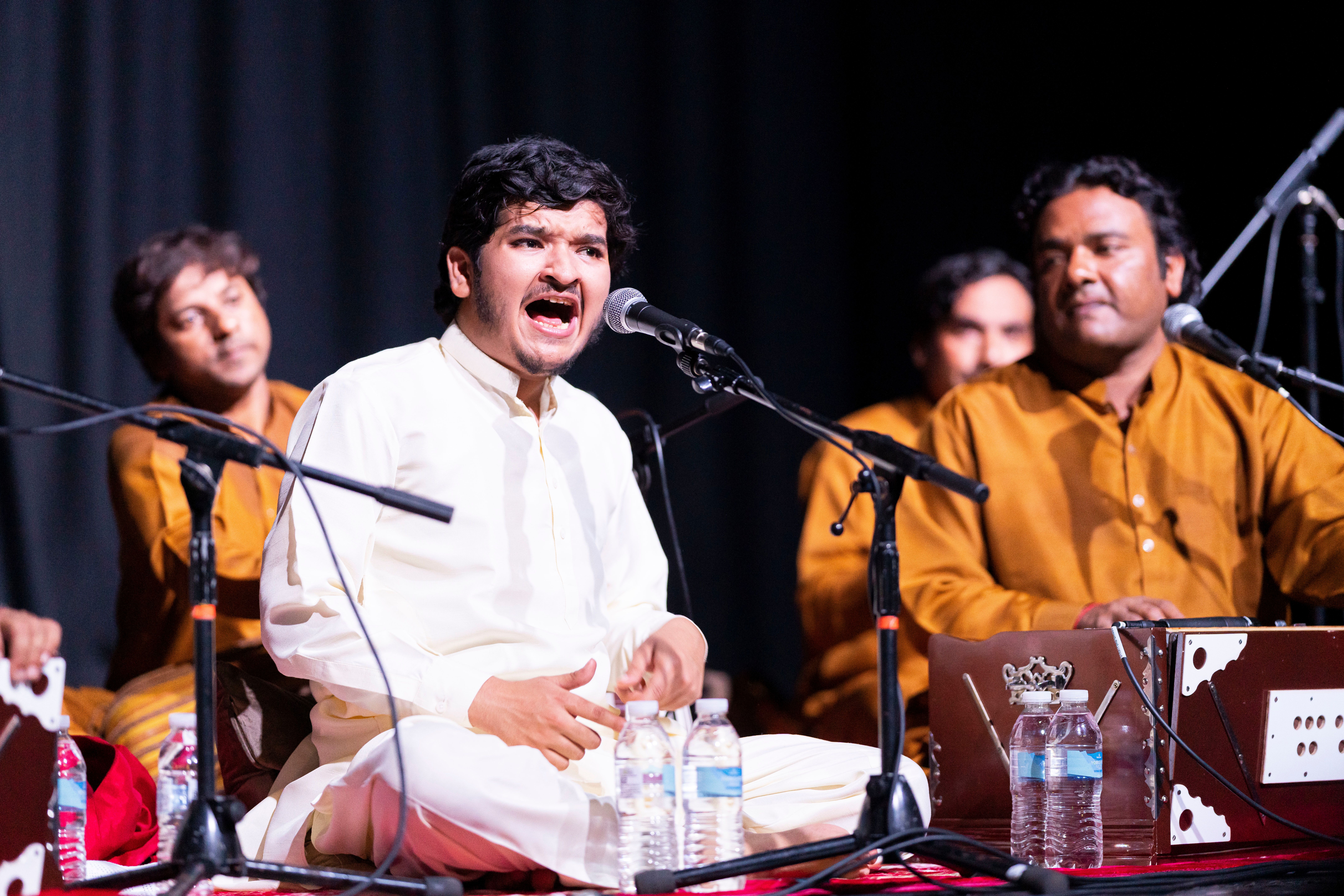
Chahat Mahmood Interview Image by Andrew Baker
Once a piece is done and released, do you find it important that listeners understand it in a specific way? How do you deal with “misunderstandings?”
Listeners don’t need to interpret a piece in a specific way; art is subjective.
Misunderstandings can spark interesting conversations, and I value personal connections with the music.
Sound, song, and rhythm are all around us, from animal noises to the waves of the ocean. What, if any, are some of the most moving experiences you've had with these non-human-made sounds? In how far would you describe them as “musical”?
Some of my most moving experiences with non-human sounds include the rhythmic ocean waves and melodic bird calls.
I find these sounds musical due to their patterns and rhythms, showcasing that music exists in nature, not just in human creations.
We can surround us with sound every second of the day. The great pianist Glenn Gould even considered this the ultimate delight. How do you see that yourself and what importance does silence hold?
I agree that surrounding ourselves with sound is delightful, but silence is equally important. It allows for reflection and enhances our appreciation of sound, providing balance in our auditory environment.
Do you feel as though writing or performing a piece of music is inherently different from something like making a great cup of coffee? What do you express through music that you couldn't or wouldn't in more 'mundane' tasks?
Yes, writing or performing music is different from making a cup of coffee.
Music allows me to express emotions and ideas that are hard to convey in everyday tasks, creating a deeper connection with listeners.
What is a music related question that you would like to ask yourself – and what's your answer to it?
A question I’d ask myself is: "What role does collaboration play in my music?" My answer would be that collaboration enriches my creativity, bringing new perspectives and ideas that push my music in exciting directions.
It fosters a sense of community and shared purpose, enhancing the overall artistic experience.